
Container Gardens
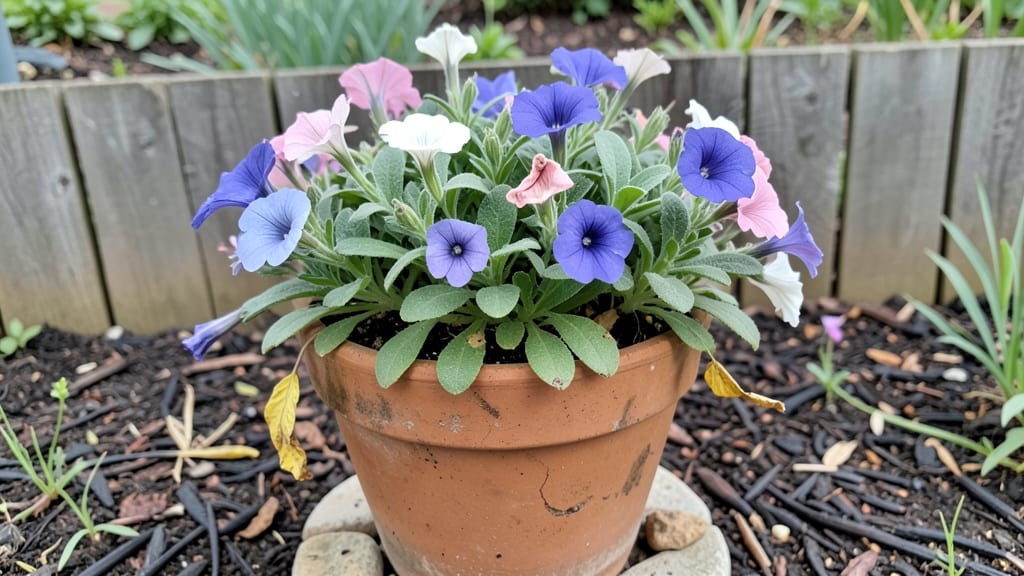
A 30-inch flower pot turns your balcony into a lush vertical masterpiece—no green thumb required. 🌿 I started with just two of these statement-sized containers and transformed my cramped space into a thriving garden that neighbors envy.
The key isn’t complicated: it’s about choosing the right plants, balancing weight, and letting the pot’s height work with your space, not against it.
These pots handle bold plants like ornamental grasses, dwarf trees, or cascading petunias—anything that thrives in 10+ gallons of soil. Terracotta adds rustic charm but needs winter protection, while plastic is lightweight and budget-friendly.
Just ensure drainage holes (or DIY with a drill) to keep roots happy. I pair mine with lightweight decor—solar-powered string lights or a small trellis—to elevate the look without overpowering the plants.
By summer’s end, you’ll have a vertical garden that adds height, texture, and seasonal color to any small space. The best part? You can mix heights—tall pots behind shorter ones—to create layers that draw the eye upward.
Whether you’re filling a corner or lining a railing, these pots make gardening feel like an art project, not a chore.
Pro tip: Start with one pot to test drainage and plant combinations before committing to a full setup. And if your balcony gets windy, secure pots with straps—trust me, a 30-inch pot full of soil is heavier than it looks. Ready to make your space pop?
📚 In This Guide
- What you need
- Instructions
- Tips and common mistakes
- Wrapping up and next steps
What you need
- ● 30-inch flower pots (or planters): 1–3 pots (depending on your design—single statement piece or layered setup)
- ● Material: Terracotta, fiberglass, or resin (choose based on weight and durability)
- ● Drainage: Ensure pots have drainage holes (or add a DIY solution like crushed rocks)
- ● Potting soil: 1–2 bags (1–2 cubic feet per pot, depending on plant size)
- ● Type: Well-draining mix (add perlite or orchid bark for aeration)
- ● Plants: Trailing plants (e.g., Petunias, Fuchsias, or Pothos) for cascading effect
- ● Upright plants (e.g., Geraniums, Coleus, or Succulents) for structure
- ● Quantity: 3–5 plants per pot (adjust for fullness)
- ● Tools: Trowel or small shovel
- ● Gloves (for handling soil and thorny plants)
- ● Watering can or hose with a gentle nozzle
- ● Pruning shears (for trimming plants)
- ● Plant supports (e.g., coco coir or moss poles for vines)
- ● Slow-release fertilizer (for nutrient boost)
- ● Decorative elements (e.g., pebbles, mulch, or LED lights for ambiance)
- ● Pot feet or saucers (to protect surfaces and catch runoff)
How to create a vertical garden statement with 30-Inch flower pots
Here’s how to turn those big pots into a bold, eye-catching vertical garden that transforms any balcony.
🪴 Step 1: Choose and Prepare Your Pots
Select 4 sturdy 30-inch pots with drainage holes—terra cotta or fiberglass work best. I like to arrange them in a staggered pattern (two on the bottom, two on top) for visual interest. Clean each pot thoroughly with soapy water to remove any residue that could harm roots.
If your pots don’t have drainage, drill holes in the bottom. Cover them with landscape fabric to prevent soil from washing out. Place a saucer underneath each pot to catch excess water. This setup keeps roots healthy and prevents water damage to your balcony.
🌱 Step 2: Layer Soil and Plants for Depth
Fill the bottom 1/3 of each pot with a lightweight potting mix mixed with perlite for drainage. Press it down gently—you want it firm enough to support plants but not compacted. This layer ensures roots have room to spread without suffocating.
For a lush vertical look, plant your tallest plants (like ornamental grasses or small shrubs) in the center of the pot. Add trailing plants (like ferns or petunias) along the edges—they’ll spill over beautifully. Space plants 6-8 inches apart so they don’t compete for light or nutrients.
☀️ Step 3: Arrange Pots for Maximum Impact
Place the two bottom pots on the ground or a low shelf, and stack the top two on a sturdy stand or balcony railing. Arrange them so the trailing plants overlap slightly, creating a cascading effect. This setup draws the eye upward and makes the space feel larger.
Rotate the pots every 2-3 weeks so all sides get even sunlight. Watch for leggy growth—if stems stretch toward the light, your pots need to move closer to a sunny window or balcony. A south- or west-facing spot works best for most flowering plants.
💧 Step 4: Water and Maintain for Long-Lasting Beauty
Water deeply once a week, letting the water run through the drainage holes until it appears in the saucer. Empty the saucer after 10 minutes to prevent root rot. In hot weather, check soil moisture daily—stick your finger 1 inch deep. If it feels dry, water again.
Fertilize every 4-6 weeks with a balanced liquid fertilizer to keep plants thriving. Deadhead spent blooms regularly to encourage more flowers. If leaves yellow or plants look wilted, they might need more water or better drainage. Adjust your care routine based on what you observe.
✂️ Step 5: Prune and Refresh Seasonally
Trim back overgrown plants in early spring to encourage new growth. Cut trailing vines back by 1/3 to maintain shape and prevent them from becoming too heavy. This keeps the vertical display looking neat and full.
Swap out annuals every 1-2 years for fresh color. Perennials like lavender or sedum can stay longer but may need dividing to keep them healthy. A little seasonal refresh keeps your balcony garden looking vibrant and intentional.
Tips & tricks for perfect vertical garden arrangements with 30-Inch flower pots
Creating a stunning vertical garden with these large pots isn't just about planting—it's about strategic placement and plant selection that makes all the difference.
Plant Selection Strategy: For that lush, cascading look in Step 2, I recommend pairing plants with different growth habits. Start with a focal plant like a small ornamental grass in the center, then add trailing plants like sweet potato vine or petunias along the edges. The contrast between upright and trailing plants creates visual depth that makes your vertical display pop.
Drainage is Non-Negotiable: In Step 1, if your pots don't have drainage holes, don't skip this step! I've seen too many beautiful gardens ruined by waterlogged soil. Use landscape fabric over the holes to prevent soil from washing out while still allowing water to drain freely. This simple step prevents root rot and keeps your plants healthy for months.
Sunlight Rotation Hack: The 2-3 week rotation mentioned in Step 3 is crucial for even growth. I like to set a reminder in my phone for this—it's easy to forget when you're enjoying your balcony. If you notice plants leaning toward one side, it's time to rotate them. For maximum impact, place your arrangement near a south-facing window or balcony where it gets at least 6 hours of sunlight daily.
Seasonal Color Planning: Think ahead about your color palette! When selecting plants in Step 2, choose varieties that will complement each other throughout the seasons. For example, pair spring bloomers like pansies with summer annuals like geraniums, and include evergreens like heuchera for winter interest. This creates a garden that looks intentional year-round.
Pro Tips for 30 Inch Flower Pots
- Creating a stunning vertical garden with these large pots isn't just about planting—it's about strategic placement and plant selection that makes all the difference.
- Plant Selection Strategy: For that lush, cascading look in Step 2, I recommend pairing plants with different growth habits.
- Drainage is Non-Negotiable: In Step 1, if your pots don't have drainage holes, don't skip this step!
Frequently asked questions
Got questions about making a bold statement with your 30-inch flower pots? We’ve got answers!
Whether you’re a balcony gardening newbie or a seasoned pro, these FAQs will help you navigate size, style, and care like a pro.
What plants thrive best in 30-inch flower pots?
Large pots like these are perfect for statement plants like ornamental grasses (e.g., fountain grass or maiden grass), small trees (e.g., dwarf citrus or olive trees), or tropical foliage (e.g., bird-of-paradise or banana plants). Just ensure they have enough root space—succulents and cacti may need shallower pots!
How much weight can a 30-inch pot handle?
Most 30-inch pots are designed for 200–300+ pounds when filled with soil and plants. Check the manufacturer’s specs, but avoid overloading—especially on balconies. Use wide-based pots with drainage and place them on stable surfaces to prevent tipping.
Do I need special soil for such big pots?
Yes! Use a well-draining potting mix blended with perlite or compost to prevent compaction. For heavy feeders (like citrus), add slow-release fertilizer or organic matter (e.g., worm castings). Pro tip: Mix in hydrogel beads to retain moisture in large volumes.
How do I prevent root rot in giant pots?
Root rot thrives in soggy soil. Ensure your pot has drainage holes and use a mix that won’t compact. Water deeply but infrequently—let the top 2–3 inches dry out before watering again. Bonus: Elevate pots slightly with feet or saucers to improve airflow.
Can I paint or customize my 30-inch pot?
Use non-toxic, UV-resistant acrylic paint (like Rust-Oleum Specialty) for a pop of color. Seal with a waterproof sealant to protect against weather. Safety first: Avoid painting the inside or areas that touch soil. For a rustic look, try stencils or mosaic tiles!
How do I move a 30-inch pot safely?
Team up! Slide the pot on a dolly or tarp to protect your floors, and lift with your legs, not your back. For balconies, measure doorways and railings first—some pots may need disassembly. If repotting, water the plant 1–2 days before to reduce soil weight.
Wrapping up and next steps
Transforming your balcony into a lush vertical garden with 30-inch flower pots is easier—and more rewarding—than you think! These stylish containers not only maximize space but also bring bold color and texture to any outdoor area.
Whether you’re a seasoned gardener or just starting out, the key is to start small, stay consistent, and let your creativity bloom. 🌸
Ready to take the next step? Pick your favorite plants, grab those pots, and begin designing your dream vertical oasis today! Your balcony (and future guests) will thank you! 🌿✨