Blooming
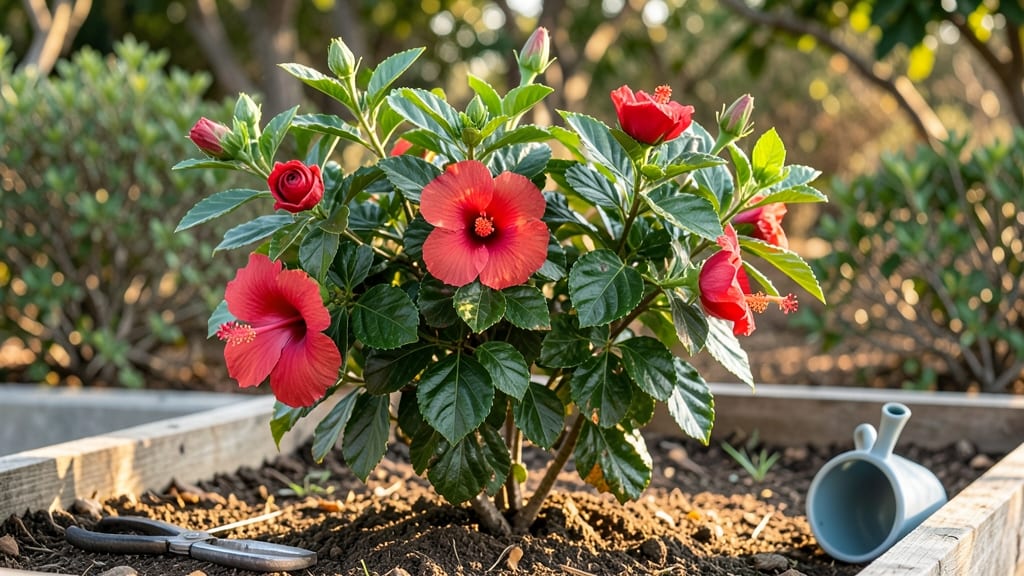
Your hibiscus plant’s flowering season can transform from a brief summer burst into a lush, year-round parade with just three clever tweaks.
I’ve watched my own hibiscus go from a single burst of blooms to nonstop color, and the secret isn’t complicated: it’s about understanding how light, temperature, and pruning work together. The biggest myth? That hibiscus only bloom once a year.
In reality, they’re eager to keep flowering if given the right cues.
Here’s the thing—tropical hibiscus thrive in heat and humidity, while hardy varieties need cooler winters to reset. My tropical hibiscus in Florida blooms nearly year-round, while my hardy hibiscus in Zone 6 gets a winter break before spring’s big show.
The key is matching your care routine to your climate: more shelter in cold zones, extra water in hot ones, and consistent feeding to keep energy flowing to those bold blooms.
By the end of summer, you’ll see clusters of fresh flowers opening every few weeks, not just a single peak. The blooms stay vibrant longer, the foliage stays lush, and you’ll actually have cut flowers to enjoy indoors.
The best part? These tricks work for both patio pots and in-ground plants—no fancy equipment needed.
We’ll break down the exact timing for your zone, plus how to troubleshoot if blooms slow down. Whether you’re in a warm coastal area or a chilly inland spot, this system adapts. Let’s get those hibiscus flowering like they mean it.
📚 In This Guide
- What you need
- Instructions
- Tips and common mistakes
- Wrapping up and next steps
What you need
- ● Hibiscus plant (choose a variety like Hibiscus rosa-sinensis or Hibiscus syriacus for best results).
- ● Well-draining potting mix (10-15 lbs for pots, or amend garden soil with compost if planting outdoors).
- ● Balanced fertilizer (10-10-10 or 20-20-20, 1 lb per plant).
- ○ Slow-release fertilizer granules (optional but helpful for steady nutrition, ½ cup per plant).
- ● Pruning shears (sharp, sterilized tools to trim dead or overgrown branches).
- ● Watering can or hose with a gentle spray nozzle (hibiscus loves hydration but hates soggy roots!).
- ● Mulch (2-3 inches of organic mulch like bark or straw to retain moisture and regulate soil temp).
- ● Support stake or trellis (for larger varieties, 1-2 stakes per plant).
- ● Sunlight access: 6+ hours of direct sunlight daily (south or west-facing spots are ideal).
- ● Temperature range: Hibiscus thrives in 60–80°F (15–27°C); protect from frost or extreme heat.
- ● Humidity: Aim for 50-70% humidity (mist leaves or use a humidifier in dry climates).
- ● Watering routine: Keep soil consistently moist but never waterlogged (check soil moisture 1-2 inches deep).
- ● Epsom salt (1 tbsp per gallon of water, monthly for magnesium boost).
- ● Citric acid or vinegar (dissolve 1 tbsp in 1 gallon of water to lower soil pH if needed).
- ● Grow lights (for indoor plants in low-light areas, 12-14 hours/day).
- ● Flowering stimulants (like bloom boosters or seaweed extract for extra encouragement).
How to extend your hibiscus flowering season with simple care
Here's the straightforward approach I use to keep my hibiscus blooming like clockwork—no complicated schedules or mystery fertilizers.
Master the Light Requirements for Continuous Blooms
Hibiscus craves 6-8 hours of direct sunlight daily, but too much scorching afternoon sun can stress the plant. I place mine in a spot where they get morning sun and afternoon shade—think east-facing window or a patio with dappled afternoon light. If you notice leaves turning yellow or crispy edges, that's a sign of too much sun.
For indoor hibiscus, supplement with a grow light positioned 12-18 inches away for 12-14 hours daily. You'll see the difference in just a week—leaves stay deep green, and buds form more quickly. If your plant stretches toward the light, it's not getting enough intensity. Move it closer or upgrade to a brighter bulb.
Water Deeply and Consistently to Encourage Blooming
Hibiscus roots need moist but never soggy soil. I water when the top 2 inches of soil feel dry to the touch, which is usually every 2-3 days in summer and 4-5 days in winter. The key is deep watering—soak the soil until water runs out the drainage holes, then let excess drain completely. Yellowing leaves often mean overwatering, while drooping leaves signal thirst.
Use room-temperature water to avoid shocking the roots. I always water in the morning so any excess moisture evaporates during the day. Mulch the soil surface with 1-2 inches of organic mulch to retain moisture and keep roots cool. This small step cuts down on watering frequency by nearly half.
Feed and Prune for Nonstop Flower Production
Use a balanced liquid fertilizer (10-10-10 or 20-20-20) every 2-4 weeks during the growing season. I dilute it to half-strength to avoid burning the roots—hibiscus are heavy feeders but hate fertilizer burns. When you see new growth, that's your cue to fertilize again. In winter, cut back to monthly feedings or stop entirely if growth slows.
Prune spent blooms by cutting the stem just above a leaf node where new buds form. This encourages more flowers to develop. I also trim leggy stems in early spring to promote bushier growth. Always use clean, sharp pruners to avoid tearing the stems. You'll notice buds forming within 2-3 weeks of pruning if the plant is healthy.
Control Temperature for Extended Blooming
Hibiscus thrive in 65-85°F temperatures. If your home dips below 55°F at night, move potted plants indoors or provide a grow light and space heater to maintain warmth. Cold drafts or sudden temperature drops cause buds to drop before opening. In winter, keep hibiscus away from cold windows or exterior doors.
For outdoor hibiscus in colder climates, bring potted plants indoors before temperatures fall below 50°F. If you must leave them outside, choose a hardy variety like Hibiscus syriacus and mulch heavily. You'll know the plant is stressed if leaves turn purple or drop prematurely—adjust care immediately to restore balance.
Tips & tricks for year-round hibiscus blooms
These simple tricks will help you keep your hibiscus flowering beautifully all year—without the guesswork.
Light Strategy for Indoor Plants: If you're using a grow light for your indoor hibiscus, rotate the plant quarter-turn daily to ensure even growth. Uneven light exposure causes lopsided growth and fewer blooms. I place mine near a south-facing window during winter months to supplement the grow light, which gives that extra boost of natural sunlight. The 12-14 hours of light you provide should be consistent—use a timer for your grow light to maintain this schedule automatically.
Watering Secret: The top 2 inches of soil test is foolproof, but I've found that checking soil moisture at the same time each day creates a habit. Use a moisture meter for precision—aim for 40-50% moisture in the root zone. In summer, I water every 2 days but always check first, while winter's 4-5 day interval works because the plant's growth slows naturally. Overwatering is the #1 killer of hibiscus blooms, so when in doubt, wait one more day.
Fertilizer Timing: When you see new growth after pruning, that's your perfect cue to fertilize again. I've found that 3-4 weeks between feedings during peak growing season (spring-fall) works best. For winter care, I switch to a low-nitrogen fertilizer (like 5-10-10) diluted to half-strength to prevent root burn. The key is consistency—never fertilize stressed plants or when soil is dry.
Pruning Technique: When pruning spent blooms, always make your cut just above a leaf node at a 45-degree angle. This angle helps water run off the cut and prevents rot. I also prune leggy stems back to a healthy leaf node rather than cutting all the way to the base—this encourages bushier growth and more blooms. Sterilize your pruners with rubbing alcohol between cuts to prevent disease spread.
Pro Tips for Hibiscus Plant Flowering Season
- These simple tricks will help you keep your hibiscus flowering beautifully all year—without the guesswork.
- Light Strategy for Indoor Plants: If you're using a grow light for your indoor hibiscus, rotate the plant quarter-tur...
- Watering Secret: The top 2 inches of soil test is foolproof, but I've found that checking soil moisture at the same t...
Frequently asked questions
Got questions about timing, care, or troubleshooting your hibiscus blooms? Here are some of the most common queries—and their answers—to help you keep those vibrant flowers in full swing!
When is the best time to plant hibiscus for year-round blooms?
For Hibiscus rosa-sinensis, plant in spring or early summer after the last frost (zones 9-11 can grow them year-round). In cooler climates, treat them as tender perennials—bring potted plants indoors before winter. If planting in fall, choose a hardy variety like Hibiscus syriacus (rose of Sharon) for better cold tolerance.
Why isn’t my hibiscus flowering, even though it’s summer?
Hibiscus needs full sun (6+ hours/day), balanced fertilizer (high in phosphorus), and regular pruning to encourage blooms. Check for these common culprits:
- Overwatering (root rot kills blooms!)
- Nutrient deficiency (use a bloom booster like 5-10-10 fertilizer)
- Lack of pruning (trim leggy growth in early spring)
- Stress (sudden temperature drops or pests like aphids)
Can hibiscus bloom indoors year-round, and how?
Yes! Place your hibiscus near a south-facing window (6+ hours of sunlight) or use a grow light for 12–14 hours/day. Keep humidity high (mist leaves or use a pebble tray) and maintain 65–80°F temps. Feed with half-strength bloom fertilizer every 2 weeks in spring/summer, and reduce to monthly in fall/winter. Prune lightly after blooms fade to shape the plant.
What’s the easiest hibiscus variety for beginners?
Start with Hibiscus rosa-sinensis ‘Dwarf Red’ (compact, 3–4 ft tall) or ‘Lady Baltimore’ (hardy to zone 7, great for containers). These varieties are low-maintenance, disease-resistant, and thrive in pots or garden beds. Avoid tropical hybrids like Hibiscus schizopetalus (they’re fussy and need greenhouse conditions).
How do I revive a hibiscus that’s stopped blooming and looks sad?
Follow this 3-step rescue plan:
Step
Action
1⃣ Prune
Cut back 1/3 of the plant to encourage new growth. Use sterilized shears and trim just above a leaf node.
2⃣ Repot & Refresh Soil
Move to a larger pot with well-draining soil (mix potting soil with perlite). Add compost or worm castings for nutrients.
3⃣ Adjust Care
Water only when the top 1–2 inches of soil are dry. Move to a sunnier spot and fertilize with bloom-specific food.
Wrapping up and next steps
Watching your hibiscus plant burst into vibrant blooms year-round is a rewarding experience—one that’s totally within reach with the right care! 🌸 By mastering light, water, and pruning, you’ll unlock a cascade of colorful flowers that brighten any space.
Don’t let challenges like pests or seasonal shifts discourage you; even small tweaks can make a big difference.
Ready to turn your green thumb into a hibiscus champion? Start by monitoring your plant’s health weekly—adjust care routines as needed, and soon, you’ll be the envy of every gardener with a thriving, blooming beauty! 🌿✨