Planting
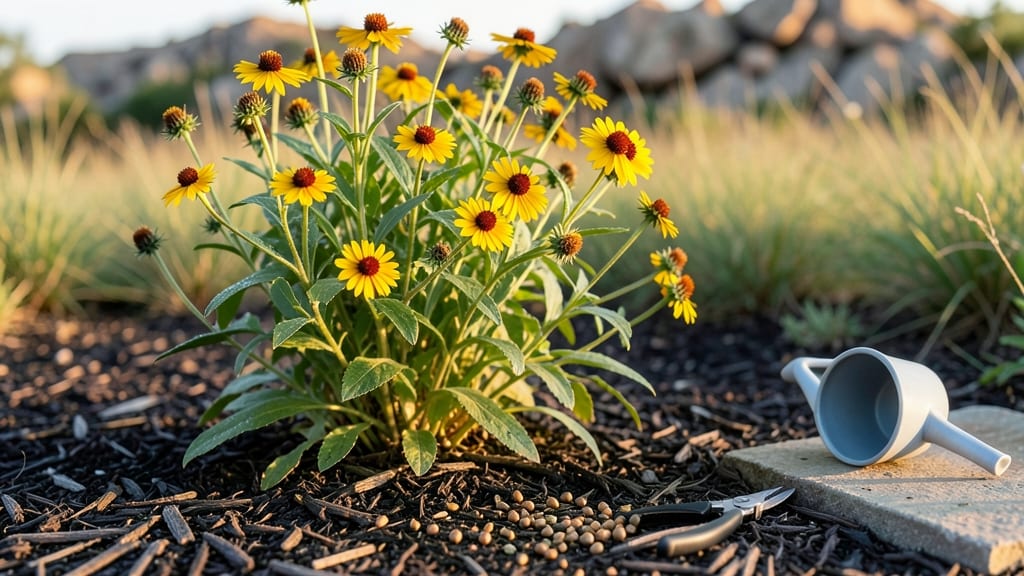
Planting wildflowers in Colorado transforms dry slopes into vibrant tapestries that hum with pollinators. ✨ I spent years watching my high-desert meadows stay barren until I discovered the right native seeds—now my yard bursts with color from spring through fall, even at 7,000 feet.
The secret lies in choosing drought-tolerant species that thrive in Colorado's thin air and unpredictable moisture.
Start with well-draining soil—amend heavy clay with compost—and plant between mid-August and early October to avoid summer drought stress. Native mixes like Colorado blue columbine, blanketflower, and penstemon need minimal care once established, while yarrow and purple coneflower handle our rocky soil like pros.
A 30-minute prep of loosening soil and scattering seeds ensures strong starts.
After planting, water deeply once a week for the first month, then taper to every two weeks once sprouts appear. Within 6-8 weeks, you'll see delicate stems pushing through, and by next summer, your meadow will attract bees, butterflies, and hummingbirds that commercial flowers can't. The best part?
These blooms return year after year with almost no effort.
Works at any elevation—from Front Range foothills to Western Slope valleys—just adjust watering based on snowmelt patterns. Let’s get those seeds in the ground before the first frost locks them out for another season!
📚 In This Guide
- What you need
- Instructions
- Tips and common mistakes
- Wrapping up and next steps
What you need
- ● Wildflower seeds: Choose Colorado-native varieties like Blue Flax (Linum lewisii), Blanket Flower (Gaillardia aristata), or Prairie Coneflower (Ratibida columnifera). Buy 1–2 lbs per 100 sq ft for full coverage.
- ● Well-draining soil: Amend clay-heavy soil with compost or sand (aim for 6–8 inches of organic matter per sq ft). Test pH—most wildflowers prefer 6.0–7.5.
- ● Water source: A hose or drip irrigation system for consistent moisture (critical for the first 2–4 weeks post-planting).
- ● Sunlight: Ensure full sun (6+ hours/day)—most Colorado wildflowers thrive in open, sunny spots.
- ○ Mulch (optional but helpful): Use straw or wood chips (1–2 inches) to retain moisture and suppress weeds.
- ● Garden rake (for leveling soil)
- ● Hand trowel or broadcast spreader (for even seed distribution)
- ● Gloves (to protect hands from prickly stems or dry soil)
- ● Watering can or sprinkler (for gentle, even watering)
- ○ String & stakes (optional)—mark planting zones if seeding large areas.
Step-by-step guide to planting wildflowers in Colorado’s high-altitude climate
Colorado’s unique high-altitude conditions demand a tailored approach—here’s how to establish hardy wildflower meadows that defy seasonal challenges.
🌱 Step 1: Prepare the Soil for Drought-Resistant Growth
Wildflowers thrive in lean, well-drained soil, so avoid amending with rich compost—it encourages weak, floppy stems. Instead, rake the area to break up compacted topsoil down to 4-6 inches deep, creating a loose, airy seedbed. Colorado’s alkaline soils often need a boost, so sprinkle 1-2 pounds of sulfur per 100 square feet and till it in if your soil pH tests above 7.5 (most wildflowers prefer 6.0-7.0).
I like to work on a dry day when the ground is slightly damp but not muddy—this prevents clumping. For rocky or clay-heavy sites, mix in 10% coarse sand to improve drainage. The goal is soil that crumbles easily between your fingers, not sticks together like wet clay.
☀️ Step 2: Choose Native Seed Mixes for Altitude and Moisture Zones
Skip generic wildflower blends—Colorado’s 5,000- to 10,000-foot elevations demand region-specific species. Opt for mixes labeled "Front Range" or "Rocky Mountain" that include blue flax, blanket flower, and penstemon, which tolerate low humidity and intense sun. For wetter areas near streams, select lupine and columbine instead.
Scatter seeds no thicker than 1 pound per 1,000 square feet—overcrowding leads to weak, short-lived blooms. I use a seed spreader for even coverage, then lightly rake to bury seeds ¼ inch deep (no deeper, or they won’t germinate). Mark planting dates on your calendar: late August to early September is ideal for fall germination, or mid-April for spring planting.
💧 Step 3: Water Strategically to Encourage Deep Root Systems
Wildflowers hate soggy soil, so water deeply but infrequently. After sowing, keep the area moist for 2-3 weeks (about ¼ inch of water per week), then taper to once every 10-14 days once seedlings emerge. Use a soaker hose to deliver water at the base—overhead sprinklers can wash seeds away or cause fungal issues.
Here’s the thing—don’t water once established. Colorado’s native wildflowers evolved to survive on 10-15 inches of annual rainfall or less. Overwatering in summer produces lush foliage but weak stems that flop in the first wind. You’ll know you’re doing it right when seedlings show deep green leaves and no wilting after a week without rain.
✂️ Step 4: Maintain Without Over-Managing
Skip the mower until late fall—let seeds mature and disperse naturally. In early spring, cut back dead growth to 3-4 inches tall to encourage fresh foliage. Avoid fertilizing: wildflowers rely on low-nutrient soils to stay tough. If weeds take over, hand-pull them before they flower (they’ll outcompete your wildflowers for light and water).
For perennial varieties, divide clumps every 3-4 years in early spring. Dig up sections with a hand fork, separate the roots, and replant in fresh soil. This prevents overcrowding and keeps blooms vibrant. Watch for cheatgrass or Russian thistle—these invasive annuals can smother wildflowers if left unchecked.
🌿 Step 5: Extend the Season with Succession Planting
Colorado’s short growing season means layering bloom times for year-round color. Plant early bloomers like lupine (March-April) and late-season stalwarts like goldenrod (August-October) in the same area. I stagger sowings by 2-3 weeks in spring to create a continuous display from May through September.
Mulch lightly with ½ inch of straw in winter to insulate roots, but avoid thick layers—wildflowers need cold stratification to break dormancy. Remove mulch in early spring before new growth appears. This simple step ensures stronger stems and longer vase life for cut flowers.
Tips & tricks for perfect high-altitude wildflower planting
Colorado's thin air and dramatic seasonal shifts make wildflower gardening an art—not a science. Here's what I've learned after planting dozens of meadows across the Front Range that actually thrive.
Soil Prep Secret: That 4-6 inch deep rake isn't just about loosening soil—it's about creating an oxygen-rich zone where roots can establish quickly. I've found that adding 10% coarse sand to clay-heavy soils makes all the difference for drainage. Think of it like building a foundation: you wouldn't pour concrete on bedrock, and you shouldn't plant wildflowers in compacted clay. For rocky sites, consider using a broadfork to loosen soil without removing rocks—it creates pockets for roots to explore.
Seed Selection Strategy: When choosing your Front Range or Rocky Mountain mixes, pay special attention to the bloom times listed. I like to create "layers" by planting lupine (March-April) and goldenrod (August-October) together—they'll give you continuous color from early spring through fall. Pro tip: If you're planting near streams, look for mixes that specifically mention wetland-tolerant species like columbine—they won't survive in dry conditions.
Watering Wisdom: The 2-3 week moist period after sowing is critical, but here's what nobody tells you: use a rain gauge to measure your watering. That ¼ inch per week guideline translates to about 10 minutes with a soaker hose on medium setting. Overhead sprinklers? Forget it—they create mud puddles that can suffocate seeds. I've seen entire seedings fail because of this one mistake. After the initial watering period, resist the urge to water again—those wildflowers are tougher than you think.
Maintenance Mindset: That 3-4 inch spring trim isn't about aesthetics—it's about encouraging new growth from the base. I've seen gardeners cut too low and accidentally remove next year's flower buds. Think of it like giving your wildflowers a haircut: you want to leave enough stem to protect the crown but not so much that it shades out new shoots. And when dividing perennials every 3-4 years, time it with the new moon for best results—it's an old gardener's trick that actually works.
Pro Tips for Planting Wildflowers In Colorado
- Colorado's thin air and dramatic seasonal shifts make wildflower gardening an art—not a science. Here's what I've lea...
- Soil Prep Secret: That 4-6 inch deep rake isn't just about loosening soil—it's about creating an oxygen-rich zone whe...
- Seed Selection Strategy: When choosing your Front Range or Rocky Mountain mixes, pay special attention to the bloom t...
Frequently asked questions
Got questions about planting wildflowers in Colorado? You’re not alone!
Here are answers to the most common queries—from timing to troubleshooting—to help you grow a vibrant, high-altitude meadow with confidence.
When is the best time to plant wildflowers in Colorado?
The ideal window is late summer to early fall (August–September) for spring blooms, or early spring (March–April) for fall/winter color. Seeds germinate best when soil temps are cool (50–70°F), avoiding summer heat stress. For high-altitude zones (6,000+ ft), aim for late August–September to let seeds establish before winter.
How much water do wildflowers need in Colorado’s dry climate?
Wildflowers are drought-tolerant but need consistent moisture for the first 2–3 weeks after planting. Water deeply 2–3 times per week (1–1.5 inches total) until seedlings sprout. After establishment, reduce to once weekly or rely on natural rainfall. Mulch lightly with straw to retain moisture and suppress weeds.
Can I plant wildflowers in shady areas of Colorado?
Most Colorado wildflowers thrive in full sun (6+ hours/day), but shade-tolerant varieties like blue flax, shooting stars, or alpine penstemon can handle partial shade (3–6 hours of sun). Avoid deep shade (e.g., under dense trees)—these spots often stay too damp, leading to rot. Test your site: If sunlight hits for even 3 hours, wildflowers may still succeed!
Will wildflowers attract pests like deer or rabbits?
Wildflowers do attract pollinators (bees, butterflies—great!) but can also tempt deer or rabbits, especially in early spring. Protect seedlings with chicken wire or fencing until established (3–4 inches tall). Deer-resistant mixes (e.g., lupine, blanket flower, or yarrow) are better choices for high-risk areas.
What if my wildflowers don’t grow back after the first year?
Don’t panic! Many wildflowers are perennials but take 2–3 years to fully establish. Check for:
- Poor soil: Amend with compost or a slow-release fertilizer.
- Overcrowding: Thin seedlings to 6–12 inches apart.
- Drought stress: Water deeply during dry spells.
- Seed viability: Test a small patch with fresh seeds.
Wrapping up and next steps
Planting wildflowers in Colorado isn’t just about adding beauty to your landscape—it’s a celebration of resilience and harmony with nature. 🌸 Whether you’re restoring pollinator habitats, boosting biodiversity, or simply enjoying vibrant blooms year-round, these high-altitude flowers are your perfect partners.
Start small, experiment with native varieties, and watch your space transform into a thriving ecosystem!
Your next step? Grab your seeds, mark your calendar, and dive in—your pollinators (and future garden) will thank you! 🌿