
Propagation
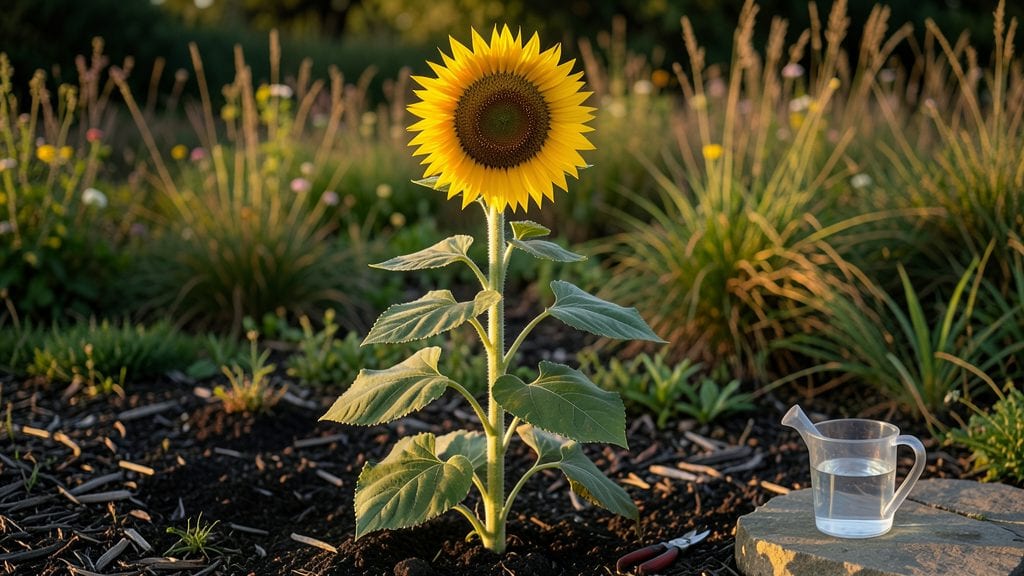
Growing American Giant Hybrid sunflower seeds means your yard will soon host the tallest, most dramatic blooms in the neighborhood—some reaching 12 feet by late summer. 🌻 I still remember the first time I watched one shoot up past my garage door in just three weeks, its dark green leaves unfurling like nature’s own skyscraper.
These aren’t your average sunflowers; they’re the kind that make kids stop and point, neighbors take photos, and even skeptical gardeners admit, “Okay, that’s impressive.”
The secret to their success starts with well-drained soil and a sunny spot that gets at least 6-8 hours of light daily—they’ll tolerate a little less, but why settle for anything less than towering?
Plant the seeds 1-2 inches deep and 6-12 inches apart in rows spaced 3 feet apart to give those massive stems room to grow without flopping.
The first sprouts appear in 7-10 days, and once they’re 6 inches tall, a little side-dressing of balanced fertilizer (10-10-10) keeps them fueled for their rapid ascent.
By mid-summer, you’ll be rewarded with 8-10 inch blooms that turn heads—and hummingbirds—everywhere. The maintenance is minimal: deep watering 2-3 times a week (they hate soggy feet) and occasional staking for windy areas.
Even pests like to leave these giants alone, though you might spot the occasional beetle; a quick spray of neem oil keeps them in check without harming pollinators.
These sunflowers thrive from late spring to early summer, but if you live in a warmer climate, a fall planting (6-8 weeks before first frost) gives you a second show. The best part?
They self-seed like crazy, so you’ll have volunteer sunflowers popping up for years to come. Ready to grow something that says “I mean business”? Let’s get those seeds in the ground.
📚 In This Guide
- What you need
- Instructions
- Tips and common mistakes
- Wrapping up and next steps
What you need
- ● American Giant Hybrid Sunflower Seeds: 5–10 seeds (or more, depending on space). Opt for heirloom or organic seeds for best results.
- ● Large pots (12"–18" diameter) or garden beds: Ensure pots have drainage holes. For direct sowing, choose a sunny spot with well-draining soil (6"–8" deep).
- ● High-quality potting mix or garden soil: Mix with compost (20–30%) for nutrient-rich growth.
- ● Watering can or hose with a gentle nozzle: Sunflowers need 1–2 inches of water weekly (more during dry spells).
- ○ Fertilizer (optional but recommended): Balanced 10-10-10 fertilizer (1 tbsp per plant at planting).
- ● Or compost tea for organic growth.
- ● Stakes or cages (8–10 ft tall):strong>: Sunflowers can grow 10–14 feet tall—stakes prevent toppling!
- ○ Gloves (optional): Protects hands from prickly stems and seeds.
- ● Mulch (straw or wood chips): Retains moisture and suppresses weeds.
- ● Sunflower-specific food (e.g., Miracle-Gro Sunflower Food): Boosts growth during flowering.
- ● Seedling heat mat (if starting indoors): Keeps soil warm (70–75°F) for faster germination.
- ● Bird netting: Protects seeds from hungry critters!
Step-by-Step guide to growing American Giant Hybrid sunflowers
Here's how to cultivate these towering beauties from seed to sun-soaked giants in your garden.
🌱 Step 1: Prepare the Planting Site for Maximum Growth
Choose a location with full sun exposure (6-8 hours daily) and well-draining soil. American Giant hybrids need space—plant each seedling 2-3 feet apart in rows 3-4 feet apart to accommodate their massive root systems. I like to till the soil 8-12 inches deep to loosen roots and improve drainage, especially in clay-heavy areas.
Test your soil's pH—these giants thrive in slightly acidic to neutral soil (pH 6.0-7.0). If your soil is too alkaline, mix in 2-3 inches of compost or peat moss to lower the pH naturally. The key is giving those deep roots room to establish before the 90-day growth sprint begins.
🌱 Step 2: Sow Seeds at the Right Depth and Time
Wait until all danger of frost has passed and soil temperatures reach 55°F or warmer—typically late spring in most climates. Plant seeds 1 inch deep in small hills of soil, spacing them 6 inches apart initially. You'll thin later, but this spacing prevents overcrowding during early growth.
Here's the thing—these seeds germinate best in warm soil. I like to pre-warm the soil by covering it with black plastic for 1-2 weeks before planting. Once planted, water gently but deeply to settle the soil around the seeds. Keep the planting area consistently moist until germination, which typically occurs in 7-14 days.
☀️ Step 3: Provide Support and Monitor Growth
As seedlings reach 12-18 inches tall, they'll need staking. I recommend using 8-foot bamboo stakes or metal garden stakes inserted 6 inches deep beside each plant. Tie stems loosely with soft plant ties or strips of old fabric—tight ties will restrict growth as the stems thicken.
Watch for the first true leaves (the second set after the initial cotyledons). This is when you can thin seedlings to your final spacing of 2-3 feet apart. Use sharp scissors to cut unwanted plants at soil level—pulling risks disturbing roots of nearby survivors. Fertilize lightly with a balanced 10-10-10 formula when plants reach 2 feet tall to support their rapid vertical growth.
💧 Step 4: Maintain Consistent Watering and Pest Control
American Giants are drought-tolerant once established, but consistent moisture is critical during their first 30 days. Water deeply 1-2 times per week, aiming for 1-2 inches of water per week. The key is keeping the soil evenly moist—not soggy. You'll see wilting in hot afternoons, but the plants should recover by evening if moisture is adequate.
Watch for common pests like aphids and sunflower moths. I spray plants with a neem oil solution (1 tbsp per gallon of water) at the first sign of infestation. For larger pests like squirrels, wrap the base of the stem with chicken wire—they're notorious for digging up newly planted seeds.
✂️ Step 5: Harvest and Preserve the Stunning Blooms
These sunflowers reach their full 10-12 foot height in about 90 days. Harvest blooms when the petals begin to fade but before they fully brown—this ensures maximum vase life. Cut stems at a 45-degree angle just above a leaf node to encourage water uptake.
For seed collection, leave some heads on the stalk until they turn completely brown and the back of the head turns yellow. Cut the head, hang it upside down in a dry, well-ventilated area, and let the seeds mature fully. Remove seeds from the head, clean them, and store in a cool, dark place for next year's planting. The sheer size of these blooms makes every step worthwhile—just be prepared for neighbors asking where you got your "giant sunflowers."
Tips & tricks for growing American Giant Hybrid sunflowers
Here's what I've learned from years of growing these sunflower giants—details that make all the difference between average blooms and show-stopping sunflowers.
Soil Preparation Secret: The deep tilling in Step 1 isn't just about drainage—it's about creating a "root highway" for those massive American Giants. I go an extra step and mix in 2 pounds of bone meal per 100 square feet during tilling. This gives those deep roots an early phosphorus boost for that explosive 90-day growth. The key is working the bone meal into the bottom 6 inches of soil where the roots will establish first.
Germination Boost: Don't skip the black plastic pre-warming in Step 2 if your spring is chilly. I've had seeds take 21 days to germinate when planted in cool soil (below 55°F). For faster results, use a seedling heat mat under the black plastic for the final 3-5 days before planting. This shaves 3-5 days off germination time—critical when you're racing against that 90-day growth window.
Staking Strategy: When you reach Step 3 and stake your plants, here's my pro move: bury the 8-foot stakes at a 15-degree angle rather than straight up. This creates a natural "lean" that helps the plant grow taller more efficiently. I also tie the stems to the stakes using old T-shirts cut into strips—they're softer than commercial ties and won't cut into the thickening stems as the plant grows.
Watering Wisdom: The 1-2 inches per week guideline in Step 4 works perfectly, but here's the trick: water in the early morning between 6-8 AM when evaporation is lowest. I use soaker hoses buried 2 inches deep to deliver water directly to the roots, preventing fungal issues on the massive leaves. This method also keeps the soil consistently moist without the risk of overwatering that comes with overhead sprinklers.
Pro Tips for American Giant Hybrid Sunflower Seeds
- Here's what I've learned from years of growing these sunflower giants—details that make all the difference between average blooms and show-stopping sunflowers.
- Soil Preparation Secret: The deep tilling in Step 1 isn't just about drainage—it's about creating a "root highway" for those massive American Giants.
- Germination Boost: Don't skip the black plastic pre-warming in Step 2 if your spring is chilly.
Frequently asked questions
Got questions about growing American Giant Hybrid sunflower seeds?
You’re not alone! These towering beauties are easy to love but sometimes tricky to master. Below, we’ve answered the most common questions to help you grow sunflowers that’ll make your neighbors green with envy.
How tall will my American Giant Hybrid sunflowers really grow?
The American Giant Hybrid is famous for its height—expect stems to reach 12 to 16 feet (or even taller with ideal conditions!). However, growth depends on soil quality, sunlight (6+ hours daily), and water. Stake or cage your plants early to prevent flopping under their own weight!
When is the best time to plant these seeds for maximum height?
For American Giant Hybrids, plant seeds 2–3 weeks after your last frost date when soil temps hit 50°F (10°C). In warm climates, direct sow in late winter or early spring. Pro tip: Soak seeds overnight before planting to kickstart germination!
How often should I water my giant sunflowers?
Water deeply 2–3 times per week (more in extreme heat), ensuring the soil stays moist but not soggy. American Giants have deep roots—aim for 1–2 inches of water per week. Mulch around the base to retain moisture and keep weeds at bay. Overwatering = root rot, so balance is key!
What should I do if my sunflowers stop growing or the stems turn yellow?
Yellowing stems or stunted growth often signal overwatering, poor drainage, or nutrient deficiency. Check for:
- Root rot: Let soil dry slightly between waterings.
- Nutrient deficiency: Add a balanced fertilizer (like 10-10-10) at planting and mid-season.
- Pests: Inspect for aphids or beetles—spray with neem oil if needed.
If the issue persists, transplant to a sunnier spot with richer soil.
Can I grow American Giant sunflowers in containers, or do they need a garden bed?
While American Giants thrive in deep garden beds, you can grow them in containers—if you choose the right setup! Use a 5-gallon pot or larger with drainage holes and fill it with nutrient-rich soil. Place the container in full sun and stake it for support. Note: Container-grown sunflowers may max out at 8–10 feet tall.
How do I harvest seeds from my giant sunflowers?
Wait until the flower heads turn brown and the back turns yellow (usually late summer/fall). Cut the head, hang it upside down in a dry, dark place for 2–3 weeks, then rub the dried head to release seeds. Store seeds in a cool, dry spot for next year’s planting!
Wrapping up and next steps
Growing American Giant Hybrid sunflower seeds is a rewarding adventure that brings towering beauty to your garden in just 90 days! 🌻 These sunflowers aren’t just stunning—they’re easy to cultivate with the right prep, patience, and a little know-how.
Whether you’re a seasoned gardener or a curious beginner, their resilience and dramatic height make them a must-try for any outdoor space.
Ready to watch your garden transform? Start now—plant your seeds, track their progress, and soon you’ll be enjoying the satisfaction of a sunflower forest that’s as impressive as it is edible! 🌱✨