
Flowers
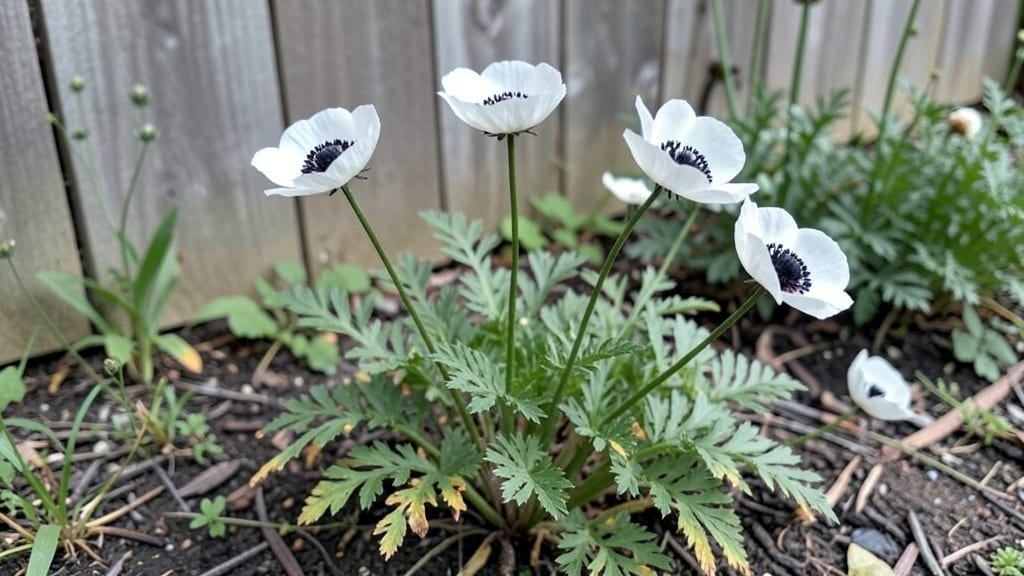
White anemone flowers bring dreamy elegance to gardens, thriving even after frost. 🌿 I’ve grown them for years, and their delicate blooms prove that beauty doesn’t require perfect conditions—just the right approach. These hardy perennials reward patience with late-season color, often blooming when other flowers have faded.
The secret to success lies in their love of cool weather and well-draining soil. Plant them in partial shade where summer heat won’t scorch their leaves, and they’ll reward you with fresh blooms from mid-to-late summer through fall.
Most varieties handle frost beautifully, making them perfect for gardeners in zones 3-9.
You’ll end up with lush clumps of glossy foliage topped by cup-shaped white blooms that nod gracefully in the breeze. The contrast against dark leaves or evergreens creates stunning visual impact, and their long vase life makes them a gardener’s favorite for cut arrangements too.
Whether you’re adding them to woodland gardens, cottage-style borders, or containers, white anemones adapt beautifully. Their low-maintenance nature and striking presence make them a must-have for gardeners who love effortless elegance with a touch of whimsy.
📚 In This Guide
- What you need
- Instructions
- Tips and common mistakes
- Wrapping up and next steps
What you need
- ● White anemone seeds, bulbs, or tubers: Seeds: 10–20 per pot (or 50+ for direct sowing in garden beds)
- ● Bulbs/tubers: 3–5 per planting hole (spaced 6–12 inches apart)
- ● Well-draining potting mix or garden soil: 5–10 gallons (amend with compost for nutrients)
- ● Organic mulch (e.g., straw or shredded bark): 2–3 inches (to retain moisture and insulate roots)
- ● Slow-release fertilizer (10-10-10 or balanced): 1–2 tablespoons per plant (spring and fall)
- ● Garden trowel or bulb planter
- ● Pruning shears (for deadheading and shaping)
- ● Watering can or hose with a gentle spray nozzle
- ○ Garden gloves (optional but recommended for bulb handling)
- ● Plant labels (to track varieties and planting dates)
- ● Cold frame or frost cloth: For extending the growing season in colder climates.
- ● Epsom salt (magnesium sulfate): 1 tablespoon per gallon of water (monthly foliar spray for vibrant blooms).
- ● Support stakes or rings: For taller varieties (e.g., Anemone hupehensis).
- ● Companion plants: Pair with heuchera, ferns, or hostas for a lush, woodland-style display.
Step-by-Step guide to growing white anemones with frost-resistant success
White anemones thrive in cool climates and bring delicate beauty to gardens—here’s how to grow them reliably.
🌱 Step 1: Choose the Right Planting Site and Soil
Anemones love partial shade but tolerate morning sun, especially in hotter regions. Pick a spot with dappled light—think under trees or near shrubs where they get 3-6 hours of morning sun and afternoon shade. Avoid harsh afternoon rays, which can scorch their delicate petals.
Amend your soil with 2-3 inches of compost before planting to improve drainage and fertility. Anemones hate soggy roots, so if your soil stays wet for long periods, raise the planting area with a mound or add perlite to loosen the mix. Aim for soil that feels like a damp sponge—it should hold moisture but not feel muddy.
🌱 Step 2: Plant Tubers at the Correct Depth and Spacing
White anemone tubers are small and firm, resembling a tiny potato. Plant them 2 inches deep in early fall or late winter, depending on your climate. If you’re in a colder zone, wait until the ground cools to 50°F before planting—this gives tubers time to establish roots before winter.
Space tubers 6-8 inches apart in rows, leaving 12 inches between rows for easy maintenance. I like to plant them in clusters of 3-4 for a natural, woodland look. Press the soil gently around each tuber but don’t compact it—anemones need loose soil to grow strong roots. Water lightly after planting to settle the soil.
☀️ Step 3: Water and Mulch for Frost Protection
After planting, water deeply but infrequently—anemones prefer moderate moisture and resent soggy conditions. Aim to water once a week unless it rains, giving them 1 inch of water per week. You’ll know they’re happy when the soil feels damp 2 inches below the surface.
Apply a 2-inch layer of mulch (like shredded leaves or straw) around the base of the plants in late fall. This protects tubers from freezing temperatures and keeps soil moisture steady. In winter, add an extra layer of mulch if your area gets harsh freezes—anemones can survive down to 10°F, but extra insulation ensures robust blooms the following spring.
✂️ Step 4: Deadhead and Fertilize for Continuous Blooms
Once flowers fade, deadhead them by snipping the spent blooms at the base with clean shears. This encourages the plant to redirect energy into producing more flowers instead of setting seed. I do this every 2-3 weeks during the blooming season, which typically runs from late spring to early fall.
Feed anemones lightly in early spring with a balanced 10-10-10 fertilizer or compost tea. Over-fertilizing leads to lush foliage but fewer flowers, so err on the side of caution. After the first flush of blooms, apply a low-phosphorus fertilizer (like 5-10-10) to promote more flowers without excessive leaf growth. Water deeply after fertilizing to help nutrients reach the roots.
🌿 Step 5: Divide and Maintain for Long-Term Health
Every 3-4 years, anemones benefit from division in early spring or fall. Dig up the clumps and separate the tubers, ensuring each new section has at least one healthy tuber and some roots. Replant the divisions immediately in fresh soil, watering them in well. This prevents overcrowding and rejuvenates blooms.
Watch for signs of stress, like yellowing leaves or wilting, which can signal overwatering or pests. Anemones are generally pest-resistant, but aphids occasionally appear. If you spot them, spray with a strong stream of water or use insecticidal soap. With proper care, your white anemones will reward you with years of elegant, frost-resistant blooms.
Tips & tricks for perfect white anemone blooms
These simple strategies will help your white anemones thrive and deliver stunning, frost-resistant blooms year after year.
Lighting Secret: When selecting your planting site, pay attention to how sunlight moves throughout the day. The 3-6 hours of morning sun mentioned in Step 1 should be gentle and diffused—think of it like planting under a canopy. If you're unsure, observe the area for a week before planting to track how sunlight shifts. This helps prevent accidental afternoon sun exposure which can damage delicate petals.
Soil Preparation Pro Tip: For that perfect "damp sponge" soil texture mentioned in Step 1, mix your 2-3 inches of compost with an equal amount of perlite or coarse sand. This creates ideal drainage while maintaining moisture retention. I like to test my soil mix by squeezing a handful—it should hold its shape but crumble easily when released. This prevents both waterlogging and dryness.
Planting Depth Visual: Remember those 2-inch deep tubers from Step 2? Here's a trick: use a pencil as your depth guide. Press the pencil into the soil until the eraser sits at ground level, then place your tuber at the pencil tip. This ensures consistent planting depth without guessing. Also, avoid pressing soil too firmly around tubers—think "gently patted" rather than compacted.
Frost Protection Hack: That 2-inch mulch layer from Step 3 is your winter ally, but here's how to maximize it: apply mulch after the first hard frost when soil temps drop below 50°F. For extra protection in zones below 10°F, add a layer of evergreen boughs or straw on top of your mulch—this creates an insulating blanket that preserves tuber health through winter.
Pro Tips for Anemone Flower White
- These simple strategies will help your white anemones thrive and deliver stunning, frost-resistant blooms year after year.
- Lighting Secret: When selecting your planting site, pay attention to how sunlight moves throughout the day.
- Soil Preparation Pro Tip: For that perfect "damp sponge" soil texture mentioned in Step 1, mix your 2-3 inches of compost with an equal amount of perlite or coarse sand.
Frequently asked questions
Got questions about growing white anemone flowers? You’re not alone! Here are answers to the most common queries to help you cultivate these frost-resistant beauties with confidence.
When is the best time to plant white anemones?
Plant Anemone nemorosa (wood anemone) in early autumn or late winter for optimal root establishment. If planting in spring, do so as soon as the soil is workable. For Anemone coronaria (garden anemone), plant tubers in fall or early spring—just avoid frost or extreme heat.
Are white anemones truly frost-resistant?
Yes! Most white anemones, like Anemone nemorosa, thrive in USDA Zones 3–8 and tolerate light frost. However, Anemone coronaria tubers may need winter mulch in colder climates (Zones 4–6). Always check your variety’s hardiness—some hybrids are even more resilient.
How do I keep white anemones blooming year-round?
For continuous blooms, stagger planting times (e.g., early spring + late summer) and choose varieties with different bloom seasons. Deadhead spent flowers to encourage reblooming, and fertilize lightly in early spring with a balanced 10-10-10 formula. Mulch in winter to protect roots.
Why aren’t my white anemones blooming?
Common culprits include:
- Too much shade: Ensure partial shade (4–6 hours of sun) for Anemone nemorosa; Anemone coronaria needs full sun.
- Over-fertilizing: Anemones prefer poor soil. Use compost instead of chemical fertilizers.
- Crowded roots: Divide clumps every 3–4 years in early spring.
- Pests: Slugs and snails love anemones—use beer traps or diatomaceous earth.
What are some white anemone alternatives for low-maintenance gardens?
If white anemones seem tricky, try these low-maintenance, frost-hardy alternatives:
- Snowdrops (Galanthus): Bloom in late winter, thrive in shade.
- Bleeding Heart (Dicentra spectabilis): Delicate foliage, partial shade lover.
- Lungwort (Pulmonaria): Early spring blooms, drought-tolerant once established.
- Crocuses (Crocus): First spring flowers, deer-resistant.
Pro Tip:
For showstopping white displays, pair anemones with heuchera (coral bells) or Helleborus (Lenten rose). Their contrasting textures create a garden-worthy contrast—even in winter!
Wrapping up and next steps
Growing white anemone flowers is a rewarding journey that brings frost-resistant beauty to your garden year after year. With the right soil, sunlight, and care, these elegant blooms will thrive, offering a touch of sophistication to any landscape. 🌸
Now that you’re equipped with the knowledge, take the next step—whether it’s planting your first anemones or expanding your garden with these resilient flowers. Your garden will thank you with stunning, long-lasting blooms that turn heads and brighten every season!