
Planting
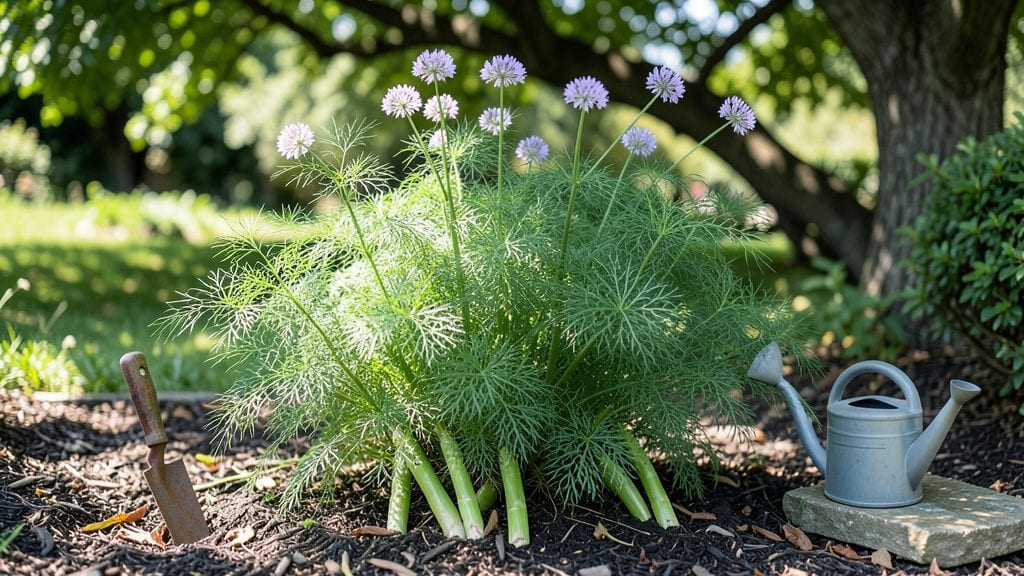
Those delicate asparagus plant flowers aren’t just pretty—they’re edible, fragrant, and a key to next year’s harvest. 🌱 I’ve learned the hard way that treating them right means more spears in spring, not fewer.
The first year I let them go wild, my asparagus crowns weakened, and my harvest shrank by half.
Flowering happens in late spring or early summer, when spears are done for the season. These feathery blooms need attention: prune them back to encourage crown growth, or let a few mature for pollination. The trade-off? Harvesting flowers reduces next year’s spears, but leaving them all can exhaust the plant.
You’ll end up with tender, slightly sweet buds perfect for fritters or salads, plus a stronger crown for years to come. The secret is balance—remove most flowers but leave a few to support pollinators and future growth. It’s a small effort for a double reward.
Works for home gardens, raised beds, or even container asparagus. Here’s how to get it right the first time—and avoid my mistakes.
📚 In This Guide
- What you need
- Instructions
- Tips and common mistakes
- Wrapping up and next steps
What you need
- ● Asparagus crowns (or seeds): 3–5 healthy crowns (for transplanting) or 2–3 packets of asparagus seeds (if starting from scratch). Choose Asparagus officinalis for best results.
- ● Well-draining soil: A mix of 60% topsoil, 30% compost, and 10% coarse sand or perlite (asparagus hates soggy roots!). Aim for a pH of 6.5–7.5.
- ● Fertilizer: Balanced granular fertilizer (e.g., 10-10-10) – 1 cup per 10 feet of row at planting.
- ● Organic compost (e.g., aged manure or worm castings) – 2–3 inches mixed into the soil.
- ● Mulch: 3–4 inches of straw or wood chips to retain moisture and suppress weeds.
- ● Garden trowel or spade – For digging trenches or planting holes (aim for 6–8 inches deep).
- ● Garden fork – To loosen soil and improve drainage.
- ● Measuring tape or ruler – Asparagus crowns need 12–18 inches of space between plants.
- ● Watering can or hose with a gentle nozzle – Asparagus loves 1–1.5 inches of water per week.
- ● Pruning shears – For trimming spears and deadheading spent flowers (to encourage more blooms!).
- ● Row covers or netting – Protects young plants from pests like asparagus beetles.
- ● Epsom salt – A ½ cup dissolved in a gallon of water (sprayed monthly) boosts magnesium for vibrant flowers.
- ● Trellis or stakes – Supports tall flower stalks (though asparagus is naturally sturdy).
- ● pH test kit – Ensures your soil stays in the ideal range for blooming.
How to harvest and use asparagus plant flowers
These delicate blooms are more than pretty—they’re a flavorful addition to salads and garnishes.
🌿 Step 1: Identify and Select Mature Flowers
Asparagus flowers appear in late spring, emerging as small, green buds that open into star-shaped blooms with 6 delicate petals. Wait until the buds are fully open but still tightly closed—they should feel firm to the touch, like a tightly wrapped bouquet. Harvest in the morning when moisture levels are highest, ensuring the petals stay crisp.
Gently twist each flower stem at the base rather than cutting it. This prevents damage to the fern-like foliage that’s still growing. If you see any buds with brown edges or wilted petals, skip them—they won’t taste as fresh. A single asparagus crown produces 4-6 flowers per season, so harvest selectively to encourage more blooms.
☀️ Step 2: Clean and Prepare for Use
Rinse the flowers gently under cool water to remove any dirt or debris, but avoid soaking them—they’ll absorb too much moisture and become soggy. Pat dry with a clean kitchen towel or paper towel, then separate the petals from the stem. The petals are the edible star of the show, but the tiny buds can also be used whole in dishes.
For best flavor, use the flowers within 24 hours of harvesting. Store them in a sealed container lined with a damp paper towel in the refrigerator. If you won’t use them immediately, you can blanch them for 30 seconds in boiling water, then plunge into ice water to preserve their color and texture for up to 5 days.
🍽️ Step 3: Incorporate into Dishes
Asparagus flowers have a mild, slightly sweet flavor with a hint of asparagus—perfect for brightening up salads, soups, and garnishes. Toss whole petals into mixed greens, goat cheese salads, or pasta dishes for a pop of color and texture. Their delicate nature makes them ideal for garnishing soups, risottos, or even cocktails like gin and tonics.
For a unique twist, lightly sauté the petals in butter for 30 seconds until just wilted, then sprinkle over scrambled eggs or mashed potatoes. You can also infuse simple syrups or vinegar with the flowers for homemade flavorings. Just remember, their flavor is subtle—use them as a highlight, not the main event.
✂️ Step 4: Encourage More Blooms Next Season
After harvesting, avoid cutting back the fern-like foliage until it turns yellow in late fall. This ensures the plant stores enough energy for next year’s growth. Water the crown deeply after harvesting flowers to help it recover, and apply a balanced fertilizer (like 10-10-10) in early spring to promote healthy regrowth.
If your asparagus plant is young (3 years old or less), prioritize spear production over flowers—harvesting blooms can temporarily reduce spear yield. Older plants, however, can handle flower harvesting without much impact. Mulch the base with 2-3 inches of compost to protect the crown and encourage robust flowering in future seasons.
Tips & tricks for perfect asparagus plant flower harvesting
A few simple tricks will help you get the most out of your asparagus blooms—both in flavor and future harvests.
Morning Harvest: The 24-hour freshness window starts when you pick, so harvest in the early morning when the flowers are at their crispest. This is when the petals are most firm and packed with flavor. I always check the buds first thing in the morning—if they're already wilting by noon, they're past their prime.
Harvest Technique: Twisting the stems instead of cutting prevents damage to the plant's energy stores. This is especially important for young plants (under 3 years old) that need all their resources for spear production. I learned this the hard way—my first year, I cut stems and noticed fewer flowers the following season!
Preservation Hack: That 30-second blanch is your secret weapon for extending freshness. The ice bath after boiling stops the cooking process instantly, locking in color and texture. I like to blanch a batch right after harvesting and store them in airtight containers—they stay fresh for up to 5 days, perfect for weekend cooking.
Seasonal Strategy: For older plants (3+ years), harvesting flowers actually encourages more blooms next season. Just make sure to leave at least 4-6 flowers per plant to maintain the crown's health. I mark my calendar to harvest in late spring when the buds are fully open but still tightly closed—that's when they're most flavorful.
Pro Tips for Asparagus Plant Flower
- A few simple tricks will help you get the most out of your asparagus blooms—both in flavor and future harvests.
- Morning Harvest: The 24-hour freshness window starts when you pick, so harvest in the early morning when the flowers are at their crispest.
- Harvest Technique: Twisting the stems instead of cutting prevents damage to the plant's energy stores.
Frequently asked questions
Got questions about asparagus flowers? You’re not alone!
Here are some of the most common queries—plus expert answers to help you grow, harvest, and enjoy these edible blooms like a pro.
Can I eat asparagus flowers, and how do I prepare them?
Asparagus flowers are edible and taste like a delicate mix of asparagus and artichoke. Pro tip: Blanch them in boiling water for 30 seconds to soften, then toss into salads, pasta, or frittatas. Avoid overcooking—they should stay crisp!
When is the best time to harvest asparagus flowers?
Harvest flowers when they’re fully open but still firm (about 2–3 inches wide). Early morning is ideal—this ensures peak flavor and texture. Never cut the stem below the flower; this preserves the plant for future harvests.
Why aren’t my asparagus plants flowering this year?
Asparagus flowers typically appear in years 2–3 after planting. If your plant is younger or stressed (overwatered/drought), delay flowering. Ensure full sun (6+ hours/day) and well-draining soil. Patience pays off—healthy plants reward you with blooms!
What’s a good substitute if I can’t find asparagus flowers?
Try artichoke hearts, squash blossoms, or daylily flowers (edible and similar in texture). For a budget-friendly option, broccoli florets work in a pinch—just blanch to mimic the tender crunch.
Will harvesting asparagus flowers hurt the plant?
Not if done right! Remove only the flowers (leave stems intact) to avoid weakening the plant. Overharvesting can reduce next year’s yield, so limit to 1–2 flowers per spear. Think of it as a sustainable snack—not a free-for-all!
Wrapping up and next steps
Growing asparagus plants with edible flowers is a rewarding way to elevate your garden—and your meals! 🌱 These delicate blooms aren’t just beautiful; they’re packed with flavor and versatility, perfect for adding a unique touch to salads, garnishes, or even cocktails.
Whether you’re a seasoned gardener or just starting, your asparagus plants are now ready to shine both in the soil and on your plate.
Ready to take the next step? Experiment with recipes featuring asparagus flowers—try them in a light vinaigrette, infused vinegar, or even as a stunning edible garnish. Happy growing, and may your harvest be as vibrant as your culinary adventures!