
Flowers
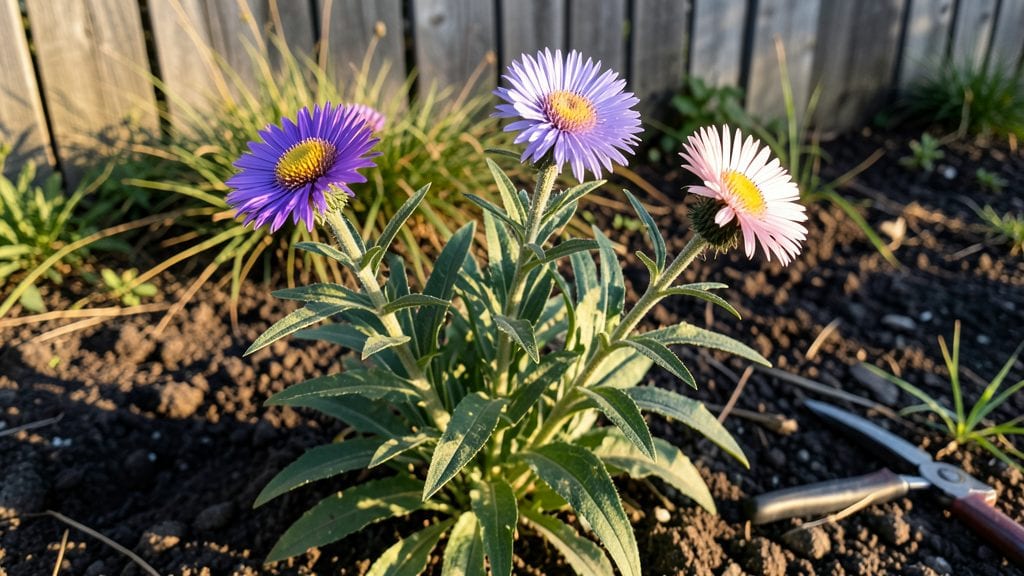
Aster flower colors transform late-season gardens into living watercolors—deep purples, soft pinks, and crisp whites that keep pollinators buzzing long after summer fades. 🌿 I've always loved how asters turn my garden into a painter's palette, especially when they bloom in crisp fall air.
The right color combinations can create drama, calm, or even whimsy in your outdoor space.
Mixing asters with complementary flowers like goldenrod or purple coneflowers creates stunning contrasts that last through frost. Cottage gardens thrive with lavender and white asters for a dreamy look, while modern landscapes shine with bold purples and deep blues.
The key is balancing hues—too much of one shade can overwhelm, but the right mix feels intentional and alive.
You'll end up with a garden that feels like a seasonal masterpiece, where every bloom tells a story. The colors draw bees, butterflies, and hummingbirds in droves, keeping your yard vibrant even as other flowers fade.
Start with just a few pots or a border—asters are adaptable and always deliver that wow factor.
Whether you're designing a themed garden or simply refreshing your fall color scheme, asters are the secret weapon. Their versatility makes them perfect for borders, focal points, or even container gardens on patios. Let's make your garden the talk of the neighborhood with these stunning shades!
📚 In This Guide
- What you need
- Instructions
- Tips and common mistakes
- Wrapping up and next steps
What you need
- ● Aster seeds or plants: Choose from varieties like ‘Patriot’ (red/white/blue), ‘Profusion’ (pink/purple), or ‘Wood’s Blue’ (10–50 seeds or 3–6 plants per square foot).
- ● Well-draining potting mix: 1–2 cubic feet (for containers) or 10–15 cubic yards (for in-ground planting). Use a blend with 50% compost for nutrient-rich soil.
- ● Containers or garden bed: Containers: 5–10 gallon pots with drainage holes (1–2 plants per 5-gallon pot).
- ● Garden beds: Full sun (6+ hours/day) with loose, fertile soil (pH 6.0–7.0).
- ● Watering can or hose: With a gentle spray nozzle for seedlings.
- ● Garden gloves (1 pair) – Protect your hands from thorns (some varieties) and soil.
- ● Hand trowel or transplant spade – For digging small holes (2–3” deep for seeds, 6–8” for plants).
- ● Pruning shears – To trim dead blooms and encourage regrowth.
- ○ Mulch (optional): 2–3 inches of shredded bark or straw to retain moisture and suppress weeds.
- ○ Slow-release fertilizer (10-10-10 or 5-10-5): 1–2 tablespoons per plant at planting time (optional but recommended for poor soil).
- ○ Pollinator-friendly companions (optional): Bee balm, coneflowers, or lavender to attract butterflies and bees.
- ● Marigolds to deter pests naturally.
How to choose and combine aster flower colors for maximum pollinator appeal
Here's how to select and arrange asters for a vibrant, pollinator-friendly display that thrives all season.
🌿 Step 1: Understand Aster Color Families and Their Pollinator Preferences
Asters come in three main color groups, each with different pollinator magnetism. Purple and violet varieties like 'Royal Ruby' attract bees and butterflies most aggressively, thanks to their ultraviolet patterns invisible to human eyes. These shades also repel deer better than lighter colors. I always include at least one deep purple variety in my pollinator gardens—it's the workhorse of the bunch.
Blue and lavender asters like 'Blue Bird' draw hummingbirds and syrphid flies, which mistake them for early spring blooms. These colors also pair beautifully with goldenrod and coneflowers. Avoid pastel blues—they blend too easily with the sky and become invisible to pollinators. White asters like 'White Lady' serve as "beacon flowers," helping guide bees to darker blooms when placed strategically.
☀️ Step 2: Plan Color Sequences for Continuous Bloom Time
Early-season asters like 'Patriot' (red/white) bloom in July, while late varieties such as 'Andenken an Alma Potschke' (deep purple) extend color into October. I arrange them in three-foot blocks by bloom time, creating a wave of color that never looks sparse. The secret is planting early bloomers in front with later varieties behind—this prevents the garden from looking "done" as seasons change.
For maximum impact, include at least three shades in each planting: one dark (purple), one medium (lavender), and one light (white). This tri-color approach mimics natural meadows and creates visual depth. You'll see pollinators moving continuously between blooms, never leaving empty spaces between color shifts.
🌱 Step 3: Create Pollinator Pathways Using Color Contrasts
Plant asters in 12-inch clusters with 18-inch spacing between clusters to form natural landing zones for pollinators. I alternate color groups every 3 feet—purple clusters, then blue, then white—to create visual "signposts" that guide bees and butterflies through the garden. The high contrast between dark and light shades makes these pathways obvious even from a distance.
Add 3-5 feet of open space between aster clusters and other plants. This prevents pollen from getting trapped in dense foliage and ensures pollinators can easily navigate. You'll notice more consistent pollinator activity when they can move freely between your asters and neighboring plants like coneflowers or black-eyed Susans.
💧 Step 4: Maintain Color Vibrancy Through Proper Watering and Deadheading
Water aster clusters at the base every 2-3 days until the top 2 inches of soil feel dry. Overhead watering washes away pollen, which is why I use a soaker hose—it keeps blooms clean and pollinators happy. The key is consistency: uneven moisture causes color fading, especially in lighter varieties like 'Blue Bird'.
Deadhead spent blooms weekly to encourage continuous flowering. I snip stems just above the first set of healthy leaves using clean pruners. This prevents seed formation that drains energy from color production. You'll see new buds forming within 7-10 days of deadheading, especially in warm weather.
✂️ Step 5: Extend the Season with Strategic Pruning and Color Layering
In early fall, cut back one-third of the tallest stems to encourage bushier growth and prevent flopping. This also stimulates a second flush of blooms in late September. I always prune after the first hard frost when pollinators have moved south—it's the perfect time to shape plants without disrupting their final feeding.
For winter interest, leave 3-5 stems of the latest blooming varieties standing. The dried seed heads provide food for finches and other birds. The color contrast against snow creates striking visual points that keep the garden active even when dormant. This is where white asters shine—they stand out dramatically against winter landscapes.
Tips & tricks for perfect aster flower color arrangements
Here's what nobody tells you about creating pollinator paradises with asters—these tricks will transform your garden into a buzzing, beautiful ecosystem.
Color Contrast is Key: The visual "signposts" I mentioned in Step 3 work best when you use high-contrast color pairings like deep purple with white or blue with bright yellow (from neighboring plants). This creates instant visual landmarks for pollinators. I've noticed hummingbirds are particularly drawn to white asters placed near red or orange blooms—they see these as "high-value" feeding stations.
Timing Tip for Continuous Bloom: When arranging your three-foot blocks in Step 2, stagger the planting dates by 2-3 weeks between early, mid, and late bloomers. This creates a 6-8 week continuous bloom period instead of just 4-5 weeks. The secret is planting early varieties first, then mid-season types 2 weeks later, and finally late bloomers 3 weeks after that. You'll see pollinators moving between varieties without any gaps in their feeding.
Pollinator Pathway Pro: For the 18-inch spacing in Step 3, I recommend using a string line method to ensure perfect spacing. Stretch string between stakes at 18-inch intervals, then plant your 12-inch clusters along this line. This creates those crucial 3-5 feet of open space automatically. You'll notice bees and butterflies using these straight-line pathways like highways between your aster clusters and neighboring plants.
Winter Interest Hack: When leaving those 3-5 stems for winter interest in Step 5, choose varieties with textured seed heads like 'Alma Potschke' or 'October Skies'. These provide both visual contrast and food for birds. I've found that placing white asters among them creates the most dramatic winter display—it's like having a monochrome painting with a single pop of color.
Pro Tips for Aster Flower Colors
- Here's what nobody tells you about creating pollinator paradises with asters—these tricks will transform your garden into a buzzing, beautiful ecosystem.
- Color Contrast is Key: The visual "signposts" I mentioned in Step 3 work best when you use high-contrast color pairings like deep purple with white or blue with bright yellow (from neighboring plants).
- Timing Tip for Continuous Bloom: When arranging your three-foot blocks in Step 2, stagger the planting dates by 2-3 weeks between early, mid, and late bloomers.
Frequently asked questions
about aster flower colors—because every gardener deserves clarity! Here are answers to the most common queries to help you choose and care for these pollinator magnets.What are the most popular aster flower colors?
Asters come in a stunning palette! The most beloved hues include deep purple (like ‘Alma Potschke’), soft pink (such as ‘Pink Dumbbells’), vibrant blue (e.g., ‘Blue Horizon’), white (like ‘White Lady’), and even yellow (rare but stunning in ‘Little Carlow’). Pro tip: Mixing colors attracts more pollinators—aim for at least 3 shades in your garden!
When do asters bloom in different colors?
Asters typically bloom from late summer to early fall (August–October), but color timing varies slightly. Purple and blue varieties (e.g., ‘Andenken an Alma Potschke’) often bloom first, followed by pinks and whites. Yellow asters (like ‘Little Carlow’) may bloom slightly later. For extended color, plant New England asters (taller, late-blooming) alongside China asters (compact, earlier blooms).
Can I grow asters in containers? If so, which colors work best?
Dwarf varieties like ‘Wood’s Purple’ or ‘Pink Princess’ thrive in containers (12–18" pots). Avoid tall New England asters—they need ground space. For containers, choose compact pinks, purples, or whites; they spill beautifully over edges. Use well-draining soil and deadhead spent blooms to encourage reblooming!
Do darker aster colors (like deep purple or black) attract more pollinators?
Not necessarily! While dark purple asters (e.g., ‘Royal Velvet’) are striking, lighter colors (pink, white, blue) often attract more bees and butterflies because they’re easier to see. For maximum pollinator traffic, pair dark hues with bright whites or yellows—contrast is key! Avoid true black varieties (like ‘Blackwatch’); they’re nearly invisible to insects.
Why are my aster flowers losing color or fading too soon?
Fading colors usually signal stress. Check for:
- Overwatering: Soggy roots cause yellowing or dull blooms. Water at the base, not overhead.
- Nutrient deficiency: Pale flowers? Feed with a balanced fertilizer (10-10-10) at planting and mid-season.
- PestsJapanese beetles or spider mites sap vibrancy. Spray with neem oil if needed.
- Too much shade: Asters need 6+ hours of sun for rich colors.
Wrapping up and next steps
From the deep purples of ‘Royal Enchantment’ to the sunny yellows of ‘Mary Stuart’, aster flowers prove that nature’s palette is endless—and every hue plays a role in supporting pollinators! 🌸 Whether you’re drawn to bold contrasts or soft pastels, these vibrant blooms bring joy to gardens and wildlife alike.
Ready to elevate your outdoor space? Start by choosing a color scheme that resonates with you, then plant a mix of varieties to extend your garden’s pollinator-friendly season from summer through frost!
🌱 Next Steps:
- Pick your favorites: Browse nurseries or seed catalogs for aster cultivars in your preferred colors.
- Plan for pollinators: Combine asters with other late-season bloomers like goldenrod or coneflowers.
- Get growing! Check your USDA zone and soil prep needs before planting.