
Light Requirements
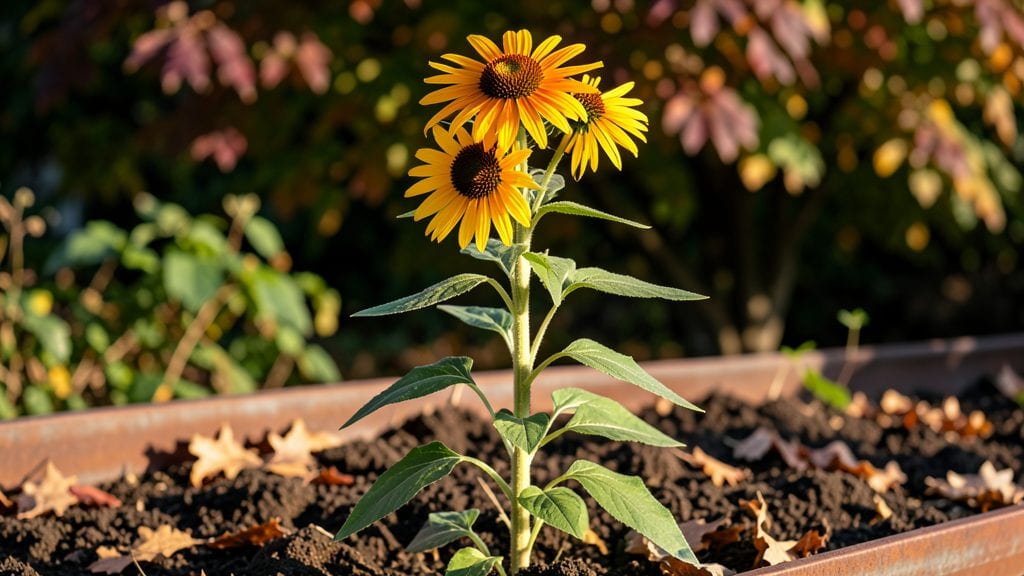
Growing Autumn Sun coneflower in your garden means bold purple blooms that last from summer through fall—no fuss, no drama, just reliable beauty. I’ve grown this tough perennial for three seasons, and it’s become my go-to for low-maintenance color in shady spots where other plants struggle.
The secret isn’t complicated: it thrives in partial shade, tolerates dry spells, and attracts pollinators like a magnet.
This plant is a perennial workhorse—once established, it spreads gently each year, filling in gaps with its dark, velvety foliage and cheerful daisy-like flowers. You’ll need well-draining soil (even rocky ground works) and moderate watering after planting, but after that, it’s basically drought-proof.
The real magic happens when you pair it with other shade-tolerant perennials like asters or ferns—suddenly, your garden has layers of texture and color without extra effort.
By late summer, your Autumn Sun coneflowers will be the star of the show, their petals glowing against the fading light. They’re tough enough for borders, wildflower meadows, or even container gardens, and they cut beautifully for bouquets that last weeks.
The best part? They come back year after year, stronger and more vibrant than before.
Ready to add this easy-care perennial to your garden? We’ll cover everything from planting to pruning, so you can sit back and enjoy the results. No green thumb required—just a little patience and the right spot.
📚 In This Guide
- What you need
- Instructions
- Tips and common mistakes
- Wrapping up and next steps
What you need
- ● Seeds or nursery-grown plants: 1–2 packets of autumn sun coneflower seeds (or 3–5 young plants for instant color).
- ● Pro tip: 💡 Choose seeds labeled for partial shade tolerance (e.g., ‘Autumn Sun’ or ‘Goldsturm’ varieties).
- ● Well-draining soil: Native soil amended with 1–2 inches of compost (or potting mix for containers).
- ● pH range: 5.5–6.5 (slightly acidic to neutral).
- ● Sunlight access: 4–6 hours of sunlight daily (tolerates partial shade, especially in hot climates).
- ● Watering tools: Watering can or hose with a gentle spray nozzle (avoid soaking the soil).
- ○ Drip irrigation system (optional but ideal for consistent moisture).
- ● Basic gardening tools: Trowel or hand shovel for planting.
- ● Garden gloves (to protect your hands from prickly stems!).
- ● Mulch: 2–3 inches of shredded bark or straw to retain moisture and suppress weeds.
- ● Fertilizer: Balanced 10-10-10 or low-phosphorus fertilizer (apply lightly in spring).
- ● Container gardening: 1–2 5–7 gallon pots with drainage holes.
- ● Fast-draining potting mix (avoid heavy clay mixes).
- ● Pest control: Neem oil spray (for aphids or powdery mildew).
- ● Row covers (to deter slugs in early growth stages).
Step-by-Step instructions for planting and cultivating Autumn Sun coneflower
Here's how to grow these striking perennials with minimal fuss—once established, they'll reward you with vibrant blooms for years.
🌱 Step 1: Choose the Perfect Planting Location
Autumn Sun Coneflowers thrive in partial shade to full sun, but they tolerate more shade than their cousins. I recommend a spot with morning sun and afternoon shade—this prevents the blooms from scorching in hot climates. The soil should drain well, as soggy roots invite root rot. If your garden has heavy clay, amend with 2-3 inches of compost mixed into the top 12 inches of soil.
Test your soil's moisture level by digging a 6-inch hole—if water pools at the bottom, improve drainage by adding sand or gravel to the hole before planting. Coneflowers are drought-tolerant once established, but they need consistent moisture during their first growing season. I like to plant mine near a drip irrigation line for hassle-free watering.
🪴 Step 2: Prepare the Soil and Plant with Care
Dig a hole twice as wide as the root ball but only as deep—planting too deep can suffocate the crown. Gently loosen the roots if they're circling tightly in the container. Place the plant in the hole and backfill with soil, pressing lightly to eliminate air pockets. Water deeply to settle the soil around the roots.
Space plants 18-24 inches apart to allow for mature growth. If you're planting multiple Autumn Sun Coneflowers, arrange them in odd-numbered groupings (like 3 or 5) for a natural, balanced look. Mulch around the base with 2-3 inches of organic mulch (like shredded bark) to retain moisture and suppress weeds. Keep the mulch 2 inches away from the stem to prevent rot.
☀️ Step 3: Water and Fertilize for Strong Establishment
Water deeply once a week during the first growing season, aiming for 1 inch of water per week. You'll know you're doing it right when the soil feels damp 2 inches below the surface. Overwatering is a common mistake—coneflowers hate soggy feet. After the first year, they'll need little to no supplemental watering once established.
Fertilize lightly in early spring with a balanced, slow-release fertilizer (like 10-10-10) applied at half the recommended rate. Too much fertilizer encourages leafy growth at the expense of blooms. I skip fertilizer in the second year entirely—Autumn Sun Coneflowers are low-maintenance once they're settled in. Watch for yellowing leaves, which can signal over-fertilization or poor drainage.
✂️ Step 4: Prune and Maintain for Long-Lasting Blooms
Deadhead spent blooms in late summer to encourage a second flush of flowers. Snip the stems back to the first set of healthy leaves, but avoid cutting into old wood—this can weaken the plant. Leave the seed heads on a few stems for winter interest and to attract birds. Coneflowers are tough and rarely need pruning, but I give them a light trim in early spring to tidy up any ragged growth.
Divide mature clumps every 3-4 years in early spring or fall to prevent overcrowding. Dig up the plant, separate the roots with a sharp knife, and replant the divisions immediately. This rejuvenates the plant and gives you free extra plants for friends or new garden spots. Autumn Sun Coneflowers are deer-resistant, so you won’t need to worry about protective measures in most gardens.
⏰ Step 5: Prepare for Winter and Encourage Next Year’s Growth
Coneflowers are hardy and generally don’t need winter protection, but in USDA Zones 4-5, a 2-3 inch layer of mulch helps insulate the roots. Remove old seed heads in late winter before new growth appears—this keeps the plant looking tidy and prevents self-seeding where you don’t want it.
In early spring, apply a thin layer of compost around the base to replenish nutrients. You’ll see new growth emerge in 3-4 weeks, signaling it’s time to resume regular care. Autumn Sun Coneflowers are perennials, so they’ll come back year after year with bold, purple blooms that brighten the late-summer garden. With minimal effort, you’ll have a low-maintenance, long-lasting centerpiece.
Tips & tricks for perfect Autumn Sun coneflower cultivation
A few strategic moves will help your Autumn Sun Coneflowers thrive with minimal effort and maximum impact. These perennials are forgiving, but these tips will ensure your plants reach their full potential with vibrant blooms year after year.
Soil Preparation Secret: The 2-3 inches of compost recommendation in Step 1 isn't just about nutrients—it's about creating the perfect soil structure. I like to mix in a handful of perlite or vermiculite with that compost to improve aeration, especially in heavy clay soils. This prevents compaction and helps those roots establish more quickly. Think of it as giving your plants a spa treatment before they even go in the ground.
Planting Depth Technique: When digging that hole twice as wide but only as deep as the root ball in Step 2, here's a pro move: Gently press your finger into the soil around the edges of the hole to create a slight lip. This helps prevent soil from washing away during watering and keeps the plant snug in its new home. It's a small detail, but it makes a big difference in preventing root exposure.
Watering Wisdom: The 1 inch of water per week guideline in Step 3 is perfect, but timing matters just as much. I water mine in the early morning so the foliage has all day to dry out—this prevents fungal issues that can develop from prolonged moisture on the leaves. A drip irrigation system placed near the base (not overhead) delivers water exactly where it's needed without wetting the leaves.
Fertilizer Strategy: That half-strength fertilizer application in early spring is key, but I've found an even better approach: Use a slow-release granular fertilizer instead of liquid. Sprinkle it around the base in a 6-inch radius and water it in. This feeds the roots steadily over months rather than giving them a quick sugar rush that leads to leafy growth at the expense of those gorgeous purple blooms we're after.
Pro Tips for Autumn Sun Coneflower
- A few strategic moves will help your Autumn Sun Coneflowers thrive with minimal effort and maximum impact.
- Soil Preparation Secret: The 2-3 inches of compost recommendation in Step 1 isn't just about nutrients—it's about creating the perfect soil structure.
- Planting Depth Technique: When digging that hole twice as wide but only as deep as the root ball in Step 2, here's a pro move: Gently press your finger into the soil around the edges of the hole to create a slight lip.
Frequently asked questions
Got questions about growing autumn sun coneflowers? You’re not alone! This hardy perennial is a favorite, but even experts have a few curiosities. Here are answers to the most common queries—so you can confidently plant, nurture, and enjoy those stunning purple blooms all season long.
How much sun does an autumn sun coneflower actually need?
The name might suggest full sun, but autumn sun coneflowers are more flexible than their cousins! While they thrive in full sun (6+ hours/day), they’ll tolerate partial shade (3–6 hours), especially in hotter climates. Just expect slightly fewer blooms in deeper shade. For best results, aim for morning sun + afternoon shade if your garden runs hot.
When is the best time to plant autumn sun coneflowers?
Spring and fall are ideal! Plant bare-root seedlings in early spring (after frost) or potted plants in late summer/early fall (6–8 weeks before first frost). Fall planting gives roots time to establish before winter, leading to earlier and more robust blooms next season. Avoid planting in mid-summer heat—stress can stunt growth.
What if my autumn sun coneflower isn’t blooming?
Don’t worry—it’s often a sign of over-fertilizing, poor light, or crowded roots. Try these fixes:
- Deadhead spent blooms to encourage new flowers.
- Move to a sunnier spot (even partial shade may be too much).
- Cut back 1/3 of the plant in early spring to reduce competition.
- Avoid high-nitrogen fertilizer—low-phosphorus options (like 5-10-5) work best.
Are autumn sun coneflowers deer- or rabbit-resistant?
Good news! These coneflowers are deer-resistant thanks to their mildew-resistant foliage, but rabbits and squirrels might nibble on young plants. Protect seedlings with mesh cages or companion plants like lavender or marigolds. Once established, they’re usually left alone—deer prefer tastier snacks!
What’s a great alternative if I can’t grow autumn sun coneflowers?
If your soil or climate isn’t ideal, try these low-maintenance, shade-tolerant alternatives with similar charm:
- Black-eyed Susan (Rudbeckia) – Bright yellow blooms, drought-tolerant.
- Coneflower (Echinacea purpurea) – Classic purple blooms, attracts pollinators.
- Russian sage (Perovskia) – Silvery foliage, thrives in partial shade.
- Bee balm (Monarda) – Vibrant colors, loves partial shade.
Wrapping up and next steps
Growing autumn sun coneflower is a rewarding way to add vibrant color and pollinator-friendly beauty to your garden, even in partial shade! 🌿 With the right soil, spacing, and care, these hardy perennials will thrive and return year after year.
Whether you’re a beginner or a seasoned gardener, their striking purple blooms are sure to impress.
Ready to plant your own? Start by gathering your supplies, choosing the perfect spot, and following the steps outlined above. Before you know it, your garden will be buzzing with life—and stunning with color! 🌸