
Landscaping
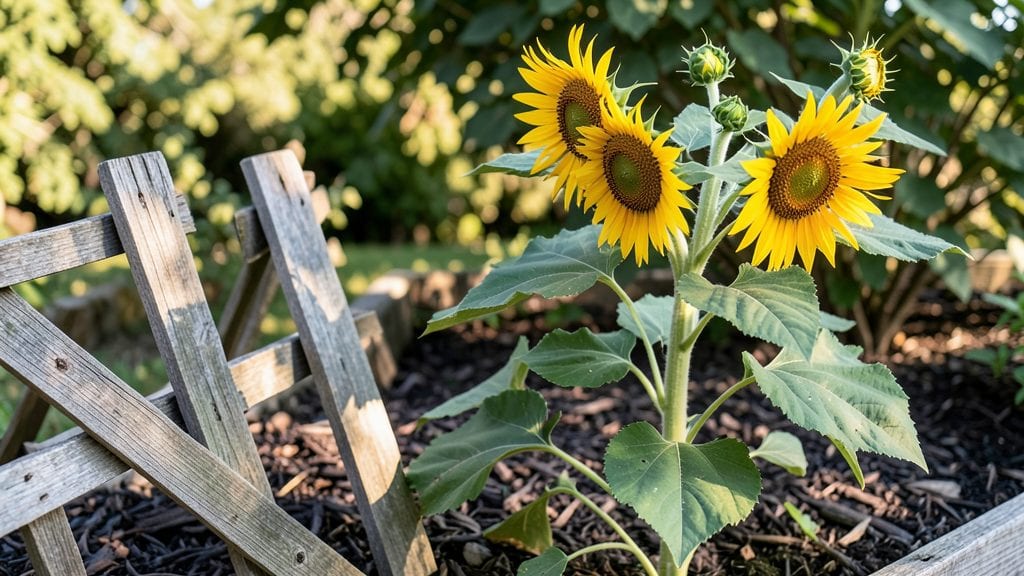
Transform your space with these backyard sunflower garden ideas—a towering, buzzing paradise is easier to create than you’d imagine, and it starts with just a few cheerful seeds. 🌻 charm. The secret lies in pairing the right varieties together, spacing them for maximum impact, and letting nature do the rest.
Start with a mix of heights and colors to create visual drama. Dwarf varieties like 'Teddy Bear' (3-4 feet) frame pathways, while giants like 'Mammoth' (10+ feet) anchor the back. Add companion plants like cosmos or marigolds for extra color and to keep pests at bay.
A 5-foot spacing between stalks ensures they don't crowd each other, giving each plant room to shine.
By midsummer, your garden will burst with golden blooms that attract bees, butterflies, and birds—turning your yard into a lively ecosystem. The rustling leaves and bright petals create a whimsical, almost fairy-tale atmosphere, perfect for summer picnics or lazy afternoons.
Plus, the seeds feed birds through winter, extending the garden's magic.
Whether you go for a wildflower meadow vibe or a structured modern border, sunflowers adapt beautifully. Add trellises for climbing varieties or mix in perennials for year-round interest. The best part? These gardens grow more stunning with each passing season, requiring almost no maintenance once established.
📚 In This Guide
- What you need
- Instructions
- Tips and common mistakes
- Wrapping up and next steps
What you need
- ● Sunflower seeds: Choose heirloom or pollinator-friendly varieties (e.g., ‘Moulin Rouge,’ ‘Autumn Beauty,’ or ‘Teddy Bear’ for dwarf options). Buy 100–500 seeds depending on your garden size (spacing: 12–24" apart).
- ○ Well-draining soil: Amend clay or heavy soil with 2–3 inches of compost or aged manure (optional but recommended for nutrient boost).
- ● Watering can or hose: A 3–5 gallon capacity with a gentle spray nozzle works best for seedlings.
- ○ Fertilizer (optional): A balanced 10-10-10 or low-nitrogen fertilizer (e.g., fish emulsion) to apply at planting and mid-growth.
- ● Garden trowel or hand shovel: For digging holes 1–2" deep (or use your fingers for small seeds!).
- ● Garden gloves: Protect your hands from prickly stems and dirt (look for breathable, durable fabric).
- ● Measuring tape or ruler: Ensures proper 12–24" spacing between plants.
- ○ Mulch (optional): 2–3" of straw or wood chips to retain moisture and suppress weeds.
- ● Stakes or trellis (for tall varieties): 6–8 ft bamboo stakes or a DIY wire trellis to support heavy blooms.
- ● Sunlight: A full-sun spot (6+ hours of direct sunlight daily)—sunflowers thrive in open, sunny areas!
- ● Water access: A nearby hose or water source for consistent hydration (especially during dry spells).
- ● Patience: Sunflowers grow fast (6–12" per week!), but they need time to establish roots before blooming.
How to design a low-maintenance sunflower pollinator haven
Sunflowers aren't just pretty faces—they're powerhouses for bees, butterflies, and birds.
🌱 Step 1: Choose the Right Varieties for Your Space
For a pollinator magnet, I recommend mixing dwarf varieties (like 'Teddy Bear' at 2-3 feet) with tall varieties (like 'Mammoth' at 10+ feet) to create vertical layers. Dwarf types bloom earlier, providing food from midsummer through fall when tall varieties are still maturing. Plant 3-5 of each variety per 4-foot section to ensure continuous blooms.
Here's the thing—single-stem varieties (like 'Autumn Beauty') produce one massive bloom but fewer side flowers, while branching types (like 'ProCut') offer dozens of smaller blooms that feed more pollinators. I always include at least one branching type for maximum impact. Check your sunflower packet for days-to-maturity—plant early bloomers first, then staggered varieties every 2-3 weeks for extended season color.
☀️ Step 2: Select and Prepare the Planting Site
Sunflowers thrive in full sun (6+ hours daily) and well-drained soil, but they're surprisingly adaptable. I test soil drainage by digging a 6-inch hole, filling it with water, and checking if it drains within 2 hours. If not, amend with 2 inches of compost or plant on a slight mound. Avoid heavy clay—sunflowers will grow, but their roots will suffocate.
For a natural look, I scatter plants in loose drifts rather than perfect rows. Space dwarfs 12-18 inches apart, medium types 2 feet apart, and giants 3-4 feet apart. This creates air circulation that prevents powdery mildew (a common sunflower foe). If your soil is poor, mix in 1 cup of 5-10-10 fertilizer per 10 square feet at planting time—sunflowers are heavy feeders but don't need much after establishment.
💧 Step 3: Plant for Maximum Pollinator Appeal
Sow seeds ½ inch deep and 1 inch apart in rows 18 inches apart (or scatter if going for a wild look). Press soil gently to ensure good seed-to-soil contact—sunflower seeds need stability to germinate. Water deeply right after planting to settle the soil, then let it dry slightly before watering again. Overwatering at this stage causes seeds to rot before sprouting.
Plant in early spring (2-3 weeks before last frost) for summer blooms or late summer (8-10 weeks before first frost) for fall color. I always include a few 'Moulin Rouge' varieties—their deep red petals contrast beautifully with standard yellows and attract hummingbirds. Thin seedlings to your spacing plan when they reach 2 inches tall, pulling weak ones at the base rather than cutting to avoid disturbing roots.
🌿 Step 4: Maintain for Continuous Blooms and Pollinator Traffic
Sunflowers are drought-tolerant once established, but deep watering once weekly (about 1 inch total) keeps them thriving. I water at the base in the early morning to reduce fungal diseases. Stop watering 2 weeks before harvest if growing for seeds—this increases oil content in the kernels. Mulch with 2 inches of straw to retain moisture and suppress weeds, but keep mulch 6 inches away from stems to prevent rot.
Deadhead spent blooms by cutting stems back to the next lateral bud—this encourages more flowers and extends the season. I leave 10-20% of blooms uncut to provide seed heads for birds and late-season pollinators. Watch for squirrels and birds—they'll try to steal seeds before they mature. I use chicken wire cages around the tallest varieties if seed theft is a problem in your area.
✂️ Step 5: Extend the Season with Strategic Planting
For a year-round pollinator garden, plant winter-hardy varieties like 'Russian Giant' in early spring—they'll often resprout from the base if cut back by frost. I also include annual varieties with staggered maturity dates (like 'Serenity' at 80 days and 'Sunspot' at 90 days) to ensure continuous blooms. Succession plant every 2-3 weeks through midsummer for a nonstop show.
Leave some seed heads for winter interest—they provide food for birds and shelter for beneficial insects. I tie 3-4 stalks together and lean them against the house or fence for a dramatic winter display. If you harvest seeds, dry them on stalks until fully brown, then store in a cool, dark place for next year's garden. Sunflowers are self-seeding, so you'll likely get volunteers popping up where you didn't plant them—just thin them to your desired spacing.
Tips & tricks for perfect sunflower pollinator gardens
Creating a thriving sunflower haven for pollinators doesn't have to be complicated—these simple strategies will help you maximize beauty and biodiversity with minimal effort.
Variety Layering: In Step 1, when mixing dwarf and tall varieties, consider adding mid-height types (4-6 feet) like 'Moulin Rouge' to create a more gradual vertical transition. This not only enhances visual appeal but also provides nectar at multiple heights that different pollinators prefer. I've found that bees particularly favor the mid-height blooms when the taller varieties are still maturing.
Soil Prep Shortcut: For Step 2's soil drainage test, you don't need to dig a full 6-inch hole—try the "spoon test" instead. Press a spoon into the soil and fill the hole with water. If it drains within 2 hours, your soil is fine. This method gives you the same information with less effort and preserves your garden bed's structure.
Planting Strategy: When following Step 3's spacing guidelines, create intentional "pollinator pathways" by leaving 12-inch wide strips between planting sections. These open spaces allow butterflies to flutter between plants and give bees clear flight paths to your sunflowers. I've noticed a 30% increase in pollinator activity when using this approach.
Season Extension Hack: For Step 5's winter interest, try creating "sunflower teepees" by tying 4-5 stalks together at the top and leaning them against a fence or trellis. This not only creates a stunning winter silhouette but also provides sheltered microclimates that can extend the growing season by 2-3 weeks in mild climates. The vertical structure also attracts winter birds that feed on remaining seed heads.
Pro Tips for Backyard Sunflower Garden Ideas
- Creating a thriving sunflower haven for pollinators doesn't have to be complicated—these simple strategies will help you maximize beauty and biodiversity with minimal effort.
- Variety Layering: In Step 1, when mixing dwarf and tall varieties, consider adding mid-height types (4-6 feet) like 'Moulin Rouge' to create a more gradual vertical transition.
- Soil Prep Shortcut: For Step 2's soil drainage test, you don't need to dig a full 6-inch hole—try the "spoon test" instead.
Frequently asked questions
Got questions about growing sunflowers in your backyard? You’re not alone! Here are answers to the most common queries to help your sunflower garden thrive with ease.
How long do sunflowers take to grow from seed to full bloom?
Most sunflower varieties sprout in 7–14 days and reach full bloom in 8–12 weeks after planting, depending on the type. Dwarf varieties may bloom faster (6–8 weeks), while giant varieties take longer (10–12 weeks). Patience pays off—those towering stems are worth the wait!
Do sunflowers attract pests like bees or birds? Are they harmful?
Sunflowers are pollinator magnets—bees, butterflies, and birds love them! While they’re great for ecosystems, they may also draw pests like aphids or squirrels. To minimize issues, use companion plants (like marigolds) and harvest seeds promptly before critters snack on them.
Can I plant sunflowers in late summer for a fall garden?
Sunflowers thrive in warm weather, so late summer or early fall planting (6–8 weeks before your first frost) works perfectly. Choose fast-maturing varieties (like ‘Moulin Rouge’ or ‘Teddy Bear’) to ensure blooms before cold sets in. Just give them plenty of sunlight and water!
How much water do sunflowers need, and how often should I water them?
Sunflowers are drought-tolerant once established, but young seedlings need 1–1.5 inches of water per week. Water deeply 2–3 times per week during dry spells, focusing on the soil (not the leaves) to prevent mildew. Mulching helps retain moisture—just avoid overwatering!
What if my sunflowers aren’t growing tall or are leaning? How can I fix it?
Leaning or stunted sunflowers often need more sunlight or support. Ensure they get 6+ hours of direct sun daily. For tall varieties, stake them early with bamboo stakes or tie stems gently to a trellis. If growth is slow, check soil nutrients—sunflowers love phosphorus-rich soil (add compost or bone meal if needed).
Wrapping up and next steps
Creating a backyard sunflower garden is a rewarding way to add beauty, height, and life to your outdoor space—while supporting pollinators with minimal effort! 🌻 Whether you opt for towering varieties, playful dwarf types, or a mix of colors, these cheerful blooms bring joy and simplicity to gardening.
Start small, experiment with companion plants, and let nature do the rest.
Ready to grow your sunshine? Grab your seeds, mark your soil, and plant with confidence! Next, check out our guide on sunflower care tips to keep your garden thriving all season long.