
Tools
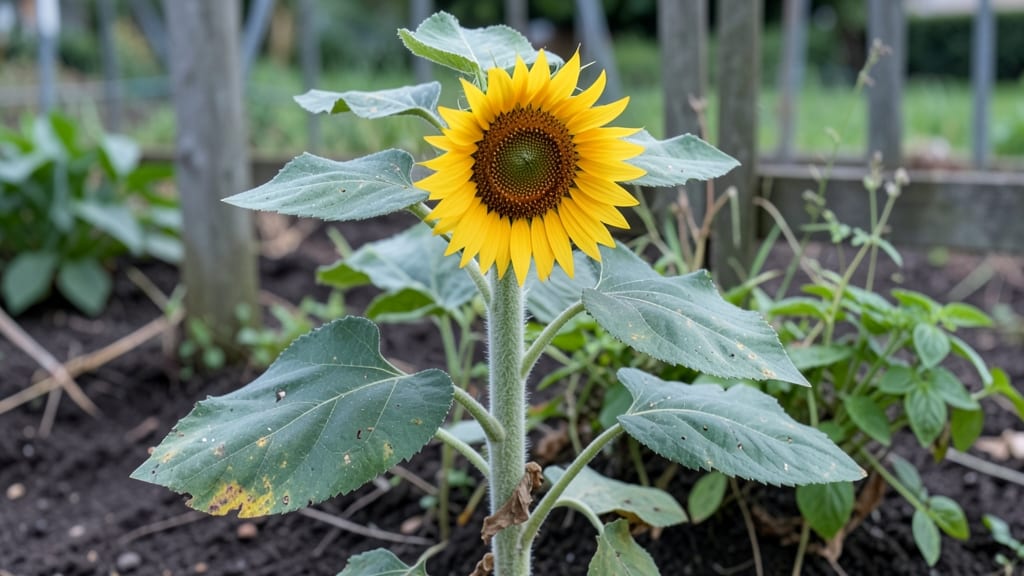
Your backyard sunflower garden could become the neighborhood's most talked-about pollinator magnet—especially when designed for Pacific Northwest skies. 🌻 I’ve turned my own patch into a year-round showstopper by mixing towering varieties with shorter, late-season bloomers, ensuring color from June through frost.
The key isn’t just planting sunflowers; it’s weaving them into a layered, functional space that thrives in our damp summers and cool winters.
Start with a sunny spot—at least 6 hours of direct light daily—and prep the soil with compost to handle our region’s heavy clay.
Mix in 3-4 inches of organic matter to improve drainage, then group sunflowers by height: 8-foot giants in the back, 4-5 foot mid-heights, and 2-foot dwarfs up front. This creates drama while keeping paths clear.
For extra impact, pair them with purple coneflowers or salvia—both love our climate and extend the blooming season.
By late summer, you’ll have a golden waterfall of petals swaying in the breeze, humming with bees and butterflies. The rustic charm of sunflowers softens modern yards, while cottage-style gardens get a bold, cheerful lift.
Even in rainy seasons, their sturdy stems stay upright, and the seeds feed birds through winter. The best part? Every cut flower arrangement you make will be the talk of your neighborhood.
This design works for small urban patches or large rural plots—just adjust spacing (12–24 inches apart) and add trellises for climbing varieties. The Pacific Northwest’s mild winters mean you can even plant fall sunflowers for a second wave of color.
Let’s make your garden the sunniest spot on the block!
📚 In This Guide
- What you need
- Instructions
- Tips and common mistakes
- Wrapping up and next steps
What you need
- ● Sunflower seeds: Choose Pacific Northwest-friendly varieties like ‘Russian Giant,’ ‘Autumn Beauty,’ or ‘Moulin Rouge’ (100+ seeds for a full garden). Opt for organic, non-GMO seeds if possible.
- ● Well-draining soil: 5–10 cubic yards of garden soil mix (amend with compost for richer nutrients). Test soil pH (ideal: 6.0–7.5).
- ● Compost or fertilizer: 5–10 lbs of balanced 10-10-10 fertilizer or composted manure (sunflowers are heavy feeders!).
- ● Mulch: 2–3 cubic feet of straw or wood chips to retain moisture and suppress weeds.
- ● Garden trowel or shovel (for planting and soil prep).
- ● Garden hose with adjustable nozzle (or watering can for seedlings).
- ● Measuring tape or ruler (sunflowers need 12–24 inches of spacing between plants).
- ○ Stakes or trellis (optional) for taller varieties (e.g., ‘Russian Giant’).
- ● Pruners or scissors (for deadheading and harvesting).
- ● Full-sun location: At least 6–8 hours of sunlight daily (critical for PNW’s shorter summer days!).
- ● Weather-ready timing: Start seeds indoors 4–6 weeks before last frost (typically late April–early May in PNW) or direct-sow after soil warms (~55°F).
- ● Water access: Consistent moisture (especially for seedlings—1–2 inches per week).
- ● 🌡️ Extend the season: Use row covers to protect young plants from late frosts.
- ● 🌿 Succession plant: Sow seeds every 2–3 weeks for continuous blooms.
- ● 🐝 Boost pollinators: Plant native wildflowers nearby (e.g., yarrow or coneflowers).
Step-by-Step instructions for creating a backyard sunflower garden
Here's how to design a sunflower haven that thrives in the Pacific Northwest's cool, moist climate.
🪴 Step 1: Choose and Prepare Planting Sites
Sunflowers need full sun—at least 6-8 hours daily—so pick the sunniest spots in your yard. In the Pacific Northwest, this often means south-facing areas or spots with minimal tree shade. Clear the ground of weeds and debris, then loosen the soil to a depth of 12 inches using a garden fork or tiller. This helps roots penetrate easily, especially important for sunflowers that can grow 8-12 feet tall. If your soil is heavy clay, mix in 2-3 inches of compost to improve drainage and fertility.
Sunflowers are drought-tolerant once established, but they thrive in well-draining soil. Test your soil's moisture by digging a small hole—if water pools at the bottom, your site needs amending. For larger gardens, consider raised beds if your native soil is particularly dense. Mark planting rows with a garden hose or string line to ensure 18-24 inches between plants for giant varieties and 12 inches for dwarf types. This spacing prevents overcrowding and promotes airflow, reducing the risk of fungal diseases like powdery mildew.
🌱 Step 2: Select and Plant Sunflower Varieties
Choose sunflower varieties suited to your climate and garden size. For the Pacific Northwest, 'Moulin Rouge' (dwarf, 3-4 feet) or 'Russian Giant' (12+ feet) are excellent choices. Plant seeds ½ inch deep and 1-2 inches apart in rows. If you're planting multiple varieties, group them by height to avoid shading smaller plants. Press the soil lightly around each seed to ensure good seed-to-soil contact, which is critical for germination.
Water gently after planting to settle the soil but avoid oversaturating. Sunflower seeds germinate best in soil temperatures between 70-85°F, so if planting early in the season, consider using a seedling heat mat or waiting until the soil warms naturally. In cooler Pacific Northwest springs, germination may take 10-14 days. Once seedlings emerge, thin them to the desired spacing, keeping the strongest, most vigorous plants. If you're unsure which to keep, wait until they have 2-3 true leaves—this makes it easier to identify the healthiest seedlings.
☀️ Step 3: Provide Support and Maintenance
Sunflowers are self-supporting but may need staking or cages if grown in windy areas or if varieties are particularly tall. Install 6-8 foot stakes or tomato cages at planting time to avoid damaging roots later. Mulch around the base with 2-3 inches of straw or wood chips to retain moisture, suppress weeds, and regulate soil temperature. In the Pacific Northwest, mulch also protects against cool, damp conditions that can encourage fungal growth.
Water deeply 1-2 times per week, providing 1-1.5 inches of water each time. Focus on the base of the plant to avoid wetting the foliage, which can lead to disease. Sunflowers are drought-tolerant once established, so reduce watering as they mature, but avoid letting the soil dry out completely. Fertilize lightly with a balanced, low-nitrogen fertilizer (like 10-10-10) at planting and again when flowers begin to form. Too much nitrogen promotes leafy growth at the expense of blooms.
🌿 Step 4: Encourage Pollinators and Harvest
Sunflowers are a pollinator magnet, so let some flowers bloom fully to attract bees, butterflies, and birds. If you're growing sunflowers for seeds, leave the largest, healthiest heads on the plant. Once the back of the flower head turns yellow and the petals begin to droop, cut the head off with 4-6 inches of stem attached. Hang the heads upside down in a dry, well-ventilated area to dry completely before threshing the seeds.
To extend the blooming season, succession plant sunflowers every 2-3 weeks in early summer. This ensures a continuous supply of flowers for pollinators and a staggered harvest. In the Pacific Northwest, where summers are short, focus on fast-maturing varieties like 'Autumn Beauty' or 'Teddy Bear' for reliable blooms. Deadhead spent flowers on non-seed-bearing varieties to encourage more blooms and keep the garden looking tidy.
Tips & tricks for perfect backyard sunflower gardens
Creating a thriving sunflower garden in the Pacific Northwest takes a few strategic tweaks to handle our unique climate. These tips will help you maximize growth and beauty while avoiding common pitfalls.
Soil Preparation Secret: In Step 1, when amending heavy clay soil, consider adding 1-2 inches of coarse sand along with your compost. This improves drainage without compacting the soil further. I've found that mixing in a handful of perlite at planting time also prevents waterlogging, which is critical for those 12-inch deep roots. The goal is to mimic the well-draining conditions sunflowers naturally prefer in their native prairie habitats.
Germination Timing: The 10-14 day germination window mentioned in Step 2 can feel like forever! To speed things up in cool Pacific Northwest springs, try soaking seeds in warm water for 4-6 hours before planting. This pre-treatment jumpstarts hydration. Also, place a clear plastic dome or row cover over newly planted seeds to create a mini greenhouse effect—just remove it once sprouts appear to prevent overheating.
Pacific Northwest Variety Strategy: For our shorter growing season, I recommend planting 'Autumn Beauty' as your primary variety—it matures in just 55-60 days while still reaching impressive heights. Pair it with 'Teddy Bear' (dwarf) for early blooms that attract pollinators when other flowers might still be dormant. The key is succession planting every 2-3 weeks starting in late May to ensure continuous blooms through September.
Wind Protection Hack: If your garden is exposed to prevailing winds (common in coastal PNW regions), install flexible bamboo stakes instead of rigid ones. These bend with the wind rather than snapping, and their natural texture provides additional habitat for beneficial insects. For extra protection, plant windbreak varieties like 'ProCut' sunflowers on the perimeter—they're bred to withstand strong winds while still producing excellent seed yields.
Pro Tips for Backyard Sunflower Garden
- Creating a thriving sunflower garden in the Pacific Northwest takes a few strategic tweaks to handle our unique climate.
- Soil Preparation Secret: In Step 1, when amending heavy clay soil, consider adding 1-2 inches of coarse sand along with your compost.
- Germination Timing: The 10-14 day germination window mentioned in Step 2 can feel like forever!
Frequently asked questions
Got questions about growing a backyard sunflower garden in the Pacific Northwest? You’re not alone! Here are some of the most common queries—and their answers—to help you cultivate a thriving, pollinator-friendly space.
When is the best time to plant sunflowers in the PNW?
For the Pacific Northwest’s mild, wet climate, plant sunflower seeds after the last frost—typically late April to early June. Start indoors 2–3 weeks earlier if you’re in colder zones (like eastern WA or OR). Sunflowers love warmth, so wait until soil temps hit 50°F+ for best germination.
Will sunflowers grow well in the PNW’s rainy weather?
Yes! Sunflowers are drought-tolerant once established, but they thrive with well-draining soil. In heavy rain, ensure your garden has elevated beds or slopes to prevent root rot. Mulch with straw to keep moisture balanced—sunflowers hate soggy feet!
Can I grow sunflowers in containers or small spaces?
Dwarf varieties like ‘Teddy Bear’ (1–3 ft tall) or ‘Moulin Rouge’ (3–4 ft) are perfect for pots, balconies, or tight gardens. Use a 12–18” deep container with drainage holes and plant 1–2 seeds per pot. Just give them 6+ hours of sun daily.
What pests should I watch for in a PNW sunflower garden?
Keep an eye out for aphids, Japanese beetles, and sunflower moths. For organic control, spray neem oil or introduce ladybugs. Birds love sunflower seeds too—so plant bird-friendly varieties (like ‘Autumn Beauty’) if you want to attract feathered helpers!
How do I extend the blooming season for sunflowers?
Successive planting is key! Sow seeds every 2–3 weeks from May to July for continuous blooms. Choose early, mid, and late-season varieties (e.g., ‘ProCut’ for cut flowers + ‘Russian Giant’ for height). Deadhead spent blooms to encourage more flowers—and enjoy sunflowers from summer to early fall!
Wrapping up and next steps
Creating a backyard sunflower garden in the Pacific Northwest isn’t just about adding beauty—it’s a rewarding way to support pollinators, boost biodiversity, and enjoy nature’s bounty. Whether you’re a beginner or a seasoned gardener, these towering blooms bring joy, sustainability, and a touch of wild charm to your space. 🌻
Now that you’re armed with the how-tos and FAQs, it’s time to roll up your sleeves! Start small—plant a few seeds, observe their growth, and let your garden evolve.
Before you know it, your backyard will buzz with life, and you’ll be harvesting seeds or admiring their golden faces for years to come. Happy gardening!