Flowers
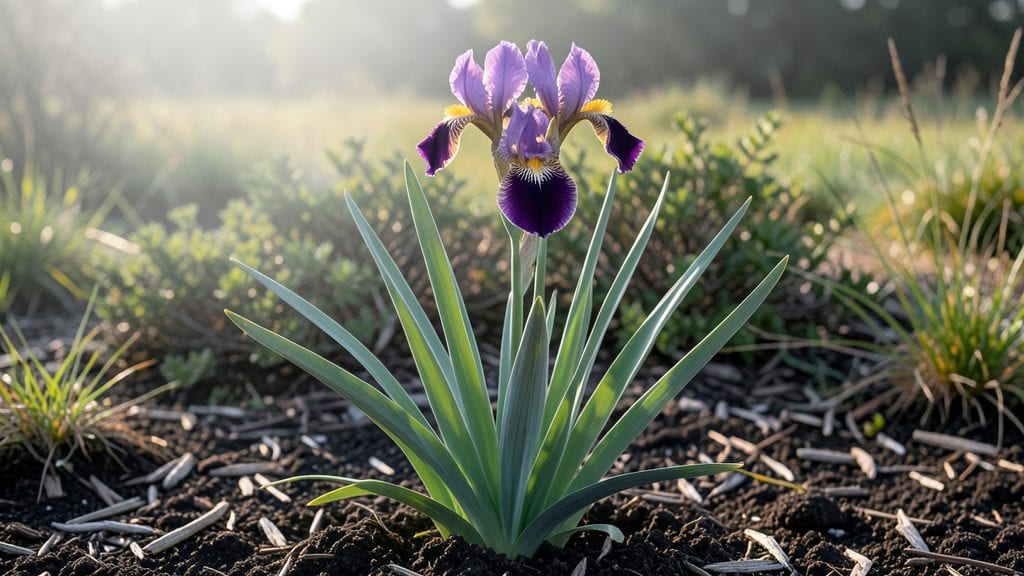
Growing bearded iris flowers means waking up to bold purple blooms that last for weeks—if you nail the soil, sunlight, and timing.
I’ve learned the hard way that these divas demand well-draining soil and full sun, but once they’re happy, they reward you with showstopping color every spring (and sometimes fall too).
The key ingredients are simple: a sunny spot with 6+ hours of direct light, sandy loam soil, and minimal fuss after planting. Most gardeners overwater or fertilize too much—both will kill your irises faster than you can say "fuzzy beards."
The secret is letting the rhizomes bake in summer heat and only watering when the soil feels bone-dry.
By late summer, you’ll see velvety green fans pushing new growth, and next spring, those iconic purple (or blue, yellow, or white) blooms will make your neighbors ask, "What’s your secret?" The best part? Once established, they thrive for decades with almost no care.
We’ll cover everything—from dividing overcrowded clumps to dealing with slugs and Japanese beetles—so your irises stay bold, healthy, and blooming year after year. Let’s get those rhizomes in the ground right.
📚 In This Guide
- What you need
- Instructions
- Tips and common mistakes
- Wrapping up and next steps
What you need
- ● Bearded iris rhizomes: Healthy, dormant rhizomes (3–5 inches long, with roots and fan of leaves). Choose Iris germanica or Iris barbata varieties for vibrant blooms.
- ● Well-draining soil: A mix of garden soil, compost, and coarse sand or perlite (ratio: 60% soil, 30% compost, 10% sand). pH 6.0–7.0 is ideal.
- ● Sunlight: Full sun (6+ hours daily). A south- or west-facing spot works best.
- ● Watering can or hose: With a gentle spray nozzle for hydration.
- ● Fertilizer: Low-nitrogen, phosphorus-rich fertilizer (e.g., 5-10-10) or organic options like bone meal or composted manure.
- ● Garden trowel or shovel: For planting and dividing rhizomes.
- ● Pruners: Sharp, clean pair for trimming dead foliage after blooming.
- ○ Mulch (optional): Pine straw or shredded bark to retain moisture and suppress weeds.
- ○ Stakes or rings (optional): For support if growing tall varieties.
- ○ Glove (optional): To protect hands from rhizome sharpness.
Step-by-step guide to planting and caring for bearded iris
Here's how to establish these stunning perennials for vibrant blooms that return every spring.
Select and Prepare the Planting Site
Bearded iris thrive in full sun with at least 6 hours of direct light daily. Choose a location with well-draining soil—they rot easily in soggy conditions. I test drainage by digging a 6-inch deep hole and filling it with water; if it drains within 30 minutes, the spot is perfect. If not, amend the soil with 2-3 inches of coarse sand or grit to improve drainage.
Iris prefer slightly acidic to neutral soil with a pH between 6.0 and 7.0. Test your soil's pH using a kit, and adjust with lime if too acidic or sulfur if too alkaline. The ideal planting time is early fall or late winter, allowing roots to establish before summer heat. Avoid planting in summer heat, which stresses the rhizomes.
Plant Rhizomes at the Correct Depth and Spacing
Handle rhizomes carefully—they bruise easily. Plant them with the top third exposed to sunlight, never buried. This prevents rot and encourages strong growth. Dig a hole 12-18 inches apart for standard varieties, spacing larger clumps 24 inches apart. The rhizome's fan-shaped base should face downward, with the pointy end (where the leaves grow) facing upward.
Press the rhizome lightly into the soil so it sits firmly but isn't forced down. The exposed portion should look like a small hill of dirt. Water immediately after planting to settle the soil around the rhizome. Mulch lightly with 2-3 inches of organic mulch (like shredded bark) to retain moisture, but avoid piling mulch directly against the rhizome—this causes rot.
Water and Fertilize for Strong Establishment
Keep the soil evenly moist but not soggy for the first 2-3 weeks after planting. Water deeply once a week thereafter, allowing the top 2 inches of soil to dry between waterings. Overwatering is the fastest way to kill iris—yellowing leaves signal excess moisture. Once established, iris are drought-tolerant and need minimal watering.
Apply a low-nitrogen, balanced fertilizer (like 5-10-10) in early spring as new growth emerges. I use 1 tablespoon per plant, working it into the soil around the rhizome. Avoid high-nitrogen fertilizers—they promote leafy growth at the expense of blooms. In late summer, apply a phosphorus-heavy fertilizer (like 0-10-10) to encourage next year's flower buds.
Prune and Divide for Longevity
Cut back dead foliage in late fall or early spring, leaving 3-4 inches of stubble above the rhizome. This prevents disease and keeps the plant tidy. Never cut back healthy leaves in summer—they feed the rhizome for next year's blooms. Watch for fan-shaped leaves that split apart; this signals it's time to divide the clump every 3-5 years to prevent overcrowding.
Divide in early fall by carefully digging up the rhizome and separating the smaller sections with a clean, sharp knife. Each division should have at least one healthy fan of leaves and a portion of the rhizome. Replant immediately, following the same depth and spacing guidelines. Discard any rhizomes that look soft, mushy, or diseased—they won't recover.
Protect and Encourage Repeat Blooming
Bearded iris are generally pest- and disease-resistant, but iris borers can be a problem. Look for sawdust-like frass on leaves or chewed stems—these signal an infestation. Treat with neem oil or Bt (Bacillus thuringiensis) as a preventive spray in early summer. Remove and destroy any heavily damaged leaves immediately.
To encourage bold, repeat blooms, deadhead spent flowers by cutting the stems back to the fan of leaves once they fade. This redirects the plant's energy into next year's blooms. In late summer, apply a slow-release granular fertilizer around the base to support root growth and next season's flower buds. With proper care, your iris will reward you with vibrant purple blooms for decades.
Tips & tricks for perfect bearded iris planting and care
These insider tricks will help you cultivate vibrant bearded iris that thrive for years with minimal effort.
Site Selection Insight: The 6 hours of daily sunlight is non-negotiable for those signature purple blooms. If your yard has partial shade, consider planting iris in the sunniest spot you can find—even a few hours less sunlight can dramatically reduce flower production. I've seen iris in 5 hours of sun still bloom, but they'll be fewer and less vibrant than in full sun.
Rhizome Handling Technique: When planting, always position the rhizome so the top third remains exposed—this prevents rot while allowing sunlight to promote strong growth. I like to use a small garden trowel to create a gentle mound for the rhizome to rest on, ensuring proper drainage from the start. The fan-shaped base should always face downward to encourage proper root development.
Watering Wisdom: The 2-3 week period of even moisture is critical for root establishment, but don't overdo it—yellowing leaves are your first warning sign of overwatering. After that initial period, let the top 2 inches of soil dry between waterings. I've learned this the hard way after losing several iris to soggy soil that led to root rot.
Division Timing Strategy: When you notice fan-shaped leaves splitting apart, that's your cue to divide every 3-5 years. I recommend doing this in early fall when new growth has slowed but before winter dormancy. This timing gives the divisions enough time to establish roots before cold weather sets in, ensuring they'll bounce back strong in spring.
Pro Tips for Bearded Iris Flower
- These insider tricks will help you cultivate vibrant bearded iris that thrive for years with minimal effort.
- Site Selection Insight: The 6 hours of daily sunlight is non-negotiable for those signature purple blooms.
- Rhizome Handling Technique: When planting, always position the rhizome so the top third remains exposed—this prevents rot while allowing sunlight to promote strong growth.
Frequently asked questions
Got questions about growing bearded iris flowers? You’re not alone! Here are answers to the most common queries to help you cultivate stunning, year-round blooms with ease.
When is the best time to plant bearded iris bulbs?
The ideal time to plant bearded iris rhizomes is in early fall (4–6 weeks before the first frost) or late winter (just before new growth emerges). Planting in fall gives roots time to establish before winter, while spring planting works in warmer climates. Avoid planting in summer—rhizomes need cooler soil to root properly.
How long does it take for bearded iris to bloom after planting?
With proper care, bearded iris typically blooms within 1–2 years after planting. First-year rhizomes focus on root growth, but established plants reward you with vibrant blooms in early to mid-spring. Patience pays off—older plants (3+ years) often produce more abundant and larger flowers!
Can I grow bearded iris in containers or do they need garden beds?
Yes! Bearded iris thrives in containers if you use well-draining soil and a pot with drainage holes. Choose a container at least 12 inches deep to accommodate rhizomes. Just ensure the pot gets full sun (6+ hours daily) and replant every 2–3 years to refresh the soil. Containers are great for small spaces or urban gardens!
Why aren’t my bearded iris blooming? Troubleshooting tips.
No blooms? Check these common culprits:
- Overcrowding: Divide rhizomes every 3–4 years to prevent competition.
- Too much nitrogen: Use a low-nitrogen fertilizer (like 5-10-10) to encourage blooms over foliage.
- Insufficient sunlight: Move to a sunnier spot—iris needs full sun to flower.
- Dormant period skipped: Let foliage die back naturally in late summer/fall to signal blooming.
If issues persist, your iris may need division or repotting.
How do I get my bearded iris to bloom in more colors?
Bearded iris come in purples, blues, yellows, whites, and even reds, but color variations depend on the variety. To encourage vibrant blooms:
- Choose named cultivars (e.g., ‘Blue Flag,’ ‘Immortality’) for consistent colors.
- Avoid over-fertilizing—too much food can reduce bloom intensity.
- Deadhead spent blooms to redirect energy to next year’s flowers.
- Plant in well-draining, slightly alkaline soil (pH 6.0–7.0) for optimal color.
Pro tip: Take photos of your iris blooms to compare with catalogs—some colors fade in sunlight!
Wrapping up and next steps
The bearded iris is a stunning, low-maintenance addition to any garden, offering vibrant blooms and effortless charm. With the right care—sunlight, well-draining soil, and occasional division—you’ll enjoy year-round beauty that brightens every season. Whether you’re a seasoned gardener or just starting, these bold purple blooms are a rewarding choice!
Ready to grow your own? Start by selecting healthy rhizomes and planting them this fall for a show-stopping spring display. Happy gardening! 🌸