
Flowers
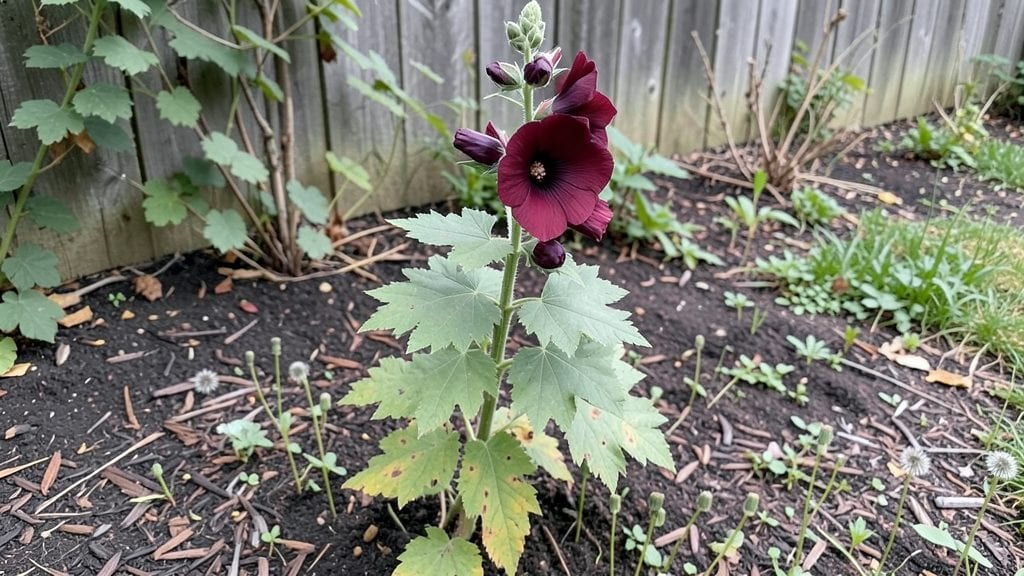
Black hollyhocks flowers bring gothic romance to any garden border. 🌿 Their velvety ebony blooms tower over cottage-style gardens, creating dramatic vertical accents that no other flower delivers.
I still remember the first time I saw them in an English country garden—the way they swayed in the breeze, catching the last golden light of afternoon.
These old-fashioned stalwarts thrive in full sun to partial shade, making them perfect for cottage gardens, Victorian-style landscapes, or even modern dark-themed borders. Pair them with silver foliage plants like lamb's ears or dusty miller to make their dark blooms pop even more.
Their rustic charm works equally well in wildflower meadows or formal herbaceous borders.
You'll love how they transform a garden into a storybook scene. The deep purple-black flowers contrast beautifully with white roses, lavender, or even bright red poppies. Their tall spikes also make stunning cut flowers—arrange them in loose, romantic bouquets where their height becomes the natural focal point.
Every season, they bring that old-world magic back to life.
Best of all, they're low-maintenance once established. Just give them well-drained soil and regular watering, and they'll reward you with those dramatic blooms from midsummer through fall.
The secret to their timeless appeal? They're not just flowers—they're a mood, a memory of gardens long past. Let's bring that drama to your landscape.
📚 In This Guide
- What you need
- Instructions
- Tips and common mistakes
- Wrapping up and next steps
What you need
- ● Black Hollyhock Seeds: Choose Alcea rosea varieties like 'Nigra' or 'Black Night' (20-50 seeds, depending on desired coverage).
- ● Well-Draining Soil: Mix 1 part garden soil with 1 part compost and 1 part perlite/sand for optimal aeration.
- ● Sunlight Spot: A full-sun location (6+ hours/day) with partial afternoon shade in hot climates.
- ● Watering Can or Hose: With a gentle spray nozzle to avoid disturbing seedlings.
- ● Garden Trowel: For transplanting seedlings (5-inch depth capacity).
- ○ Stakes or Trellis: Tall, sturdy supports (5-6 ft) to prevent flopping (optional but highly recommended!).
- ● Pruning Shears: Sharp, bypass-style for deadheading and shaping.
- ● Organic Mulch: Straw or shredded leaves (2-3 inches) to retain moisture and suppress weeds.
- ● Fertilizer: Balanced 10-10-10 or compost tea (apply sparingly at planting and mid-season).
- ● Gloves & Long Sleeves: Hollyhocks can be slightly prickly—protect your hands!
- ● Slow-release osmocote fertilizer for low-maintenance growth.
- ● Decorative garden markers to label varieties (because black hollyhocks are that stunning!).
- ● Pest deterrents like neem oil or row covers for aphid-prone areas.
How to grow black hollyhocks for striking vertical drama
Hollyhocks bring old-world charm to cottage gardens, and black varieties add bold contrast. Here's how to grow them into towering, romantic displays.
🌱 Step 1: Choose the Perfect Planting Spot
Black hollyhocks thrive in full sun—at least 6 hours of direct light daily. I always pick the sunniest corner of my garden because they won't tolerate shade. The soil should drain well but stay moist, so amend heavy clay with 2-3 inches of compost before planting.
These plants grow 4-6 feet tall, so space them 18-24 inches apart to prevent overcrowding. I plant mine in clusters of three for a dramatic focal point. Avoid planting where hollyhocks have grown before—rot is their biggest enemy, and the soil may already harbor the fungus.
🌿 Step 2: Plant Seeds or Transplants at the Right Time
For seeds, sow them ¼ inch deep in early spring after the last frost, or start them indoors 8-10 weeks before transplanting. Hollyhock seeds germinate best in 60-70°F soil, so wait until the ground warms up. If you're using transplants, get them in the ground as soon as the soil is workable—these plants don't like being root-bound.
Watch for the first true leaves to appear, which signals it's time to thin seedlings to 12 inches apart. I always leave the strongest, most upright seedling in each spot to ensure sturdy growth. Mulch around the base with 2 inches of organic mulch to retain moisture and suppress weeds.
☀️ Step 3: Provide Consistent Care for Strong Growth
Water hollyhocks deeply once a week—they prefer moist soil but hate soggy roots. Let the top 1-2 inches of soil dry out between waterings to prevent rot. Fertilize lightly in spring with a balanced, water-soluble fertilizer (10-10-10) diluted to half strength. Too much nitrogen leads to lush foliage but few flowers.
Deadhead spent blooms regularly to encourage more flowers. I snip off faded flowers at the base of the stem with clean pruners, which also prevents the plant from setting seed and prolongs the blooming season. Hollyhocks bloom from mid-summer into early fall, so this keeps them looking their best for months.
✂️ Step 4: Prevent Common Problems and Maintain Health
Hollyhocks are prone to rust and powdery mildew, so I always space them for good airflow. If you notice yellow spots or white powder on leaves, remove affected foliage immediately and avoid overhead watering. A fungicide spray can help, but prevention is key—water at the base and avoid wetting the leaves.
In late fall, cut back the stems to 6 inches tall and remove any debris from the garden bed. This reduces overwintering pests and diseases. Hollyhocks are perennial in USDA zones 3-9, so they'll return year after year with proper care. Just give them space, sunlight, and a little TLC, and they'll reward you with dramatic, old-fashioned beauty.
Tips & tricks for growing stunning black hollyhocks
These simple strategies will help you cultivate those dramatic black blooms that turn heads in any garden.
The Sunlight Secret: Those 6 hours of direct light are non-negotiable for black hollyhocks. I've learned the hard way—shady spots lead to spindly stems and pale blooms. If your garden doesn't get full sun, consider growing them in containers where you can move them to sunnier locations during peak daylight hours. Morning sun with afternoon shade works too, but avoid harsh afternoon sun in hot climates.
Soil Prep Strategy: Before planting, mix that 2-3 inches of compost right into the soil, especially if you have heavy clay. Hollyhocks hate soggy roots, so if your soil drains poorly, create raised beds or mounds. I always add a handful of perlite to improve drainage—this prevents the dreaded rot that can kill your plants before they even bloom.
Planting Timing Tip: For seeds, don't rush—wait until soil reaches 60-70°F before planting. I use a soil thermometer to check, and I've found that cooler soil slows germination. If starting indoors, use small pots (2-3 inches wide) and keep them in a warm spot with bright light. Transplants should go in as soon as soil is workable, but never when it's still frozen or waterlogged.
Deadheading Discipline: That regular deadheading in Step 3 isn't just about looks—it's about giving your plants the energy to produce more flowers. I set a reminder on my phone to check them every 2 weeks. When you snip those spent blooms, cut just above a set of healthy leaves to encourage new growth. This keeps your hollyhocks flowering from mid-summer right through fall.
Pro Tips for Black Hollyhocks Flowers
- These simple strategies will help you cultivate those dramatic black blooms that turn heads in any garden.
- The Sunlight Secret: Those 6 hours of direct light are non-negotiable for black hollyhocks.
- Soil Prep Strategy: Before planting, mix that 2-3 inches of compost right into the soil, especially if you have heavy clay.
Frequently asked questions
Got questions about black hollyhocks? You’re not alone!
These striking flowers are full of drama, but they also come with quirks—like their mysterious dark petals and finicky growing habits. Below, we’ve rounded up the most common questions (and answers) to help you grow—or admire—them with confidence.
Are black hollyhocks really black, or just very dark?
True "black" hollyhocks don’t exist—what you see are deep maroon or burgundy blooms with velvety textures that absorb light, making them appear black in photos. Look for cultivars like ‘Black Prince’ or ‘Nigra’ for the darkest shades. Sunlight and soil pH can even deepen their hue!
How long do black hollyhocks take to bloom?
Patience is key! Hollyhocks (including black varieties) typically take 60–90 days from seed to first bloom, depending on climate. If you’re starting from seed, expect flowers mid-to-late summer. For faster results, opt for transplants—just be sure to harden them off first. Bonus: Deadheading spent blooms encourages a second flush of flowers!
Why aren’t my black hollyhocks growing tall or flowering?
Hollyhocks are finicky! Common culprits include:
- Poor soil: They thrive in well-draining, slightly alkaline soil (pH 7.0+). Amend heavy clay with compost.
- Overcrowding: Space plants 18–24 inches apart for airflow and sunlight.
- Fungal issues: Rust or powdery mildew (common in humid climates) can stunt growth. Prune for airflow and avoid overhead watering.
Pro tip: If your plants are leggy but not flowering, they might need more sunlight (6+ hours daily) or a balanced fertilizer in early spring.
What are some alternatives to black hollyhocks for dark, dramatic flowers?
If black hollyhocks don’t suit your garden, try these moody beauties:
Flower
Color
Height
Care Level
Bellflower (Campanula)
Deep purple/black
1–3 ft
Easy
Night Phlox (Zauschneria)
Maroon-red
1–2 ft
Drought-tolerant
Oenothera (Evening Primrose)
Velvet black-purple
2–4 ft
Self-seeding
For height and drama, ‘Black Baccara’ hollyhock doubles (with ruffled edges) are a stunning hybrid option!
Do black hollyhocks attract pests or diseases?
Hollyhocks are generally pest-resistant, but watch for:
- Japanese beetles: Handpick them early or use neem oil.
- Hollyhock rust: Orange pustules on leaves? Remove infected foliage and avoid overhead watering.
- Slugs/snails: Young seedlings are vulnerable—use coffee grounds or diatomaceous earth as a barrier.
Prevention tip: Plant in full sun (6+ hours) to reduce humidity-related fungal risks.
Wrapping up and next steps
Black hollyhocks aren’t just striking—they’re a bold statement for any garden, blending drama with timeless charm. Whether you’re drawn to their dark, velvety petals or their effortless old-world elegance, these flowers prove that romance and height can thrive together.
Ready to bring their magic to your space? Start by sketching a simple garden layout or browsing local nurseries for the perfect Alcea rosea varieties to kickstart your dream garden!