
Flowers
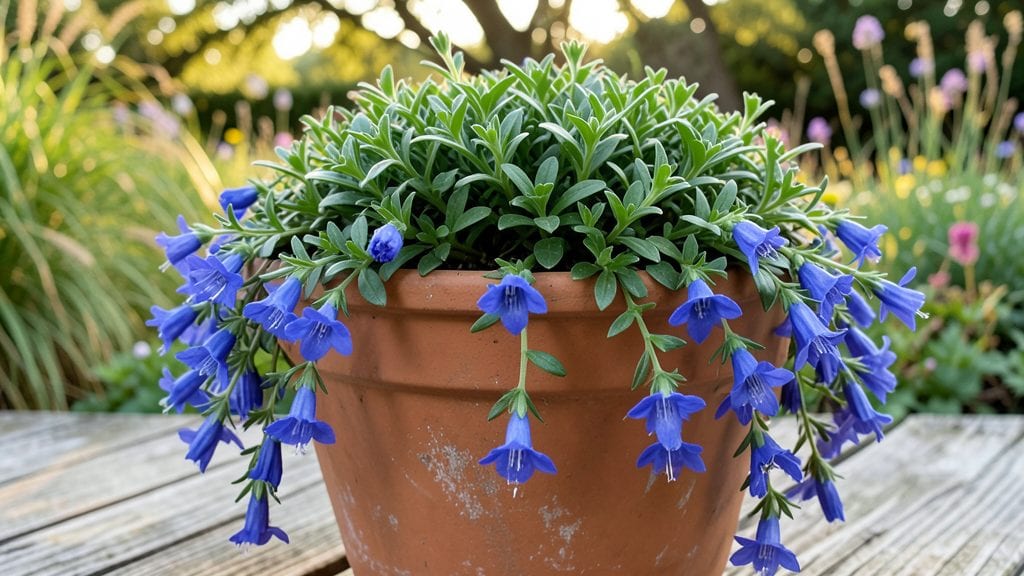
The Blue Enchantment flower is a dreamy, sky-blue cloud of blooms that turns heads and hummingbirds into regular visitors. I first spotted it in a cottage garden where it spilled over a stone wall, creating a soft, misty blue effect that felt like walking through a fairy tale.
This isn’t just any blue flower—it’s a long-blooming powerhouse that keeps pollinators buzzing from early summer until frost.
What makes it so special? It thrives in full sun to partial shade, grows 2-3 feet tall, and has a loose, airy habit that pairs beautifully with lavender, silver foliage, or deep purple salvias.
The blooms stay fresh when cut, too, so you can bring that dreamy blue indoors for romantic bouquets that last a week or more.
Imagine it lining a garden path, where its delicate petals contrast with textured grasses or bold foliage plants like heucheras. Or try it in containers with trailing plants like sweet potato vine—it’s the kind of combination that makes neighbors stop and ask, “What’s that gorgeous blue?” The secret?
Plant it where you’ll see it every day, because once it blooms, you’ll never want it to stop.
For best results, deadhead spent blooms to encourage more flowers, and mulch well to keep the roots cool. It’s low-maintenance but high-impact, the kind of plant that makes gardening feel like magic. Ready to add a little enchantment to your space?
📚 In This Guide
- What you need
- Instructions
- Tips and common mistakes
- Wrapping up and next steps
What you need
- ● Seeds or Nursery Plants: 5–10 Blue Enchantment Flower seeds (if starting from scratch)
- ● OR 3–5 healthy nursery-grown plants (for faster results)
- ● Well-Draining Potting Mix: 2–3 gallons (for containers) or enriched garden soil (amend with compost if needed)
- ○ Containers (Optional for Pots): 12–18 inch pots with drainage holes (if not planting directly in the ground)
- ● Fertilizer: Balanced, slow-release granular fertilizer (10-10-10) or organic compost
- ● Watering Can or Hose: With a gentle spray nozzle for even moisture
- ● Mulch: Organic mulch (e.g., shredded bark or straw) to retain moisture and suppress weeds
- ● Pruning Shears: Sharp, clean shears for trimming spent blooms
- ● Pollinator-friendly companion plants (e.g., lavender, bee balm, or coneflowers) for a thriving ecosystem
- ● Stakes or cages (if your garden gets windy—these flowers can get top-heavy!)
- ● Slow-release watering granules to reduce maintenance
- ● Garden gloves for extra comfort while handling soil or plants
How to grow and maintain blue Enchantment flowers for season-long color
Here's the foolproof method I use to keep these pollinator magnets thriving from spring through fall.
Select the Perfect Planting Location
Blue Enchantment flowers—typically a cultivar of Nepeta or Agastache—thrive in full sun to partial shade, with at least 6 hours of direct sunlight daily. Choose a spot with well-draining soil, as these plants despise soggy roots. I always test drainage by digging a 6-inch hole, filling it with water, and checking if it drains within an hour. If not, amend the soil with 2-3 inches of compost to improve aeration.
These flowers perform best in USDA Hardiness Zones 3-9, making them versatile for most climates. In hotter regions, opt for morning sun with afternoon shade to prevent leaf scorch. Watch for the first flush of blue blooms—this confirms the plant is happy in its chosen spot.
Prepare Soil and Plant with Proper Spacing
Amend the soil with a balanced 10-10-10 fertilizer mixed into the top 12 inches of soil to provide essential nutrients without overwhelming the plant. Blue Enchantment flowers prefer slightly alkaline soil (pH 6.5-7.5), so test your soil and adjust with pelletized lime if needed. I like to work in 1-2 inches of compost at planting time to encourage strong root development.
Space plants 18-24 inches apart to allow airflow and prevent fungal diseases. Dig a hole twice as wide as the root ball but no deeper—planting too deep can suffocate the roots. Gently loosen the roots if they’re circling and place the plant so the top of the root ball sits level with the soil surface. Backfill with native soil, pressing lightly to remove air pockets.
Water Deeply and Establish a Consistent Routine
Water deeply once a week during the first 4-6 weeks to encourage deep root growth. You’ll know you’ve watered enough when top 2 inches of soil feel dry to the touch. Overwatering leads to root rot, so always check before adding more water. Once established, these drought-tolerant plants only need watering every 10-14 days, unless your region experiences extreme heat.
Mulch around the base with 2-3 inches of organic mulch (like shredded bark) to retain moisture and suppress weeds. Keep the mulch 2 inches away from the stem to prevent rot. You’ll notice the first true leaves emerging within 2-3 weeks—this is your cue that the plant is settling in.
Prune for Bushier Growth and Extended Blooms
Deadhead spent blooms every 2-3 weeks to encourage continuous flowering. Pinch back 1/3 of the stem just above a set of leaves to promote bushier growth. I always use clean, sharp pruners to avoid tearing the stems. Prune in early spring to shape the plant and again in late summer to remove leggy growth.
In fall, cut back the plant by half to tidy it up, but leave some stems for winter interest. These flowers are perennial in most zones, so they’ll return year after year with proper care. Watch for new shoots in early spring—this means the plant is ready to bloom again.
Fertilize and Protect for Long-Term Health
Apply a slow-release fertilizer in early spring to support new growth. I use a 5-10-5 formula for a gentle nutrient boost without risking over-fertilization. Avoid high-nitrogen fertilizers, which promote leafy growth at the expense of flowers. Instead, focus on phosphorus and potassium to encourage blooming.
Protect young plants from slugs and snails with diatomaceous earth or copper barriers. Mature plants are more resilient, but early-season pests can still be an issue. You’ll know your plants are thriving when they produce vibrant blue flowers from early summer through fall, attracting bees and butterflies effortlessly.
Tips & tricks for perfect blue Enchantment flower care
These simple yet game-changing tips will help you coax the most vibrant blooms from your Blue Enchantment flowers all season long.
Sunlight Strategy: The 6 hours of direct sunlight mentioned in Step 1 is non-negotiable for those signature blue blooms, but here's the thing: morning sun with afternoon shade in hot climates actually prevents leaf scorch while maintaining flower production. I've seen plants in Zone 8 thrive with this adjustment. Pay attention to how your plants look after a few weeks—if leaves show brown edges, they're getting too much afternoon heat.
Soil Science: That 10-10-10 fertilizer in Step 2 is balanced, but don't stop there. I've found Blue Enchantment flowers respond beautifully to a top-dressing of compost every spring—just sprinkle 1-2 inches around the base and lightly scratch it into the soil surface. This gives them a slow-release nutrient boost without overwhelming the roots. Think of it as their annual spa treatment.
Watering Wisdom: The deep watering routine in Step 3 works wonders, but here's what nobody tells you: water in the early morning. This gives the soil time to dry out during the day, reducing fungal risks. I also recommend using a moisture meter—when it reads dry at 2 inches down, that's your cue to water again. Overwatering is the #1 reason these flowers underperform.
Pruning Precision: When you're deadheading every 2-3 weeks as instructed, focus on removing only the spent blooms—not the entire flower stem. Cut just above the first set of healthy leaves to encourage new growth from that node. I've seen plants double their flowering season by following this exact method. And always use clean pruners—disease can spread through dirty tools.
Pro Tips for Blue Enchantment Flower
- These simple yet game-changing tips will help you coax the most vibrant blooms from your Blue Enchantment flowers all season long.
- I've seen plants in Zone 8 thrive with this adjustment.
- Soil Science: That 10-10-10 fertilizer in Step 2 is balanced, but don't stop there.
Frequently asked questions
How fast does Blue Enchantment Flower grow?
The Blue Enchantment Flower (a cultivar of Agastache) typically reaches maturity in 60–90 days from seed. Once established, it grows 2–4 feet tall and spreads 1–2 feet wide per season. For faster results, opt for nursery-grown plants—they bloom earlier and thrive quicker!
When is the best time to plant Blue Enchantment Flower?
Plant seeds 4–6 weeks before your last frost date (spring) or start them indoors 8–10 weeks early. Transplant seedlings outdoors after soil warms to 50°F (10°C). For year-round blooms, deadhead spent flowers and enjoy season-long color—they’re drought-tolerant once established!
Why aren’t bees or butterflies visiting my Blue Enchantment Flower?
If pollinators are scarce, check these fixes:
- Timing: Plant when native pollinators are active (spring/summer).
- Location: Place in sunny spots (6+ hours/day)—they need light to attract visitors!
- Water: Lightly water before dawn to keep blooms hydrated (but avoid soggy soil).
- Alternatives: Pair with bee-balms, lavender, or coneflowers for a pollinator magnet.
Can Blue Enchantment Flower survive winter?
Yes! This hardy perennial thrives in USDA Zones 3–9. In colder climates, mulch the base with 2–3 inches of straw or leaves after the first frost. Prune back dead foliage in early spring—new growth emerges quickly, and blooms return reliably!
What’s a good alternative if I can’t find Blue Enchantment Flower?
Try these pollinator-friendly blue bloomers with similar charm:
- Blue Fescue Grass (drought-tolerant, ornamental)
- Catmint (Nepeta) (long-blooming, deer-resistant)
- Salvia ‘May Night’ (hummingbird favorite)
- Delphinium (tall, showy spikes)
All attract bees, butterflies, and birds—just ensure they match your sunlight and soil needs!
Wrapping up and next steps
The Blue Enchantment Flower isn’t just a burst of color—it’s a pollinator’s paradise, blooming reliably and drawing life to your garden all season long. With its low-maintenance charm and vibrant appeal, it’s the perfect choice for both novice and seasoned gardeners alike. 🌸
Ready to transform your outdoor space? Start small—plant a few in pots or borders, then expand as you see your garden buzz with activity! Whether you’re drawn to its beauty or its eco-friendly benefits, now’s the time to make it grow.