
Flowers
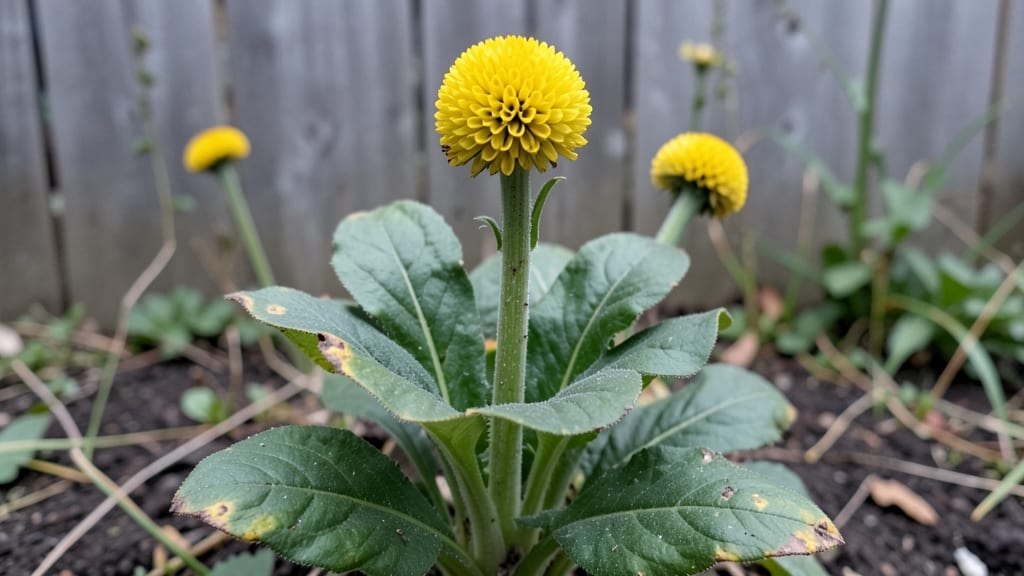
Growing blue globe flowers means adding shockingly vibrant pops of color to your garden with almost no fuss—these drought-resistant beauties thrive where others struggle. 🌿 I planted mine last spring, and by summer, they were covered in tight, cobalt-blue buds that lasted well into fall.
The secret lies in their Pacific Northwest roots, where they handle dry spells like a champ.
You’ll need well-draining soil, full sun, and patience—these aren’t fast growers, but once established, they spread happily with minimal care. The real magic happens in their low-water needs and ability to bounce back after heatwaves, making them perfect for busy gardeners or water-conscious yards.
Just avoid soggy soil, and you’ll get years of effortless blooms.
By late summer, you’ll have clusters of velvety blue globes that hummingbirds adore, with foliage that stays green even when other plants wilt. The flowers dry beautifully too, so you can cut them for long-lasting bouquets or let them seed for next year’s display.
It’s the kind of plant that makes neighbors ask, “What’s that?”—and then wish they’d planted one.
Whether you’re filling a sunny border, lining a path, or just adding a pop of color to a container, blue globe flowers deliver neighbor-jealousy levels of beauty with almost no maintenance. Let’s get yours growing strong!
📚 In This Guide
- What you need
- Instructions
- Tips and common mistakes
- Wrapping up and next steps
What you need
- ● Blue globe flower seeds or bulbs: 5–10 bulbs (or seeds if available) for optimal visual impact. Choose certified organic or locally adapted varieties for best results.
- ● Well-draining soil mix: A blend of cactus/succulent soil (60%), perlite or pumice (20%), and sand (20%) to mimic their natural rocky habitat. 💡 Pro tip: Avoid heavy clay soils—they’ll suffocate the roots!
- ● Pot or planting area: Containers: 6–8" diameter pots with drainage holes (1–2 bulbs per pot). Use terracotta or fabric grow bags for extra breathability.
- ● In-ground: A sunny, south-facing slope or raised bed with full sun exposure (6+ hours/day) and excellent drainage.
- ● Drainage layer: 1–2 inches of gravel, lava rock, or coarse sand at the bottom of pots or planting holes to prevent root rot.
- ● Watering can or hose with a gentle spray nozzle: For minimal, deep watering (overwatering is the #1 killer of blue globe flowers!).
- ● Slow-release fertilizer: A balanced 5-5-5 or 10-10-10 organic fertilizer (e.g., fish emulsion or worm castings) to apply once in early spring.
- ● Mulch: Gravel or decomposed granite (avoid organic mulch—it retains too much moisture). Spread a 1-inch layer around plants to deter weeds and regulate soil temp.
- ● Plant labels: Waterproof markers to track varieties and planting dates (these bulbs are finicky and benefit from notes!).
- ● Shade cloth (30–50% coverage): For seedlings or extreme PNW heatwaves; remove once acclimated.
- ● Compost tea or mycorrhizal fungi: Boosts soil health and root resilience in poor or rocky soils.
- ● Garden gloves: Protect your hands from the sharp edges of dried bulbs (they’re tougher than they look!).
Step-by-Step instructions for planting and cultivating blue globe flowers
Here's how to establish thriving blue globe flowers in your Pacific Northwest garden—drought-resistant and vibrant once rooted.
🌱 Step 1: Select and Prepare the Planting Site
Blue globe flowers (Tecophilaea cyanocrocus) thrive in well-draining soil with full sun to partial shade—ideal for Pacific Northwest gardens where morning sun and afternoon shade prevent afternoon heat stress. Choose a location with 6+ hours of sunlight daily but protection from harsh afternoon rays in summer.
Test your soil's drainage by digging a 6-inch hole and filling it with water. If it drains completely within 2 hours, your site is suitable. Amend heavy clay soil with 3-4 inches of coarse sand or perlite per square foot to improve aeration. I always add a 1-inch layer of compost to the backfill—this provides organic matter without altering drainage too drastically.
🪴 Step 2: Plant Bare-Root or Potted Specimens at the Right Time
Plant bare-root blue globe flowers in early spring (March-April) when soil temperatures reach 50°F, or in fall (September-October) to allow roots to establish before winter. For potted plants, transplant anytime the soil isn't frozen. Dig a hole twice as wide as the root ball but only as deep—the top of the root ball should sit flush with soil level to prevent crown rot.
Loosen the roots gently if they're circling in a pot, then place the plant in the hole. Fill around the roots with native soil, pressing lightly to remove air pockets. Water immediately to settle the soil and eliminate gaps. I like to add a mulch ring of 2-3 inches of gravel around the base—this mimics their natural rocky habitat and discourages weeds while maintaining excellent drainage.
☀️ Step 3: Establish Watering and Light Routines
Blue globe flowers are drought-tolerant once established, but they need consistent moisture for the first 2-3 months to encourage root growth. Water deeply once a week during the first season, soaking the soil to 12 inches deep. Check moisture by inserting a wooden stake—if the soil sticks to it when pulled out, it's sufficiently damp. Reduce watering to every 2-3 weeks after the first year unless experiencing extreme heat.
Monitor light exposure closely. In the Pacific Northwest's cooler summers, they may need dappled shade to prevent leaf scorch. You'll notice yellowing leaves if the sun is too intense—this is your cue to provide afternoon shade. In winter, they tolerate partial shade but still require bright light to bloom well the following spring.
✂️ Step 4: Prune and Maintain for Long-Term Health
Deadhead spent blooms by snipping the stem just above the first set of leaves to encourage more flowers. I do this in late spring through summer as blooms fade. Avoid heavy pruning—blue globe flowers bloom on current season growth, so cutting back too aggressively reduces next year's flowers. In early spring, remove any dead or damaged foliage to promote new growth.
Fertilize lightly in early spring with a balanced, slow-release fertilizer (10-10-10) applied at half the recommended rate. Over-fertilizing leads to lush foliage but fewer blooms. These plants prefer lean, mineral-rich soil—think of their natural rocky habitats. I've found they perform best with minimal intervention after the first season of establishment.
🌿 Step 5: Overwintering for Pacific Northwest Climates
Blue globe flowers are hardy to USDA Zone 7, making them suitable for the Pacific Northwest's mild winters. In Zone 6 or colder, mulch the base with 3-4 inches of straw or leaves in late fall to insulate roots. Remove mulch in early spring once new growth appears. In Zone 8+, they may need afternoon shade during summer to prevent heat stress.
Watch for leaf drop in winter—this is normal. The plant stores energy in its roots, and new shoots emerge in early spring. If your winters are particularly wet, ensure the planting area has excellent drainage to prevent root rot. A well-established blue globe flower will reward you with vibrant blooms for decades with minimal care.
Tips & tricks for perfect blue globe flower cultivation
These pro tips will help you avoid common pitfalls and maximize the stunning blooms of your Pacific Northwest blue globe flowers.
Soil Drainage Test: The 2-hour drainage test in Step 1 is non-negotiable—blue globe flowers absolutely hate soggy roots. If your soil doesn't drain within this time, consider planting in raised beds or containers with drainage holes. I've seen roots rot out in just days when planted in heavy clay without proper amendments. For extra insurance, mix in 20% perlite by volume when amending your soil.
Planting Depth Secret: That flush-with-soil-level positioning in Step 2 isn't just about aesthetics—it's about preventing crown rot. The crown (where stems meet roots) should never be buried. I've learned this the hard way after losing plants to fungal issues from improper planting depth. Use a small stake or marker to check depth before backfilling.
Watering Technique: The deep watering routine in Step 3 works best with a soaker hose or drip irrigation placed at the base of the plant. This delivers water directly to roots while keeping foliage dry, which prevents fungal diseases. In the Pacific Northwest's rainy seasons, you might need to adjust your schedule—always check that wooden stake test before watering again.
Light Monitoring: Those yellowing leaves in Step 3 are your plant's way of saying "too much sun." In hotter summers, I move my blue globe flowers to partial shade by placing a sheer fabric screen over them during peak afternoon hours. This mimics their natural habitat where they grow under canopies in rocky outcrops. The key is maintaining that balance between sun and shade.
Pro Tips for Blue Globe Flower
- These pro tips will help you avoid common pitfalls and maximize the stunning blooms of your Pacific Northwest blue globe flowers.
- Soil Drainage Test: The 2-hour drainage test in Step 1 is non-negotiable—blue globe flowers absolutely hate soggy roots.
- Planting Depth Secret: That flush-with-soil-level positioning in Step 2 isn't just about aesthetics—it's about preventing crown rot.
Frequently asked questions
Got questions about growing blue globe flowers (Sisyrinchium bellum) in your Pacific Northwest garden? Here are some of the most common ones—and their answers—to help you bloom with confidence!
What’s the best time to plant blue globe flowers in the PNW?
Plant them in early spring (March–April) or early fall (September–October) for the best root establishment. Avoid summer heatwaves—they prefer cooler soil temps (50–70°F). If you’re in a wetter PNW zone (like western WA), fall planting reduces transplant shock.
How often should I water blue globe flowers once established?
Once rooted, these drought-resistant beauties thrive on deep but infrequent watering—about once every 1–2 weeks in summer, unless your soil is sandy. Overwatering causes root rot! Mulch with gravel or bark to retain moisture and deter weeds. Pro tip: Let the soil dry out between waterings.
Can blue globe flowers grow in full sun or partial shade?
They love full sun (6+ hours daily) for vibrant blooms, but in hotter PNW valleys (e.g., eastern OR), afternoon shade prevents wilting. In cooler coastal areas (like Seattle), they tolerate partial shade (4–6 hours sun), though blooms may be less prolific. Test your spot: If it’s dry and sunny, they’ll flourish!
Why aren’t my blue globe flowers blooming this year?
Common culprits:
- Too much nitrogen (fertilizer) = leafy growth, no flowers. Use a low-nitrogen, high-phosphorus fertilizer (5-10-10 ratio) in early spring.
- Overcrowding: Divide clumps every 3–4 years to improve airflow and blooms.
- Poor drainage: They hate soggy roots. Amend clay soil with sand or gravel.
What are some low-maintenance alternatives to blue globe flowers?
If you want similar drought-tolerant, blue/purple blooms for the PNW:
- Catmint (Nepeta): Silvery foliage, bee magnet, blooms all summer.
- Lavender (Lavandula): Fragrant, deer-resistant, thrives in poor soil.
- Salvia (Salvia nemorosa): Tall spikes, heat-loving, and pollinator-friendly.
- Pacific Coast Iris (Iris tenax): Native, sword-like leaves, blue/purple blooms.
Wrapping up and next steps
The blue globe flower isn’t just a stunning addition to your Pacific Northwest garden—it’s a resilient, low-maintenance superstar that thrives even in drought. With its vibrant blooms and drought-resistant charm, it’s the perfect way to bring color and life to your outdoor space while saving water.
Whether you’re a seasoned gardener or just starting out, this blue beauty is well within your reach!
Ready to transform your garden? Grab your supplies, follow the steps, and watch your blue globe flowers burst into bloom—you’ve got this! 🌸✨