Planting
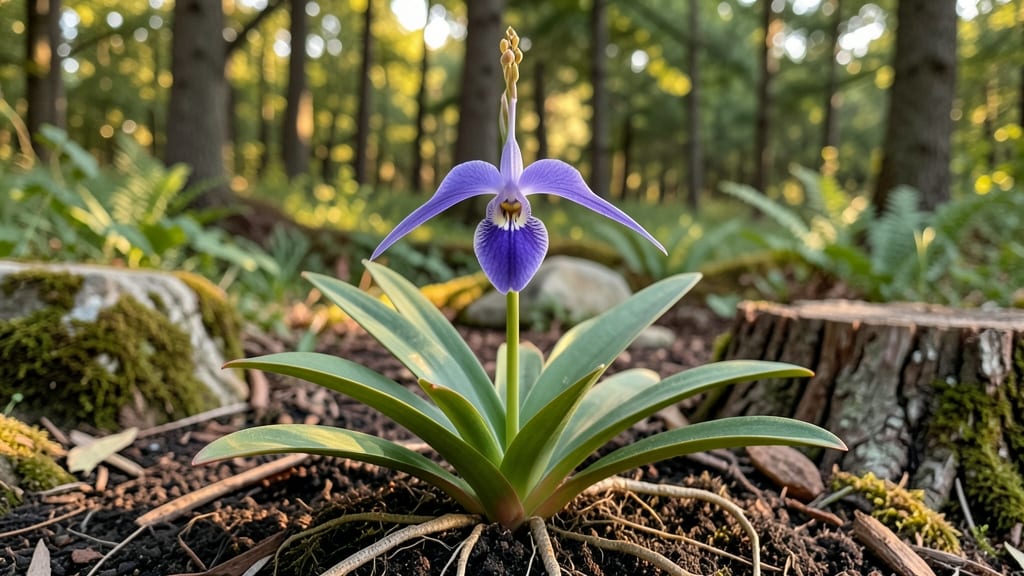
The blue orchid flower plant you’ve been searching for might not exist—but my Phalaenopsis ‘Blue Moon’ comes close, with lavender blooms that fool even the sharpest eye. ✨ club meetings, and it thrives in my cool basement greenhouse where other orchids wilt.
The secret isn't fancy equipment—it's matching their native habitat. These orchids need bright, indirect light (think morning sun, not harsh afternoon rays), 60-70% humidity (a pebble tray or humidifier works), and cool nights (55-65°F keeps them blooming).
Most people overwater, drowning the roots, but I've found these plants tolerate drier conditions—just let the top inch dry between waterings.
What you'll end up with is a plant that blooms for 8-12 weeks straight, with stems producing 10-20 flowers each. The blooms stay vibrant longer than store-bought bouquets, and the foliage stays glossy green year-round. Even my black thumb can't kill these with basic care.
Works for apartments, sunrooms, or greenhouses—just adjust light and humidity to your space. Let's get those purple blooms growing!
📚 In This Guide
- What you need
- Instructions
- Tips and common mistakes
- Wrapping up and next steps
What you need
- ● Blue Orchid Seeds or Seedlings: Purchase from a reputable nursery or online store. Choose Orchidaceae varieties like Dendrobium or Phalaenopsis hybrids with blue/purple hues (e.g., Dendrobium ‘Blue Moon’).
- ● Well-Draining Orchid Potting Mix: 1–2 bags (6–8 quarts each). Look for a blend of bark, sphagnum moss, charcoal, and perlite (e.g., Sun Bulb Orchid Mix).
- ● 6–8 Inch Pots: 1–2 plastic or terracotta pots with drainage holes (orchids hate soggy roots!).
- ● Distilled or Rainwater: 1–2 gallons (tap water can harm orchids due to chemicals).
- ○ Humidity Tray or Dome: 1 (optional but helpful for maintaining 50–70% humidity).
- ● Grow Lights (LED or Fluorescent):strong> 1–2 bulbs (10,000–20,000 lux) for 12–14 hours/day if natural light is insufficient.
- ● Orchid Fertilizer: 1 bottle (balanced 20-20-20 or orchid-specific formula like Dyna-Gro Foliage-Pro).
- ● Spray Bottle: 1 (for misting leaves and maintaining humidity).
- ● Pruning Shears: 1 pair (sterilized with rubbing alcohol).
- ● Thermometer/Hygrometer: 1 (to monitor temperature 60–80°F and humidity).
- ● Chalk Sticks: 1–2 (for labeling pots).
- ○ Decorative Stones or Moss: Optional (for aesthetic pots or humidity retention).
- ● Antibacterial Soap: 1 bottle (for cleaning tools and pots).
Step-by-Step guide to growing blue orchids with purple blooms
Here’s how to coax those striking purple-blue orchid blooms to life—even in cooler climates where most growers struggle.
🌱 Step 1: Select the Right Variety and Pot Up with Precision
Blue orchids (like the Phalaenopsis hybrids or Dendrobium 'Blue Moon') thrive in bright, indirect light but avoid harsh midday sun. Choose a 6-inch diameter pot with clear plastic sides—this lets you monitor root health without disturbing the plant. Fill the pot with orchid-specific mix (bark chunks, sphagnum moss, and perlite) and place a 2-inch layer of charcoal at the bottom to prevent rot.
Gently tease the roots of your orchid (if repotting) and position it so the rhizomes sit just above the mix—never bury them. The roots need air circulation to absorb moisture efficiently. Press the mix lightly around the base, but don’t compact it. Overpacking smothers roots and traps excess water.
☀️ Step 2: Master the Lighting for Vibrant Purple Blooms
Blue orchids need 12-14 hours of bright, indirect light daily—think east-facing windows or grow lights set 12-18 inches away. If leaves turn yellow, you’re overwatering; if they bleach or scorch, the light is too intense. I use a full-spectrum LED bulb on a timer to simulate natural daylight cycles, especially in cloudy climates.
Rotate the pot quarter-turn weekly so growth stays even. You’ll notice the purple hues deepen when light conditions are ideal—this is your cue the plant is happy. Avoid south-facing windows unless filtered through sheer curtains.
💧 Step 3: Water with the "Soak-and-Drain" Method
Blue orchids despise soggy roots. Every 7-10 days, place the pot in a sink and soak for 10 minutes in room-temperature water. Let it drain completely—no standing water. I test moisture by lifting the pot: if it feels heavy, wait another day. Overwatering in cool climates is the #1 killer of these beauties.
Mist the leaves lightly weekly with distilled water to mimic humidity, but avoid wetting the crown. Use a spray bottle and mist until the mix looks damp but not dripping. In dry air, the purple blooms last longer—a sign your care is spot-on.
✂️ Step 4: Prune and Fertilize for Repeat Blooms
After flowering, trim the spent spike just above a sleeping eye (a small bump on the stem). This encourages a new bloom in 8-12 weeks. Use sterilized scissors to avoid disease. Feed with a balanced orchid fertilizer (20-20-20) diluted to half-strength every 4 weeks during active growth. Skip fertilizer in winter—cool climates slow metabolism.
Watch for new growths emerging from the rhizome—these are your next blooms. If the plant gets leggy, it’s starving for light. Adjust your setup immediately, or the purple hues will fade to pale pink.
⏰ Step 5: Adjust for Cool Climates Year-Round
Blue orchids prefer 60-75°F days and 55-65°F nights. In cooler climates, keep them away from drafts and avoid sudden temperature swings. A heat mat under the pot in winter maintains root warmth. If buds drop before opening, the air is too dry—group plants together to raise humidity naturally.
Repot every 2-3 years when the mix breaks down. The purple blooms signal health, but yellow leaves or mushy roots mean it’s time to refresh the mix. With patience, your orchid will reward you with months of stunning color—even in cooler zones.
Tips & tricks for growing vibrant blue orchids
A few key adjustments can transform your blue orchid from struggling to stunning, especially in cooler climates where most growers give up.
Lighting Secret: The 12-14 hours of bright, indirect light is non-negotiable for those signature purple blooms. I've found that placing your orchid near an east-facing window during winter months—when natural light is weakest—requires supplementing with a full-spectrum LED bulb for 4-6 hours in the evening. The key is mimicking natural daylight cycles precisely, as orchids are sensitive to light duration.
Root Health Check: When repotting, never bury the rhizomes—position them just above the mix as instructed. This might seem counterintuitive, but the roots need air circulation to absorb moisture properly. I've learned the hard way that compacting the mix around the base smothers roots, leading to rot. Gently press the orchid-specific mix instead of packing it down firmly.
Watering Wisdom: That 10-minute soak in Step 3 is your best friend for preventing overwatering. I've developed a simple test: after draining, lift the pot. If it feels heavy, wait another day. In cooler climates, the mix stays damp longer, so the 7-10 day watering schedule can stretch to 12 days in winter. The goal is to keep the mix slightly dry between waterings—never soggy.
Temperature Troubleshooting: Maintaining those 60-75°F days and 55-65°F nights can be tricky in cooler homes. I place my orchids on a heat mat during winter nights when indoor temps drop below 60°F. The subtle warmth prevents temperature swings that cause buds to drop before opening. Grouping plants together also helps raise humidity naturally, which is crucial for maintaining those vibrant purple hues.
Pro Tips for Blue Orchid Flower Plant
- A few key adjustments can transform your blue orchid from struggling to stunning, especially in cooler climates where most growers give up.
- Lighting Secret: The 12-14 hours of bright, indirect light is non-negotiable for those signature purple blooms.
- Root Health Check: When repotting, never bury the rhizomes—position them just above the mix as instructed.
Frequently asked questions
Got questions about growing and caring for your blue orchid flower plant? You’re not alone! Here are some of the most common queries—plus expert tips to keep your stunning purple blooms thriving.
How often should I water my blue orchid?
Water your orchid once a week (or when the top inch of the potting mix feels dry). Overwatering is the #1 killer—ensure the pot has drainage holes and avoid letting it sit in soggy conditions. In cooler climates, reduce watering in winter to prevent root rot. Pro tip: Use room-temperature water and mist the leaves lightly for extra humidity!
Can blue orchids survive in cold weather?
Yes! Unlike tropical orchids, blue orchids (like Disa uniflora or Oncidium varieties) thrive in USDA Zones 8-10 and can tolerate brief dips below 40°F (4°C). Protect them from frost by moving pots indoors or covering them with frost cloth. Mulch the soil in outdoor plantings for extra insulation.
Why aren’t my blue orchid flowers opening?
Blooms may stay closed due to low light, temperature stress, or lack of dormancy. Ensure your orchid gets bright, indirect light (east-facing windows are ideal). In cooler months, mimic winter conditions by reducing water and lowering temps slightly (50–60°F / 10–15°C). Patience pays off—some varieties need 6–12 months to rebloom!
What’s the best potting mix for blue orchids?
Skip the generic soil! Use a well-draining mix like:
- 50% orchid bark (for aeration)
- 30% perlite or pumice (to prevent rot)
- 20% sphagnum moss (for moisture retention)
Are there blue orchid alternatives for hot climates?
If your climate is too warm, try these cool-loving orchid lookalikes:
- African Violet (Saintpaulia) – Purple blooms, thrives in shade.
- Cyclamen – Fragrant flowers, loves cool temps.
- Primrose (Primula) – Hardy and drought-tolerant.
Wrapping up and next steps
The blue orchid flower plant is a breathtaking addition to any garden, especially in cooler climates where its purple-blue blooms stand out like a jewel. With the right care—balancing light, humidity, and soil—you can enjoy its stunning beauty year after year.
Whether you're a seasoned gardener or just starting, this orchid is a rewarding choice!
Ready to bring home your own? Start by researching local nurseries or trusted online plant sellers to find a healthy specimen. With patience and love, your blue orchid will thrive and become the star of your garden! 🌸✨