
Flowers
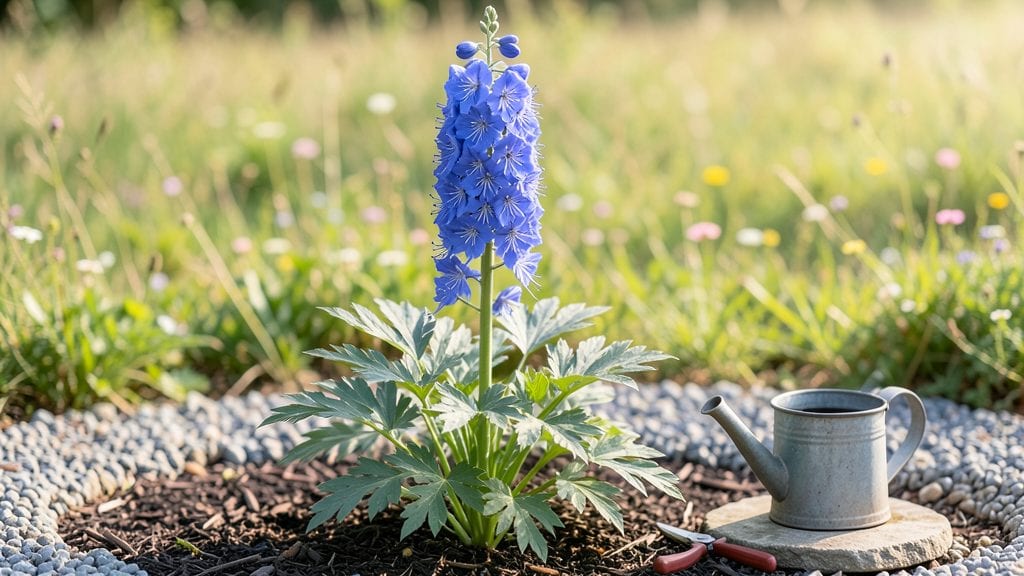
Nothing says Pacific Northwest charm like blue round flowers tumbling over container edges—delphiniums, salvias, and globe thistles that turn patios into cool-toned oases. I’ve filled my own containers with these bold blooms, and the difference between a "decorative pot" and a showstopper comes down to color contrast and sturdy stems.
The key is pairing deep blues with silvery foliage or chartreuse accents; the contrast makes those round blooms pop like sapphires against mossy greens.
These plants thrive in containers because they’re built for structure—delphiniums reach for the sky, salvias hold their shape, and globe thistles add texture. You’ll need well-draining soil, a 12- to 18-inch-deep pot for taller varieties, and a spot with 4-6 hours of morning sun to prevent afternoon wilting.
The payoff? Containers that stay vibrant from early summer through frost, drawing in bees and hummingbirds while keeping your space cool and inviting.
Start with three types—one tall (delphinium), one mid-height (salvia), and one trailing (like lobelia)—to create layers. The round blooms catch light differently than flat petals, making them perfect for catching sunlight through misty mornings.
By late summer, you’ll have a container that feels like a miniature garden, with pollinators buzzing around and neighbors asking for cuttings.
Pro tip: Mix in a dwarf coneflower for vertical contrast or let a blue fescue grass spill over the edges. These combos work in partial shade too, making them ideal for the PNW’s dappled light.
Once you’ve mastered the basics, experiment with blue-and-white pairings for a cottage-garden feel or blue-and-orange for high-impact drama.
📚 In This Guide
- What you need
- Instructions
- Tips and common mistakes
- Wrapping up and next steps
What you need
- ● Blue Round Flowers: 1-3 Delphinium (Delphinium elatum) – Tall, spiky blue blooms (6-8 plants for full impact)
- ● 3-5 Balloon Flower (Platycodon grandiflorus) – Round, sky-blue pom-poms (12-18" tall)
- ● 5-7 Lobelia (Lobelia erinus) – Trailing blue star-shaped flowers (for cascading effect)
- ○ Optional: Blue Flax (Linum lewisii) – Airy, round clusters (drought-tolerant)
- ● Container: 1 large fiberglass, ceramic, or wood planter (18"+ diameter, 12"+ depth) with drainage holes
- ● OR 2-3 medium-sized containers (12"+ diameter) for smaller arrangements
- ● Soil: 1 bag high-quality potting mix (look for "container blend" with perlite/vermiculite)
- ● 1 cup peat moss or coconut coir (for moisture retention)
- ● 1 cup perlite or pumice (for drainage)
- ● Basic Tools: 1 pair gardening gloves (nitrile-coated for durability)
- ● 1 trowel or small shovel (for planting)
- ● 1 pruners or scissors (clean, sharp for trimming)
- ● 1 watering can (with a fine rose nozzle)
- ○ Optional (But Helpful!): 1 container liner (if using a decorative pot without drainage)
- ● 1 slow-release fertilizer (10-10-10 or organic option)
- ● 1 mulch (gravel or decorative stones for a polished look)
- ● 1 plant support stakes (for tall delphiniums, 24"+)
How to create a striking container display with blue round flowers
Here's how to build a bold, Pacific Northwest-inspired container garden that thrives in your space.
Select Complementary Blue Round Flower Varieties
For maximum impact, choose blue round flowers with varying bloom times and heights. Delphiniums ('Pacific Giant' series) provide dramatic 2-3 foot spikes, while shorter 12-18 inch options like Nepeta 'Walker's Low' or Salvia 'May Night' create layered interest. I always include at least one trailing plant—like Lobelia 'Crystal Palace'—to spill over container edges and soften the vertical lines.
Consider color coordination too. Pair deep blue delphiniums with silver foliage plants like Artemisia 'Powis Castle' for contrast, or choose lighter blues like Agapanthus 'Blue Ensign' alongside chartreuse foliage for a fresh, airy look. The PNW's cool climate favors these varieties, which all tolerate partial shade to full sun once established.
Choose the Right Container and Drainage System
For four robust plants, select a container with at least 12-15 gallons capacity—think 20-24 inches in diameter for proper root development. I prefer unglazed terra cotta for its breathability, but ensure it has multiple drainage holes at the bottom. If your container lacks drainage, drill ¼-inch holes along the bottom edge and line with landscape fabric to prevent soil loss.
Add a 2-inch layer of gravel or expanded shale at the bottom before soil. This creates a reservoir for excess water while preventing root rot—a common issue in PNW's damp climate. The extra drainage layer also helps maintain consistent moisture without soggy roots during our frequent rainy periods.
Create a Well-Draining Soil Mix for Long-Term Health
Combine equal parts of high-quality potting mix, perlite, and compost to create a loose, airy medium that mimics the region's natural forest soils. The potting mix provides structure, while perlite prevents compaction—a critical factor for container plants that experience wide temperature swings in coastal climates. Add ½ cup of slow-release fertilizer (10-10-10 ratio) to the mix to support the first 6-8 weeks of growth.
Fill the container ¾ full with this mix, leaving room for root development. Press down gently to eliminate air pockets, but avoid compacting the soil. You'll see the ideal texture when it holds together when squeezed but crumbles easily with slight pressure. This balance ensures proper drainage while retaining enough moisture for the plants' deep roots.
Arrange Plants for Visual Impact and Stability
Place the tallest blue round flowers—like delphiniums—center back in the container, where they'll receive the most light. Position medium-height plants 6-8 inches in front of them, creating a pyramid effect that draws the eye upward. Fill the front with trailing plants, allowing their stems to cascade over the container edges naturally.
Space plants according to their mature widths: 18-24 inches apart for delphiniums, 12-15 inches for salvias, and 8-10 inches for nepeta. The PNW's frequent winds can topple lightweight containers, so bury ½ of each plant's root ball deeper than it was in the nursery pot to anchor it securely. Water thoroughly after planting to settle the soil around roots.
Establish a Watering and Maintenance Routine
Water deeply every 2-3 days during the first 2 weeks to encourage root establishment, then adjust based on weather. In the PNW's maritime climate, containers dry out faster than in-ground plantings, so check soil moisture by inserting your finger 1 inch deep—water when it feels dry. Avoid wetting foliage to prevent fungal diseases common in our damp summers.
Fertilize monthly during the growing season with a balanced liquid fertilizer (20-20-20) diluted to half strength. Deadhead spent blooms regularly to encourage continuous flowering, especially with delphiniums which respond well to this pruning. In fall, reduce watering gradually and remove any damaged foliage to prepare plants for winter dormancy.
Tips & tricks for perfect blue round flower container designs
Creating a stunning container display with blue round flowers isn't just about planting—it's about strategic planning that makes all the difference between a pretty arrangement and a showstopper.
Layering for Visual Impact: When arranging your blue round flowers in Step 4, think vertically first. The tallest varieties like delphiniums should anchor the back of your container, while medium-height plants like salvia create a natural staircase effect. I like to place trailing lobelia in the front to soften the edges—this creates that signature "spilling over" look that makes containers feel alive. The key is to visualize the final height before planting, especially since PNW winds can easily topple lightweight arrangements.
Soil Texture Matters: In Step 3, when mixing your equal parts potting mix, perlite, and compost, don't just eyeball it—measure carefully. The perlite should make up about 25% of your mix by volume, which prevents compaction that's particularly problematic in our region's coastal climate. I've learned the hard way that skipping this step leads to soggy roots, even with proper drainage. Press the soil gently after filling—it should hold together when squeezed but still crumble easily. This texture balance is what keeps your blue round flowers thriving through our famously unpredictable weather patterns.
Container Weight Considerations: After selecting your container in Step 2, remember that weight distribution is critical for wind-prone areas. Unglazed terra cotta is beautiful but can be heavy—ideal for anchoring tall delphiniums. For lighter containers, bury at least half of each plant's root ball deeper than it was in the nursery pot. This isn't just about stability; it's about giving those deep roots the support they need to access moisture during our frequent rainy seasons. I've seen containers topple after just one strong gust when this step is skipped.
Pro Tips for Blue Round Flowers
- Creating a stunning container display with blue round flowers isn't just about planting—it's about strategic planning that makes all the difference between a pretty arrangement and a showstopper.
- Layering for Visual Impact: When arranging your blue round flowers in Step 4, think vertically first.
- Soil Texture Matters: In Step 3, when mixing your equal parts potting mix, perlite, and compost, don't just eyeball it—measure carefully.
Frequently asked questions
Got questions about blue round flowers? You’re not alone! Here are some of the most common queries—plus quick, practical answers to help you grow and enjoy these stunning blooms with confidence.
What are the best blue round flowers for containers in the Pacific Northwest?
Top picks include Lobelia (spreading, vibrant blue), Delphinium (tall and dramatic), and Balloon Flower (Platycodon) (unique, globe-shaped blooms). For compact containers, try Petunia varieties like 'Wave Blue' or Nemesia—all thrive in PNW’s cooler, wetter climate with proper drainage.
When is the best time to plant blue round flowers in containers?
For annuals (like Lobelia or Petunia), plant after the last frost (late spring in PNW). Perennials (e.g., Delphinium) can go in early spring or fall. Pro tip: Use slow-release fertilizer at planting to kickstart growth. If starting from seed, begin indoors 6–8 weeks before transplanting!
How often should I water blue round flowers in containers?
Containers dry out fast—check soil daily in summer! Water when the top inch feels dry, aiming for deep, thorough soakings (not light sprinkles). Mulch with pebbles or bark to retain moisture. Watch out: Overwatering causes root rot, especially in heavy clay pots.
Can I mix blue round flowers with other colors for a container garden?
Pair blues with silver foliage (e.g., lamb’s ear), purples (salvia or snapdragons), or whites (dianthus) for contrast. For height, add spiky grasses or tall delphiniums. Avoid overwhelming blues with too much yellow—it can clash. Design tip: Use odd-numbered groupings (3 or 5 plants) for visual balance!
What pests should I watch for with blue round flowers in containers?
Common culprits include aphids (sap-sucking pests), slugs (especially in damp PNW), and spider mites (if containers dry out). Preventative fixes: Spray leaves with neem oil, use copper barriers for slugs, and inspect new plants before adding to containers. Remove damaged foliage promptly!
Wrapping up and next steps
From delicate Lobelia to the striking Hydrangea, the Pacific Northwest’s blue round flowers bring effortless charm to containers—proving that bold beauty thrives even in small spaces.
Whether you’re a seasoned gardener or just starting, these plants offer low-maintenance elegance and a splash of color that brightens any patio or balcony. 🌿
Ready to transform your space? Grab your shears, pick your favorites, and start clipping and arranging today—your container garden’s next masterpiece is just a snip away! 🌸✨