
Flowers
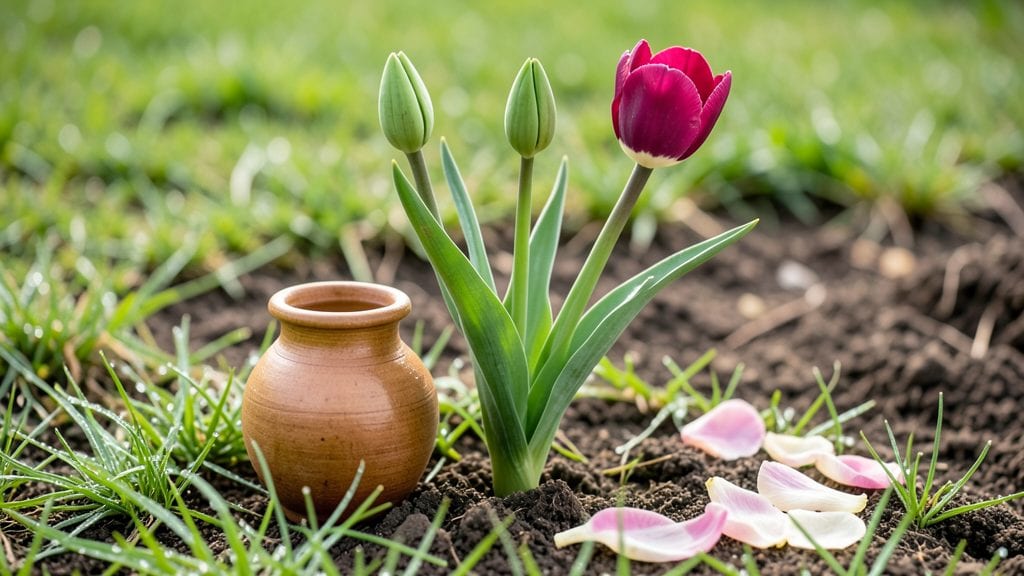
Creating a bouquet of flowers spring that stays fresh through showers is all about choosing the right blooms and arranging them just so. 🌸 I learned this the hard way after my first spring bouquet wilted within 48 hours of a single rainstorm—until I discovered the lightweight, resilient flowers that actually improve after a spring shower.
The secret lies in mixing delicate stems like dianthus and sweet peas with sturdy workhorses such as ranunculus and stock. These varieties hold up to damp conditions while still looking effortlessly fresh.
Add in a few snappy greens—like eucalyptus or salal—for structure, and your bouquet will stay vibrant even if Mother Nature decides to water it for you.
What you’ll end up with is an arrangement that smells like a meadow after rain, with petals that stay crisp and colors that pop against the gray sky. The best part?
These blooms are easy to find at local farms or even your own garden, and they’ll last 5-7 days—sometimes longer—if you cut them at the right angle and give them a fresh water change every other day.
Whether you’re crafting a centerpiece for your patio table or a gift for a spring celebration, these lightweight combos work in vases, hanging baskets, or even loose arrangements. Here’s how to put them together without a single droopy stem in sight.
📚 In This Guide
- What you need
- Instructions
- Tips and common mistakes
- Wrapping up and next steps
What you need
- ● Spring flowers: 10–15 stems (mix of tulips, daffodils, hydrangeas, or ranunculus—choose lightweight blooms with sturdy stems).
- ● Filler flowers: 5–7 stems of baby’s breath or statice (for volume and moisture absorption).
- ● Foliage: 3–5 stems of eucalyptus, salal, or ivy (for texture and rain resistance).
- ● Floral preservative: 1 packet (or 1 tsp of sugar + 1 tsp bleach per quart of water for DIY).
- ● Floral tape or wire: 1 roll (for securing stems).
- ● Scissors or floral shears: 1 pair (sharp for clean cuts!).
- ● Vase or container: 1 (lightweight ceramic, glass, or a repurposed jar with a narrow neck).
- ● Waterproof sealant spray: 1 can (to lightly coat stems for extra rain protection).
- ● Decorative accents: Ribbon, twine, or a small wooden bead for wrapping stems.
- ● Floral foam: 1 block (if your vase doesn’t hold water well).
- ● Dried flowers: 3–5 stems (e.g., pampas grass or dried lavender) for added texture.
Step-by-Step guide to crafting resilient spring bouquets
Here’s how to create arrangements that stay fresh through spring’s unpredictable weather.
🌿 Step 1: Select Flowers and Foliage for Durability
Choose flowers with sturdy stems—think snapdragons, sweet peas, or ranunculus—and pair them with foliage like eucalyptus or dusty miller for structure. Avoid delicate blooms like tulips or hyacinths; they wilt quickly in rain. I always select flowers with 3-5 inches of stem length to allow room for cutting and water absorption.
Look for buds just beginning to open—they’ll last longer than fully bloomed flowers. Harvest in the early morning when stems are fully hydrated. If you’re using garden-grown flowers, cut stems at a 45-degree angle with sharp shears to maximize water uptake. This small detail makes all the difference in vase life.
💧 Step 2: Prepare Stems for Longevity
Strip lower leaves from stems to prevent bacterial growth in water. Use a clean, sharp knife to make a fresh cut at the base, removing any wilted or damaged sections. For extra resilience, I soak stems in lukewarm water for 10-15 minutes before arranging—this helps rehydrate cut stems and removes air bubbles that block water flow.
Add a commercial floral preservative (like Chrysal Clear) to the water to slow bacterial growth and extend freshness. If you don’t have preservative, mix 1 teaspoon of sugar and 1 teaspoon of bleach per quart of water as a budget-friendly alternative. This step is non-negotiable for rain-resistant bouquets.
☀️ Step 3: Arrange for Balance and Stability
Fill a clear glass vase with 2-3 inches of water—enough to submerge stems but not so much that the arrangement topples. Use floral tape or hot glue to secure stems in place, creating a tight bundle that won’t shift in wind or rain. I like to weave stems together at the base for extra stability, especially for outdoor displays.
Arrange foliage first to form a sturdy base, then add flowers, working from the back to the front. Leave 1-2 inches of space at the top for watering. For lightweight arrangements, use a foam block instead of a vase—it holds stems securely and lets you adjust the design without worrying about water spills.
🌧️ Step 4: Protect Against Rain and Wind
If your bouquet will face spring showers, cover it with a clear plastic dome or waterproof mesh to trap moisture without trapping heat. For outdoor displays, place arrangements under a partial shade (like a porch awning) to reduce direct rain exposure. I’ve found that eucalyptus and dusty miller hold up best in damp conditions—their waxy leaves repel water naturally.
Check water levels daily and top off as needed. If stems bend or droop, straighten them gently and recut the ends underwater to refresh the cuts. For extra protection, mist foliage lightly with water to keep it hydrated between water changes. This keeps arrangements vibrant even after a downpour.
Tips & tricks for perfect lightweight spring bouquets
Spring's unpredictable weather calls for bouquets that can handle rain without wilting. Here are my go-to strategies for creating arrangements that stay fresh and beautiful all season long.
Stem Length Matters: In Step 1, when selecting flowers, aim for stems that are 4-5 inches long—this extra length gives you room to work with when cutting and arranging. The longer stems create a more stable base and allow for better water absorption, which is especially important for spring blooms that need to withstand occasional downpours.
The 10-15 Minute Soak Secret: Don't skip the lukewarm water soak in Step 2—this critical 10-15 minute step does more than just hydrate. It removes air bubbles that would otherwise block water uptake, and the warmth helps reopen any partially closed stems. For maximum freshness, I like to add a few ice cubes to the water during this soak to keep stems crisp.
Foliage First, Flowers Second: When arranging in Step 3, resist the urge to start with your favorite flowers. Begin with the foliage—eucalyptus, dusty miller, or even sturdy ferns—to create a structural foundation. This technique prevents your arrangement from toppling over, especially important for lightweight spring bouquets that might face wind or rain. The foliage also helps distribute weight more evenly.
Rain Protection Hacks: For outdoor arrangements facing spring showers, go beyond just covering with a dome. I recommend adding a second layer of protection by securing a clear plastic wrap around the stems at the base—this creates an extra moisture barrier while still allowing light to reach the flowers. For arrangements in direct sunlight, consider adding a small umbrella or awning to provide shade without blocking airflow.
Pro Tips for Bouquet Of Flowers Spring
- Spring's unpredictable weather calls for bouquets that can handle rain without wilting.
- Stem Length Matters: In Step 1, when selecting flowers, aim for stems that are 4-5 inches long—this extra length gives you room to work with when cutting and arranging.
- The 10-15 Minute Soak Secret: Don't skip the lukewarm water soak in Step 2—this critical 10-15 minute step does more than just hydrate.
Frequently asked questions
Got questions about lightweight spring bouquets that stand up to rain? You’re not alone!
Here are answers to the most common queries to help you create (and care for) the perfect bouquet of flowers spring arrangement that stays fresh and vibrant—even when Mother Nature throws a curveball.
Can lightweight spring bouquets really survive rain?
The key is choosing rain-resistant blooms like daffodils, tulips, or snapdragons, along with sturdy stems (e.g., eucalyptus or ornamental grasses). Skip delicate petals (e.g., roses or peonies) and opt for waxy or leathery leaves. A lightweight waterproof wrap or clear plastic sleeve can also add extra protection.
How long will a spring bouquet last after rain exposure?
With proper care, most lightweight spring bouquets last 5–7 days post-rain, even if they look droopy. Trim stems at an angle, recut underwater, and place them in fresh water with a flower food packet. Avoid direct sunlight until they perk up—think of it as a spa day for your blooms!
What’s the best way to dry or revive a rain-soaked bouquet?
Start by gently shaking off excess water, then trim stems under running water to remove blocked vessels. Submerge stems in lukewarm water (not cold) with a splash of bleach (1 tsp per gallon) to prevent bacteria. Let them soak for 1–2 hours, then transfer to a vase. For extra oomph, add a sugar cube or aspirin to the water.
Are there lightweight alternatives to traditional bouquets for spring?
Yes! Try these low-maintenance, rain-friendly options:
- Hanging terrariums: Fill with moss, small blooms (like baby’s breath), and succulents.
- Pressed flower art: Use a flower press to preserve spring blooms in frames or cards.
- Single-stem arrangements: One bold tulip or hyacinth in a tiny vase lasts longer and dries beautifully.
- Dried flower bundles: Bundle wheatgrass, lavender, or statice for a rustic, weatherproof look.
Why do some lightweight spring flowers wilt faster after rain?
Delicate blooms (e.g., ranunculus, anemones) absorb too much water, causing stem rot or petal damage. Others, like hydrangeas, are heavy when wet and can’t support their own weight. To troubleshoot:
- Replace water every 2–3 days to prevent bacteria.
- Avoid overcrowding stems in the vase.
- Use a clear vase to monitor water levels and stem health.
Pro tip: If your bouquet’s leaves turn yellow, it’s not always rain damage—it could be ethylene gas from ripe fruit nearby! Keep flowers away from apples, bananas, and avocados to extend their life.
Wrapping up and next steps
Spring is the perfect time to embrace the beauty of lightweight, rain-resistant bouquets—whether you’re gifting them or brightening your own space. These arrangements not only thrive in unpredictable weather but also bring effortless charm to any setting.
With the right materials and a little creativity, you can craft stunning blooms that last longer and look fresher than ever.
Now that you’re armed with tips and tricks, why not start your first spring bouquet today? Grab your shears, pick your favorite seasonal flowers, and let your green thumb shine! 🌸 Whether you’re a beginner or a seasoned florist, every arrangement is a chance to celebrate nature’s renewal.