
Flowers
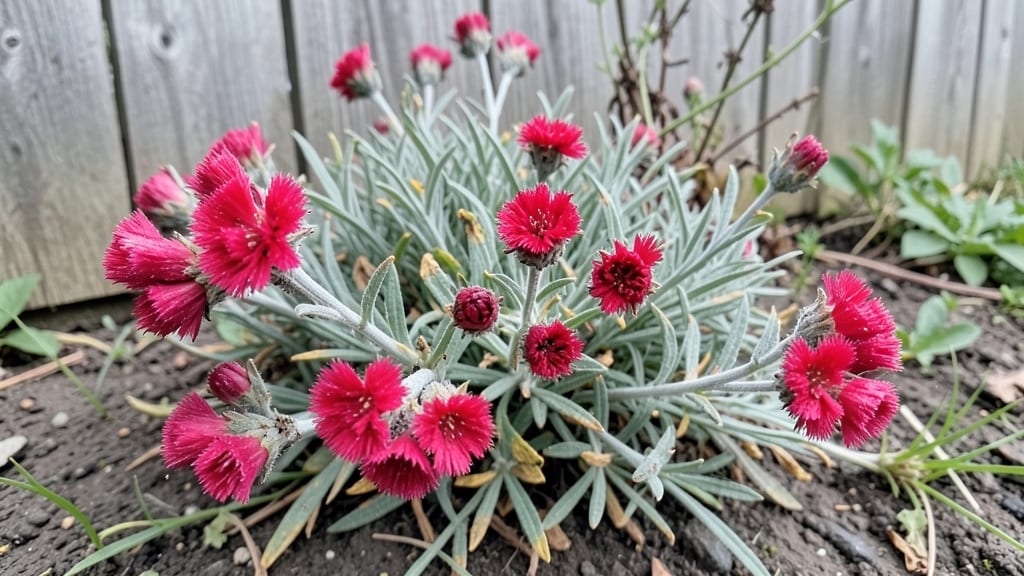
The buzz button edible flower transforms your garden into a fragrant, functional masterpiece that doubles as a kitchen ingredient. 🌸 I’ve grown these cheerful pink blooms for years, and they’re the secret weapon for adding a delicate, slightly peppery flavor to salads, cocktails, and garnishes.
The key lies in their resilience—these drought-tolerant plants thrive in poor soil and full sun, making them perfect for busy gardeners or urban balconies.
Start with well-draining soil and a sunny spot—even rocky or sandy soil works. Plant seeds directly outdoors after the last frost or transplant young plants spaced 12 inches apart. Water lightly once established, as overwatering causes root rot.
By mid-summer, you’ll have clusters of edible blooms ready for harvest, and the bees will thank you for the pollinator support.
Harvesting is simple: snip the flowers just before they fully open for the brightest flavor. The petals add a mild, slightly spicy kick to dishes, while the leaves can be used sparingly like oregano. Think of them as nature’s edible confetti—beautiful enough for centerpieces but tasty enough to eat.
These flowers are hardy, low-maintenance, and adaptable to containers or garden beds. Whether you’re a seasoned gardener or a beginner, buzz buttons are the easiest way to grow something edible that looks stunning. Ready to turn your garden into a culinary canvas?
📚 In This Guide
- What you need
- Instructions
- Tips and common mistakes
- Wrapping up and next steps
What you need
- ● Ready to grow your own buzz button edible flowers? Here’s everything you’ll need to get started—from essentials to fun extras! 🌸✨
- ● Pro tip: 💡 If growing in containers, ensure drainage holes are present to avoid root rot!
Step-by-Step instructions for growing buzz button edible flowers
Here's how to cultivate these vibrant, edible blooms that double as kitchen decor.
🌱 Step 1: Choose the Right Location and Prepare the Soil
Buzz buttons thrive in full sun to partial shade, needing at least 6 hours of sunlight daily. Find a spot with well-draining soil—they hate soggy roots. If your garden bed is heavy clay, mix in 2-3 inches of compost to improve drainage and fertility. I like to work the compost into the top 6 inches of soil, breaking up any clumps to create a loose, airy texture.
These flowers are adaptable but prefer slightly acidic soil with a pH between 6.0 and 7.0. Test your soil if possible, or add a handful of cottonseed meal (about 1/2 cup per square foot) to lower pH naturally. Water the area thoroughly after amending to help nutrients settle.
🌱 Step 2: Plant Seeds or Transplants at the Right Time
Start seeds indoors 8-10 weeks before your last frost date for a head start, or sow directly outdoors after all danger of frost has passed. Plant seeds 1/4 inch deep, spacing them 12-18 inches apart—they need room to grow their bushy, rounded habit. I like to use a small dibble or pencil to make clean holes without disturbing the soil too much.
If using transplants, dig holes slightly larger than the root ball and place them at the same depth they were growing before. Water deeply right after planting to eliminate air pockets and encourage root contact with the soil. You'll know you've done it right when the soil surface looks settled and the plants stand upright without wobbling.
☀️ Step 3: Water and Fertilize for Continuous Blooms
Keep the soil evenly moist but never soggy—buzz buttons are drought-tolerant once established, but they reward consistent moisture with more vibrant blooms. Water at the base of the plant in the early morning to reduce evaporation and fungal risks. You'll see the perfect moisture level when the top 1-2 inches of soil feel slightly damp but not wet to the touch.
Feed plants every 4-6 weeks with a balanced, water-soluble fertilizer (like 10-10-10) diluted to half-strength. I also sprinkle a 1-inch layer of mulch around the base (keeping it 2 inches away from stems) to retain moisture and suppress weeds. Avoid high-nitrogen fertilizers—they encourage leafy growth at the expense of flowers.
✂️ Step 4: Prune and Harvest for Abundant Blooms
Deadhead spent blooms regularly by pinching off flowers just above a set of leaves. This encourages the plant to produce more buds and extends the blooming season. I like to do this in the late afternoon when the flowers are slightly wilted—it's easier to see where to cut and less stressful for the plant.
Harvest flowers when fully open but before they begin to fade. Use clean, sharp scissors to snip stems at a 45-degree angle about 1 inch below the bloom. This promotes bushier growth and prevents water from pooling on cut stems. Rinse gently with cool water and pat dry with a paper towel before using in culinary dishes or garnishes.
🌿 Step 5: Overwinter and Prepare for Next Season
Buzz buttons are perennial in USDA zones 5-9, but they may need winter protection in colder climates. After the first frost, cut back stems to 2-3 inches above the ground and mulch heavily with 4-6 inches of straw or leaves. This insulates the roots and prevents heaving during freeze-thaw cycles.
In spring, remove the mulch and trim back any dead or damaged growth. Water lightly to encourage new shoots. You'll see fresh growth emerging within 2-3 weeks—this is your signal that the plant is ready to bloom again. If your climate is warmer, you can leave them unmulched and simply water occasionally during dry spells.
Tips & tricks for perfect buzz button edible flowers
Growing these stunning edible blooms takes a few thoughtful steps—here’s how to get the most vibrant, flavorful results with minimal effort.
Soil Prep Secret: The 6 hours of sunlight requirement is non-negotiable, but soil prep makes all the difference. After amending with compost in Step 1, I like to add a handful of perlite or coarse sand to the top 2 inches of soil—this creates even better drainage without altering the pH. The goal is a soil texture that feels like a damp sponge, not mud.
Timing Tip for Planting: When starting seeds indoors 8-10 weeks before your last frost, use a seedling heat mat set to 70°F. This helps seedlings emerge faster and gives them a stronger start. For direct sowing, wait until nighttime temperatures consistently stay above 50°F—cold snaps can stunt young plants.
Watering Wisdom: The "evenly moist but never soggy" rule in Step 3 is crucial for preventing fungal issues. I use a moisture meter to check the top 2 inches of soil—aim for readings between 40-50%. Watering in the early morning also prevents fungal spores from spreading overnight, which is especially important in humid climates.
Harvesting Hack: For culinary use, harvest flowers just as they fully open—this is when their delicate flavor is at its peak. Store harvested blooms in a paper towel-lined container in the fridge for up to 3 days. To preserve their vibrant color, add a splash of lemon juice to the water if you're arranging them for decor.
Pro Tips for Buzz Button Edible Flower
- Growing these stunning edible blooms takes a few thoughtful steps—here’s how to get the most vibrant, flavorful results with minimal effort.
- Soil Prep Secret: The 6 hours of sunlight requirement is non-negotiable, but soil prep makes all the difference.
- Timing Tip for Planting: When starting seeds indoors 8-10 weeks before your last frost, use a seedling heat mat set to 70°F.
Frequently asked questions
Got questions about growing and using buzz button edible flowers? Here are some of the most common ones—plus quick, practical answers to help you get started!
How long does it take for buzz button flowers to grow?
Buzz button (Centranthus ruber) is a fast grower! From seed, expect tiny sprouts in 10–14 days, and blooms as early as 6–8 weeks in warm climates. In cooler zones, they may take slightly longer but reward you with vibrant flowers all season long.
Are buzz button flowers safe to eat raw?
Yes! These cheerful blooms are non-toxic and edible when fully grown and pesticide-free. Use them sparingly—1–2 flowers per dish—as their flavor is mild and slightly peppery. Always harvest from organic or chemical-free plants to avoid contaminants.
When is the best time to harvest buzz button flowers?
Pick flowers in the morning after the dew dries for peak freshness. Choose fully opened blooms with bright, intact petals—avoid wilted or browned edges. Harvest stems just above a leaf node to encourage bushier growth. Store in a damp paper towel in the fridge for up to 3 days.
What can I substitute if buzz button flowers aren’t available?
If buzz buttons aren’t in season, try these edible alternatives:
- Nasturtiums (peppery, vibrant colors)
- Calendula (mild, citrusy, great for healing salves)
- Pansies/Violas (sweet, floral flavor)
- Borage flowers (cucumber-like taste)
Why aren’t my buzz button flowers blooming?
Lack of blooms often stems from over-fertilizing (too much nitrogen = leafy growth, no flowers) or poor sunlight (they need 6+ hours of sun daily). Try:
- Switch to a low-nitrogen, high-phosphorus fertilizer (like 5-10-10).
- Deadhead spent blooms to encourage new flowers.
- Ensure well-draining soil—they hate soggy roots!
Wrapping up and next steps
Incorporating buzz button edible flowers into your garden—and your kitchen—is a rewarding way to blend beauty with bold flavors! These vibrant blooms are easy to grow, versatile in recipes, and packed with nutritional perks.
Whether you’re a seasoned gardener or a culinary newbie, they’re the perfect way to elevate your dishes with a touch of edible elegance.
Ready to dive in? Start small—plant a few buzz button seeds, experiment with flavors, and share your creations with friends. Your garden (and taste buds) will thank you! 🌸✨