
Flowers
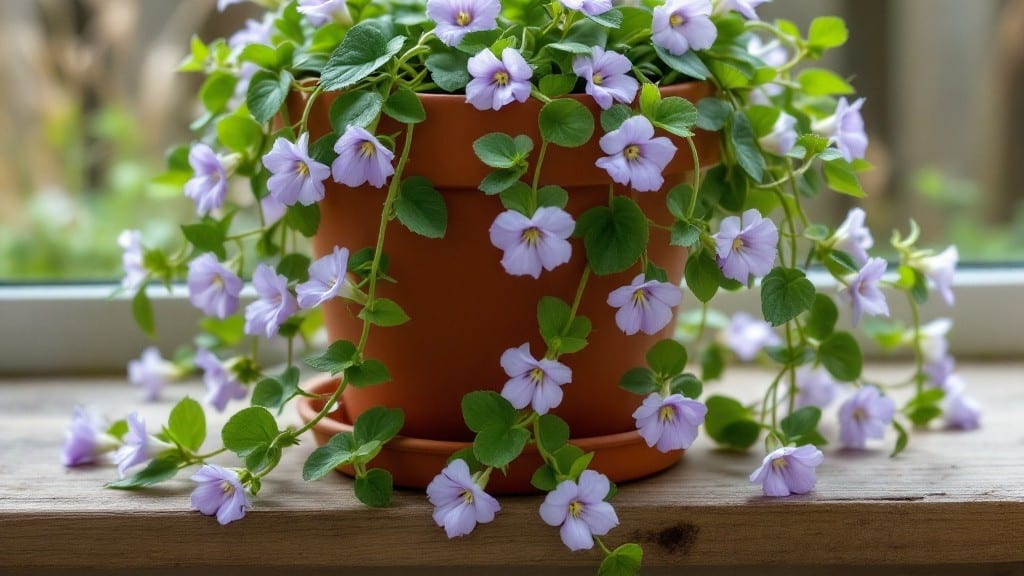
Proper calibrachoa flowers care is the secret to coaxing their vibrant blooms through the Pacific Northwest’s frosts—if you prune them right. ✨ I’ve spent years perfecting a pruning system that keeps these trailing beauties lush and blooming well into fall, no matter what Mother Nature throws their way. throws at them.
The secret isn’t complicated: it’s about timing, technique, and knowing when to cut back. You’ll need sharp pruners, a clear day for pruning, and a little patience—because calibrachoas reward precision over brute force.
Most gardeners over-prune in spring or under-prune in fall, which leads to leggy plants or weak growth. My method focuses on strategic cuts that encourage bushier, more vibrant blooms.
By following this blueprint, you’ll end up with trailing cascades of flowers that spill over containers and window boxes, staying full and healthy even when temperatures dip. The key is pruning just after new growth appears in spring and again in early fall to harden plants for cooler weather.
No more bare stems or sparse blooms—just a nonstop show of color.
This works for both container-grown calibrachoas and in-ground plantings, whether you’re dealing with heavy rains or early frosts. Let’s get those shears ready and turn your plants into the star of the season!
📚 In This Guide
- What you need
- Instructions
- Tips and common mistakes
- Wrapping up and next steps
What you need
- ● Calibrachoa plants: 6–12 plants (depending on desired coverage; dwarf varieties like 'Superbells' work well for PNW climates).
- ● Well-draining potting mix: 5–10 gallons (look for a blend with perlite or coconut coir for aeration).
- ● Containers or garden beds: Containers: 10–12" diameter pots with drainage holes (1 plant per 6" of pot width).
- ○ Garden beds: Full sun exposure (6+ hours/day) with raised beds optional for frost-prone areas.
- ● Slow-release fertilizer: 10–15–10 NPK ratio (1 tbsp per gallon of soil or follow label instructions).
- ● Watering can or drip irrigation: With a fine rose attachment (to avoid disturbing soil).
- ● Pruning shears: Sharp, sterilized (70% isopropyl alcohol wipe between cuts).
- ● Gloves: Nitrile or leather (to protect from thorns and soil-borne pathogens).
- ● Mulch: 2–3 inches of straw or shredded bark (to insulate roots in cooler months).
- ● Frost cloth: Lightweight (30–50% shade) for late-season protection (cut-to-fit or 4' x 6' sheets).
- ● pH test kit: To ensure soil pH is 5.8–6.2 (Calibrachoas love slightly acidic soil!).
- ● Compost or worm castings: 1–2 cups per plant (for organic nutrient boosts).
- ○ Stakes or cages: Optional for trailing varieties (e.g., 'Million Bells' series).
Step-by-step instructions for pruning calibrachoa in the Pacific Northwest
Here's my battle-tested method to keep your calibrachoa blooming nonstop—even through our damp, unpredictable summers.
✂️ Step 1: Time Your First Pruning for Peak Bloom
Wait until your calibrachoa has established 4-6 weeks of growth after transplanting, when it's covered in buds but not yet overcrowded. The key is to prune just as the first flowers open—this triggers bushier growth and more blooms. I always do this in late May for PNW gardeners, when nights stay above 50°F consistently.
Use clean, sharp pruners to cut back leggy stems by one-third at the base. You'll see where the stem meets the main plant—this is your target. Avoid cutting into woody stems, as calibrachoa responds best to soft growth. After pruning, you'll notice new shoots emerging within 7-10 days—that's your signal everything's working.
🌿 Step 2: Deadhead Regularly to Extend the Season
Deadhead spent blooms twice weekly during peak season (June through September) by pinching off flowers just above the next set of leaves. This might sound tedious, but it's what keeps calibrachoa producing nonstop. I use my fingers for this—no need for pruners—because calibrachoa flowers are delicate and I want to avoid damaging new buds.
Watch for yellowing leaves after heavy rain—this is a sign of fungal issues. If you see it, prune back affected stems immediately and space plants slightly wider to improve airflow. The goal is to keep your calibrachoa looking full and vibrant, not stressed. A well-maintained plant will reward you with continuous blooms until our first frost (usually mid-October in the PNW).
🌱 Step 3: Prepare for Fall with Strategic Pruning
When nighttime temperatures drop below 55°F (typically September in the PNW), it's time for your final pruning of the season. Cut back all stems by half to encourage new, sturdy growth that can better handle cooler nights. This isn't about removing flowers—it's about setting your plants up to survive our damp winters and bounce back in spring.
After pruning, reduce watering by 30% but keep the soil lightly moist. You'll see new growth emerge within 2-3 weeks, and these young stems will be more resilient. Mulch with 2-3 inches of shredded bark around the base to insulate roots—this protects against temperature swings and keeps soil from becoming waterlogged during our rainy winters.
☀️ Step 4: Winter Care to Ensure Spring Revival
Once frost arrives (usually late October in the PNW), stop all pruning and water only enough to keep soil from drying out completely. Your calibrachoa will go dormant, but don't be fooled—it's not dead. The key is to protect it from freezing soil, which can damage roots. I add an extra 1-2 inches of mulch in December for added insulation.
In early March, when daytime temperatures consistently reach 55°F, it's time to remove the old mulch and give your calibrachoa a light trim to remove any dead growth. You'll notice new shoots emerging from the base within 3-4 weeks—this is your plant's way of telling you it's ready for another season. Fertilize lightly with a balanced 10-10-10 formula once new growth appears to kickstart the blooming cycle.
Tips & tricks for perfect calibrachoa flowers care
Here's what I've learned after years of keeping calibrachoa thriving in our damp PNW climate—these little tricks make all the difference.
Timing is Everything: The 4-6 week mark before your first pruning is critical because this is when your calibrachoa has developed enough energy stores to bounce back. I always check for those first open flowers as my cue—this timing triggers the bushiest growth pattern. In our region, late May's consistent nights above 50°F create perfect conditions for this first pruning to work its magic.
Tool Selection Matters: Those clean, sharp pruners aren't just for cutting—they're your secret weapon against disease. Dull tools crush stems and create entry points for fungal infections. I keep a small bottle of rubbing alcohol handy to wipe down my pruners between cuts, especially after handling yellowing leaves. For deadheading, your fingers work perfectly—they give you the delicate control calibrachoa needs without damaging new buds.
Seasonal Adaptation: The fall pruning when temperatures drop below 55°F isn't about removing flowers—it's about preparing your plants for winter survival. I've found that cutting back by half at this stage creates stronger stems that can handle our rainy winters. The 30% water reduction is crucial too; it prevents waterlogged soil while keeping roots hydrated enough to support new growth that emerges in 2-3 weeks.
Winter Protection: That extra 1-2 inches of mulch in December might seem excessive, but it's what protects calibrachoa from freezing soil damage. I always use shredded bark because it breaks down slowly, providing insulation throughout winter. The key is to keep it loose—packed mulch can actually trap too much moisture and create anaerobic conditions that harm roots.
Pro Tips for Calibrachoa Flowers Care
- Here's what I've learned after years of keeping calibrachoa thriving in our damp PNW climate—these little tricks make all the difference.
- Timing is Everything: The 4-6 week mark before your first pruning is critical because this is when your calibrachoa has developed enough energy stores to bounce back.
- Tool Selection Matters: Those clean, sharp pruners aren't just for cutting—they're your secret weapon against disease.
Frequently asked questions
How often should I water calibrachoa flowers?
Calibrachoas love consistent moisture—water them when the top inch of soil feels dry, usually every 1–2 days in hot weather. In the PNW’s cooler, rainy climate, check soil moisture first to avoid overwatering. Pro tip: Use drip irrigation or soaker hoses to keep roots happy without wetting leaves ( fungus risk alert!).
Can calibrachoa survive frost in the Pacific Northwest?
Nope! These tropical beauties are frost-sensitive. In zones 7–9 (like most of the PNW), bring potted calibrachoas indoors or under a frost blanket before temps drop below 35°F (2°C). If planted in-ground, dig them up or mulch heavily—but expect winter losses unless you’re in a microclimate with milder winters. Plan ahead: Start seeds early for a summer rebloom!
When and how should I prune calibrachoa for more flowers?
Prune lightly throughout the season to encourage bushiness and blooms: Pinch back leggy stems by ⅓ when they’re 6–8 inches tall. In the PNW, do a harder prune in early spring (just above a leaf node) to prep for summer growth. Warning: Avoid heavy pruning late in the season—it cuts back blooming time. Bonus: Deadhead spent flowers weekly for nonstop color!
Why are my calibrachoa leaves turning yellow?
Yellow leaves usually mean overwatering, poor drainage, or pests. Check soil moisture first—calibrachoas hate soggy roots. If the issue persists, inspect undersides for aphids or spider mites (common PNW pests). Fix it: Improve drainage, trim affected leaves, and spray with neem oil if bugs are the culprit. Prevent future stress: Use well-draining soil and avoid wetting foliage.
What’s a great calibrachoa alternative for PNW gardeners?
If calibrachoas feel too finicky, try petunias or lobelia—both thrive in similar conditions (sun to part shade, moist soil) and handle PNW’s cooler summers better. For frost-tolerant options, heuchera or hebe add color without the fuss. Pro move: Mix calibrachoas with trailing lobelia for a low-maintenance, spiller-combo planter!
Wrapping up and next steps
Caring for calibrachoa flowers in the Pacific Northwest’s chilly climate is totally doable with the right pruning and frost-proofing strategies! 🌸 By mastering deadheading, strategic cutting, and protective measures, you’ll keep your vibrant blooms thriving year after year.
Remember: consistency is key—regular checks and adjustments will ensure your calibrachoas stay lush and resilient.
Ready to level up your garden game? Grab your pruners and start experimenting with these techniques—your future blooms will thank you! For extra inspiration, explore companion plants that thrive alongside calibrachoas or dive into creative container designs to showcase their beauty.