Plants
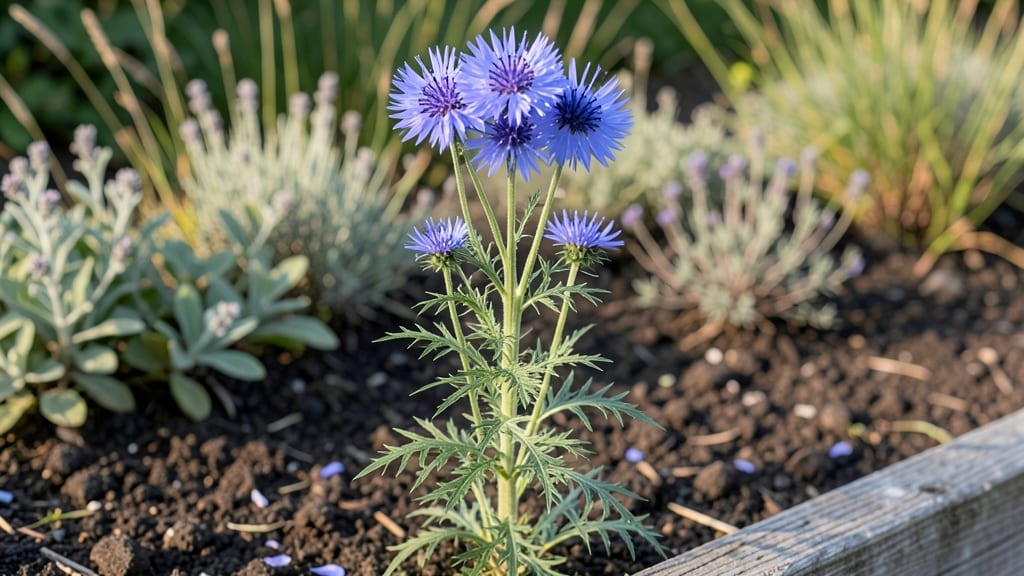
Caring for cornflowers is easier than you’d expect—just sun, patience, and a little space, and they’ll burst into sky-blue joy. 🌻 I’ve grown them for years, and they’re the perfect plant for gardeners who want color without the fuss.
These hardy annuals pop up on their own, spreading like wildflowers but with showier blooms that attract bees and butterflies all summer.
The secret to happy cornflowers? Full sun and well-draining soil—they’ll tolerate poor conditions but reward you with bigger blooms when you give them decent dirt. Water them once a week once established, and skip the fertilizer unless your soil is truly lacking.
They self-seed like crazy, so you’ll have new volunteers popping up next year without any work.
By mid-summer, you’ll have a cloud of vibrant blue flowers that last until frost, with stems perfect for cutting. The more you deadhead spent blooms, the longer they’ll produce—though even if you don’t, they’ll keep blooming until the first hard freeze.
These are the kind of plants that make gardening feel effortless.
They handle drought surprisingly well and even bounce back from late planting, making them ideal for beginner-friendly gardens or neglected corners. Just don’t overcrowd them—they need room to spread their cheerful faces. Here’s how to keep them thriving all season long.
📚 In This Guide
- What you need
- Instructions
- Tips and common mistakes
- Wrapping up and next steps
What you need
- ● Cornflower seeds: Choose heirloom or wildflower mixes (e.g., Centaurea cyanus ‘Black Ball’ or ‘Telephone Pink’). Buy 1–2 packets (500–1,000 seeds) for a small garden or 5+ packets for larger areas.
- ● Well-draining potting mix: 3–5 gallons (or enough to fill seed trays/containers). Use a blend with 50% perlite or sand for optimal drainage.
- ● Containers or seed trays: For seedlings: 3–4" deep trays or biodegradable pots (100+ cells).
- ○ For direct sowing: A shovel and gardening gloves (optional but helpful!).
- ● Watering can or spray bottle: With a fine rose attachment to avoid disturbing seeds.
- ● Sunny location: 6+ hours of direct sunlight daily (cornflowers are not picky about soil but prefer average to poor soil—rich soil can make them flop!).
- ● Garden fork: For loosening soil before planting.
- ● Mulch (straw or grass clippings): To retain moisture and suppress weeds.
- ● Plant labels: If you’re growing multiple varieties.
- ● Pruning shears: For deadheading spent blooms (encourages more flowers!).
How to care for cornflowers for long-lasting summer color
Cornflowers reward you with bold blue blooms that last from midsummer through fall—here’s how to keep them thriving with almost no effort.
🌱 Step 1: Plant in Full Sun and Well-Draining Soil
Cornflowers demand 6+ hours of direct sunlight daily, so choose the sunniest spot in your garden. They tolerate poor soil but perform best in loose, well-draining mix amended with a handful of compost. If your soil is heavy clay, mix in 2-3 inches of sand or grit to improve drainage—cornflowers hate soggy roots.
Scatter seeds ¼ inch deep and 12 inches apart after the last frost when soil reaches 60°F. Press lightly to ensure good seed-to-soil contact, then water gently. You’ll see seedlings emerge in 10-14 days, but don’t be surprised if germination takes longer in cooler conditions.
☀️ Step 2: Water Deeply but Infrequently
Once established, cornflowers are drought-tolerant, but they need consistent moisture during their first 4-6 weeks to develop strong roots. Water deeply 1-2 times weekly until the top 2 inches of soil feel dry. Overwatering leads to weak stems and fungal issues, so let the soil dry between waterings after the initial growth phase.
Mature plants thrive on neglect—you’ll know they’re happy when their deep blue blooms open fully and stay upright without wilting. If leaves yellow or stems flop, they’re either underwatered or overcrowded. Thin seedlings to 6 inches apart to improve airflow and reduce disease risk.
✂️ Step 3: Deadhead and Support for Continuous Blooms
To encourage more flowers, snip off spent blooms with clean scissors ¼ inch above the next set of leaves. This redirects the plant’s energy into producing fresh blooms instead of seed heads. I deadhead mine every 2-3 days during peak bloom—it’s a quick task that keeps the show going all summer.
Tall cornflower stems (up to 3 feet) may need staking if they lean. Insert 4-5 foot bamboo stakes at planting and tie stems loosely with soft twine as they grow. Avoid tight bindings—they restrict growth and can damage stems as plants swell.
🌿 Step 4: Fertilize Lightly and Watch for Pests
Cornflowers are light feeders, so skip heavy fertilizers. Instead, side-dress with 1 tablespoon of 5-10-5 fertilizer per plant at planting and again when flowers appear. Organic options like fish emulsion (mixed to ½ strength) work well if you prefer natural inputs.
Keep an eye out for aphids on new growth—they suck sap and distort leaves. Blast them off with a strong spray of water or introduce ladybugs for natural control. Slugs may also target seedlings, so apply diatomaceous earth around the base if you spot damage. Healthy cornflowers rarely suffer serious pest issues, though.
⏰ Step 5: Harvest Seeds and Prepare for Next Year
Leave some seed heads on the plant to dry completely—they’ll turn brown and papery. Once dry, rub the heads between your hands to release seeds for next season’s planting. Store seeds in a cool, dry place for up to 3 years; they’re non-hybrid and true to type, so you’ll get the same vibrant blooms year after year.
After flowering, cut back stems to 6 inches tall in early fall. This encourages tidy growth and prevents self-seeding where you don’t want it. Mulch lightly with 1 inch of straw to protect roots over winter—cornflowers are hardy to Zone 3 and often reseed themselves without help.
Tips & tricks for perfect cornflower care
Here's what nobody tells you about growing cornflowers that will make your garden pop with vibrant blue blooms all season long.
Soil Preparation Secret: The key to happy cornflowers starts with soil that drains like a dream. If your garden has heavy clay soil, mix in 2-3 inches of coarse sand or perlite before planting to create that perfect loose, well-draining environment they crave. I've seen cornflowers struggle in dense soil, but with this simple amendment, they thrive like they're in a greenhouse. The roots need room to breathe, especially during those first critical weeks after germination.
Germination Timing Tip: Those 10-14 days for seedlings to emerge can feel like an eternity, but don't rush it! Cornflower seeds need consistent soil temperatures around 60°F to germinate properly. If your spring is cool, consider using a mini greenhouse or even planting in a protected microclimate. I've planted mine against a south-facing wall where the soil warms faster, and the difference in germination speed is noticeable. Patience pays off with stronger seedlings.
Watering Wisdom: The 1-2 times weekly watering guideline works wonders, but there's a trick to it: water deeply in the morning so the foliage has all day to dry. Wet leaves at night invite fungal problems, and cornflowers are particularly susceptible to powdery mildew in humid conditions. I set my timer for every other morning during their first 4-6 weeks—this routine builds strong root systems that make them drought-tolerant later on. The goal is moist soil, not soggy soil.
Deadheading Discipline: That 2-3 days between deadheadings might seem frequent, but it's what keeps your cornflowers producing blooms until frost. The secret is to snip just above the next set of leaves using clean scissors—this encourages branching and more flowers. I keep a small pair of scissors in my gardening apron and do this first thing in the morning. The plants reward me with non-stop color all summer long. Plus, it's a great way to collect seed heads for next year's planting.
Pro Tips for Caring For Cornflowers
- Here's what nobody tells you about growing cornflowers that will make your garden pop with vibrant blue blooms all season long.
- Soil Preparation Secret: The key to happy cornflowers starts with soil that drains like a dream.
- Germination Timing Tip: Those 10-14 days for seedlings to emerge can feel like an eternity, but don't rush it!
Frequently asked questions
Got questions about keeping your cornflowers happy and blooming?
Here are answers to the most common ones—so you can enjoy their vibrant blue beauty with confidence!
When is the best time to plant cornflowers?
Cornflowers are tough and adaptable! Plant seeds directly in the garden in early spring (after the last frost) or late summer for fall blooms. They self-seed easily, so they often return year after year without replanting. If starting indoors, sow seeds 6-8 weeks before the last frost.
How often should I water cornflowers?
These drought-tolerant beauties hate soggy soil—water only when the top inch of soil feels dry. Once established, they thrive on occasional deep watering (about 1 inch per week). Overwatering can lead to root rot, so let the soil dry between waterings. Mulch lightly to retain moisture.
Are cornflowers prone to pests or diseases?
Cornflowers are generally pest-resistant, but watch for aphids or slugs in damp conditions. Remove pests by hand or spray with soapy water. Fungal issues like powdery mildew can occur in humid climates—improve airflow and avoid overhead watering. Healthy plants with full sun and well-draining soil stay resilient!
How long do cornflowers take to bloom?
From seed to flower, cornflowers are fast growers! Expect blooms in 6-8 weeks if planted in spring or 8-10 weeks for fall plantings. Deadhead spent blooms to encourage continuous flowering throughout the season. Their cheerful faces reward patience with minimal effort!
Can I grow cornflowers in containers or small spaces?
Cornflowers thrive in containers, window boxes, or even cracks in pavement (they’re great for guerrilla gardening!). Use a well-draining potting mix and a pot at least 6 inches deep. Group 3-5 plants together for a fuller look. Just ensure they get at least 6 hours of sun daily—they’ll reward you with bold color!
Wrapping up and next steps
Caring for cornflowers is a rewarding experience—these vibrant blooms bring joy with minimal effort!
With the right sunlight, soil, and occasional attention, they’ll reward you with stunning colors from early summer to fall. 🌸 Whether you’re a beginner or a seasoned gardener, their hardy nature makes them a perfect addition to any garden.
Ready to watch your cornflowers flourish? Grab your gardening gloves, pick a sunny spot, and plant your seeds or seedlings today. Before you know it, your garden will be bursting with cheerful blue, purple, and pink blooms—nature’s way of saying "thank you!" 🌞