Flowers
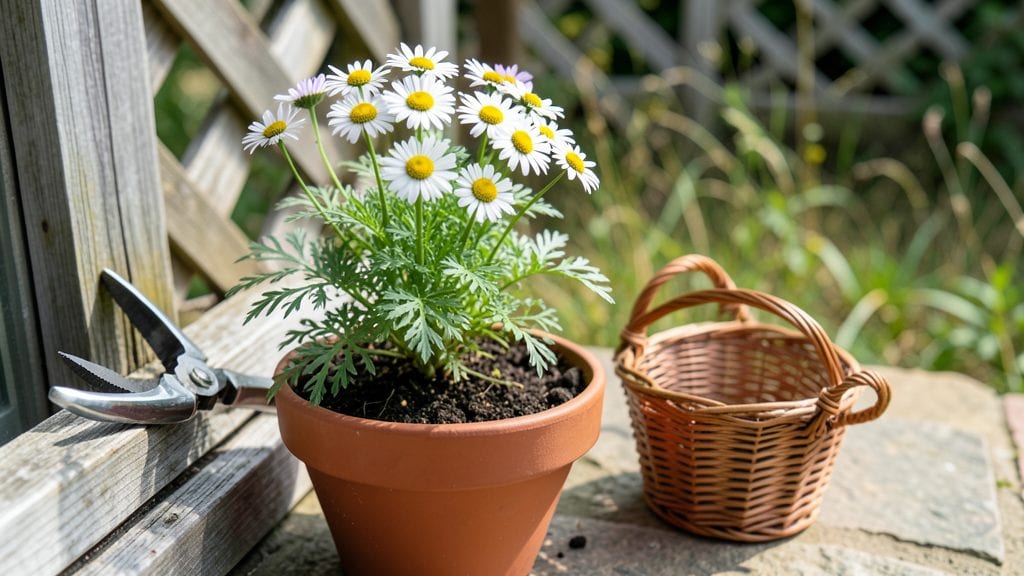
Creating chamomile tea fresh flowers isn’t just about brewing—it’s about weaving their delicate, soft blooms into your garden’s quietest corners. 🌼 These pale yellow and white blossoms transform any space into a serene retreat, their gentle petals catching morning light like scattered pearls.
I’ve learned that chamomile thrives in borders, containers, or even as a tea garden centerpiece, blending effortlessly with lavender, catmint, or roses.
Their pollinator benefits make them a must-have: bees adore their nectar, and their low-growing habit keeps them tidy. Pair them with companion plants like thyme or parsley for a cottage-garden charm, or tuck them into herb spirals for a fragrant, functional edge.
The key is their seasonal versatility—plant them in spring for summer blooms that last until frost.
You’ll end up with a garden that feels like a breath of calm, where every stroll past the chamomile borders soothes the soul. The blooms double as tea ingredients, their honeyed scent lingering on petals you can pinch fresh for a cup.
Whether in a themed garden or a simple container, they’re the quiet stars that steal the show.
Perfect for small spaces or sprawling yards, chamomile adapts to sun or partial shade, making it a foolproof choice. Let’s design a garden where every petal tells a story—starting with these gentle, golden blooms.
📚 In This Guide
- What you need
- Instructions
- Tips and common mistakes
- Wrapping up and next steps
What you need
- ● Fresh chamomile flowers: ½ cup (about 10-12 stems with blooms, or 2-3 tablespoons of petals if harvesting individually). Tip: Use organic, pesticide-free flowers for the best flavor and aroma!
- ○ Fresh edible flowers (optional but recommended): 1 tablespoon lavender buds (culinary-grade, not ornamental)
- ● 1 tablespoon pansies or violets (petals only, avoid leaves if bitter)
- ● 1 sprig mint or lemon balm (for a bright twist)
- ● Hot water: 2 cups (475 mL) freshly boiled (212°F/100°C)
- ● Honey or agave syrup: 1-2 teaspoons (adjust to taste)
- ● Teapot or heatproof pitcher: 16-ounce (475 mL) capacity
- ● Fine-mesh strainer or cheesecloth: For filtering delicate petals
- ● Mug or teacup: 1 per serving
- ● Kitchen scissors or clean pruners: For harvesting stems (if using fresh flowers)
- ● Small bowl: For rinsing flowers (if needed)
- ● Timer: To steep for 5-7 minutes (no oversteeping!)
- ○ Optional: Ice cube tray to preserve extra petals for garnishes or future teas
Step-by-Step guide to harvesting chamomile flowers for fresh tea
Here's how to transform your garden's delicate blooms into a soothing, homegrown infusion.
🌿 Step 1: Select and Harvest Mature Chamomile Flowers
Choose fully open, white-petaled chamomile blossoms with bright yellow centers—these contain the highest concentration of beneficial compounds. The best time to harvest is in the early morning after the dew has dried but before the sun intensifies, ensuring maximum potency. Use clean, sharp scissors or pruning shears to snip stems about 2 inches below the flower head to encourage bushier growth.
Gently shake off any insects or debris, then place the flowers in a clean, breathable container like a mesh bag or paper towel-lined basket. Avoid harvesting flowers that look wilted or have brown spots, as these can impart bitterness to your tea. I like to harvest on a dry, sunny day when the flowers are fully hydrated and vibrant.
🌱 Step 2: Prepare the Flowers for Infusion
Spread the harvested chamomile flowers on a clean, dry towel or parchment paper in a single layer. Let them air-dry completely—this typically takes 3-5 days in a well-ventilated, shaded area with indirect sunlight. You’ll know they’re ready when the petals crumble easily between your fingers and the stems snap rather than bend. Avoid using a dehydrator or oven, as high heat can destroy the delicate floral compounds that give chamomile its calming properties.
Once fully dried, store the flowers in an airtight glass jar away from direct light and heat. Properly stored chamomile flowers retain their potency for up to 12 months, making this a great way to preserve your garden’s bounty for year-round tea-making. Label the jar with the harvest date to keep track of freshness.
☀️ Step 3: Create Your Fresh Chamomile Tea Infusion
To make a soothing floral infusion, steep 1-2 tablespoons of dried chamomile flowers in 1 cup of freshly boiled water for 5-10 minutes. The longer you steep, the stronger and more bitter the tea will become, so adjust based on your preference. I prefer a 7-8 minute steep for a balanced, aromatic cup. Strain the flowers through a fine-mesh sieve or cheesecloth into your favorite mug.
For added flavor, you can mix chamomile with other dried herbs like lavender, lemon balm, or a cinnamon stick. Avoid adding milk or honey until after steeping, as these can interfere with the delicate floral notes. Serve the tea warm or iced, and enjoy the natural, caffeine-free relaxation it provides. For a stronger infusion, reuse the flowers once more for a second cup—just steep them for half the time.
💧 Step 4: Maintain Your Chamomile Plants for Continued Harvests
After harvesting, trim back any leggy or overgrown stems to encourage new growth and a bushier plant. Chamomile thrives in full sun to partial shade and well-draining soil, so ensure your plants receive at least 6 hours of sunlight daily. Water deeply once a week, allowing the top 1-2 inches of soil to dry out between waterings to prevent root rot. Overwatering can lead to weak, spindly growth and fewer blooms.
Fertilize lightly with a balanced, organic fertilizer every 4-6 weeks during the growing season to promote healthy foliage and abundant flowering. Deadhead spent blooms regularly to redirect the plant’s energy toward producing more flowers. With proper care, your chamomile plants will continue to yield fresh, fragrant blooms for several years, providing you with an endless supply of homegrown tea.
Tips & tricks for perfect chamomile tea infusion
Transforming fresh chamomile flowers into a soothing tea is all about timing and attention to detail—here's how to elevate your harvest from garden to cup.
Harvesting Timing: The early morning window in Step 1 is everything—this is when the flowers contain their highest concentration of beneficial compounds. If you miss the morning dew-dry window, harvest on a dry, sunny day when flowers are fully hydrated. I've found that harvesting after 10 AM can reduce the delicate floral oils that give chamomile its signature calming properties.
Drying Technique: For Step 2's 3-5 day drying period, I recommend using a mesh screen or cheesecloth instead of paper towels—it allows better airflow while preventing moisture buildup. Place your drying setup in a spot with gentle airflow, like near an open window with a fan circulating air. This maintains the 3-5 day timeline while preserving those delicate floral compounds that high heat would destroy.
Steeping Precision: When steeping in Step 3, those 5-10 minutes matter more than you'd think. For a truly balanced cup, aim for the 7-8 minute mark I mentioned—this gives you that perfect balance of floral aroma without bitterness. Pro tip: Use a timer and pour your boiled water over the flowers first, then start timing. This ensures you're measuring from the moment infusion begins.
Storage Wisdom: After your 3-5 day drying period, transfer the completely dry flowers to an airtight glass jar immediately. I like to add a small piece of parchment paper between layers to prevent clumping. Store in a cool, dark pantry spot—never the fridge—as the cold can actually degrade those beneficial compounds over time. The 12-month shelf life mentioned is accurate, but you'll notice peak freshness within the first 6 months.
Pro Tips for Chamomile Tea Fresh Flowers
- Transforming fresh chamomile flowers into a soothing tea is all about timing and attention to detail—here's how to elevate your harvest from garden to cup.
- Harvesting Timing: The early morning window in Step 1 is everything—this is when the flowers contain their highest concentration of beneficial compounds.
- Drying Technique: For Step 2's 3-5 day drying period, I recommend using a mesh screen or cheesecloth instead of paper towels—it allows better airflow while preventing moisture buildup.
Frequently asked questions
Got questions about crafting your own chamomile tea fresh flowers? You’re not alone! Here are some of the most common queries—and their answers—to help you brew up a soothing floral infusion like a pro.
Can I use dried chamomile flowers instead of fresh ones?
While fresh chamomile flowers add a delicate aroma and vibrant look, dried chamomile works just as well for tea infusion. In fact, dried flowers often release more flavorful oils when steeped. If using dried, reduce the quantity by about 30% since they’re more potent.
How long should I steep the flowers for the best flavor?
For a gentle, floral taste, steep the chamomile flowers in hot (not boiling) water for 5–7 minutes. Over-steeping can turn the tea bitter. If you prefer a stronger infusion, extend the steeping time to 10 minutes—but taste test first!
What if my chamomile tea tastes bland or weak?
Weak flavor usually means the flowers weren’t steeped long enough or the water wasn’t hot enough. Try these fixes:
- Increase steeping time by 2–3 minutes.
- Use slightly hotter water (just below boiling).
- Add a pinch of honey or a slice of lemon to enhance the floral notes.
Can I reuse chamomile flowers for multiple batches of tea?
You can reuse the flowers once or twice for a milder tea, but flavor diminishes quickly. After the second use, compost them or dry them for potpourri. Fresh flowers always yield the best results!
Are there other flowers I can mix with chamomile for tea?
Yes! Chamomile pairs beautifully with:
- Lavender (for relaxation)
- Rose petals (for romance)
- Lemon balm (for a citrusy twist)
- Peppermint (for a refreshing contrast)
Wrapping up and next steps
Incorporating chamomile tea fresh flowers into your routine is a simple yet powerful way to embrace tranquility and natural beauty. Whether you’re crafting a soothing infusion, brightening your space, or gifting a thoughtful arrangement, this floral charm adds a touch of serenity to everyday life. 🌸✨
Now that you’re inspired, why not try it today? Start with a small batch of chamomile-infused tea or a delicate bouquet to elevate your mood. Share your creations with friends or treat yourself to a moment of calm—your mind (and senses) will thank you!