
Blooming
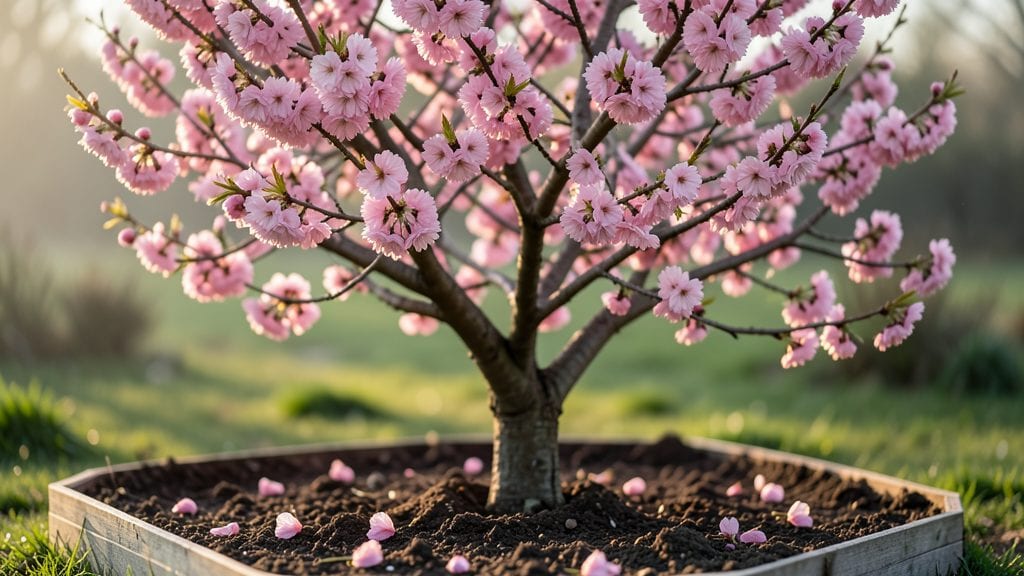
Predicting your cherry tree's flowering time means catching those delicate pink blossoms at their peak—and it all starts with knowing your variety and climate. 🌸 I learned this the hard way when my tart cherry bloomed two weeks earlier than expected, leaving me scrambling for the right tools to photograph them.
The timing varies wildly: sweet cherries often bloom in late April to early May, while tart cherries can start as early as February in warmer zones. Ornamental varieties like Yoshino cherries might burst into color even sooner, sometimes in late winter, depending on your USDA zone.
The real secret lies in chill hours—the number of hours below 45°F your tree needs to break dormancy. Most cherries require 500-1,000 hours, but some varieties need far more. Pruning in late winter can also nudge timing slightly, though over-pruning stresses the tree and delays blooms.
If your tree isn’t flowering when expected, check for last year’s fruit—cherries often prioritize fruit production over blossoms, and thinning can encourage more flowers next season.
What you’ll end up with is a precise bloom forecast tailored to your yard, complete with the right tools to capture or enjoy those fleeting weeks of color.
Imagine waking up to branches heavy with blossoms, their scent drifting through your morning coffee—that’s the reward for timing it right. The key is monitoring local frost dates and adjusting care accordingly, whether you’re in Zone 5’s chilly springs or Zone 9’s mild winters.
Once you’ve mastered the basics, you can even experiment with varieties that bloom at different times, extending your tree’s floral display from late winter through early summer.
The best part? Healthy trees reward you with years of reliable blooms, turning your garden into a seasonal spectacle. Let’s get your timing dialed in!
📚 In This Guide
- What you need
- Instructions
- Tips and common mistakes
- Wrapping up and next steps
What you need
- ● Cherry tree variety identification: Know your tree’s species (e.g., Prunus avium for sweet cherries or Prunus serrulata for ornamental cherries). A blank">local nursery or extension service can help if unsure.
- ● Weather data tools: Smartphone with weather apps (e.g., Weather.com, AccuWeather, or NOAA Climate) for real-time temperature tracking.
- ● Thermometer (digital or analog) with Fahrenheit/Celsius readings, placed near the tree (e.g., blank">Taylor 6200B for accuracy).
- ● Growth tracking: Notebook or spreadsheet (e.g., Google Sheets or Excel) to log daily low temperatures.
- ● Camera (phone or dedicated) for documenting bud development stages.
- ● Local climate resources: Access to blank">USDA Plant Hardiness Zone Map (for your region).
- ● blank">Cooperative Extension Service reports for historical bloom data.
- ● Bloom prediction charts: Printable or digital guides (e.g., blank">Japan Meteorological Corporation’s cherry blossom forecast for reference).
- ● Soil thermometer (e.g., blank">AcuRite) to monitor ground temperature near the roots.
- ● Hydration tools: Watering can or drip irrigation system if your tree needs extra moisture during dormancy.
- ● Pest monitoring: Magnifying glass or UV flashlight to check for early signs of bud damage.
How to predict cherry tree flowering time with climate precision
Here's how I've learned to forecast blooms using temperature cues and seasonal patterns.
🌱 Step 1: Track Chill Hours for Dormant Buds
Cherry trees require 300-1,000 chill hours (temperatures between 32-45°F) to break dormancy. I start counting in late fall when nights consistently drop below 45°F. Use a weather app or garden thermometer to log hours accurately—most home thermometers won't capture the precise range needed.
Sweet cherries typically need 600-1,000 chill hours, while tart varieties often require 300-600. If your region averages fewer than 500 chill hours annually, consider planting a low-chill variety like 'Stella' or 'Montmorency'. You'll know buds are ready when they swell slightly and show pinkish hues—this usually happens 2-4 weeks before blooming in most climates.
☀️ Step 2: Monitor Spring Temperature Trends
Once buds begin swelling, watch for three consecutive days above 50°F—this triggers full bloom. I check my local weather station daily and note when daytime highs consistently reach 60°F. Cold snaps below 32°F after buds swell can cause bloom damage or fruit drop, so I keep a close eye on forecasts during this critical window.
Southern climates often see blooms 4-6 weeks earlier than northern regions. In my zone 7 garden, 'Rainier' cherries typically bloom in mid-April, while 'Bing' varieties wait until late April. Use your tree's specific variety as a baseline—some varieties like 'Lapins' bloom 2-3 weeks earlier than standard types.
⏰ Step 3: Time Pollination for Fruit Set
Cherry trees bloom for 7-10 days, with peak pollination occurring 3-5 days after full bloom. I mark the date of 50% bloom (when half the tree shows open flowers) and set a reminder for 5 days later to check for pollinator activity. Bees and other insects need warm, sunny days above 55°F to effectively transfer pollen between trees.
If you have only one cherry tree, consider planting a second variety within 50 feet for cross-pollination. Some trees like 'Stella' are self-pollinating, but they still produce 20-30% more fruit with a pollinator partner. Watch for petal fall—this signals the start of fruit development and means pollination was successful.
🌿 Step 4: Adjust Care Based on Bloom Timing
Once flowers appear, reduce nitrogen fertilizer to prevent excessive leaf growth at the expense of fruit. I switch to a balanced 10-10-10 formula during bloom and early fruit set. Overwatering now can cause bloom drop, so I water deeply once every 10-14 days unless we experience a heatwave above 90°F.
Prune only after full bloom to avoid removing next year's flower buds, which form during the current growing season. Thin out water sprouts (vertical shoots) immediately—they compete with fruit development. You'll know your timing is right when new leaves emerge 2-3 weeks after petal fall, signaling the tree is shifting energy from flowers to fruit.
Tips & tricks for perfect cherry tree blooms
Mastering cherry tree flowering time takes precision—and these insights will help you anticipate blooms like a seasoned orchardist.
Chill Hour Accuracy: Don't rely on home thermometers—they miss the 32-45°F range critical for counting chill hours. Invest in a dedicated garden thermometer or use a weather station app that tracks nighttime lows specifically. I've seen home thermometers off by 10°F during cold snaps, which could mean missing your tree's dormancy requirements entirely.
Visual Bloom Cues: The 2-4 weeks before blooming window when buds swell and show pinkish hues is your best early indicator. Take photos weekly to track progress—sudden color changes happen fast, especially in warm springs. I've caught bud swell in 'Bing' varieties as early as late February in my zone 7 garden, giving me a 6-week head start on bloom predictions.
Pollinator Strategy: If you're planting for fruit production, time your pollinator support carefully. Mark your 50% bloom date and schedule bee-friendly plants to bloom 3-5 days later—this aligns with peak pollination timing. I've found that planting clover or lavender near my cherry trees extends the pollination window by 7-10 days when natural bees are less active.
Fertilizer Timing: The shift from high-nitrogen to balanced 10-10-10 fertilizer during bloom is crucial. I make this transition when buds first show color, about 2 weeks before predicted bloom. This prevents the tree from redirecting energy to leaf growth instead of fruit development. Overwatering during this period can cause bloom drop, so I reduce irrigation to once every 10-14 days unless we hit 90°F+ heatwaves.
Pro Tips for Cherry Tree Flowering Time
- Mastering cherry tree flowering time takes precision—and these insights will help you anticipate blooms like a seasoned orchardist.
- Chill Hour Accuracy: Don't rely on home thermometers—they miss the 32-45°F range critical for counting chill hours.
- Visual Bloom Cues: The 2-4 weeks before blooming window when buds swell and show pinkish hues is your best early indicator.
Frequently asked questions
Got questions about when your cherry tree will burst into bloom? Here are answers to the most common queries—so you can plan your garden like a pro!
When is the exact cherry tree flowering time?
The timing depends on the variety and climate! Most sweet cherries bloom in early to mid-spring (March–April in temperate zones), while tart cherries often flower slightly later (April–May). Check your USDA zone and local frost dates for precision—this tool can help estimate blooms based on your area.
Will a late frost ruin my cherry tree flowers?
Yes! Cherry blossoms are extremely frost-sensitive. A hard freeze (<32°F) after buds open can kill flowers and reduce fruit yield. To protect your tree, cover it with frost cloth or use smart sprinklers to create insulation. Monitor forecasts and act fast—buds open in 2–3 days once they swell!
Can I force a cherry tree to bloom earlier?
Not reliably! Cherry trees bloom based on chill hours (600–1,200 hours below 45°F) and daylight. While you can’t rush it, you can choose early-blooming varieties (like ‘Stella’ or ‘Van’) or plant in a microclimate with warmer spring temps. Avoid pruning heavily in late winter—it stresses the tree and delays blooms.
Why aren’t my cherry tree flowers turning into fruit?
Common culprits include:
- Pollination issues: Most cherries need cross-pollination (plant 2+ compatible trees). Bees love cherry blossoms—if you see no bees, hand-pollinate with a soft brush.
- Late frost damage: Check for brown, mushy buds (signs of frost kill).
- Pests/disease: Look for cherry fruit flies or fungal spots on leaves.
Do cherry trees bloom at the same time every year?
Not exactly! While they follow seasonal patterns, weather variability shifts timing by 1–2 weeks. Warmer winters or early springs can advance blooms, while cold snaps delay them. Track your tree’s history and adjust expectations—consistency improves with age (mature trees bloom more predictably).
Pro Tip:
Use a flowering calendar (like this one) to sync with local pollinators. Plant companion flowers (e.g., crocus) near your cherry tree to attract early bees!
Wrapping up and next steps
Understanding your cherry tree’s flowering time isn’t just about patience—it’s about preparation! 🌸 By tracking climate patterns, choosing the right varieties, and giving your tree the best care, you can predict and celebrate those stunning blooms with confidence.
Whether you’re a seasoned gardener or just starting, every step brings you closer to a show-stopping spring display.
Now that you’re armed with insights, take the next step: mark your calendar, monitor local forecasts, and start planning your cherry blossom celebration—whether it’s picnics under the trees or simply soaking in nature’s artistry. Happy blooming! 🌿