
Advice
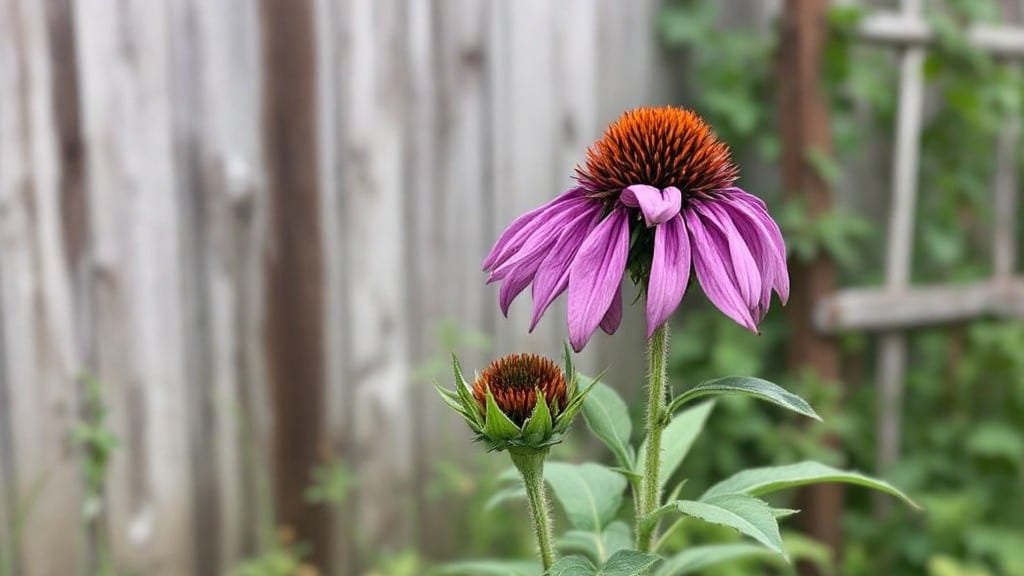
The Cheyenne Spirit coneflower color—that velvety deep pinkish-purple—transforms summer borders into a showstopper that weeds and neighbors can’t ignore. 🌿 I’ve grown this echinacea for three seasons now, and its bold, striking dark center never fails. to draw eyes (and butterflies).
The color isn’t just pretty—it’s dramatic, standing out against anything but the most carefully curated companions.
Pair it with silver foliage plants like lamb’s ear or golden sedum to make the blooms pop even more, or tuck it beside purple salvia for a cohesive purple-pink theme.
In cottage gardens, it thrives alongside black-eyed Susans and bee balm, while pollinator gardens benefit from its late-summer-to-fall display when many other perennials fade. The secret to maximum impact? Plant in odd-numbered clusters—three or five plants create a focal point that feels intentional, not scattered.
You’ll get 6-8 weeks of blooms, starting in midsummer and lasting well into autumn, with stems that hold up to rain and wind better than most coneflowers. The petals even deepen in color as they age, giving you a two-tone effect that’s pure garden magic.
For best results, deadhead spent blooms to encourage more flowers, and watch as bees, butterflies, and hummingbirds flock to your garden like it’s an all-you-can-eat buffet.
Works in full sun to part shade, in well-draining soil, and even tolerates drought once established—making it the low-maintenance superstar of perennial borders. Whether you’re filling a sunny patch, lining a path, or creating a pollinator haven, this coneflower delivers year after year with minimal fuss.
Let’s make your garden the talk of the neighborhood!
📚 In This Guide
- What you need
- Instructions
- Tips and common mistakes
- Wrapping up and next steps
What you need
- ● Cheyenne Spirit coneflower seeds – 1 packet (approx. 50-100 seeds) or 1-2 nursery-grown plants (6" pots).
- ● Well-draining potting mix – 1 bag (10-15 lbs) or native soil amended with compost (50/50 mix).
- ● Garden space or containers – Full sun (6+ hours/day), 6-12" spacing between plants (or larger pots with drainage holes).
- ● Watering can or hose with a gentle spray nozzle – For consistent moisture (avoid soggy soil!).
- ○ Organic mulch (optional but recommended) – 2-3 inches of straw or shredded leaves to retain moisture and suppress weeds.
- ● Hand trowel or small shovel – For transplanting or loosening soil.
- ● Gloves – To protect hands while handling soil or seeds.
- ● Pruning shears – For deadheading spent blooms (encourages more flowers!).
- ○ Fertilizer (low-nitrogen, balanced formula) – Optional: Apply once in early spring (follow package rates).
- ● Stakes or cages (if needed) – For tall varieties (3-4 ft) in windy areas.
- ● 🌡️ Best planting time: Early spring or fall (avoid extreme heat).
- ● ✨ Native soil? Cheyenne Spirit thrives with minimal intervention—just ensure good drainage!
- ● 🔥 Drought-tolerant but not drought-proof: Water deeply 1-2x/week once established.
How to grow Cheyenne Spirit coneflower for stunning purple-pink blooms
This hardy perennial thrives with minimal fuss—here's how to cultivate its bold, weed-outshining blooms.
🌱 Step 1: Choose the Perfect Planting Location
Select a site with full sun (at least 6-8 hours daily) and well-draining soil—Cheyenne Spirit Coneflower despises soggy roots. I always test drainage by digging a 6-inch hole, filling it with water, and watching how quickly it drains. If it takes longer than 2 hours, amend the soil with 2-3 inches of compost before planting.
The plant's striking purple-pink blooms will contrast beautifully against native grasses or wildflower meadows. Space plants 18-24 inches apart to allow for mature growth without overcrowding. This spacing also prevents fungal diseases by improving airflow between stems.
☀️ Step 2: Plant at the Right Time and Depth
Spring or early fall are ideal planting times—avoid summer heat, which stresses young roots. Dig a hole twice as wide as the root ball but only as deep as the container's base. Gently remove the plant from its container, loosen any circling roots with your fingers, and place it in the hole so the top of the root ball sits even with soil level—burying too deep suffocates the plant.
Backfill with native soil and water deeply to eliminate air pockets. The first 2-3 weeks are critical—water whenever the top 2 inches of soil feel dry. You'll see new growth within 3-4 weeks if conditions are right, signaling successful establishment.
💧 Step 3: Water and Fertilize for Optimal Growth
Once established, Cheyenne Spirit Coneflower is drought-tolerant, but young plants need consistent moisture. Water at the base (never overhead) to prevent fungal diseases like powdery mildew. I use a soaker hose for 15-20 minutes weekly during dry spells—this mimics natural rainfall and encourages deep root growth.
Fertilize lightly in early spring with a balanced 10-10-10 formula at half-strength. Too much nitrogen produces lush foliage but fewer blooms. The plant's natural resilience means it rarely needs extra feeding—over-fertilizing actually reduces its weed-suppressing qualities by encouraging aggressive growth.
✂️ Step 4: Deadhead and Maintain for Year-Round Interest
Cut back spent blooms in late summer to encourage a second flush of flowers. I use clean, sharp pruners to snip stems just above the first set of healthy leaves—this redirects energy to root and foliage growth. Leave the seed heads in winter for texture and wildlife interest, but remove them in early spring before new growth appears.
In late fall, cut back the entire plant to 4-6 inches tall. This prevents flopping in winter winds and reduces disease risk. The plant's deep taproot makes division unnecessary—simply maintain spacing and watch it spread naturally over time.
🌿 Step 5: Protect Against Pests and Diseases
Cheyenne Spirit Coneflower is deer-resistant and rarely troubled by pests, but Japanese beetles may target the blooms. I handpick them early morning when they're sluggish, dropping them into soapy water. For fungal issues, apply neem oil preventatively in humid conditions—this keeps the plant's natural vigor intact without harsh chemicals.
The plant's weed-suppressing foliage makes maintenance easy. Mulch lightly with 2 inches of shredded leaves in early spring to retain moisture and deter weeds. Avoid thick mulch layers—this can smother the plant's shallow roots and reduce blooming.
Tips & tricks for perfect Cheyenne Spirit coneflower blooms
Here's what I've learned after years of growing this standout perennial—these tricks ensure your Cheyenne Spirit Coneflower reaches its full purple-pink potential.
Sunlight Secret: While 6-8 hours of sun is ideal, these plants can actually tolerate up to 10 hours of direct sunlight without stress. I've found that morning sun with afternoon shade in hot climates produces even more vibrant blooms. The key is avoiding midday heat stress during summer's peak—watch for wilting leaves as a warning sign.
Soil Preparation Tip: The 2-hour drainage test in Step 1 is non-negotiable. I've seen many gardeners skip this and end up with root rot. For heavy clay soils, mix in 3 inches of coarse sand along with the compost to improve drainage. This creates the perfect environment for those deep taproots to thrive.
Watering Wisdom: Those critical first 2-3 weeks deserve special attention. I've found that watering in the early morning (between 6-8 AM) gives the soil time to absorb moisture before evaporation. Use a moisture meter to check the top 2 inches—if it reads dry, water deeply until it runs out the bottom of the pot or hole.
Fertilizer Strategy: The half-strength 10-10-10 recommendation in Step 3 is perfect, but timing matters. I apply mine when I see new growth emerging in early spring, not when the plant is already flowering. This prevents nitrogen burn that could reduce bloom production. For organic gardeners, a balanced fish emulsion works beautifully at half-strength too.
Pro Tips for Cheyenne Spirit Coneflower Color
- Here's what I've learned after years of growing this standout perennial—these tricks ensure your Cheyenne Spirit Coneflower reaches its full purple-pink potential.
- Sunlight Secret: While 6-8 hours of sun is ideal, these plants can actually tolerate up to 10 hours of direct sunlight without stress.
- Soil Preparation Tip: The 2-hour drainage test in Step 1 is non-negotiable.
Frequently asked questions
Got questions about Cheyenne Spirit coneflower and its stunning purple-pink blooms? You’re not alone! Here are some of the most common queries—and their answers—to help you grow this showstopper with confidence.
What does Cheyenne Spirit coneflower look like compared to other coneflowers?
The Cheyenne Spirit stands out with its vibrant, deep purple-pink petals that fade to soft pink at the edges, creating a gradient effect. Unlike classic Echinacea purpurea (which has more uniform magenta blooms), its ruffled petals and darker central cone make it a standout in pollinator gardens. The blooms also stay fresh longer—up to 8 weeks per stem!
When is the best time to plant Cheyenne Spirit coneflower for full color?
For spring blooms, plant in early fall (6–8 weeks before your first frost) so roots establish before winter. If planting in spring, do it as soon as the soil is workable—March to May in most zones (4–9). Pro tip: Space plants 18–24 inches apart for optimal airflow and color impact.
Why aren’t my Cheyenne Spirit coneflowers blooming as vibrantly as expected?
Faded or sparse blooms often signal nutrient deficiencies (especially phosphorus) or overcrowding. Try these fixes:
- Fertilize: Use a balanced 10-10-10 or bone meal in early spring.
- Deadhead spent blooms to encourage reblooming.
- Water deeply but avoid soggy soil—Cheyenne Spirit thrives in well-draining conditions.
If blooms are small or pale, check for shade—they need 6+ hours of sun daily!
Can I grow Cheyenne Spirit coneflower in containers, or is it only for gardens?
This coneflower adapts well to containers (5+ gallon pots) if you:
- Use fast-draining mix (add perlite or sand).
- Place in full sun (partial shade = fewer blooms).
- Water regularly but let soil dry between waterings.
Container-grown plants may bloom slightly later but still deliver bold color—perfect for balconies or patios!
Does Cheyenne Spirit attract pollinators like other coneflowers?
Yes! Its open, flat blooms are a magnet for bees, butterflies, and hummingbirds. The long bloom season (summer to early fall) ensures steady visitors. Bonus: The dark central cone provides nectar even after petals fade, feeding late-season pollinators.
Wrapping up and next steps
The Cheyenne Spirit coneflower isn’t just a burst of bold purple-pink beauty—it’s a low-maintenance, eco-friendly powerhouse that transforms gardens into vibrant, weed-resistant havens. 🌸 Whether you’re drawn to its striking color, drought tolerance, or pollinator appeal, this plant proves that stunning blooms don’t require high effort.
Now that you’re armed with care tips and answers to common questions, why not plant one today? Grab your gloves, pick a sunny spot, and let nature do the rest—your garden (and local bees!) will thank you.