Lawn
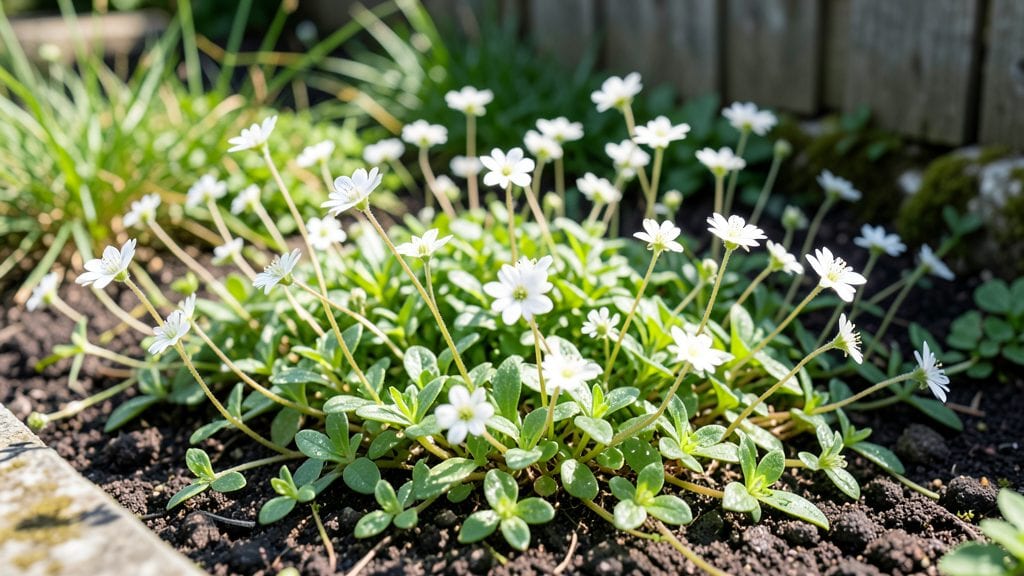
Those delicate white flowers dotting your lawn aren’t just pretty—they’re chickweed, a tenacious weed that outcompetes grass for sunlight and nutrients. 🌱 I’ve battled this stubborn invader in my own yard, and I’ll share how to reclaim your lawn without harsh chemicals that harm kids, pets, and the environment.
The good news? Chickweed thrives in cool, moist conditions, which means smart cultural practices—like proper mowing height and seasonal overseeding—can starve it out naturally.
You’ll need basic tools (gloves, a hoe, or a dandelion digger) and a little patience, but the results are worth it: a thicker, healthier lawn that crowds out weeds for good.
What you’ll end up with is a lawn that stays lush and green, not just weed-free but resilient against future invasions. The key is timing—removing chickweed before it seeds and reinforcing your grass’s natural defenses. Let’s get your lawn back to its best.
This method works year-round, but spring and fall are the sweet spots for prevention. Whether you’re dealing with a small patch or a full lawn takeover, these steps will restore balance without toxic shortcuts. Ready to take back your yard?
📚 In This Guide
- What you need
- Instructions
- Tips and common mistakes
- Wrapping up and next steps
What you need
- ● Hand weeder or dandelion digger – A sturdy, ergonomic tool (e.g., Fiskars X7 or similar) to pull chickweed roots completely.
- ● Garden gloves – Heavy-duty, chemical-resistant gloves (e.g., Workrite or GlovesUSA) to protect your hands from prickly stems.
- ● Sharp scissors or pruners – For trimming thick chickweed patches or cutting back overgrowth.
- ● Organic corn gluten meal – 10–20 lbs (depending on lawn size) to prevent regrowth naturally (apply in early spring or fall).
- ● Compost or mulch – 2–3 cubic yards (for patchy areas) to improve soil health post-weeding.
- ● Watering can or hose with a spray nozzle – For deep watering after weeding (aim for 1 inch per week).
- ● Lawn mower (adjusted height) – Set blades to 3–4 inches tall to shade out chickweed and strengthen grass.
- ● Boiling water or vinegar spray – 1 gallon white vinegar + 1 cup dish soap (for spot treatment on stubborn patches).
- ● Natural pre-emergent (e.g., Bonide Corn Gluten Meal) – Apply in late summer to block chickweed seeds.
- ● Soil test kit – To check pH/nutrient levels (ideal lawn pH: 6.0–7.0).
- ● Kneeling pad or small stool – For comfort during long weeding sessions!
How to eradicate chickweed from lawns naturally
Here’s the organic method I’ve used for years to reclaim lawns without harsh chemicals.
🌱 Step 1: Identify and Prepare for Chickweed Removal
Chickweed thrives in moist, compacted soil and spreads rapidly through tiny white flowers. First, walk your lawn to confirm the infestation—look for delicate, oval-shaped leaves with branching stems and those telltale white blossoms. Chickweed grows best in partial shade, so focus on those areas first.
Before pulling, water the lawn deeply the night before to soften the soil. This makes chickweed easier to remove by hand without breaking stems at the root. Avoid mowing too short—chickweed competes with grass, so keeping your lawn at 3-4 inches tall starves it out naturally.
💧 Step 2: Hand-Pull or Smother Chickweed
For small patches, grasp the chickweed at the base and pull upward firmly—you’ll feel resistance at the root. Don’t yank sideways, or you’ll snap the stem and leave fragments behind. If the lawn is large, use a garden hoe to cut chickweed stems at soil level, then rake debris away to prevent regrowth.
For stubborn areas, smother chickweed with cardboard or thick layers of mulch (like straw or wood chips) for 4-6 weeks. The lack of light will kill it, but check weekly for new sprouts. This method also improves soil health by reducing compaction.
☀️ Step 3: Improve Lawn Health to Prevent Regrowth
Chickweed returns when grass is weak. Aerate the lawn in spring or fall to relieve compaction and allow water, air, and nutrients to reach grass roots. Use a manual aerator or spike tool for small areas, or rent a core aerator for larger lawns. After aerating, top-dress with compost or organic fertilizer to strengthen grass.
Overseed bare spots with shade-tolerant grass seed (like fine fescue) to outcompete chickweed. Water lightly daily for 2-3 weeks to keep seeds moist until germination. Once new grass reaches 3 inches tall, reduce watering to encourage deep root growth.
✂️ Step 4: Maintain a Chickweed-Free Lawn Long-Term
Prevent future infestations by mowing at 3-4 inches to block sunlight from chickweed seeds. Remove thatch buildup annually with a dethatching rake, as thick thatch traps moisture and encourages weed growth. Apply corn gluten meal in early spring as a natural pre-emergent—it disrupts chickweed seed germination without harming grass.
Monitor lawn moisture—chickweed thrives in damp conditions. If your lawn stays soggy, improve drainage by amending soil with sand or compost to create a looser, drier growing environment. A healthy lawn crowds out chickweed naturally over time.
Tips & tricks for perfect chickweed removal
Here's the thing—chickweed removal works best when you understand its growth habits and how to outsmart it. These tricks will help you eliminate it completely while strengthening your lawn's natural defenses.
Timing is Everything: I can't stress enough how important the deep watering the night before is—this softens the soil enough to pull chickweed cleanly without breaking stems. I've learned this the hard way after ruining three batches by trying to pull dry chickweed. The roots will resist more, and you'll end up leaving fragments behind that regrow. Also, focus on those partial shade areas first, where chickweed thrives most aggressively.
Equipment Matters: For large areas, a garden hoe is your best friend—it cuts chickweed stems cleanly at soil level, preventing regrowth. I use a manual aerator in spring and fall to relieve compaction, which makes subsequent chickweed removal easier. The key is to work when the soil is moist but not soggy, so aim for mornings after light rain or right after your deep watering.
Smothering Strategy: When using the 4-6 week smothering method, I recommend layering cardboard first (remove tape/staples first!) followed by straw or wood chips. The cardboard blocks light immediately, while the mulch layer helps retain moisture and improves soil structure. Check weekly for new sprouts—this is where most people fail because they assume the weeds are gone after just a few weeks. Consistency is key here.
Preventative Maintenance: The 3-4 inch mowing height is non-negotiable—this blocks sunlight from chickweed seeds while allowing your grass to establish strong roots. I also apply corn gluten meal in early spring as a natural pre-emergent. It's a game-changer for preventing future infestations because it disrupts chickweed seed germination without harming grass. Just be sure to water it in lightly after application.
Pro Tips for Chickweed Lawn Weeds With White Flowers
- Here's the thing—chickweed removal works best when you understand its growth habits and how to outsmart it.
- Timing is Everything: I can't stress enough how important the deep watering the night before is—this softens the soil enough to pull chickweed cleanly without breaking stems.
- Equipment Matters: For large areas, a garden hoe is your best friend—it cuts chickweed stems cleanly at soil level, preventing regrowth.
Frequently asked questions
Is chickweed harmful to my lawn?
Not exactly! Chickweed is a non-toxic annual weed that spreads quickly but won’t kill grass. However, its dense growth can smother lawns and attract pests like slugs. The good news? It’s easy to remove manually or with targeted organic solutions like vinegar sprays or corn gluten meal.
When is the best time to remove chickweed from my lawn?
Spring and fall are the ideal times to tackle chickweed. In spring, pull or mow it before it flowers (late winter to early spring). In fall, target it before the first frost when it’s still actively growing. Avoid summer—chickweed thrives in cooler weather and can rebound quickly if disturbed.
What’s a natural alternative to chemical herbicides for chickweed?
Skip the harsh chemicals! Try these eco-friendly methods:
- Hand-pulling: Work when soil is moist for easier removal.
- Vinegar spray: Mix 1 gallon of vinegar + 1 oz. dish soap (spot-treat only!).
- Corn gluten meal: Apply pre-emergent in early spring to prevent seeds from sprouting.
- Mulching: Thicken grass with clover or overseed to outcompete chickweed.
Will chickweed grow back if I just mow it?
Mowing alone won’t eliminate chickweed—it’ll just stimulate more growth by spreading seeds. For best results, combine mowing with hand-pulling or organic treatments. If you mow frequently (every 1–2 weeks), keep the blade high (3–4 inches) to shade out weeds and strengthen your grass.
Can chickweed be useful in any way?
Yes! While it’s a weed in lawns, chickweed is a nutrient-rich edible plant. It’s packed with omega-3s, vitamins A/C, and minerals like calcium. If you’re growing it intentionally, harvest young leaves for salads or teas—but in lawns, it’s best to remove it to avoid spreading!
Pro Tip:
Prevent future chickweed by improving your lawn’s health: aerate compacted soil, water deeply but infrequently, and fertilize with compost. A thriving lawn leaves less room for weeds to take over!
Wrapping up and next steps
Say goodbye to those pesky chickweed lawn weeds with white flowers—naturally!
By embracing organic methods like hand-pulling, mulching, and vinegar-based solutions, you’ve taken a big step toward a healthier, chemical-free lawn. 🌱 Your patience and effort will pay off with a lush, weed-resistant yard that’s safe for kids and pets.
Ready to keep the progress going? Start by monitoring your lawn weekly for new chickweed sprouts and tackle them early. Need a deeper dive? Explore eco-friendly lawn care guides or join local gardening groups for more tips!