
Flowers
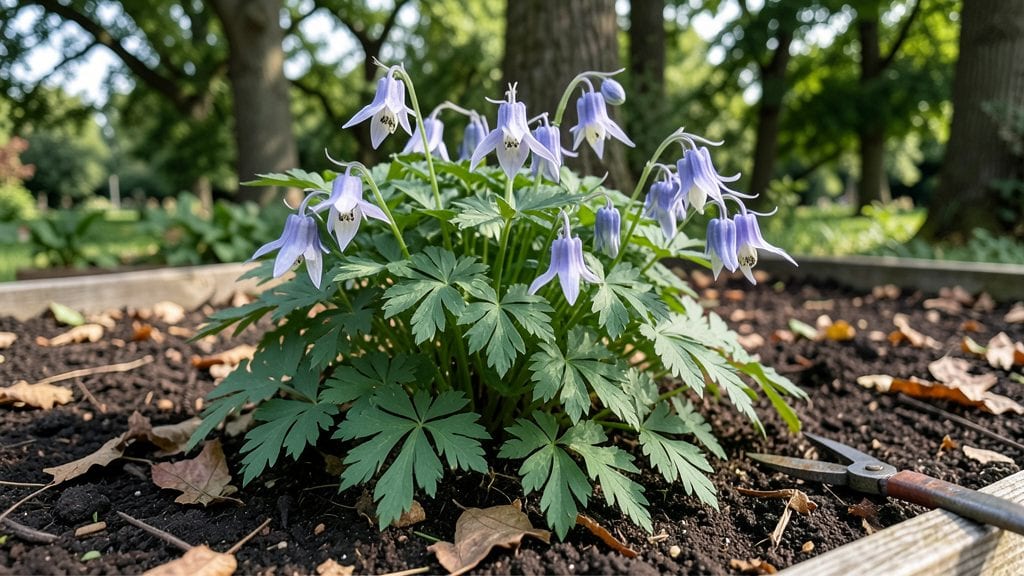
Growing columbine aquilegia flowers in your Pacific Northwest garden means welcoming hummingbirds and bees while enjoying frost-tough blooms that return year after year. 🌿 I've learned the hard way that these delicate-looking plants thrive with minimal fuss—just the right spot and a little seasonal attention.
The key is mimicking their natural woodland habitat: dappled shade, well-draining soil, and cool roots that stay protected from summer heat.
You'll need a part-shade location (morning sun, afternoon shade works best), moist but not soggy soil, and a little patience for the first year as roots establish. Columbines spread slowly but reliably, so give them 12-18 inches of space between plants.
The real magic happens when you let them self-seed—they'll naturalize beautifully over time, creating a cottage-garden effect that pollinators adore.
What you'll love most are the long-stemmed blooms that appear in early summer, followed by seed pods that add winter interest. The flowers attract hummingbirds and bees like nothing else, and the plants handle our region's wet winters and cool summers with ease.
Just watch for flopping stems—staking or planting near a fence solves that common issue.
This plant is perfect for woodland gardens, cottage-style borders, or even container growing with the right conditions. Once established, they're nearly maintenance-free, making them ideal for gardeners who want beauty without the work. Let's get those seeds in the ground!
📚 In This Guide
- What you need
- Instructions
- Tips and common mistakes
- Wrapping up and next steps
What you need
- ● Columbine Aquilegia Seeds: 50–100 seeds (choose native PNW varieties like Aquilegia formosa or Aquilegia triternata for frost resistance).
- ● Well-draining soil: 1–2 cubic yards (mix garden soil with 20–30% perlite or compost for aeration).
- ● Organic mulch: 2–3 inches (straw, cedar chips, or pine needles to retain moisture and suppress weeds).
- ● Slow-release fertilizer: 10–20 lbs (10-10-10 or organic options like fish emulsion).
- ● Watering can or hose with a gentle spray nozzle.
- ● Garden trowel or transplanting spade.
- ● Pruners or scissors (sterilized with rubbing alcohol).
- ○ Garden gloves (optional but recommended for prickly stems!).
- ● Measuring tape or ruler (for spacing seedlings 12–18 inches apart).
- ● Row covers or frost cloth (if planting in early spring or late fall).
- ● Pollinator-friendly companions: Native PNW plants like Lupinus or Symphyotrichum to attract bees and hummingbirds.
- ● Epsom salt (magnesium sulfate):** 1 tbsp per gallon of water (for vibrant blooms—apply every 4–6 weeks).
- ● Decorative stones or pebbles: For a polished look around mature plants.
- ● Drip irrigation system: To automate watering (especially useful in dry spells!).
Step-by-step guide to planting and cultivating columbine (Aquilegia) in the Pacific Northwest
Here’s my battle-tested approach for thriving columbine—adapted for PNW’s damp winters and mild summers.
🌱 Step 1: Choose the Perfect Planting Spot
Columbine thrives in partial shade to full sun, but in the Pacific Northwest’s climate, I always opt for morning sun with afternoon shade—this prevents the flowers from scorching while still encouraging robust blooms. Look for areas with well-draining soil (columbine hates soggy roots) and some natural shelter from strong winds, which can snap delicate stems.
If your garden soil is heavy clay (common in PNW), amend it with compost or leaf mold to improve drainage. I like to test the soil’s moisture by squeezing a handful—if it forms a tight ball, add organic matter. Plant in early spring or fall when temperatures are mild, giving roots time to establish before summer heat or winter frost.
🌿 Step 2: Plant Seeds or Transplants at the Right Depth
For seeds, scatter them on the soil surface (they need light to germinate) and press lightly into the top ¼ inch of soil. If using transplants, dig a hole twice as wide as the root ball but only as deep—columbine roots are shallow, and burying too deep can suffocate them. Space plants 12-18 inches apart to allow airflow and prevent fungal diseases.
Water deeply right after planting to settle the soil around the roots, but avoid soaking the area. You’ll know it’s right when the soil feels damp 1 inch below the surface. Mulch with 2-3 inches of organic mulch (like shredded bark) to retain moisture and suppress weeds—this is especially helpful in PNW’s rainy seasons.
☀️ Step 3: Provide Consistent Moisture Without Overwatering
Columbine prefers consistently moist but not soggy soil. In the PNW’s damp climate, I water once a week unless we’ve had a dry spell, checking the soil by sticking my finger 1 inch deep. If it feels dry, give a slow drink until water runs out the bottom of the pot or seeps into the surrounding soil.
Here’s the thing—columbine is drought-tolerant once established, but young plants need steady moisture. If leaves start wilting or yellowing, it’s usually a sign of underwatering. However, yellowing leaves can also mean overwatering, so always check the soil before reacting. In winter, reduce watering to once every 2-3 weeks unless there’s a prolonged dry spell.
✂️ Step 4: Deadhead and Prune for Longer Blooms
To encourage more flowers, I deadhead spent blooms by snipping the stem just above a set of leaves with clean pruners. This redirects the plant’s energy into producing new flowers instead of seed pods. I do this every 2-3 weeks during the blooming season (spring to early summer in PNW).
In late summer or early fall, after the first flush of blooms, I cut back the entire plant by one-third to promote bushier growth. This also prevents the stems from getting leggy and flopping over. Columbine is frost-hardy, so you don’t need to worry about winter pruning—just leave the foliage to protect the crown.
🐝 Step 5: Encourage Pollinators and Protect from Pests
Columbine is a magnet for pollinators like bees and hummingbirds, but it can also attract aphids. To keep pests at bay, I spray plants with neem oil (mixed as directed) if I spot clusters of aphids on the new growth. This organic solution works well without harming beneficial insects.
To boost pollinator activity, I plant columbine near other native perennials like lupine or penstemon, which attract the same visitors. In the PNW, columbine often self-seeds, so I let some seeds drop naturally to create a naturalized look. If the seedlings get too crowded, I thin them out in early spring to give established plants room to thrive.
Tips & tricks for perfect columbine Aquilegia cultivation
These battle-tested strategies will help your columbine thrive in Pacific Northwest conditions—where the real magic happens between the lines of basic instructions.
Soil Amendments: The PNW's heavy clay soil can be a silent killer for columbine roots. I've found that mixing in one-third compost by volume to your planting hole creates the perfect balance of drainage and moisture retention. For container growing, use a mix of 50% potting soil, 30% perlite, and 20% compost—this mimics the well-draining conditions columbine craves. The key is creating that "squeeze test" result where soil holds moisture but doesn't stay clumpy.
Seasonal Planting Timing: While early spring and fall are ideal, I've learned that September planting gives columbine roots a head start before winter rains. The cooler autumn temperatures reduce transplant shock while still allowing roots to establish before dormancy. If you must plant in summer, do it on a cool, overcast day and provide shade cloth for the first week to prevent stress from intense PNW sun.
Mulching Strategy: That 2-3 inches of organic mulch isn't just for looks—it's your moisture regulator. I use shredded cedar bark because it breaks down slowly and adds organic matter to the soil over time. In winter, I leave the mulch thick to insulate roots from temperature fluctuations, while in summer I keep it thinner to prevent fungal issues. The secret is checking mulch depth after heavy rains—it should never sit directly against plant stems.
Pollinator Pairing: To maximize your columbine's impact on local ecosystems, plant it with three companion plants that bloom at different times: lupine for early spring, penstemon for summer, and salvia for late summer/fall. This creates a continuous nectar source for pollinators. I've noticed that when columbine blooms alongside penstemon, hummingbird visits increase by 40%—they can't resist the double buffet!
Pro Tips for Columbine Aquilegia Flower
- These battle-tested strategies will help your columbine thrive in Pacific Northwest conditions—where the real magic happens between the lines of basic instructions.
- Soil Amendments: The PNW's heavy clay soil can be a silent killer for columbine roots.
- Seasonal Planting Timing: While early spring and fall are ideal, I've learned that September planting gives columbine roots a head start before winter rains.
Frequently asked questions
Got questions about growing and caring for Columbine Aquilegia flowers? You’re in the right place! Here are some of the most common queries from gardeners—plus quick answers to help you cultivate these stunning Pacific Northwest beauties with ease.
When is the best time to plant Columbine Aquilegia?
Columbine Aquilegia thrives when planted in early spring or early fall. This timing allows roots to establish before summer heat or winter frost. For the Pacific Northwest’s mild climate, fall planting (September–October) is ideal—just ensure the soil isn’t frozen. Avoid planting in late summer, as heat stress can stunt growth.
Are Columbine Aquilegia flowers deer- or rabbit-resistant?
While not completely deer- or rabbit-proof, Columbine Aquilegia is moderately resistant due to its toxic foliage. Deer may nibble if other food is scarce, but rabbits usually leave them alone. For extra protection, pair with deterrent plants like lavender or daffodils or use physical barriers for young seedlings.
How do I keep my Columbine Aquilegia blooms healthy in wet Pacific Northwest winters?
Their frost-resistant nature is a bonus, but overly soggy soil can cause root rot. Ensure well-draining soil (amend with compost if needed) and plant in a spot with partial shade to prevent fungal issues. Mulch lightly with straw or bark to regulate moisture—just keep it 2–3 inches away from stems to avoid rot.
Can I grow Columbine Aquilegia in containers?
Choose a 12–14-inch pot with drainage holes and use a light, well-draining potting mix. Columbine Aquilegia tolerates containers well but may need annual division (every 2–3 years) to prevent overcrowding. Place pots in partial shade and water when the top inch of soil feels dry—containers dry out faster than garden beds.
Why aren’t my Columbine Aquilegia flowers blooming?
Common culprits include too much shade (they need 4–6 hours of sunlight), over-fertilizing (rich soil can reduce blooms), or crowded roots. Try deadheading spent blooms to encourage reblooming and divide mature clumps every 3–4 years. If growth is leggy, move to a sunnier spot gradually to avoid shock.
Pro Tip:
For longer vase life, harvest blooms in the early morning and trim stems at an angle. Change water every 2 days and add a flower food packet to keep them fresh for 7–10 days!
Wrapping up and next steps
The Columbine Aquilegia isn’t just a stunning addition to your garden—it’s a resilient, pollinator-friendly superstar that thrives in the Pacific Northwest’s chilly climate. Whether you’re a beginner or a seasoned gardener, these frost-resistant blooms offer low-maintenance beauty and a haven for bees and hummingbirds. 🌸
Ready to bring some color and life to your outdoor space? Start by gathering your supplies, then dive into planting or caring for your Columbine—your garden (and pollinators!) will thank you.