
Plants
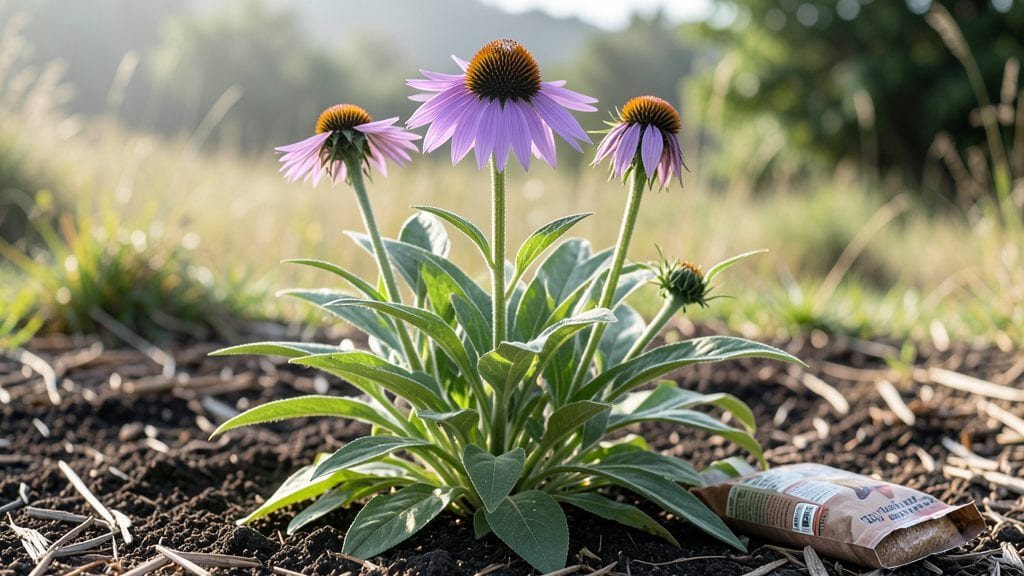
Your coneflowers’ new growth is the secret to those bold purple blooms stretching from July to frost—here’s how to coax it out without cutting back too soon. 🌿 I’ve watched coneflowers go from scraggly to showstopping by mastering just three pruning moves, and the best part?
You don’t need fancy tools or a green thumb. The key is timing: prune in early spring before new shoots appear, and again after the first flush of blooms fades.
That second cut is where the magic happens—it tells the plant, “Go ahead, grow more!”—and you’ll see fresh green stems popping up within weeks.
What you’ll actually need is simple: sharp pruners (clean, rusty blades stress plants), a glove (those thorns are no joke), and a sharpie for labeling if you’re dividing. The real work happens in the garden, not the prep—just grab those tools on a mild morning, and you’re ready.
Most gardeners overthink fertilizing, but coneflowers thrive on neglect: a light balanced 10-10-10 in spring and a handful of compost in the soil is all they need. The rest? Watering deeply once a week and letting the dead blooms stay until they brown (they’ll self-seed like crazy).
By mid-summer, you’ll be snapping photos of vibrant new growth shooting up alongside last year’s sturdy stems—proof the plant’s not just surviving, it’s thriving. The flowers won’t just be bigger; they’ll last longer, too, with fewer gaps between blooms.
And here’s the bonus: those extra stems mean more cut flowers for your vase, more seeds for next year, and more neighbors asking “What’s your secret?” The pruning blueprint I’m about to share turns coneflowers from “nice fillers” into the star of the garden—no black magic, just smart cuts.
Works for all coneflower varieties—whether you’ve got the classic purple Echinacea purpurea or the orange Echinacea ‘Hot Papaya’—and adapts to any sunlight spot, from full sun to partial shade.
The only rule? Don’t wait until fall to prune—those late cuts confuse the plant and stunt next year’s growth. Let’s get those shears sharp and those stems growing!
📚 In This Guide
- What you need
- Instructions
- Tips and common mistakes
- Wrapping up and next steps
What you need
- ● Pruning shears – Sharp, bypass-style (avoid dull blades to prevent tearing).
- ● Garden gloves – Heavy-duty, cut-resistant (thorny stems are no joke!).
- ● Disinfectant – 70% isopropyl alcohol or rubbing alcohol (1 small bottle).
- ● Compost or mulch – Organic, well-aged (5–10 gallons, depending on plant size).
- ● Balanced fertilizer – 10-10-10 or 20-20-20 (1 lb. per 10 sq. ft. of garden bed).
- ● Hand pruners – For smaller stems (backup to shears).
- ● Garden hose or watering can – With fine mist setting (for post-pruning hydration).
- ● Pruning saw – Only if dealing with thick, woody stems (rare for coneflowers).
- ○ Plant support stakes – Optional for floppy new growth (bamboo or metal, 3–4 ft. tall).
- ○ Slow-release granules – Optional (e.g., Osmocote) for extended nutrient release.
Instructions for pruning coneflower to encourage continuous summer blooms
Here's how to coax your coneflowers into a second flush of vibrant blooms—no fancy tools or guesswork required.
✂️ Step 1: Time Your First Cut for Peak Growth
Wait until late spring, after the first flush of blooms has faded but before new stems reach 12 inches tall. This timing ensures you're not cutting back into next year's flower buds, which form on old stems. I like to prune in mid-May in my zone 6 garden—just as the first blooms begin to brown.
Use clean, sharp pruners to cut back one-third of the plant's height, targeting the oldest stems first. You'll see a mix of woody and green growth—focus on the stems that look tired or leggy. The goal is to remove spent blooms while leaving enough foliage to support new growth. Don't worry about perfect cuts; coneflowers are forgiving.
🌿 Step 2: Deadhead and Thin for Airflow
After the first flush, watch for spent blooms with dry, papery petals. Snip these off at the base with your fingers or pruners—no need to sterilize tools for this step. I like to do this every 2-3 days during peak bloom to prevent seed heads from forming, which diverts energy from new flowers.
Thin crowded stems by removing every other stem if your plant looks overgrown. This improves airflow, reducing the risk of powdery mildew—a common issue in humid summers. Aim to leave 3-4 strong stems per plant for optimal regrowth. You'll notice new shoots emerging from the base within 7-10 days if conditions are right.
☀️ Step 3: Feed and Water for a Second Flush
After pruning, apply a balanced 10-10-10 fertilizer at half strength to encourage new growth. Water deeply right after fertilizing to help roots absorb nutrients. Coneflowers thrive in well-draining soil, so avoid soggy conditions—water only when the top 2 inches of soil feel dry. Overwatering stresses plants and delays regrowth.
Place your coneflowers in full sun (at least 6-8 hours daily) for best results. If your garden is shadier, expect fewer blooms but stronger stems. You'll see new buds forming at the stem tips within 3-4 weeks—this is your signal that the pruning worked. Mulch around the base with 2-3 inches of organic mulch to retain moisture and suppress weeds.
⏰ Step 4: Monitor and Adjust for Fall Blooms
By mid-summer, your coneflowers should be putting out a second round of blooms. If growth slows, give them another light feeding with low-nitrogen fertilizer (like 5-10-10) to support flowering over leafy growth. Watch for yellowing leaves, which can signal overwatering or nutrient deficiency—adjust accordingly.
In late summer, stop fertilizing to harden off the plants for winter. Let the remaining blooms go to seed if you want to attract pollinators or collect seeds for next year. Cut back spent stems to 4-6 inches tall in early fall to tidy the plant and encourage a stronger base for next spring's growth.
Tips & tricks for perfect coneflower new growth
Here's what nobody tells you about getting those second flushes of coneflower blooms—these are the secrets that'll transform your garden from one-time bloomers to summer-long showstoppers.
Timing is Everything: In Step 1, those 12 inches of stem height are your guide—this is when new flower buds are just forming. If you cut too early, you risk removing next year's blooms. I use a simple trick: when the first flowers start browning but haven't fully dried out, that's your perfect window. In my zone 6 garden, this always aligns with mid-May, but your exact timing depends on your local frost dates and spring warmth.
Pruning Precision: When you're cutting back one-third of the plant's height in Step 1, focus on the oldest stems first—they're the ones that look woody and tired. I like to make my cuts at a 45-degree angle just above a leaf node (where leaves attach) to encourage new growth from that point. This isn't about perfection; it's about redirecting the plant's energy toward new stems and blooms rather than supporting old, spent growth.
Airflow Strategy: The 2-3 day deadheading schedule in Step 2 might seem frequent, but it's crucial for preventing powdery mildew. I've seen coneflowers completely wiped out by this fungal disease in humid summers, so don't skip this step. For crowded plants, removing every other stem creates that perfect airflow while still maintaining a full appearance. You'll know you're doing it right when you see those new shoots popping up within 7-10 days—it's like watching magic happen right before your eyes.
Fertilizer Timing: That half-strength 10-10-10 application after pruning in Step 3 is your plant's jumpstart. The key is applying it right after watering—this helps prevent root burn from the fertilizer's salt content. I've found that using a slow-release granular fertilizer instead of liquid can give you even better results with less maintenance. And remember, those 3-4 weeks until new buds form? That's your plant's natural timeline—don't rush it with extra fertilizer!
Pro Tips for Coneflower New Growth
- Here's what nobody tells you about getting those second flushes of coneflower blooms—these are the secrets that'll transform your garden from one-time bloomers to summer-long showstoppers.
- Timing is Everything: In Step 1, those 12 inches of stem height are your guide—this is when new flower buds are just forming.
- Pruning Precision: When you're cutting back one-third of the plant's height in Step 1, focus on the oldest stems first—they're the ones that look woody and tired.
Frequently asked questions
When is the best time to prune coneflowers for new growth?
Prune after the first flush of blooms (late summer) or in early spring before new shoots emerge. Avoid cutting back in fall—this can damage winter-hardy roots. For nonstop blooms, deadhead spent flowers throughout the season to redirect energy to fresh growth.
How much should I cut back coneflower stems?
Trim stems back by 1/3 to 1/2 their height, but never below the lowest set of healthy leaves. Over-pruning can stress the plant. For established coneflowers, leave a few stems uncut to maintain structure and encourage bushier regrowth. Pro tip: Use clean, sharp shears to avoid tearing stems!
Why isn’t my coneflower producing new growth after pruning?
New growth may stall due to underwatering, poor soil, or over-fertilizing. Ensure your coneflower gets 1–1.5 inches of water weekly (adjust for climate) and well-draining soil. If growth is still sluggish, test soil pH (aim for 6.0–7.0) or amend with compost. Patience! Some varieties need 4–6 weeks to rebound.
Can I propagate coneflower new growth from cuttings?
Yes! Take 4–6 inch cuttings from healthy, non-flowering stems in early summer. Remove lower leaves, dip in rooting hormone, and plant in moist perlite or sand. Keep humid (use a plastic bag) and place in bright, indirect light. Roots typically form in 4–8 weeks. Bonus: This method multiplies your plants for free!
Are there alternatives to pruning for encouraging new blooms?
If pruning feels drastic, try deadheading (snipping spent blooms) or pinching back leggy stems by a few inches in spring. For sluggish growth, apply a balanced fertilizer (10-10-10) in early spring—but avoid high-nitrogen blends, which promote foliage over flowers. Mulch with 2–3 inches of organic matter to retain moisture and nutrients.
Wrapping up and next steps
Cultivating coneflower new growth is all about timing, technique, and a little patience—rewarded with stunning summer blooms that keep coming back stronger each year! By mastering pruning (like deadheading spent blooms and shaping in early spring), you’ll encourage vibrant foliage and nonstop color.
Remember, healthy plants thrive with the right balance of cutting back and letting nature do its thing—so don’t overdo it!
Now that you’re armed with the pruning blueprint, why not grab your shears and give your coneflowers a fresh start? 🌸 Next steps:
- Pick a sunny day to trim and admire your garden’s transformation!
- Monitor new growth and adjust care as needed—your coneflowers will thank you.