
Shrubs
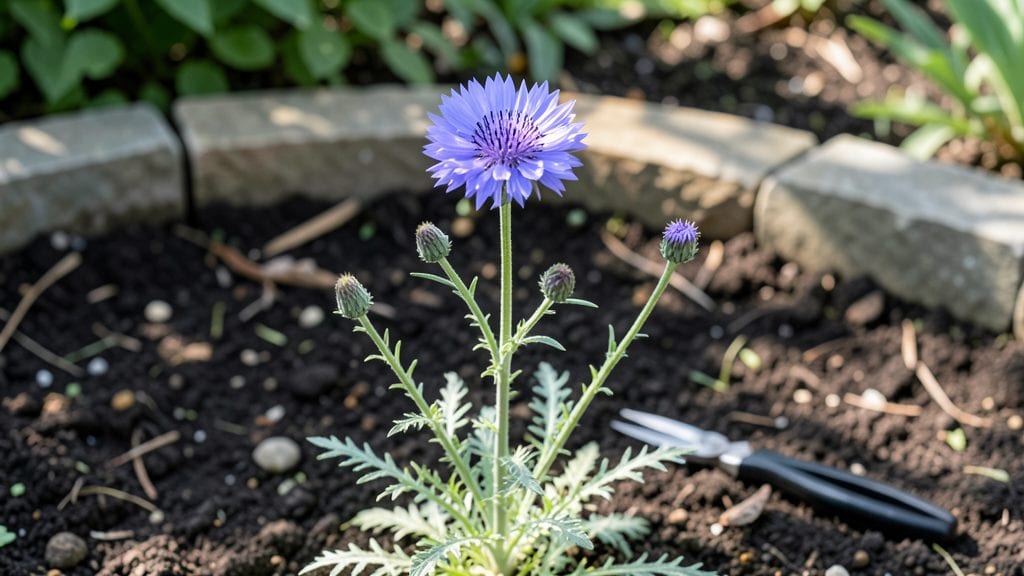
Cornflowers before flowering are the unsung heroes of early-season gardens—deep blue-green foliage that adds striking contrast long before the blooms arrive. 🌿 I remember my first year growing them: the bold, lance-shaped leaves caught my eye in April, holding their own against spring’s softer greens.
This is where the magic happens, before the classic blue blooms steal the show.
Their fiery texture and mid-green hue make them stand out in borders, containers, or as edging. Pair them with silver foliage for drama, or tuck them near lavender for a soft, layered look.
The secret to showcasing their early appeal? Plant them in clusters—three to five plants together—so the foliage creates a dense, eye-catching display before any flowers appear.
You’ll love how they hold their shape through spring rains, their leaves staying crisp and upright. By summer, the blooms will take over, but the foundation?
That’s all the cornflower’s foliage. It’s the kind of long-lasting structure that makes gardeners reach for these plants year after year, even when space is tight.
Works beautifully in cottage-style gardens, modern borders, or even as a cut foliage accent in bouquets. The best part? You don’t need to wait for color to enjoy them—they’re the star of the show from day one.
📚 In This Guide
- What you need
- Instructions
- Tips and common mistakes
- Wrapping up and next steps
What you need
- ● Cornflower seeds (e.g., Centaurea cyanus): Quantity: 20–50 seeds (or 1–2 seed packets for small gardens)
- ● Specification: Organic, untreated seeds for best germination
- ● Well-draining potting soil: Quantity: 2–3 gallons (for seed starting) or 10+ gallons (for in-ground planting)
- ● Specification: Mix with perlite or sand (20% ratio) to improve aeration
- ● Seed-starting containers: Options: Biodegradable pots (2–3 inches deep) or seed trays with cells
- ● Quantity: 1–2 containers per 10 seeds
- ● Garden space or large containers: Sunlight: Full sun (6+ hours daily)
- ● Soil pH: 6.0–7.0 (neutral to slightly alkaline)
- ● Hand trowel (for transplanting seedlings)
- ● Spray bottle (for gentle watering of seeds)
- ○ Gloves (optional, for handling soil or thorny stems)
- ● Pruners (small bypass pruners for trimming later)
- ● Mulch (straw or shredded leaves, 1–2 inches thick)
- ● Grow lights (if starting indoors before last frost)
- ● Slow-release fertilizer (10-10-10 NPK ratio, 1 tbsp per plant)
- ● Pollinator-friendly companions (e.g., borage, marigolds, or clover)
- ● Epsom salt (1 tsp per gallon of water, for magnesium boost)
- ● Decorative stakes or rings (to support tall stems later)
How to cultivate cornflowers for maximum early pollinator appeal
Here’s how I get cornflowers thriving before their iconic blooms appear—packed with early-season pollinator power.
🌱 Step 1: Select and Prepare the Planting Site
Cornflowers (Centaurea cyanus) thrive in full sun—at least 6-8 hours daily—so pick a spot with unobstructed southern or western exposure. I always test the soil first: dig a 6-inch deep hole and check for drainage. If water pools after 30 minutes, amend with 2-3 inches of coarse sand or gravel to prevent root rot.
Cornflowers are drought-tolerant once established, but they need well-draining soil with a pH between 6.0 and 7.5. If your soil is heavy clay, mix in 1-2 inches of compost to loosen it. I like to rake the area smooth afterward—cornflower seeds are tiny, and a rough surface can bury them too deeply.
🌱 Step 2: Sow Seeds at the Right Time and Depth
For early pollinator benefits, sow seeds 4-6 weeks before your last frost date in spring. Scatter them ¼ inch deep—any deeper and they won’t germinate. I use my finger to press the seeds lightly into the soil, then cover them with a thin layer of fine compost or sand to keep them in place.
Space seeds 12-18 inches apart in rows 18-24 inches apart for mature plants. If you’re sowing in a pollinator garden, scatter them more loosely—8-12 inches apart—to create a natural, wildflower look. Water gently with a fine mist until the soil is moist but not soggy.
💧 Step 3: Maintain Moisture and Control Weeds
Keep the soil evenly moist until germination, which takes 7-14 days depending on temperature. You’ll know it’s right when the soil feels like a wrung-out sponge—damp but not dripping. Once seedlings emerge, reduce watering to 1 inch per week, letting the soil dry slightly between waterings.
Weeds compete fiercely with cornflowers for nutrients, so I pull them weekly when young. Mulch lightly with straw or shredded leaves after the first true leaves appear to suppress weeds without smothering the delicate seedlings. Avoid thick mulch—cornflowers need airflow around their base.
☀️ Step 4: Fertilize Lightly for Strong Stems
Cornflowers are light feeders, so I skip heavy fertilizers. Instead, I side-dress with ½ cup of 10-10-10 fertilizer per 10 square feet when seedlings reach 4 inches tall. Work it into the top 2 inches of soil and water deeply to dissolve it. This encourages sturdy stems before flowering.
Watch for yellowing leaves—a sign of over-fertilization. If that happens, flush the soil with extra water to leach out excess salts. Cornflowers reward minimal care with bold, upright stems that support pollinators from early summer on.
✂️ Step 5: Thin Seedlings for Pollinator-Friendly Growth
When seedlings reach 2-3 inches tall, thin them to 12-18 inches apart to prevent overcrowding. I use clean scissors to snip unwanted seedlings at soil level—this avoids disturbing roots and keeps the garden tidy. Stronger plants will emerge with thick stems and vibrant foliage, ready to attract bees and butterflies.
Leave the thinned seedlings in place as green manure or compost them. Their nutrients return to the soil, benefiting the remaining plants. By the time flowers bloom, your cornflowers will be dense, healthy, and buzzing with activity—exactly what early pollinators need.
Tips & tricks for perfect cornflower cultivation
A few simple strategies will help you get the most out of your cornflower garden before those iconic blooms appear.
Sunlight Secret: While 6-8 hours of sun is ideal, cornflowers can actually handle up to 10 hours of sunlight in cooler climates. If your garden gets intense afternoon sun, consider providing afternoon shade during the hottest weeks of summer—this prevents stress on young plants during the critical early growth phase.
Soil Test Tip: Before amending your soil, grab a simple soil test kit from your local garden center. Cornflowers thrive in a pH between 6.0 and 7.5, and knowing your exact pH lets you make precise adjustments. If your soil tests acidic, add pelletized lime; if alkaline, work in peat moss. This precision pays off in stronger stems and more abundant blooms later.
Timing is Everything: Those 4-6 weeks before your last frost date are crucial for early pollinator benefits. For northern climates, I often start seeds indoors under grow lights 8-10 weeks before the last frost, then transplant them outdoors when soil temperatures reach 50°F. This gives you a head start on the season and attracts pollinators earlier than traditional outdoor sowing.
Weed Prevention Hack: After sowing, I cover the seed bed with a lightweight fabric row cover until seedlings emerge. This blocks weeds while allowing sunlight and water to penetrate. Once seedlings appear, remove the cover and use it again when thinning—it creates a clean work surface and prevents soil from sticking to your hands.
Pro Tips for Cornflower Before Flowering
- A few simple strategies will help you get the most out of your cornflower garden before those iconic blooms appear.
- Sunlight Secret: While 6-8 hours of sun is ideal, cornflowers can actually handle up to 10 hours of sunlight in cooler climates.
- Soil Test Tip: Before amending your soil, grab a simple soil test kit from your local garden center.
Frequently asked questions
Got questions about maximizing your cornflower before flowering? You’re not alone! Here are some of the most common queries—plus quick, actionable answers to help you grow a thriving pollinator magnet.
When is the best time to plant cornflower seeds for pre-flowering growth?
Plant cornflower seeds 4–6 weeks before your last frost date (typically March–April in most U.S. zones). For early blooms, start seeds indoors 8–10 weeks before transplanting outdoors. Pro tip: Use a seed-starting mix and keep soil 60–65°F for optimal germination.
How long does it take for cornflowers to reach the "before flowering" stage?
From seed to pre-flowering (when buds form but haven’t opened), expect 8–12 weeks in ideal conditions. Factors like sunlight (full sun), soil (well-draining), and temperature (60–75°F) speed up growth. Watch for: tall stems with tight buds—this is your cue for pollinator prep!
Can I still attract pollinators if my cornflowers haven’t flowered yet?
Pre-flowering cornflowers offer nectar-rich buds and tender leaves that early bees (like mason bees) and butterflies adore. Pair with dill, fennel, or alyssum to boost forage. Bonus: The buds’ sticky resin is a protein snack for beneficial insects.
What should I do if my cornflower seedlings look leggy or weak before flowering?
Leggy seedlings? It’s likely due to low light or overcrowding. Fix it fast:
- Thin seedlings to 12–18 inches apart.
- Move to a sunny windowsill or use a grow light (12+ hours/day).
- Fertilize lightly with a balanced 10-10-10 mix (half-strength).
Are there alternatives to cornflowers for early-season pollinator support?
Yes! Try these low-maintenance, fast-growing options for early blooms:
Plant
Time to Pre-Flowering
Pollinator Draw
Sweet alyssum
4–6 weeks
Honeybees, hoverflies
Borage
6–8 weeks
Bumblebees, hummingbirds
Calendula
6–10 weeks
Ladybugs, parasitic wasps
Wrapping up and next steps
Cornflower before flowering isn’t just a hidden gem—it’s a powerhouse for pollinators and early-season beauty in your garden! 🌸 From its hardy growth habits to its low-maintenance charm, this plant proves that great things come before the big show.
Whether you're a seasoned gardener or just starting, adding it to your landscape is a simple yet impactful way to boost biodiversity.
Ready to take the next step? Start by planting a few seeds or seedlings this season and watch your garden transform into a buzzing, blooming paradise. Happy gardening! 🌱