
Flowers
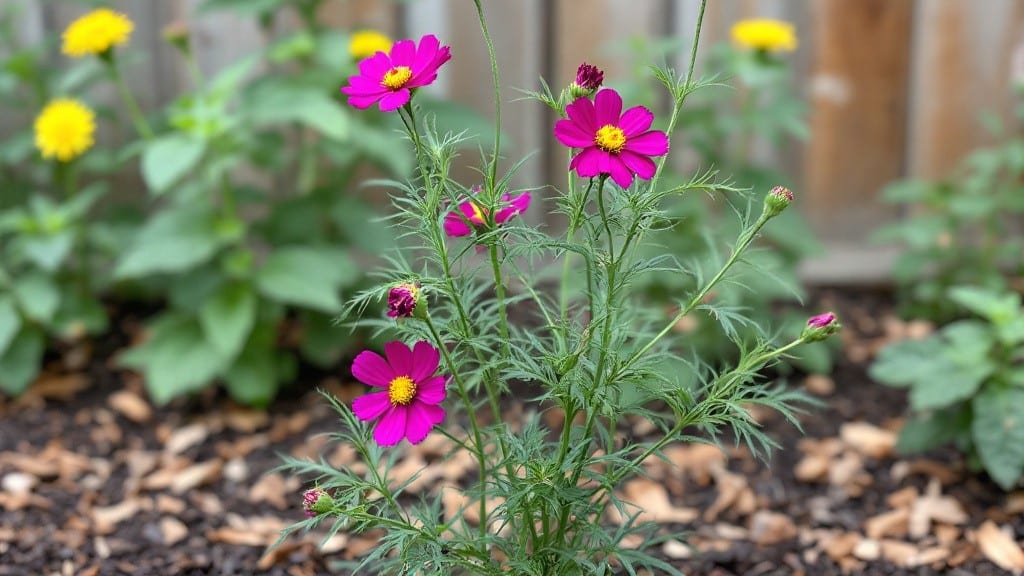
Nothing beats the bold red cosmos cutting through summer heat with effortless charm—these flowers thrive where others wilt, and I’ve grown them successfully in Zone 5 for three straight seasons.
The secret lies in their love of sun, their drought tolerance, and how they bounce back from neglect, making them the perfect low-maintenance star for any garden. 🌻
You’ll need well-draining soil (they hate soggy roots), a sunny spot with at least 6 hours of direct light daily, and spacing about 12 inches apart—they self-seed like crazy, so be ready for surprises next year.
Water them deeply once a week once established, and watch those vibrant blooms open wider than a summer sunset.
What you’ll love most is how they keep blooming from mid-summer until frost, attracting pollinators while looking stunning in bouquets. Pinch back early flowers to encourage bushier growth, and deadhead spent blooms to keep the reds popping all season long.
Perfect for borders, cutting gardens, or even containers—just don’t skimp on the sun. Once planted, they’re nearly impossible to kill, and your neighbors will be asking for cuttings by August. Let’s get those seeds in the ground!
📚 In This Guide
- What you need
- Instructions
- Tips and common mistakes
- Wrapping up and next steps
What you need
- ● Red cosmos seeds – Choose a variety like 'Bright Lights' or 'Sensation Mix' for bold red blooms (1–2 seed packets, ~50–100 seeds).
- ● Well-draining potting mix or garden soil – Amend with compost (1 part compost to 3 parts soil) for nutrient-rich growth.
- ● Containers or garden bed – Containers: 6-inch pots (3–5 plants per pot); Garden beds: Full sun (6+ hours/day) with loose, fertile soil.
- ● Watering can or hose with a gentle nozzle – Cosmos hate soggy roots! Aim for deep but infrequent watering.
- ○ Fertilizer (optional but helpful) – Balanced, low-nitrogen fertilizer (e.g., 10-10-10) or compost tea to boost blooms.
- ○ Gloves (optional) – Protects hands from soil and thorns (some varieties have mild prickles).
- ● Trowel or small shovel – For planting seeds ¼-inch deep in rows (12–18 inches apart).
- ● Pruning shears – Deadhead spent blooms to encourage more flowers (💡 Pro tip: Snip just above a set of leaves!).
- ● Mulch (straw or shredded leaves) – Retains moisture and suppresses weeds (1–2 inches thick).
- ● Cold-hardy climate (USDA Zones 3–10) – Cosmos thrive in cool weather and even light frosts!
- ● Stakes or tomato cages – Supports tall varieties (up to 4 feet!) in windy areas.
- ● Dwarf cosmos seeds – For container gardening or small spaces (e.g., 'Dwarf Mix').
- ● Succession planting seeds – Extend blooms by sowing every 2–3 weeks.
Step-by-Step guide to growing bold red cosmos flowers
Here’s how I grow vibrant red cosmos that bloom reliably—even in cooler climates.
🌱 Step 1: Choose the Right Location and Prepare the Soil
Red cosmos thrive in full sun, so pick a spot that gets at least 6-8 hours of direct sunlight daily. I always test the soil first—cosmos prefer well-draining soil with a pH between 6.0 and 7.0. Amend heavy clay with 2-3 inches of compost to improve drainage, and mix in a handful of bone meal for phosphorus, which encourages strong root development.
Loosen the top 12 inches of soil with a garden fork to break up compaction. Cosmos have delicate roots, so avoid overworking the soil—just fluff it enough to create a loose, airy bed. If your soil is sandy, add 1 inch of peat moss to help retain moisture without suffocating roots.
🌱 Step 2: Sow Seeds Directly After Frost
Unlike many flowers, cosmos seeds germinate best when sown directly in the garden after the last frost date. Scatter seeds ¼ inch deep and 1 inch apart—they’re tiny, so I use a seed tray to portion them out evenly. Space rows 18-24 inches apart to give plants room to grow without crowding.
Water gently after planting to settle the soil around the seeds, but don’t overdo it—cosmos seeds need moisture to germinate, but soggy soil invites rot. I like to use a fine-mist spray bottle for the first watering to avoid displacing seeds. Germination usually takes 7-14 days at soil temperatures of 60-70°F.
☀️ Step 3: Thin Seedlings and Provide Support
Once seedlings reach 2-3 inches tall, thin them to 12-18 inches apart to prevent overcrowding. I use sharp scissors to snip unwanted seedlings at the base—this avoids disturbing the roots of the plants I’m keeping. Red cosmos grow tall and leggy, so I install 5-foot bamboo stakes or a lightweight trellis at planting time to support their stems as they grow.
Pinch back the tips of young plants when they’re 6-8 inches tall to encourage bushier growth. This might seem counterintuitive, but it prevents the plants from becoming too tall and floppy. You’ll see new side shoots forming within 2-3 weeks—this is your signal that the plant is adjusting well.
💧 Step 4: Water and Fertilize for Continuous Blooms
Cosmos are drought-tolerant once established, but consistent moisture is key during their first 6-8 weeks. Water deeply once a week, soaking the soil to a depth of 6 inches. Let the top 1-2 inches of soil dry out between waterings to prevent root rot. I water in the early morning to reduce evaporation and fungal risks.
Feed plants with a balanced liquid fertilizer (10-10-10) every 4-6 weeks during the growing season. I skip heavy nitrogen fertilizers—they promote leafy growth at the expense of flowers. Instead, I side-dress with compost tea mid-season for a gentle nutrient boost. Deadhead spent blooms regularly to encourage more flowers throughout the season.
✂️ Step 5: Extend the Season and Prepare for Winter
To prolong blooming, cut back plants by one-third after the first frost. This stimulates a second flush of flowers in early spring. I also collect seeds from the dried flower heads—cosmos self-seed readily, so I save the best-performing plants for next year. Store seeds in a cool, dry place until spring planting.
In colder climates, cosmos may die back entirely in winter. Don’t worry—they’re annuals, but they’ll return from self-sown seeds the following year. If you want to protect them, mulch the base with 2-3 inches of straw after the first frost to insulate roots. This keeps the soil slightly warmer and may encourage a few late blooms before winter sets in.
Tips & tricks for growing bold red cosmos
A few key strategies will help you coax those vibrant red blooms to thrive—especially in cooler climates where many gardeners struggle.
Sunlight Strategy: The 6-8 hours of direct sunlight mentioned in Step 1 is non-negotiable for red cosmos. If your garden gets less than 6 hours, consider using reflective mulch or a garden mirror to bounce extra light onto the plants. I've seen dramatic improvements in bloom intensity when I added a white reflective board behind my cosmos patch—it's like giving them a mini greenhouse boost without the heat.
Soil Temperature Tip: When planting after frost, aim for soil temperatures between 60-70°F—this is the sweet spot for germination. If your spring is particularly cool, consider using a mini greenhouse or even a clear plastic bottle cut in half as a mini cloche to trap warmth around the seeds. The 7-14 day germination window can stretch to 3 weeks in cooler soils, so patience is key.
Thinning Technique: In Step 3, when thinning seedlings to 12-18 inches apart, I've found that the 2-3 inch height threshold works best when seedlings have their first true leaves. This gives you a clear visual cue that they're strong enough to handle the transplanting stress. Use sharp scissors to avoid pulling—this prevents disturbing the roots of your keepers and reduces transplant shock.
Fertilizer Timing: The 4-6 week fertilizer schedule in Step 4 works beautifully, but I've noticed red cosmos respond particularly well to an extra boost of phosphorus right when they start flowering. Mix in a handful of bone meal around each plant at the first sign of buds—this encourages even more vibrant red blooms. The compost tea mid-season is my secret weapon for maintaining that lush foliage without promoting too much leafy growth.
Pro Tips for Cosmos Flower Red
- A few key strategies will help you coax those vibrant red blooms to thrive—especially in cooler climates where many gardeners struggle.
- Sunlight Strategy: The 6-8 hours of direct sunlight mentioned in Step 1 is non-negotiable for red cosmos.
- Soil Temperature Tip: When planting after frost, aim for soil temperatures between 60-70°F—this is the sweet spot for germination.
Frequently asked questions
Got questions about growing cosmos flowers red in cooler climates? You’re not alone! Here are answers to the most common queries to help you cultivate these vibrant blooms with confidence.
Can red cosmos flowers survive frost?
Red cosmos are annuals and generally tolerate light frost, but they’re not cold-hardy perennials. If temperatures drop below 25°F (-4°C), they may die back. For cooler climates, plant them after the last frost in spring or opt for hardier annuals like snapdragons if frost is a concern.
How long does it take for red cosmos to bloom?
From seed, red cosmos typically bloom in 60–70 days under ideal conditions (full sun, well-draining soil). If started indoors, expect flowers in 8–10 weeks. Patience pays off—these fast growers reward quick results with bold, papery blooms that last all summer!
Do red cosmos need deadheading for more flowers?
Yes! Deadheading (removing spent blooms) encourages non-stop flowering. Simply snip off faded flowers just above a set of leaves. Pro tip: Use clean shears to avoid disease. Skip deadheading if you love the rustic, seed-head charm—birds will thank you!
Are there red cosmos varieties that thrive in shade?
Red cosmos prefer full sun (6+ hours daily), but they can tolerate partial shade (4–6 hours) in hot climates. For deeper shade (<3 hours), consider ‘Bright Lights’ cosmos (mixed colors) or ‘Sensation Mix’, which handle lighter conditions better.
Why aren’t my red cosmos blooming?
Check these fixes:
Not enough sun? Move to a sunnier spot.
Overcrowded? Thin seedlings to 12–18 inches apart.
Fertilizer shock? Cosmos thrive in poor soil—too much nitrogen = leafy stems, fewer flowers.
Pests? Aphids or spider mites can stress plants. Spray with neem oil if needed.
Wrapping up and next steps
The cosmos flower red is a stunning, low-maintenance beauty that brings vibrant color and life to cool-climate gardens—proving that bold blooms aren’t just for warm weather! 🌸 Whether you’re a seasoned gardener or just starting, its resilience and striking appearance make it a must-have for any outdoor space.
Ready to grow your own? Grab your seeds, pick a sunny spot, and let nature do the rest. Plant a few today—your garden will thank you! 🌱