
Flowers
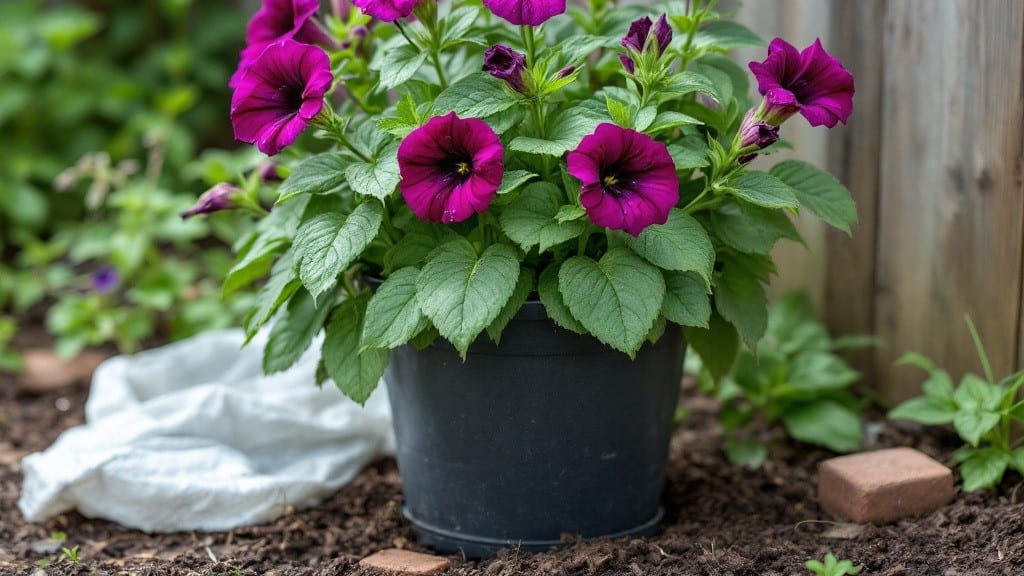
Before the first frost hits, learning how to properly cover flowers for frost can save your Pacific Northwest garden from wilted petunias and frozen geraniums—trust me, I’ve made that mistake. by morning, but with the right techniques, you can shield even the most frost-sensitive flowers from damage.
The key is using breathable materials like lightweight frost cloth or straw mulch to insulate without suffocating plants. Timing matters too—cover flowers just before temperatures drop below 28°F, and remove covers on sunny days to prevent rot.
Organic options like burlap or shredded leaves work well for perennials, while row covers suit annuals in containers.
What you’ll end up with are flowers that bounce back stronger after frost, with fewer dead stems and more buds ready to open in spring. The secret is gentle handling: avoid heavy weights that crush stems, and water plants lightly before covering to reduce heat loss.
Most varieties recover beautifully if protected properly.
This method works for zone 7-9 gardens, where frosts are common but not extreme. For severe cold snaps, combine covers with mulch for extra insulation. The payoff? A garden that stays productive even when temperatures dip, with minimal cleanup after frost events.
📚 In This Guide
- What you need
- Instructions
- Tips and common mistakes
- Wrapping up and next steps
What you need
- ● Frost cloth or row covers: Choose lightweight, breathable fabric (e.g., frost blanket or agricultural fabric). You’ll need enough to cover your plants with a 2–3 inch overlap on all sides. Pro tip: Opt for 30–50% shade cloth for extra insulation.
- ● Sturdy stakes, hoops, or wire: Use bamboo stakes, PVC pipes, or metal hoops (6–12 inches tall) to create a frame for your covers. Aim for 1–2 stakes per square foot of coverage area.
- ● Clips or weights: Secure the frost cloth with clothespins, bricks, or garden staples to prevent wind from lifting it.
- ● Watering can or hose: Lightly moisten the soil before covering to retain heat (avoid soggy soil!).
- ● Black plastic mulch: Spread a layer over the soil before covering to absorb daytime heat and release it at night.
- ● Bubble wrap or old blankets: For delicate plants, layer these under frost cloth for added insulation (remove during the day to avoid overheating).
- ● Thermometer: Monitor soil temps—ideal range is 40–50°F (4–10°C) for most frost-sensitive flowers.
- ● Plant-specific covers: For tender perennials (like lavender or roses), use individual plant sleeves or paper bags (cut slits for stems).
How to protect flowers from frost in the Pacific Northwest
Here's the simple, effective method I've used for years to keep my garden blooming through chilly nights.
Identify Frost-Sensitive Plants and Their Needs
First, group your flowers by cold tolerance. Tender annuals like petunias, geraniums, and impatiens can't handle temperatures below 32°F, while perennials like lavender or Russian sage often survive light frosts. I always check the USDA hardiness zone for my plants—most PNW gardens fall in zones 7-9, but microclimates vary.
Look for early frost warnings from your local weather service. When a light freeze (28-32°F) is forecast, it's time to act. The key is to cover plants before frost forms—once ice crystals appear, damage is already happening. I keep a small notebook by my back door to jot down frost dates each season so I know when to start preparing.
Gather Frost Protection Materials
You don't need expensive supplies—what you already have works best. I use lightweight blankets or sheets (old cotton ones work better than plastic, which traps too much moisture), cardboard boxes for taller plants, or even buckets and plastic milk jugs for small pots. The goal is to create a 3-4 inch air pocket around the plant to insulate it.
For larger garden beds, I cut cardboard into 2-foot squares and place them over plants before covering with fabric. This prevents the cover from touching the leaves, which can cause more harm than good. If you're using plastic, poke small holes in the bottom to allow air circulation—stagnant air can lead to rot.
Cover Plants Properly Before Frost Arrives
Wait until temperatures drop to 35°F or lower to cover—earlier can trap heat and actually harm plants. Start by gently watering the soil around the base (not the leaves) to keep moisture levels stable. This prevents the ground from freezing and helps the plant retain warmth overnight.
Place your covers loosely over the plants—don't press them down. For tall flowers, use stakes or small sticks to prop up the fabric so it doesn't crush stems. Leave the bottom edges open if possible to allow air exchange. If using plastic, only cover the top half of the plant to prevent condensation buildup.
Remove Covers Safely in the Morning
Wait until sunlight warms the air before uncovering—usually by 9 or 10 AM on clear days. Remove covers gradually to avoid shocking the plants. Start by lifting one side, then the other, and finally take it off completely. This helps prevent sudden temperature swings that can stress the flowers.
After uncovering, check for frost damage by gently touching leaves. If they feel mushy or have ice crystals, they're already damaged. For minor frost, trim affected areas with clean pruners once the plant shows new growth. Never prune frost-damaged foliage while it's still frozen—it can spread disease.
Adjust Long-Term for Repeated Freezes
If your garden faces multiple frost events, consider mulching the base with 2-3 inches of straw or shredded leaves before the first frost. This insulates roots and keeps soil temperatures stable. For container plants, move them to a sheltered location like against a south-facing wall or under an eave.
Here's the thing—some plants actually benefit from light frost. For example, chrysanthemums and pansies often bloom more vigorously after a cold snap. I always leave a few test plants uncovered to see how they handle the cold before deciding whether to protect the rest of the garden.
Tips & tricks for protecting flowers from frost
These simple strategies will help you extend your garden's growing season without breaking the bank or damaging your plants.
Material Selection: Cotton sheets and old blankets work best because they allow some airflow while trapping warmth. I've found that plastic can actually do more harm than good—it traps too much moisture and can cause rot. If you must use plastic, poke holes in the bottom for ventilation. The key is creating that 3-4 inch air pocket mentioned in Step 2 without suffocating the plants.
Timing is Everything: Don't wait until frost forms—act when temperatures drop to 35°F or lower, as specified in Step 3. I learned this the hard way after losing several petunias because I waited too long. The earlier you cover, the better chance you have of protecting those tender annuals from temperatures below 32°F. Check your local weather forecast in the evening to plan ahead.
Proper Covering Technique: When placing covers over plants in Step 3, leave the bottom edges open if possible to allow air exchange. This prevents condensation buildup that can lead to fungal issues. For taller plants, use stakes or small sticks to prop up the fabric—this creates that crucial 3-4 inch air pocket without crushing stems. I've even used bent wire hangers for this purpose when I didn't have stakes on hand.
Long-Term Protection Strategy: For gardens facing multiple frost events, consider the mulching tip from Step 5. I've found that adding 2-3 inches of straw or shredded leaves before the first frost creates a protective barrier that keeps soil temperatures stable. This is especially effective for perennials like lavender that can handle light frosts but need root protection during prolonged cold snaps.
Pro Tips for Cover Flowers For Frost
- These simple strategies will help you extend your garden's growing season without breaking the bank or damaging your plants.
- Material Selection: Cotton sheets and old blankets work best because they allow some airflow while trapping warmth.
- Timing is Everything: Don't wait until frost forms—act when temperatures drop to 35°F or lower, as specified in Step 3.
Frequently asked questions
Got questions about protecting your Pacific Northwest blooms from frost? You're not alone!
Here are some of the most common concerns—and practical solutions—to keep your garden thriving even when temperatures drop.
What’s the best material to cover flowers for frost?
Use lightweight, breathable materials like frost cloth (rated for your zone) or old bedsheets. Avoid plastic—it traps moisture and can damage plants. For delicate blooms, try burlap sacks or cardboard boxes with ventilation holes.
When should I cover my flowers before frost?
Cover plants in the late afternoon before sunset to trap daytime warmth. Remove covers in the morning once temperatures rise above freezing. Pro tip: Monitor your local frost advisory for exact timing—PNW frosts can sneak in unexpectedly!
Can I cover flowers too early or leave them covered too long?
Yes! Covering too early can suffocate plants or encourage pests. If temps stay above freezing for 24+ hours, remove covers to prevent ethylene buildup (which stresses flowers). For overnight frosts, 12–24 hours is usually safe.
What if I don’t have frost cloth? Are there DIY alternatives?
Use:
- Old towels or blankets (secured with bricks or stakes)
- Newspaper or cardboard (loosely draped to allow airflow)
- Mulch piles (for perennials; add 2–3 inches of straw or leaves)
My flowers still look damaged after frost. How do I revive them?
Trim dead or mushy parts with clean scissors. For perennials, prune back to healthy green growth. Water lightly if soil is dry (but avoid soggy roots). Most PNW-hardy plants bounce back—just give them time!
Still stumped? Drop your frost woes below—we’ve got PNW-specific hacks to share!
Wrapping up and next steps
Protecting your flowers from frost doesn’t have to be a daunting task—especially in the Pacific Northwest’s unpredictable climate. With the right cover flowers for frost techniques and cold-hardy pruning hacks, you can safeguard your garden while keeping your plants thriving. Remember, a little preparation now means vibrant blooms later!
Ready to put your new skills to the test? Grab your supplies, check the forecast, and shield your plants before the next frost hits! 🌱❄️ Your garden will thank you with a burst of color come spring.