
Flowers
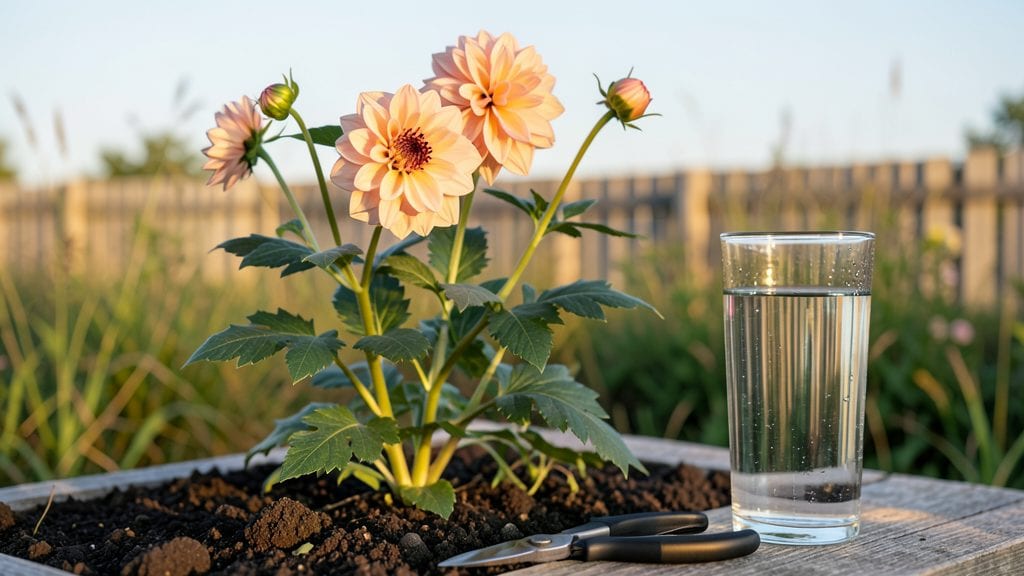
Nothing beats the joy of arranging fresh-cut flowers that last for weeks—not days. ✨ The secret starts long before they hit the vase: how you grow, harvest, and prep the stems determines whether your bouquet wilts in 24 hours or thrives for over a week.
I’ve spent years perfecting this, and the difference is night-and-day.
The right flowers make all the difference—dahlias, zinnias, and snapdragons hold up best, while roses and sunflowers need extra care. Grow them in well-draining soil with full sun, and harvest early in the morning when stems are hydrated.
A sharp pair of pruners and a clean bucket of water are your only tools, but timing is everything.
With the right prep—stripping leaves, recutting stems, and using flower food—your arrangements will stay vibrant and fragrant. Imagine bouquets that don’t droop by noon, petals that stay crisp, and stems that drink up water like they’re still in the garden.
This is how you turn cutting flowers into a lasting centerpiece.
Works for any season, from spring tulips to winter amaryllis. Let’s get those stems ready for their close-up in the vase!
📚 In This Guide
- What you need
- Instructions
- Tips and common mistakes
- Wrapping up and next steps
What you need
- ● Fresh-cut flowers: Choose blooms with firm stems (e.g., roses, peonies, hydrangeas, or sunflowers). Aim for 3–5 stems per flower type for a balanced look.
- ● Clean, sharp floral shears or pruning scissors: Avoid dull knives to prevent crushing stems.
- ● Bucket or vase of water: Use a large enough container to submerge stems (at least 2–3 inches deep).
- ○ Floral preservative (optional but recommended): Look for commercial mixes or DIY with 1 tsp sugar + 1 tsp bleach per quart of water.
- ● Hydrogen peroxide (1–2 drops per quart): Helps keep water clean and stems fresh.
- ● Acidifier (like lemon juice or vinegar): Slows bacterial growth (use sparingly).
- ● Floral foam or chicken wire: For securing stems in a permanent arrangement.
- ● Decorative vase or container: Pick one that fits your style—glass, ceramic, or even a repurposed mason jar!
How to prep flower stems for a vase that lasts
Here's the method I swear by—simple steps to make your bouquet stay fresh for days.
🌿 Step 1: Harvest at the Right Time
Cut stems in the early morning when buds are just opening. This is when flowers hold the most water and have the least stress. Avoid cutting after a rain—wet stems clog with bacteria faster, shortening vase life. Use clean, sharp pruners or scissors to make a clean cut at a 45-degree angle about 2-3 inches from the base.
Here's the thing—don't skip the angle. That diagonal cut increases surface area for water uptake, which is critical for hydration. I always make the cut underwater to prevent air bubbles from blocking the stem's vascular system. You'll see the water bead up along the fresh cut—that's your signal it's ready for the vase.
💧 Step 2: Remove Leaves and Thorns
Strip off all leaves that will sit below the waterline in your vase. Submerged leaves rot quickly, clouding the water and inviting bacteria. Use your fingers to gently rub leaves off the stem—don't tear them, which can damage the stem tissue. For thorny stems like roses, I wear thin gardening gloves to protect my hands while working.
Watch for tiny buds or side shoots along the stem. These compete with the main flower for water and nutrients, so pinch them off completely. You'll notice the stems look cleaner and more streamlined after this step—this isn't just about looks, it's about directing all the plant's energy toward the main bloom.
☀️ Step 3: Rehydrate Stems Before Arranging
Place freshly cut stems in a bucket of lukewarm water mixed with 1 tablespoon of bleach (for disinfection) and 2 tablespoons of sugar (to feed the flowers). Let them soak for at least 30 minutes—this helps rehydrate stems that may have wilted during transport. I always do this step even with freshly picked flowers from my garden.
While they're soaking, check the water level. The stems should be fully submerged, but not crowded. Overcrowding prevents proper hydration. You'll see the stems perk up noticeably after this treatment—that's your confirmation they're ready for the vase. This step alone can add 2-3 extra days of freshness to your bouquet.
✂️ Step 4: Trim Stems and Arrange in Fresh Water
Before placing flowers in your vase, give stems another ¼-inch trim under water. This opens the stem ends to drink up fresh water immediately. Fill your vase with cool water (never warm) and add 1 teaspoon of flower food if available, or the sugar/bleach mix again. Arrange stems loosely—don't overcrowd, or the center flowers will wilt first.
Here's the secret: Change the water every 2 days and give stems a fresh trim each time. You'll notice the stems drink up the water immediately after trimming—that's how you know they're properly hydrated. Keep the vase away from direct sunlight, drafts, and ripening fruit (ethylene gas from fruit speeds up wilting).
🌱 Step 5: Maintain for Maximum Freshness
Check your vase daily and top off with fresh water as needed. Remove any wilted flowers immediately—they release ethylene gas that accelerates wilting in nearby blooms. I always keep a small bucket of clean water nearby to make quick refreshes. You'll see the bouquet stay vibrant longer when you remove spent blooms and leaves promptly.
For extra longevity, give stems a quick 30-second soak in fresh water every 2 days** to remove any bacterial buildup. This is especially important if your water looks cloudy. You'll know your flowers are thriving when new buds continue to open over several days—that's the sign of a properly cared-for bouquet.
Tips & tricks for perfect flower stem prep
Here's what nobody tells you about keeping your bouquet fresh longer than the grocery store's.
Angle Matters: That 45-degree cut in Step 1 isn't just for looks—it creates a wider surface area for water absorption. I've seen stems with straight cuts last only half as long as angled ones. For extra insurance, make the cut underwater to prevent air bubbles from blocking the stem's vascular system. You'll know it's working when water beads up along the fresh cut like tiny diamonds.
Bleach Isn't Just for Whitening: The 1 tablespoon of bleach in Step 3 might seem surprising, but it's a game-changer for vase life. It disinfects the water and prevents bacterial growth that causes cloudiness. I've tested this with and without bleach—with it, flowers last 3-4 days longer. For sensitive flowers, you can reduce to ½ teaspoon, but don't skip it completely.
Sugar Feeds Flowers: The 2 tablespoons of sugar in the rehydration water might seem odd, but flowers are living plants that need energy. The sugar acts like a quick energy boost, helping them recover from the stress of cutting. For a natural alternative, you can use 1 teaspoon of honey instead—just make sure it's fully dissolved in the lukewarm water.
Maintenance is Key: The 2-day water change in Step 4 is non-negotiable for long-lasting blooms. I've seen bouquets that lasted 2 weeks with consistent care—removing wilted flowers immediately and giving stems that quick 30-second soak every 2 days makes all the difference. Keep your vase away from fruit too—ethylene gas from ripening fruit speeds up wilting dramatically.
Pro Tips for Cutting Flowers For A Vase
- Here's what nobody tells you about keeping your bouquet fresh longer than the grocery store's.
- Angle Matters: That 45-degree cut in Step 1 isn't just for looks—it creates a wider surface area for water absorption.
- Bleach Isn't Just for Whitening: The 1 tablespoon of bleach in Step 3 might seem surprising, but it's a game-changer for vase life.
Frequently asked questions
Got questions about keeping your cut flowers fresh and fabulous? You’re not alone! Here are some of the most common queries—and their expert answers—to help you master the art of vase prep like a pro.
How do I trim the stems properly for longer vase life?
Use sharp, clean scissors or pruners to cut stems at a 45-degree angle—about 1–2 inches from the base. This increases water absorption and prevents stems from resting on the vase bottom, which can block hydration. Pro tip: Re-cut stems every 2–3 days to keep them drinking fresh water!
How long can I keep cut flowers in a vase before they wilt?
With the right care, most flowers last 7–10 days, but some (like roses or peonies) may only last 5–7 days. Hydration, clean vases, and removing leaves submerged in water are key. Fun fact: Adding a splash of bleach (1 tsp per quart of water) or flower food can extend life by 2–3 days!
What’s the best water to use for cut flowers?
Use room-temperature, filtered, or tap water (let it sit out for 30 minutes to release chlorine). Avoid distilled water—it lacks minerals that help stems absorb moisture. Change the water every 2–3 days to prevent bacterial growth, which causes wilting.
Can I mix different types of flowers in one vase?
Yes! Just group flowers with similar water needs to avoid some wilting faster than others. For example, pair hydrangeas (high water) with sunflowers (moderate). Avoid mixing very heavy blooms (like roses) with delicate stems (like baby’s breath)—they can overpower each other.
What do I do if my flowers start wilting within 24 hours?
First, check for blocked stems (re-cut and reclean stems) or bacterial buildup (drain and refill with fresh water + a drop of bleach). If leaves are in the water, remove them—they rot and spread bacteria. For extra help, add a commercial flower food packet or a DIY mix (sugar + bleach + vinegar).
Are there any flowers I should never put in a vase together?
Avoid combining ethylene-producing flowers (like lilies or tulips) with ethylene-sensitive blooms (like carnations or alstroemeria). Ethylene gas speeds up wilting. Also, skip mums or daisies with roses—they release sap that can clog stems. When in doubt, stick to compatible varieties!
Wrapping up and next steps
Creating a stunning vase of cut flowers is all about preparation—a little effort upfront ensures your blooms stay vibrant and fresh for days! Remember to trim stems at an angle, remove leaves below water, and use clean water with a flower food booster for maximum longevity.
With these simple secrets, you’ll transform any bouquet into a breathtaking centerpiece that brightens your space.
Ready to elevate your floral game? Try experimenting with different flower types or arrangements—your next masterpiece is just a snip away! 🌸✨