
Flowers
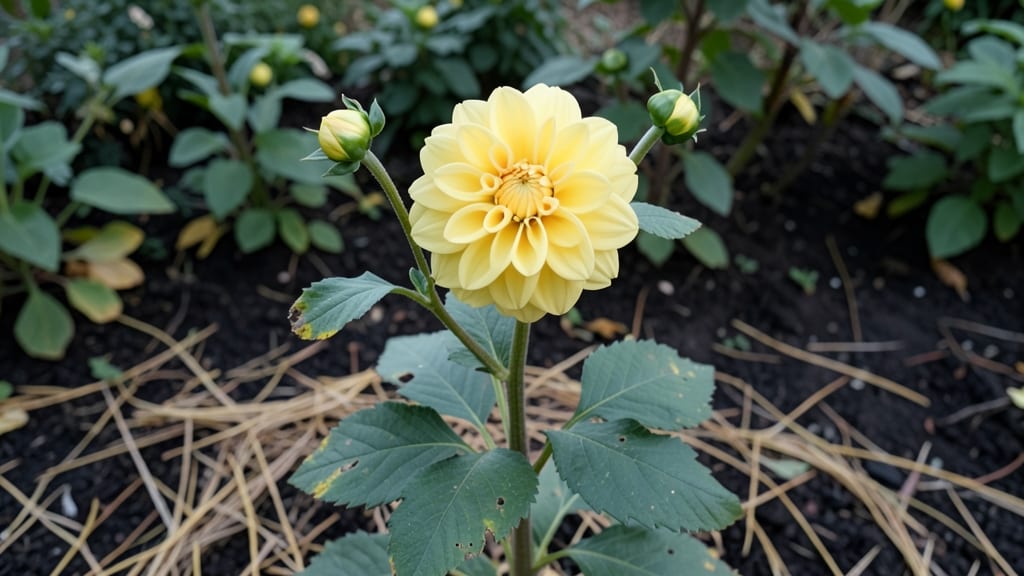
Yellow dahlias are the Pacific Northwest's secret weapon for brightening rainy-season gardens. 🌻 Their golden petals create a sunburst effect that draws pollinators even when skies stay gray, turning your flower beds into buzzing, cheerful hubs.
These flowers aren't just pretty—they're a statement, especially when paired with deep purples or soft blues to make their hue pop against the misty backdrop.
The key to making them shine lies in placement: position them where they'll catch morning light, and group them in odd-numbered clusters (3, 5, or 7 plants) to create natural focal points.
Taller varieties (3-5 feet) work well at the back of borders, while smaller types (1-2 feet) thrive in containers or front-of-bed spots, ensuring every visitor gets a glimpse of that radiant yellow.
📚 In This Guide
- What you need
- Instructions
- Tips and common mistakes
- Wrapping up and next steps
What you need
- ● Yellow Dahlia Tubers: 3–5 tubers (choose varieties like ‘Bishop’, ‘Happy Single’, or ‘Café au Lait’ for vibrant yellow blooms).
- ● Well-draining Potting Mix: 2–3 bags (1 cubic foot each) of high-quality, organic potting soil with perlite or compost.
- ● Containers or Garden Beds: Containers: 12–15" diameter pots (1 per tuber) with drainage holes.
- ● Garden Beds: Full sun (6+ hours/day) with loose, fertile soil (amend with compost if needed).
- ● Slow-Release Fertilizer: 1–2 cups of balanced (10-10-10) or dahlia-specific fertilizer.
- ● Mulch: 2–3 inches of straw or shredded bark to retain moisture.
- ● Gloves & Hand Trowel: For gentle handling and planting.
- ● Watering Can or Hose: With a gentle spray nozzle (dahlias hate soggy roots!).
- ● Pruning Shears: Sharp, sterilized shears for deadheading and shaping.
- ○ Stakes or Cages: 3–4 ft tall (optional but recommended for tall varieties like ‘Happy Single’).
- ○ Spray Bottle (Optional): For misting tubers before planting.
- ● Local Climate Knowledge: PNW’s cool, wet springs? Start tubers indoors 6–8 weeks before last frost!
Step-by-step guide to growing vibrant yellow dahlias in the Pacific Northwest
Here's how to coax those brilliant yellow blooms from your dahlias—even when PNW skies try to steal the show.
🌱 Step 1: Choose the Right Varieties for Your Climate
For the Pacific Northwest's cooler, often cloudy summers, select dwarf or medium-height dahlias like 'Café au Lait' or 'Bishop' that thrive in partial shade. These varieties handle 50-60°F nights better than tropical types and still deliver those sunny yellow blooms. Avoid giant varieties—they need more heat and sun than we typically get.
I always check the USDA hardiness zone on seed packets. Look for dahlias rated for zones 5-9—they've been bred to handle our cooler summers. The key is selecting types that bloom early in the season when days are still cool but lengthening. You'll see buds form within 8-10 weeks of planting tubers, so start early!
🪴 Step 2: Prepare Planting Sites with Rich, Well-Draining Soil
Dahlias hate soggy feet, so amend your garden beds with 3-4 inches of compost mixed into the top 12 inches of soil. Our PNW clay soils need this extra drainage boost. I like to work in a 50/50 mix of garden soil and compost for the best results. Test your soil pH—dahlias prefer 6.0-7.0. If yours is too acidic, add crushed limestone.
Choose a spot with morning sun and afternoon shade—this protects petals from afternoon rain while giving roots the warmth they need. In particularly shady spots, opt for yellow-flowered varieties like 'Happy Single' that tolerate lower light better than deep reds or purples. You'll know your soil's ready when it crumbles easily between your fingers without sticking.
☀️ Step 3: Plant Tubers at the Right Depth and Time
In the Pacific Northwest, plant dahlia tubers 2-3 weeks after your last frost date when soil reaches 60°F. Cut back the previous year's growth to 6-inch stubs and plant with the eyes (buds) facing upward, about 4-6 inches deep. This depth prevents tubers from heaving out of the ground during our frequent spring rains.
Space tubers 18-24 inches apart—crowding leads to weak stems and fewer blooms. I always plant mine in mounds of soil rather than flat beds to improve drainage. Water deeply right after planting, then maintain 1 inch of water per week through summer. You'll see first shoots emerge in 2-3 weeks—this is your signal the tubers have rooted.
💧 Step 4: Stake and Support for Strong Growth
As stems reach 12-18 inches tall, insert 5-6 foot stakes or use a cage system to support their weight. Our damp climate means dahlias grow fast but need extra support to prevent flopping. I tie stems to the stake with soft plant ties every 6-8 inches as they grow. This prevents stem damage while keeping plants upright.
Pinch back the top growth when plants reach 12 inches to encourage bushier growth. Remove any side shoots that form below the first 4 sets of leaves—these drain energy from blooms. You'll see more lateral branches form within 2-3 weeks of pinching, leading to that lush, full look. Feed with a balanced 10-10-10 fertilizer every 4-6 weeks to maintain vibrant yellow blooms.
✂️ Step 5: Deadhead and Extend the Blooming Season
To keep dahlias flowering through our often rainy autumns, deadhead spent blooms by cutting back to the first set of healthy leaves. This prevents seed formation and redirects energy to new flowers. I always use clean, sharp pruners to avoid damaging stems. You'll see new buds form within 2-3 weeks of deadheading.
In the Pacific Northwest, dahlias often stop blooming in early October as days shorten. To extend the season, cover plants with a cloche or row cover on cool nights. This creates a 5-10°F warmer microclimate that keeps blooms coming. When frost threatens, cut back stems to 6 inches, dig up tubers, and store them in dry peat moss at 40-50°F until spring.
Tips & tricks for growing vibrant yellow dahlias in the Pacific Northwest
These practical tips will help you coax those brilliant yellow blooms from your dahlias, even when PNW weather tries to work against you.
Variety Selection: When choosing yellow dahlia varieties for our climate, focus on those specifically bred for cooler summers. 'Happy Single' and 'Café au Lait' are excellent choices that thrive in partial shade and handle our frequent 50-60°F nights beautifully. I've found that these varieties not only survive but actually flourish in our conditions, producing those cheerful yellow blooms that pollinators love. The key is avoiding tropical varieties that need more heat and sun than we typically get.
Soil Preparation: For our heavy clay soils, I can't emphasize enough how important proper soil preparation is. Mix that 3-4 inches of compost into the top 12 inches of soil to create a loose, well-draining environment. I like to add a handful of perlite to the mix for extra drainage—this helps prevent those dreaded soggy feet that dahlias hate. The soil should crumble easily between your fingers when ready, and a pH test between 6.0-7.0 is ideal for vibrant yellow blooms.
Planting Strategy: In Step 3, when planting those tubers, I've found that creating small mounds rather than flat beds works wonders for drainage in our rainy climate. Plant with the eyes facing upward at 4-6 inches deep, and space them 18-24 inches apart—this spacing gives roots room to grow and prevents crowding that can lead to weak stems. Remember that first shoots should appear within 2-3 weeks, signaling successful rooting.
Season Extension: To keep those yellow blooms coming through our rainy autumns, I've had great success using cloches or row covers on cool nights. This creates a 5-10°F warmer microclimate that can extend the blooming season by several weeks. When frost finally threatens, don't forget to cut back stems to 6 inches and store tubers in dry peat moss at 40-50°F until next spring—this simple step ensures you'll have vibrant yellow dahlias year after year.
Pro Tips for Dahlia Flower Yellow
- These practical tips will help you coax those brilliant yellow blooms from your dahlias, even when PNW weather tries to work against you.
- Variety Selection: When choosing yellow dahlia varieties for our climate, focus on those specifically bred for cooler summers.
- Soil Preparation: For our heavy clay soils, I can't emphasize enough how important proper soil preparation is.
Frequently asked questions
Got questions about growing yellow dahlias in the Pacific Northwest? You’re not alone! Here are some of the most common queries—plus straightforward answers to help you cultivate a pollinator-friendly sunburst in your garden.
When is the best time to plant yellow dahlias in the PNW?
Plant tubers in late spring (after the last frost, usually May–June), once soil temps reach 60°F+. For cooler PNW zones, start tubers indoors in March for a head start. Harden off seedlings before transplanting to avoid shock!
Are yellow dahlias good for attracting pollinators?
Yellow dahlias are bee and butterfly magnets thanks to their nectar-rich blooms. Choose open-faced varieties (like ‘Happy Single’) for easy access. Plant near native PNW pollinator favorites (e.g., lavender, coneflowers) to create a buzzing ecosystem.
Why aren’t my yellow dahlias blooming?
Common culprits:
- Over-fertilizing with nitrogen (promotes leaves, not flowers). Switch to a low-N, high-P (phosphorus) fertilizer.
- Deadheading too late—snip spent blooms before they form seed heads to encourage reblooming.
- Poor sunlight: Dahlias need 6+ hours of sun. PNW shade? Try ‘Café au Lait’ (tolerates partial shade).
How do I protect yellow dahlias from PNW rain?
Yellow dahlias hate soggy soil. Improve drainage by:
- Planting on a mound or raised bed.
- Mixing compost into soil to prevent compaction.
- Using mulch (straw or shredded leaves) to keep roots dry.
What’s a low-maintenance yellow dahlia alternative for busy gardeners?
If dahlias feel high-maintenance, try:
- Black-eyed Susans (‘Rudbeckia’): Drought-tolerant, pollinator-loved, and perennial in the PNW.
- Coreopsis: Bright yellow blooms, self-seeding, and thrives in poor soil.
- ‘Little Lemon’ coneflower: Compact, deer-resistant, and blooms all summer.
Wrapping up and next steps
Embrace the golden glow of yellow dahlias—they’re not just a feast for the eyes but a lifeline for pollinators in the Pacific Northwest! 🌻 From selecting the right varieties to nurturing them with care, these sunbursts of color transform any garden into a thriving ecosystem. Whether you’re a seasoned gardener or a curious beginner, every step you take helps support bees, butterflies, and hummingbirds.
Ready to plant the seeds of change? Start small—pick a sunny spot, grab a few yellow dahlia tubers, and let nature’s magic unfold. Your garden (and its tiny visitors) will thank you!