
Pruning
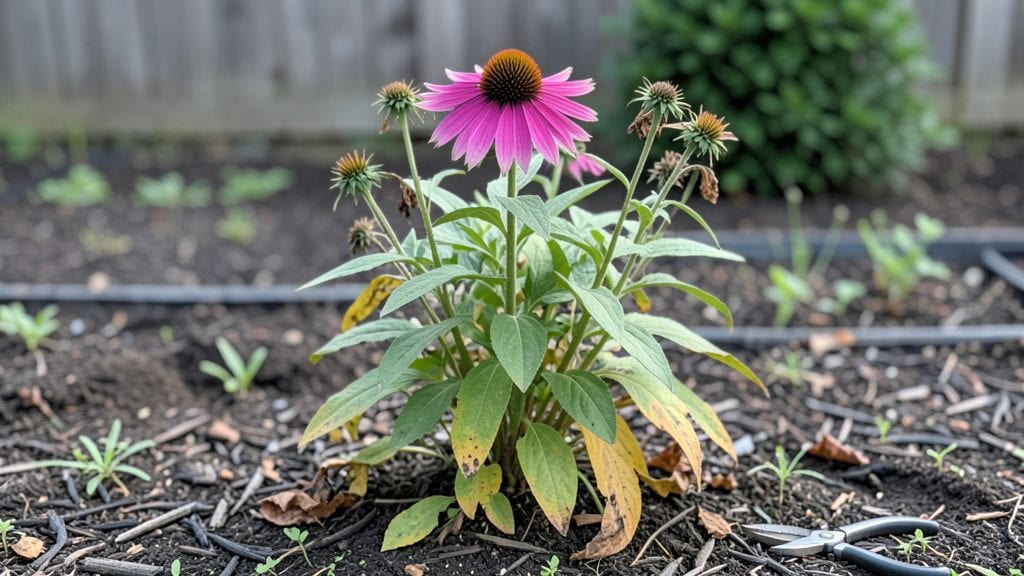
Cutting down coneflowers in fall is one of those gardening debates that drives people crazy—especially when you see those dramatic seed heads swaying in winter. 🌿 I’ve left mine up for years, and the wildlife just adores them, but I’ve also seen neighbors hack them down for a "clean" look.
The truth? Both approaches work, depending on what you value most.
The big question is whether you prioritize wildlife support, spring reblooming, or pure tidiness. Leaving the stems standing feeds birds and bees all winter, while cutting them back to 2–3 inches encourages fresh growth in spring.
If you’re in a wet climate, partial pruning prevents rot, but in drier areas, full removal keeps the garden looking sharp until new shoots appear.
You’ll end up with either a winter buffet for pollinators or a neatly trimmed bed ready for spring’s bold purple blooms. The choice isn’t wrong—it’s personal. I lean toward leaving them for the wildlife, but I’ve also seen stunning results from a clean cut.
Here’s how to decide what’s right for your garden.
Regional differences matter too: in Zone 5, I wait until late fall to cut, while in Zone 8, I might prune in early spring. The key is timing—never cut too early, or you’ll stunt next year’s flowers.
Let’s break down the pros and cons so you can pick your perfect approach.
📚 In This Guide
- What you need
- Instructions
- Tips and common mistakes
- Wrapping up and next steps
What you need
- ● Pruning shears or sharp bypass pruners – Look for bypass-style (not anvil) to avoid crushing stems. A 5-inch blade is ideal for most coneflowers.
- ● Heavy-duty gloves – Garden-grade (nitrile or leather) to protect against thorns and rough stems.
- ● Garden kneeler or stool – For comfort when working with tall or dense clumps.
- ● Disinfectant (70% isopropyl alcohol or bleach solution) – 1 part bleach to 9 parts water to clean tools between cuts.
- ○ Garden twine or burlap sacks – Optional but helpful for bundling cuttings for compost or disposal.
- ● Hedge shears – For large patches of coneflowers (8+ inches wide).
- ● Loppers – If dealing with overgrown or woody stems (4–6 inches long).
- ● Pruning saw – For thick, stubborn stems (rare but possible in mature plants).
- ● Compost bin or mulch – To recycle cuttings into nutrient-rich soil.
- ● Labeling tags – If dividing plants and replanting in new areas.
How to deadhead coneflowers for bold spring regrowth
Here’s the simple routine I use every fall to keep my coneflowers thriving—and it takes just 10 minutes.
✂️ Step 1: Wait Until Frost or First Hard Frost
Don’t rush to cut back! Wait until your first hard frost when foliage turns brown and stems feel brittle. This timing ensures seeds have time to disperse naturally, feeding next year’s blooms. If you cut too early, you’ll remove seeds that could sprout new plants.
Check your zone’s frost date—most coneflowers need 2-3 weeks of cold to fully prepare for dormancy. I mark my calendar for mid-October in my zone 6 garden, but your timing may vary. The key is brown, dry stems—never green or wilting.
🌿 Step 2: Cut Back to 4-6 Inches Above Ground
Use clean, sharp pruners or shears to trim stems back to 4-6 inches above the soil line. This height leaves enough growth to protect the crown from winter cold while preventing disease buildup at the base. Avoid cutting too low—you risk damaging the root system.
I like to make my cuts at a 45-degree angle to help water run off cleanly next spring. Remove all dead foliage and seed heads in one go—this keeps your garden tidy and reduces overwintering pests. If you’re feeling lazy, a string trimmer works for larger patches.
💧 Step 3: Remove Debris and Mulch Lightly
Rake up all cuttings and debris immediately after pruning to prevent fungal diseases like powdery mildew from lingering. Coneflowers are tough, but damp, decaying stems create the perfect breeding ground for problems. I toss the clippings in my compost bin—just avoid adding them if your compost pile gets too wet.
Spread a 2-inch layer of mulch (like shredded leaves or straw) around the base to insulate roots. This extra layer helps regulate soil temperature and retains moisture during dry winter spells. Skip synthetic mulches—they can smother the plants if piled too thick.
☀️ Step 4: Monitor for Winter Damage
Coneflowers are hardy perennials, but extreme cold or heavy snow can bend stems. Check plants after heavy snowfall—if stems are buried under 6+ inches of snow, gently brush it away to prevent rot. I use a soft broom to clear snow without damaging new growth.
In early spring, you’ll know you did it right when new shoots emerge by late March. If you see no growth by mid-April, the plant may have died back—give it a few more weeks before deciding to replace it. Healthy coneflowers reward patience with bold, vibrant blooms by summer.
⏰ Step 5: Fertilize Lightly in Early Spring
Once new growth appears, apply a balanced, slow-release fertilizer (like 10-10-10) at half-strength. Coneflowers don’t need much—too much nitrogen leads to leafy growth at the expense of flowers. I scatter granules around the base and water them in lightly.
This is also the perfect time to divide clumps if your coneflowers have spread too much. Dig up the roots, separate the sections, and replant them in fresh soil. They’ll bounce back stronger than ever, giving you more blooms for years to come.
Tips & tricks for perfect fall coneflower care
These simple tricks will help you get the most out of your coneflowers—and set them up for stunning spring blooms.
Timing is Everything: The 10-minute pruning session is just the beginning—what matters most is the timing. I can't stress enough how important that hard frost is. If you're unsure about frost dates, use a simple trick: wait until the stems feel brittle when you gently bend them. This usually happens right after your first frost, and it's the perfect signal that your coneflowers are ready for their winter haircut.
Cutting Technique Matters: When you're making those 4-6 inch cuts in Step 2, pay attention to the angle. That 45-degree cut isn't just for looks—it helps water run off cleanly next spring, preventing rot at the base. I've seen too many gardeners cut straight across and end up with water pooling at the stem, which can lead to fungal issues. Also, if you're dealing with a large patch, don't be afraid to use a string trimmer—just be careful not to damage the crown.
Mulch Like a Pro: That 2-inch layer of mulch in Step 3 is crucial for winter protection, but there's a right way and a wrong way to apply it. Spread it evenly around the base, but don't pile it up against the stems. Too much mulch can actually smother your plants. I like to use shredded leaves or straw because they break down slowly and add organic matter to the soil as they decompose. If you're using pine straw, make sure it's spread thinly to allow air circulation.
Winter Monitoring Strategy: Here's a trick I learned after losing some plants to winter damage: mark your coneflowers with small stakes after pruning. This makes it much easier to spot them under snow. When you see those 6+ inches of accumulation, gently brush it away with a soft broom—never shovel directly against the stems. I keep a small broom in my garage specifically for this purpose, and it's saved me from losing plants to snow rot.
Pro Tips for Do You Cut Down Coneflowers In The Fall
- These simple tricks will help you get the most out of your coneflowers—and set them up for stunning spring blooms.
- Timing is Everything: The 10-minute pruning session is just the beginning—what matters most is the timing.
- Cutting Technique Matters: When you're making those 4-6 inch cuts in Step 2, pay attention to the angle.
Frequently asked questions
Got questions about when, how, or why to cut back your coneflowers? You’re not alone! Here are answers to the most common concerns—so you can keep your garden thriving with minimal fuss.
Why do some gardeners leave coneflowers standing over winter?
Coneflowers (Echinacea) are hardy perennials that can stay upright through winter, especially in colder climates. Leaving them standing provides winter interest, supports pollinators (like seed-eating birds), and may even deter pests. However, cutting them back in late winter/early spring can reduce disease risk and encourage cleaner regrowth. Pro tip: If you prefer the natural look, just trim them down after the first frost for a tidy appearance.
What’s the best time to cut back coneflowers in fall?
Wait until after the first hard frost (when foliage turns brown) but before winter storms. This timing ensures seeds have dispersed (helping wildlife) and prevents disease spread from wet, decaying stems. In mild climates, aim for late November to December. Deadhead spent blooms in summer/early fall to redirect energy to roots for next year’s growth!
How short should I cut coneflowers in the fall?
Trim stems down to 2–4 inches above the ground. This height protects the crown (where new growth emerges) from frost heave and rot while still allowing snow to insulate the roots. Avoid cutting too close—you might accidentally sever next year’s buds! Use clean, sharp pruners to prevent jagged cuts.
Will cutting coneflowers back in fall kill them?
Nope! Coneflowers are perennials with tough, woody roots that survive winter even when stems are gone. Cutting them back simply removes dead material, reducing hiding spots for pests and diseases. Just avoid over-trimming—leave enough foliage to protect the crown until spring. Fun fact: Their roots store energy like a battery for a bold rebound in spring!
What if my coneflowers look sad or leggy in spring?
Leggy or sparse growth often signals overcrowding or poor pruning. To fix it:
- Divide clumps every 3–4 years in early spring.
- Fertilize lightly with compost or balanced fertilizer in spring.
- Avoid heavy pruning in fall—stick to the 2–4" rule!
Should I remove coneflower seed heads for pollinators?
Not necessarily! Seed heads provide food and shelter for birds, finches, and beneficial insects. Leave them until late winter if you want to support wildlife. However, if the heads turn moldy or attract pests (like squirrels digging up roots), remove them in early spring. Bonus: The dried blooms add rustic charm to winter bouquets!
Wrapping up and next steps
So, should you cut down coneflowers in the fall? The answer is a resounding yes—with a few smart twists! 🌿 Whether you deadhead spent blooms, trim back foliage, or leave seed heads for winter charm, each step sets the stage for a showstopping spring rebirth.
Your garden’s next chapter starts now—so grab those pruners and embrace the process!
Ready to level up your gardening game? Next, explore seasonal pruning tips or dive into planting companion flowers to keep your landscape thriving year-round. Happy gardening! 🌸