
Flowers
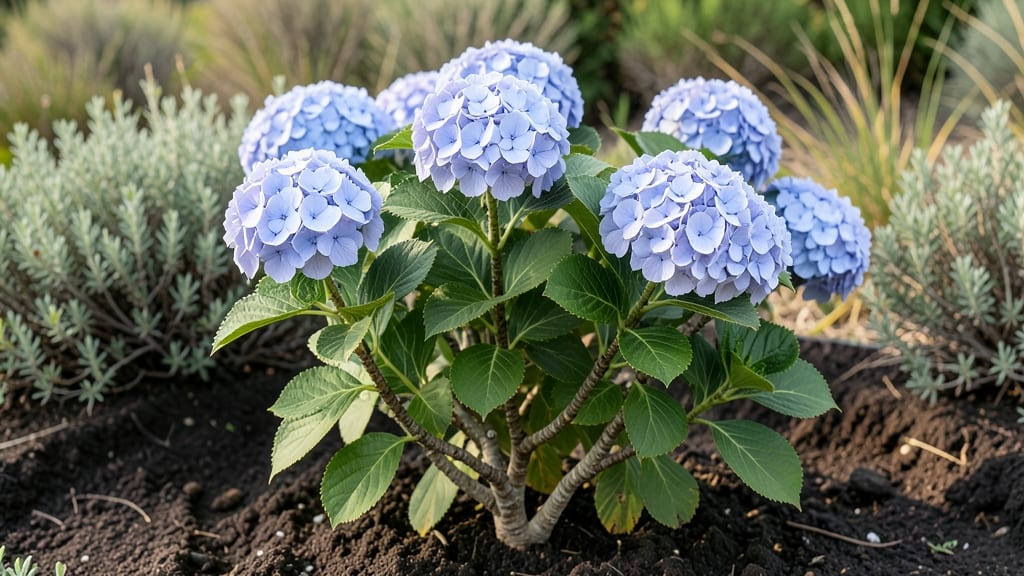
Double flower Rose of Sharon thrives in the Pacific Northwest's damp summers and cold winters—its velvety blooms outshine single varieties every season. 🌿 I planted mine last spring, and by July, it was already covered in layers of petals, drawing hummingbirds like magnets.
The secret isn't just frost resistance; it's how this shrub turns vertical space into a living tapestry of color.
You'll need a spot with 6+ hours of sun, well-draining soil, and room to grow 8-12 feet tall—perfect for trellises or as a privacy screen. Unlike finicky roses, this plant tolerates clay soil and occasional neglect, making it ideal for busy gardeners.
The double blooms? They come from pruning at the right time, which I'll show you how to do without sacrificing next year's flowers.
By summer's end, you'll have a shrub dripping with lavender, pink, or white blooms that last weeks longer than single varieties. The fragrance lingers in the evening air, and the structure provides year-round interest with its peeling bark and glossy leaves.
It's the kind of plant that makes neighbors pause and ask, "What is that?"
Works in containers too—just expect slightly smaller blooms. Whether you're filling a blank wall or adding height to a border, this Rose of Sharon delivers low-maintenance drama that outlasts the season. Ready to grow one that stands out?
📚 In This Guide
- What you need
- Instructions
- Tips and common mistakes
- Wrapping up and next steps
What you need
- ● Double Flower Rose of Sharon Plants: 1–3 bare-root plants (Zone 5–9 hardy) or container-grown nursery stock
- ● Pro tip: Look for ‘Diana’, ‘Blue Bird’, or ‘Little Henry’ cultivars for double blooms!
- ● Soil: Well-draining, slightly acidic soil (pH 6.0–7.0)
- ● Compost or aged manure (1–2 gallons per plant) for nutrient boost
- ● Fertilizer: Balanced 10-10-10 or slow-release rose/hibiscus fertilizer (follow label rates)
- ● Watering Supplies: Hose with adjustable nozzle or drip irrigation system
- ● Mulch: 2–3 inches of organic mulch (wood chips, straw, or shredded bark)
- ● Planting Tools: Trowel or spade (for digging holes)
- ● Garden gloves (to protect hands from thorns and soil)
- ○ Support Structures (Optional but Recommended): Trellis, arbor, or sturdy stakes (3–6 feet tall for vertical growth)
- ● Twine or plant ties (for securing vines)
- ● Pruning Tools: Bypass pruners (sharp and clean for cuts)
- ● Loppers (for thicker stems)
- ● Weather Prep (PNW-Specific): Frost cloth (for young plants in early spring/fall)
- ● Rain gauge (to monitor water needs during wet winters)
- ● Epsom salt (1 tbsp/month in water for magnesium boost)
- ● Organic pest control (neem oil spray for aphids)
- ● Colorful companion plants (e.g., Heuchera or Salvia for contrast)
Instructions for planting and caring for double flower Rose of Sharon
Here's how to grow these stunning vertical shrubs in the Pacific Northwest's climate.
🪴 Step 1: Choose the Perfect Planting Spot
Find a location with full sun to partial shade—at least 6 hours of direct sunlight daily—but protect from harsh afternoon sun if summers run hot. The Rose of Sharon thrives in well-draining soil and handles the Pacific Northwest's mild winters beautifully, making it ideal for outdoor planting year-round here.
I always test the soil first—dig a small hole and check for water drainage. If water pools after 10 minutes, amend with compost or plant in a raised bed. The roots need room to spread, so space plants 8-10 feet apart for full, lush growth. This shrub loves to climb, so position it near a fence, trellis, or sturdy arbor where it can showcase its dramatic blooms vertically.
🌱 Step 2: Prepare the Soil and Plant
Loosen the soil in your planting area to a depth of 12-18 inches—this helps roots establish quickly. Mix in 2-3 inches of compost to enrich the soil without overwhelming the plant. The Rose of Sharon adapts to most soil types, but it prefers slightly acidic to neutral pH (6.0-7.0).
Dig a hole twice as wide as the root ball but only as deep. Place the plant so the top of the root ball sits 1-2 inches above ground level—this prevents water from pooling around the stem. Gently backfill with soil, pressing lightly to remove air pockets. Water deeply right after planting to settle the soil and encourage root contact.
☀️ Step 3: Water and Mulch for Establishment
Keep the soil consistently moist (not soggy) for the first 4-6 weeks after planting. Water deeply 2-3 times per week, giving 1-2 gallons per plant each time. You'll know it's right when the top 2 inches of soil feel damp but not waterlogged. The Pacific Northwest's damp climate helps here, but containers or sandy soil may need more frequent watering.
Apply a 3-inch layer of mulch around the base, keeping it 6 inches away from the stem. I use shredded bark or wood chips—this conserves moisture, regulates soil temperature, and suppresses weeds. Refresh the mulch annually in early spring to maintain its benefits.
✂️ Step 4: Prune for Shape and Health
Prune your Rose of Sharon in late winter or early spring before new growth begins. Remove any dead, damaged, or crossing branches first—this opens the center for airflow and light. Then, cut back last year's growth by one-third to encourage bushier growth and more flowers. The plant blooms on new wood, so don't worry about missing old growth.
For vertical display, train the shrub along a trellis or fence by gently tying stems to the support with soft plant ties. Watch for leggy growth—if stems stretch too far, prune them back to a strong lateral branch. Deadhead spent blooms in summer to encourage more flowers, but leave some for winter interest.
⏰ Step 5: Maintain Through the Seasons
Fertilize in early spring with a balanced, slow-release fertilizer (10-10-10). Apply it 6 inches away from the stem and water it in well. The Rose of Sharon is tough, but a little extra nutrition in spring and mid-summer keeps it thriving. In the Pacific Northwest, you can skip fall fertilization—let the plant rest through winter.
Monitor for pests like aphids or spider mites, but don't stress—this shrub is naturally resilient. If you see issues, treat with neem oil or insecticidal soap as needed. In winter, the plant may lose leaves, but don't prune until spring. The Rose of Sharon handles frost beautifully and often reblooms vigorously in late spring.
Tips & tricks for perfect double flower Rose of Sharon growth
These little details make all the difference when growing your Rose of Sharon—especially in the Pacific Northwest's unique climate.
Sunlight Strategy: The 6 hours of sunlight requirement is non-negotiable, but here's the thing: if your summers get hot, position your plant where it gets morning sun and afternoon shade. I've seen plants in full afternoon sun get sunburned leaves—watch for crispy edges on the leaves as a warning sign. For containers, rotate them weekly to ensure even sunlight exposure all around.
Soil Test Tip: That 10-minute drainage test is crucial! If water pools after 10 minutes, you're not alone—many Pacific Northwest gardens have clay-heavy soil. I've had great success using raised beds or mixing in perlite to improve drainage without needing to dig up huge areas. The roots will thank you with stronger growth.
Pruning Pro Tip: When you cut back last year's growth by one-third in late winter, focus on removing the oldest, thickest stems first. These are the ones that produce fewer flowers. I like to make my cuts just above a set of healthy buds—this encourages bushier growth and more blooms. And don't be afraid to get creative with your pruning—this plant handles aggressive shaping beautifully.
Winter Prep: While Rose of Sharon handles frost well, give your plants a little extra protection in their first winter. I wrap young plants with burlap or use frost cloth to shield them from harsh winds. This helps them establish stronger root systems for years to come. The Pacific Northwest's mild winters usually mean no need for heavy winter protection, but this extra step can make a big difference for young specimens.
Pro Tips for Double Flower Rose Of Sharon
- These little details make all the difference when growing your Rose of Sharon—especially in the Pacific Northwest's unique climate.
- Sunlight Strategy: The 6 hours of sunlight requirement is non-negotiable, but here's the thing: if your summers get hot, position your plant where it gets morning sun and afternoon shade.
- Soil Test Tip: That 10-minute drainage test is crucial!
Frequently asked questions
Got questions about growing double flower Rose of Sharon in the Pacific Northwest? You’re not alone! Here are answers to the most common queries to help you cultivate this stunning, frost-resistant beauty with confidence.
How cold can Double Flower Rose of Sharon tolerate?
This hardy shrub thrives in USDA Zones 5-9 and can handle temperatures down to -20°F (-29°C) once established. Young plants may need winter protection (like mulch or burlap wraps) during their first few years, especially in exposed areas.
When is the best time to prune Double Flower Rose of Sharon?
Prune late winter or early spring (before new growth starts) to shape the shrub and encourage vibrant blooms. Avoid heavy pruning in fall, as it can stimulate tender growth vulnerable to frost. Use clean, sharp shears and remove no more than 1/3 of the plant per year.
How often should I water Double Flower Rose of Sharon?
Water deeply once or twice a week during the first growing season to establish roots, then taper to weekly waterings once mature. This drought-tolerant shrub prefers well-draining soil and can suffer from overwatering—always check soil moisture before watering.
Why isn’t my Double Flower Rose of Sharon blooming?
Lack of blooms often stems from over-fertilizing (especially with high-nitrogen), poor pruning timing, or shady locations. Ensure full sun (6+ hours daily), prune correctly in late winter, and use a balanced 10-10-10 fertilizer in early spring for best results.
Can I grow Double Flower Rose of Sharon in containers?
Yes! Choose a large container (at least 24" wide) with drainage holes and use a well-draining potting mix. Container-grown shrubs may need more frequent watering and winter protection (move to a sheltered spot or wrap with burlap).
Wrapping up and next steps
The double flower Rose of Sharon is a stunning, low-maintenance choice for Pacific Northwest gardens, offering year-round interest with its vibrant blooms and lush foliage.
Its frost resistance and vertical growth make it a perfect fit for small spaces or as a natural privacy screen—ideal for gardeners who love beauty and practicality. Ready to transform your outdoor space? Start by selecting your spot, prepping the soil, and planting your shrub this season! 🌿✨
- Pro Tip: Mark your calendar for late winter—it’s the best time to plant!