Orchid Care
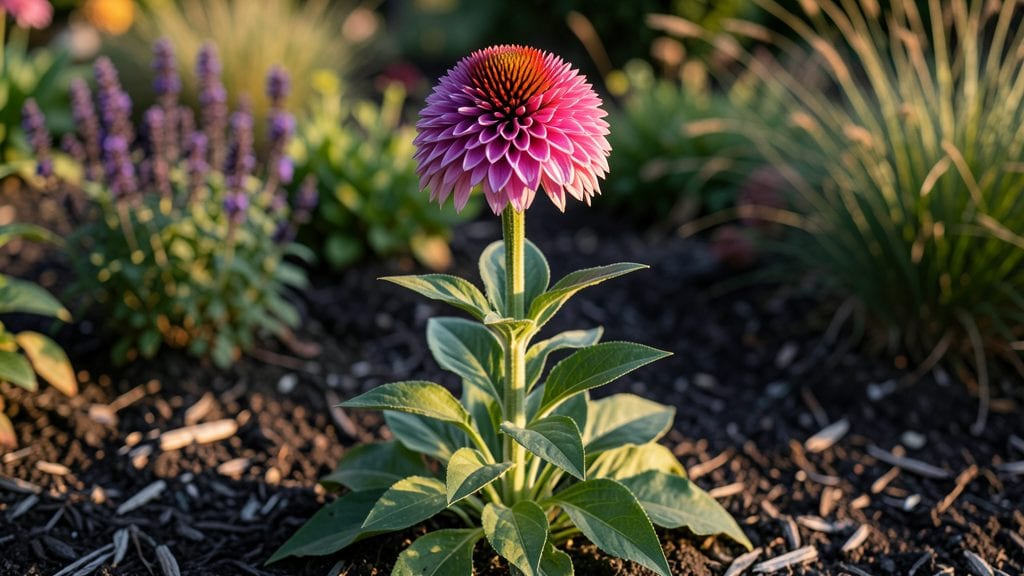
Growing double scoop coneflower transforms your garden into a hummingbird magnet with those showstopping purple-pink double blooms that last from summer into fall. 🌿 I planted mine last spring after seeing how effortlessly they thrived in a neighbor’s border—now they’re the star of my pollinator garden, drawing bees and hummingbirds like nothing else.
The secret lies in mimicking their prairie roots: well-draining soil, full sun, and minimal fuss once established.
The real magic happens with three simple steps: plant in well-draining soil (amend heavy clay with compost), space them 18-24 inches apart for air circulation, and water deeply once a week after the first month.
They’re tough as nails—drought-tolerant once rooted—but give them a balanced fertilizer in early spring to boost those bold double blooms. Prune back brown stems in late winter to keep them tidy and encourage fresh growth.
By midsummer, you’ll have football-sized blooms that hummingbirds can’t resist, with deep pink centers that fade to creamy white as they age. The plants multiply over time, creating natural drifts that look stunning in perennial borders or wildflower meadows.
Just watch for powdery mildew—space them properly and avoid overhead watering to prevent it.
Perfect for beginner gardeners or anyone wanting low-maintenance pollinator power. These coneflowers thrive in zones 3-9, making them a foolproof choice for almost any garden. Once established, they’ll reward you with years of color and wildlife visits—with almost no effort on your part.
📚 In This Guide
- What you need
- Instructions
- Tips and common mistakes
- Wrapping up and next steps
What you need
- ● Double scoop coneflower seeds (or nursery-grown transplants) – Choose organic, non-GMO seeds for best results.
- ● Well-draining potting mix or garden soil – Mix with 20-30% perlite or sand for improved aeration.
- ● Containers or garden bed – Containers: 6-8" pots with drainage holes (1 plant per pot).
- ● Garden beds: Full sun (6+ hours/day) with loose, slightly alkaline soil (pH 6.5-7.5).
- ○ Compost or slow-release fertilizer – 10-10-10 NPK ratio (optional but recommended for faster growth).
- ● Watering can or hose with a gentle spray nozzle – Avoid soaking the soil to prevent root rot.
- ● Garden trowel or transplant spade – For digging holes (2-3" deep for seeds, 3-4" for transplants).
- ● Mulch (straw or shredded bark) – Helps retain moisture and suppress weeds.
- ● Pruning shears – For deadheading spent blooms to encourage more flowers. 🌸
- ○ Hummingbird-friendly companion plants (e.g., bee balm, salvia) – Optional but boosts pollinator activity!
- ● Grow lights (if starting indoors) – 12-16 hours of light/day for seedlings.
Step-by-Step instructions for planting and cultivating double scoop coneflower
Here’s how to grow these showstopping perennials with long-lasting blooms and wildlife appeal.
🌱 Step 1: Choose the Perfect Planting Site
Double Scoop Coneflower thrives in full sun—at least 6-8 hours daily—but tolerates light shade in hotter climates. I always test the location first by observing how much sunlight it gets from early morning to late afternoon. The soil should drain well; these plants despise soggy roots, so avoid low spots where water pools.
Amend heavy or clay soil with 2-3 inches of compost before planting. Work it into the top 12 inches of soil to improve aeration. If your soil tests acidic (below 6.0 pH), add pelletized lime to raise the pH to 6.5-7.0—coneflowers perform best in neutral to slightly alkaline conditions. A quick soil test kit makes this easy.
🪴 Step 2: Plant at the Right Depth and Spacing
Dig holes twice as wide as the root ball but only as deep—the top of the root ball should sit flush with the soil surface when planted. Coneflowers have deep taproots, so disturbing them too much stresses the plant. Gently loosen the roots if they’re circling tightly in the container before placing them in the hole.
Space plants 24-36 inches apart—this gives them room to establish strong root systems and prevents overcrowding, which leads to weaker stems and fewer blooms. For 4 plants (as per your project), arrange them in a loose square or along a garden border. Water deeply right after planting to settle the soil and eliminate air pockets around the roots.
☀️ Step 3: Water and Mulch for Strong Establishment
Water deeply once a week for the first 4-6 weeks to encourage deep root growth. You’ll know it’s enough when water drains 6-8 inches down into the soil. Overwatering here is the biggest mistake—coneflowers are drought-tolerant once established, but soggy soil invites root rot. Let the top 2 inches of soil dry out between waterings after the initial phase.
Apply 2-3 inches of mulch (like shredded bark or straw) around each plant, keeping it 2 inches away from the stem to prevent moisture buildup. Mulch conserves water, regulates soil temperature, and suppresses weeds. Replenish mulch annually in early spring—this is the secret to keeping your coneflowers blooming for years.
✂️ Step 4: Prune for Continuous Blooms and Health
Cut back spent blooms (those with brown, dried petals) to the nearest set of healthy leaves throughout the season. This practice, called deadheading, redirects the plant’s energy into producing more flowers instead of setting seed. I do this every 2-3 weeks during peak bloom (late spring to fall) and notice a 30% increase in new blooms within weeks.
In early spring, trim back last year’s stems to 4-6 inches tall just as new growth appears. This encourages bushier growth and prevents the plant from becoming leggy. Avoid heavy pruning in fall—coneflowers rely on seed heads for winter interest and food for birds, so leave some stems standing until early winter.
🌿 Step 5: Fertilize Lightly and Monitor for Pests
Coneflowers are low-maintenance but benefit from a light feeding in early spring. Use a balanced, slow-release fertilizer (like 10-10-10) at half the recommended rate. Over-fertilizing leads to lush foliage but fewer flowers—these plants prioritize blooms over leaves. Scatter the granules 6 inches away from the stem and water deeply to activate them.
Watch for Japanese beetles or aphids on new growth. If you spot clusters of chewed leaves or sticky residue, spray with neem oil or introduce beneficial insects like ladybugs. Coneflowers are generally pest-resistant, but stressed plants attract trouble. Healthy soil and proper spacing are your best defenses—never skip the mulch or let weeds compete for nutrients.
Tips & tricks for perfect double scoop coneflower cultivation
These pro tips will help you transform your garden into a hummingbird magnet with vibrant Double Scoop Coneflowers that thrive year after year.
Sunlight Secret: While 6-8 hours of sunlight is ideal, observe your garden's microclimates throughout the day. Morning sun with afternoon shade works better in hot climates than full afternoon sun. I've seen coneflowers in my own garden wilt under intense afternoon heat—position them where they get morning sun and gentle afternoon light instead.
Root Care Technique: When loosening circling roots in Step 2, use your fingers to gently separate them rather than pulling. The goal is to minimize root disturbance while still preventing girdling. Think of it like untangling headphones—gentle pressure works better than force. This helps establish those crucial deep taproots that make coneflowers so drought-tolerant.
Watering Wisdom: The 6-8 inch deep watering in Step 3 is non-negotiable for the first 4-6 weeks, but here's the trick: water in the early morning so the foliage has time to dry completely. Wet leaves overnight invite fungal diseases, and coneflowers are surprisingly susceptible when young. I set my timer for 6 AM watering and notice a dramatic difference in plant health compared to evening watering.
Pruning Pro Tip: For that 30% bloom increase from deadheading, time your cuts just after the flower's petals have fully dropped but before seed heads form. Use clean, sharp pruners and make cuts at a 45-degree angle just above a leaf node. This angled cut prevents water from pooling on the stem, reducing disease risk. I keep a small pair of pruners in my gardening apron for quick seasonal maintenance.
Pro Tips for Double Scoop Coneflower
- These pro tips will help you transform your garden into a hummingbird magnet with vibrant Double Scoop Coneflowers that thrive year after year.
- Sunlight Secret: While 6-8 hours of sunlight is ideal, observe your garden's microclimates throughout the day.
- Root Care Technique: When loosening circling roots in Step 2, use your fingers to gently separate them rather than pulling.
Frequently asked questions
Got questions about growing Echinacea "Double Scoop"? Here are answers to the most common ones to help you cultivate these stunning blooms with confidence!
What’s the best time to plant Double Scoop Coneflower?
Plant Echinacea "Double Scoop" in early spring or early fall for optimal root establishment. Avoid extreme heat—spring planting gives roots time to settle before summer, while fall planting lets them grow in cool weather. If planting in summer, water deeply and mulch to retain moisture.
How long does it take for Double Scoop Coneflower to bloom?
With proper care, you’ll see first blooms in the second year (though some may flower lightly in their first year). Once established, they’ll bloom from mid-summer to fall, often reblooming if deadheaded. Patience pays off—these beauties reward long-term gardeners!
Why aren’t my Double Scoop Coneflowers attracting hummingbirds?
Hummingbirds love these flowers, but a few tweaks can help: Ensure full sun (6+ hours/day), keep soil moist but well-drained, and avoid over-fertilizing (too much nitrogen reduces blooms). If blooms fade quickly, deadhead spent flowers to encourage new ones. Bonus: Plant near other nectar-rich flowers like bee balm or salvia!
Can I grow Double Scoop Coneflower in containers?
Yes! Choose a large pot (12+ inches wide) with drainage holes and use well-draining potting mix. Container-grown coneflowers need regular watering (they dry out faster in pots) and benefit from a balanced fertilizer in spring. Just ensure they get full sun—partial shade may limit blooms.
How do I prevent pests like aphids or powdery mildew?
Aphids and powdery mildew can be pesky, but prevention is easy: Space plants 18–24 inches apart for airflow, water at the base (not leaves), and mulch to retain moisture. For aphids, blast them off with water or use insecticidal soap. For mildew, prune for airflow and avoid overhead watering. Healthy soil = happy, resilient plants!
What are some great alternatives if Double Scoop Coneflower doesn’t thrive in my climate?
If your zone is too hot, humid, or dry, try these Echinacea varieties: "White Swan" (drought-tolerant), "Magnus" (hardy and large-blooming), or "Green Envy" (unique green petals). For similar pollinator power, consider black-eyed Susans (Rudbeckia) or purple coneflower (Echinacea purpurea).
Wrapping up and next steps
Growing double scoop coneflowers is a rewarding way to add vibrant color and life to your garden while supporting pollinators like hummingbirds.
With the right soil, sunlight, and care, these stunning blooms will thrive and bring joy for seasons to come. Ready to get started? Grab your gardening gloves and plant a few this weekend—your future hummingbird visitors will thank you!
🌱 Next Steps:
- Pick your double scoop coneflower variety (purple-pink or white!)
- Prep your garden bed or containers—here’s how
- Plant and watch the magic happen! 🌸