Flowers
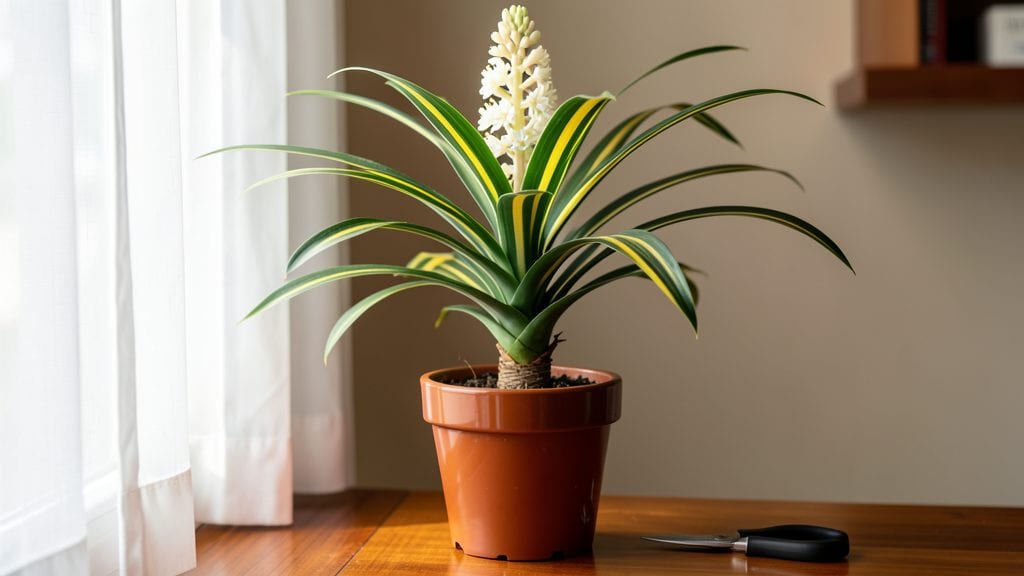
Dracaena plants with flowers are the quiet superstars of houseplant collections—elegant, slow-growing, and capable of blooming year-round with the right care. 🌿 I’ve watched mine produce delicate white or greenish flowers for months at a time, and the secret isn’t complicated: it’s about mimicking their natural tropical environment indoors.
Most gardeners overlook the small adjustments that make the difference between a leafy green plant and one that rewards you with unexpected blooms.
The key is balancing light, water, and humidity without fuss. These plants thrive in bright, indirect light—think east-facing windows or a few feet back from south-facing ones—and they despise soggy soil. Let the top inch dry out between waterings, and use well-draining potting mix to prevent root rot.
A quick misting or pebble tray keeps the air moist enough to encourage flowering, especially in dry winter months when indoor air turns harsh.
When you get it right, you’ll see those stunning flower spikes emerge from the center of the plant, sometimes lasting for weeks. The blooms might not be showy like orchids, but there’s something deeply satisfying about a houseplant that keeps giving—year after year—with minimal effort.
The best part? These plants clean the air too, making them a win-win for any home.
Whether you’re dealing with a leggy plant that needs more light or a stubborn non-flowerer, the fixes are simple and repeatable. Let’s troubleshoot the common roadblocks and get your dracaena blooming like the elegant tropical it is.
📚 In This Guide
- What you need
- Instructions
- Tips and common mistakes
- Wrapping up and next steps
What you need
- ● Dracaena plant (preferably a flowering variety like Dracaena marginata ‘Colorama’ or Dracaena fragrans ‘Massangeana’—check local nurseries or online plant shops).
- ● Well-draining potting mix (3–4 gallons, blend of peat moss, perlite, and orchid bark for aeration).
- ● 10–12 inch pot (with drainage holes; terracotta or ceramic works best).
- ● Balanced liquid fertilizer (20-20-20 or 10-10-10, diluted to half-strength).
- ● Watering can with a narrow spout (to avoid overwatering).
- ○ Humidity tray or pebble tray (optional but helpful for tropical varieties).
- ● Pruning shears (sterilized, for trimming dead leaves or stems).
- ○ Grow lights (optional)—LED full-spectrum bulbs if natural light is <10 hours/day.
- ● Slow-release fertilizer pellets (for steady nutrient release).
- ● Misting bottle (to boost humidity around leaves).
- ● Plant food with micronutrients (e.g., fish emulsion for blooming health).
- ● Decorative pot or cache pot (for a stylish outer layer).
- ● Soil moisture meter (to avoid guesswork with watering).
Instructions for encouraging flowers on your dracaena
Here's how to coax those stunning blooms from your dracaena—no black thumb required.
🌱 Step 1: Provide the Right Light Conditions
Dracaena flowers thrive under bright, indirect light—think east-facing windows or 6-8 hours of filtered sunlight daily. Too little light stunts growth, while harsh direct sun scorches leaves. I notice my plants perk up when placed near a sheer curtain on the south side, where they get dappled sun all afternoon.
Rotate your plant quarter-turn weekly so all sides receive even light exposure. You'll see new growth leaning toward the light within a month—that's your signal to adjust placement. Artificial grow lights work too, but keep them 12-18 inches away to prevent leaf burn.
💧 Step 2: Master the Watering Balance
Let the top 2-3 inches of soil dry completely between waterings—overwatering is the #1 killer of flowering dracaena. I test moisture by sticking my finger in: if it feels dry past the first knuckle, it's time to water. During winter, reduce watering to every 3-4 weeks as growth slows.
Use room-temperature water to avoid shocking roots. Yellowing leaves usually mean overwatering, while crispy edges signal underwatering. A well-draining pot with drainage holes prevents root rot—never let your dracaena sit in saucers of standing water.
☀️ Step 3: Feed During Active Growth
Flowering dracaena need balanced fertilizer (20-20-20) applied monthly during spring and summer. I dilute mine to half-strength to avoid salt buildup, which burns roots. Stop fertilizing in fall and winter when growth pauses—too much food then causes weak stems and fewer blooms.
Watch for new growth shoots at the base—these indicate active growth and prime time for feeding. If your plant flowers but doesn't rebloom, it's often a sign of insufficient nutrients. A foliar spray of seaweed extract every other month gives an extra nutrient boost without overloading the soil.
✂️ Step 4: Prune Strategically for Better Blooms
Trim leggy stems in early spring to encourage bushier growth and more flower stalks. Cut just above a leaf node with clean, sharp scissors—never tear stems. I save the cuttings to propagate new plants, which doubles my flowering display each year.
Remove any spent flower stalks by cutting them at the base. This redirects the plant's energy toward producing new blooms rather than seeding. Deadheading also keeps your dracaena looking tidy while encouraging a second flush of flowers later in the season.
⏰ Step 5: Maintain Consistent Temperature and Humidity
Keep your dracaena in 65-75°F temperatures—avoid drafts from windows or vents, which stress plants. I notice my plants flower more reliably when kept away from heating vents in winter. Sudden temperature swings can cause buds to drop before opening.
Mist leaves 2-3 times weekly or place the pot on a tray of pebbles with water to increase humidity. The goal is 40-50% humidity—dry air causes brown leaf tips and stunted blooms. Grouping plants together creates a microclimate that naturally boosts humidity around them.
Tips & tricks for perfect dracaena blooms
A few subtle adjustments can transform your dracaena from a leafy houseplant into a stunning flowering showstopper. Here's what nobody tells you about getting those blooms to appear consistently.
Light Strategy: The 6-8 hours of filtered sunlight in Step 1 is non-negotiable, but here's the secret: if you notice your plant leaning toward one window, it's not getting even exposure. I place mine on a rotating plant stand that completes a full rotation every 24 hours—this eliminates the need for manual quarter-turns while ensuring consistent light from all angles. For indoor growers, a simple DIY solution is to move the pot 90 degrees daily using a timer reminder on your phone.
Watering Intelligence: That "top 2-3 inches dry" rule in Step 2 is your best friend, but here's how to take it further: use a moisture meter for the first month to understand your specific soil's drying pattern. I've found my dracaena's soil stays moist longer in winter (thanks to lower temps), so I check with the meter before watering rather than relying solely on finger tests. This prevents the dreaded yellowing leaves that signal overwatering.
Fertilizer Timing: The monthly spring/summer feeding in Step 3 is perfect, but here's what I do differently: I switch to a bloom-boosting fertilizer (like 10-10-10) starting in early spring, two months before I want flowers to appear. This gives your plant the phosphorus boost it needs for bud formation. And pro tip: always water thoroughly before fertilizing to prevent root burn from concentrated nutrients.
Pruning Precision: When trimming leggy stems in Step 4, make your cuts just above a leaf node where you see a tiny bump or bud forming. These nodes are growth points that will sprout new branches—each new branch is a potential future flower stalk. I've found that cutting at a 45-degree angle (rather than straight across) also helps water run off the cut, preventing rot at the wound site.
Pro Tips for Dracaena With Flowers
- A few subtle adjustments can transform your dracaena from a leafy houseplant into a stunning flowering showstopper.
- Light Strategy: The 6-8 hours of filtered sunlight in Step 1 is non-negotiable, but here's the secret: if you notice your plant leaning toward one window, it's not getting even exposure.
- Watering Intelligence: That "top 2-3 inches dry" rule in Step 2 is your best friend, but here's how to take it further: use a moisture meter for the first month to understand your specific soil's drying pattern.
Frequently asked questions
Got questions about blooming dracaena? You’re not alone!
Whether you’re a new plant parent or just curious about these stunning tropical beauties, here are the answers to the most common queries about dracaena with flowers—from care tips to troubleshooting.
How often does dracaena flower, and when can I expect blooms?
In ideal conditions, dracaena may flower once every 5–10 years—often in late winter or early spring. Some varieties (like Dracaena fragrans) are more likely to bloom with mature age (5+ years) and bright, indirect light. Patience is key!
Why isn’t my dracaena flowering, even though it’s healthy?
Dracaena flowers are rare indoors and require specific triggers: mature age, low-stress conditions, and cool nights (55–60°F) for 4–6 weeks. If your plant is young, underlit, or stressed (overwatered/drafty), it may skip blooming. Try adjusting care and wait—nature’s timeline isn’t yours!
Can I make my dracaena flower faster?
While you can’t force blooms, you can optimize conditions:
- Move it near a bright, east-facing window (avoid harsh sun).
- Let the soil dry slightly between waterings (overwatering = no flowers!).
- Fertilize lightly in spring with a balanced, phosphorus-rich formula.
What do dracaena flowers look like, and how do I care for them?
Dracaena flowers are fragrant, star-shaped clusters in white, green, or pink, often on tall stalks. Once they bloom, enjoy them! After flowering, prune spent blooms to redirect energy to foliage. Pro tip: If your plant is drooping post-bloom, it’s normal—give it time to recover!
Are there flowering dracaena alternatives if mine won’t bloom?
If you love color but your dracaena plays hard to get, try these low-maintenance, flowering friends:
- Anthurium (bold red/pink blooms, thrives in humidity).
- Peace Lily (elegant white spathes, forgiving care).
- Spider Plant (arching flowers, pet-friendly).
Wrapping up and next steps
Bringing year-round color into your home with dracaena with flowers is easier than you think! 🌸 These stunning plants thrive with minimal effort—just remember bright, indirect light, occasional watering, and a little humidity love.
Whether you’re a plant parent or a beginner, their hardy nature and breathtaking blooms make them a rewarding addition to any space.
Ready to level up your indoor garden? Start by picking your favorite variety—like the Dracaena fragrans or Dracaena marginata—and give it the care it deserves. Watch it flourish and enjoy the beauty of nature’s artistry all year round! 🌿✨