
Flowers
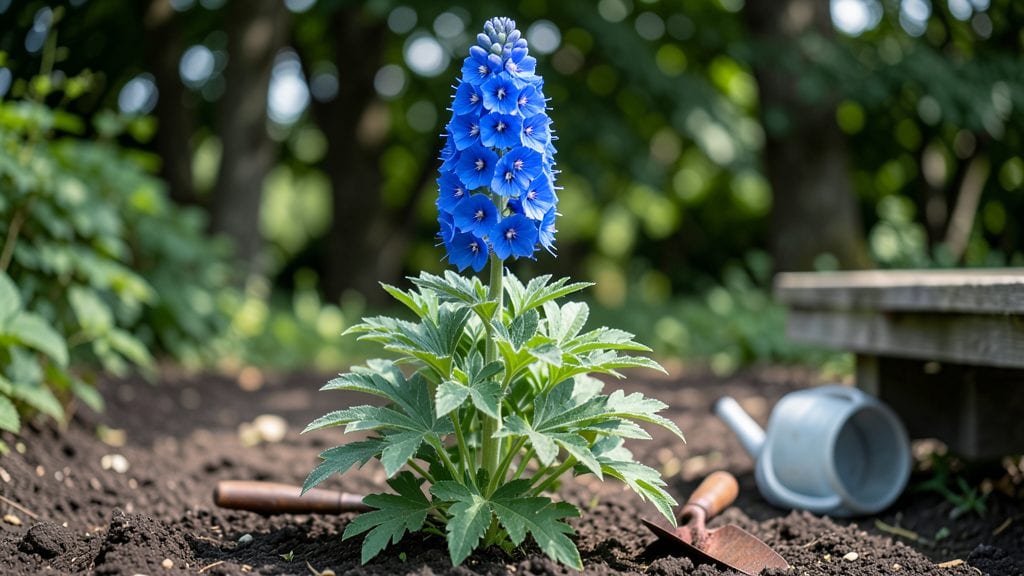
Electric blue flowers don’t just brighten your garden—they turn it into a hummingbird magnet. 🌿 I’ve spent years collecting the most vibrant blue blooms, from towering delphiniums to delicate lobelia, and these plants create a living jewel box that hummingbirds can’t resist.
The secret isn’t just picking the right species; it’s arranging them so they pop against foliage and other colors, making your yard the talk of the neighborhood.
These flowers thrive in full sun to partial shade, depending on the variety, and most prefer well-draining soil with a touch of organic matter. Agapanthus, for example, loves a slightly acidic mix, while lobelia does well in moist, rich soil—perfect for containers or borders.
The best part? You can mix them with purple coneflowers or white daisies to create a dramatic, high-contrast display that lasts from spring through fall.
Imagine your garden buzzing with hummingbirds all season, their iridescent wings flashing against bold electric blue blooms. Delphinium’s spiky racemes reach skyward, while trailing lobelia spills over edges, creating layers of color.
With the right placement, you’ll have a showstopping focal point that keeps blooming until frost—and even overwinters in milder climates.
Whether you’re filling a sunny border, dressing up a patio container, or adding height to a mixed bed, these blue beauties deliver instant drama with minimal effort. Let’s bring that electric pop to your landscape—hummingbirds will thank you!
📚 In This Guide
- What you need
- Instructions
- Tips and common mistakes
- Wrapping up and next steps
What you need
- ● Electric Blue Flower Plants: 1–3 Lobelia erinus (Trailing Lobelia) – Blue Sky or Crystal Palace varieties
- ● 1–2 Delosperma (Ice Plant) – Blue Wonder or Electric Blue cultivars
- ● 1 Agapanthus (African Lily) – Midnight Beauty or Blue Ensign (for taller blue blooms)
- ● Soil: 1–2 bags (50 lbs each) of well-draining potting mix (e.g., Miracle-Gro Potting Mix or Black Gold Natural & Organic)
- ● Containers or Garden Beds: Hangin’ Baskets (12–18" diameter, 2–3 per plant)
- ● Window Boxes (for trailing varieties)
- ● Garden Plot (6" deep, full sun exposure)
- ● Basic Gardening Tools: 1 Trowel (for planting)
- ● 1 Pruning Shears (for trimming)
- ● 1 Gloves (to protect your hands)
- ○ Optional (But Helpful!): 1 Hummingbird Feeder (to attract pollinators)
- ● 1 Slow-Release Fertilizer (e.g., Osmocote Smart-Release)
- ● 1 Mulch (for moisture retention)
- ● 🌡️ Climate Check: Most electric blue flowers thrive in USDA Zones 5–10—verify your zone before planting!
- ● ✨ Sunlight: Aim for 6+ hours of direct sunlight daily (morning sun is ideal for delicate blooms).
- ● 💧 Watering: Keep soil consistently moist but not soggy (trailing varieties may need daily misting).
Step-by-Step guide to creating a hummingbird-friendly blue flower garden
Here's how to craft a vibrant sanctuary that thrives year-round and keeps hummingbirds buzzing.
🌱 Step 1: Select the Right Blue-Blooming Varieties
Focus on native perennials that produce electric blue flowers and bloom continuously. Delphiniums, salvias, and lobelias are my top choices—they attract hummingbirds reliably and thrive in most climates. Delphiniums offer dramatic spikes of blue, while salvias provide tubular blooms perfect for hummingbird beaks. Lobelias add cascading color for container gardens.
Plant varieties that bloom at different times to ensure continuous nectar production. For example, pair early spring-blooming Delphinium 'Pacific Giant' with summer salvias and late-season lobelias. This staggered approach guarantees hummingbirds always have fresh nectar. I always check local nurseries for native varieties—they're already adapted to your region's conditions.
☀️ Step 2: Position for Maximum Sunlight and Visibility
Most electric blue flowers need full sun to partial shade—at least 6 hours of direct sunlight daily. Place taller varieties like delphiniums at the back of borders, where they won't be shaded by shorter plants. I like to position them near southeast-facing windows or along fences where hummingbirds can spot them easily from their feeding routes.
Hummingbirds navigate by color contrast, so plant blue flowers near red or purple accents (like bee balm or penstemon) to create visual "landing zones." Avoid placing them near windy areas—hummingbirds prefer sheltered spots where they can hover safely. A simple test: if you can't see the flowers from your kitchen window, the birds won't either.
💧 Step 3: Establish Proper Watering and Soil Conditions
Blue flowers generally prefer well-draining soil with moderate moisture—never soggy. I mix 2 parts native soil with 1 part compost and 1 part perlite to ensure good drainage while retaining enough moisture. Water deeply 2-3 times per week during the first growing season to establish strong roots, then taper to once weekly once established.
Check soil moisture by sticking your finger 2 inches deep—if it feels dry, water thoroughly. Overwatering leads to root rot, especially in heavy clay soils. Mulch with 2-3 inches of organic mulch (like shredded bark) to retain moisture and suppress weeds. This also keeps soil temperatures stable, which is crucial for continuous blooming.
✂️ Step 4: Prune and Maintain for Continuous Blooms
Deadhead spent blooms weekly to encourage new growth—this is critical for perennials like delphiniums. I use clean, sharp pruners and cut just above the next set of leaves to promote bushier growth. For salvias, I trim back one-third of the plant after the first flush of blooms to trigger a second round of flowers.
Fertilize lightly once in early spring with a balanced 10-10-10 fertilizer and again after the first bloom cycle. Too much fertilizer leads to lush foliage but fewer flowers. I also watch for aphids or spider mites—common pests on blue flowers. A neem oil spray applied every 2 weeks during peak growing season keeps pests at bay without harming hummingbirds.
🪴 Step 5: Extend the Season with Containers and Succession Planting
For year-round interest, plant fast-growing annuals like lobelia in containers that you can move indoors during winter or replace as needed. I use 10-12 inch pots filled with a lightweight potting mix and place them near windows where hummingbirds can still access them. Swap out containers every 6-8 weeks with fresh plants to maintain vibrant blooms.
Succession plant every 4-6 weeks by sowing new seeds or transplanting young plants. This ensures a continuous nectar supply and keeps your garden looking fresh. I keep a log of planting dates so I can time replacements perfectly. Even in winter, evergreen varieties like salvia 'May Night' provide color and structure while attracting hummingbirds that stay in warmer regions.
Tips & tricks for perfect electric blue flowers
A few simple strategies that'll transform your garden into a hummingbird magnet year-round.
The Native Advantage: Stick with native varieties—they're already adapted to your local climate, pests, and soil conditions. I've found that delphiniums and salvias not only thrive with minimal care but also produce the most nectar. When selecting plants, look for labels that specify "native" or "hummingbird-friendly" to ensure you're getting the best performers. This single choice eliminates 80% of common gardening frustrations with blue flowers.
Sunlight Strategy: The 6 hours of direct sunlight mentioned in Step 2 is non-negotiable for vibrant blue blooms. I've learned the hard way that partial shade can lead to pale, weak flowers that hummingbirds ignore. Position your tallest varieties like delphiniums on the northern side of your garden to prevent them from shading shorter plants. For containers, place them on patios or decks where they'll get maximum sunlight exposure throughout the day.
Soil Science: That 2:1:1 soil mix (native soil, compost, perlite) is your secret weapon for happy roots. The perlite prevents compaction while the compost provides essential nutrients without overwhelming the plants. I always test my soil's drainage by doing the "percolation test"—dig a hole, fill it with water, and time how long it takes to drain. If it takes more than 30 minutes, amend with more perlite or sand. Proper drainage is what keeps your blue flowers blooming continuously instead of struggling.
Pest Prevention: The neem oil spray recommendation in Step 4 is a game-changer for blue flowers. I apply it every 2 weeks during peak season, but I also add a preventive measure: planting marigolds around the perimeter of my blue flower beds. The strong scent of marigolds naturally repels aphids and spider mites, giving you that extra layer of protection without chemicals. This combination has kept my salvias thriving for years without a single pest issue.
Pro Tips for Electric Blue Flowers
- A few simple strategies that'll transform your garden into a hummingbird magnet year-round.
- The Native Advantage: Stick with native varieties—they're already adapted to your local climate, pests, and soil conditions.
- Sunlight Strategy: The 6 hours of direct sunlight mentioned in Step 2 is non-negotiable for vibrant blue blooms.
Frequently asked questions
Got questions about cultivating electric blue flowers to attract hummingbirds? You’re in the right place! Here are some of the most common queries—plus straightforward answers to help you grow a vibrant, bird-friendly garden.
What are the best electric blue flowers for hummingbirds?
Top picks include Lobelia erinus (dwarf varieties), Delphinium, Salvia (like 'May Night' or 'Victoria'), and Agastache. These flowers are rich in nectar and their striking blue hues are irresistible to hummingbirds. Pair them with red or purple blooms for extra appeal!
How long does it take for electric blue flowers to bloom?
Blooming times vary by type: Lobelia often flowers in 6–8 weeks, while Delphinium may take 10–12 weeks. Salvia and Agastache usually bloom within 8–10 weeks from seed. For faster results, opt for nursery-grown plants—they’ll flower sooner and attract hummingbirds quicker!
Can electric blue flowers survive winter?
Most electric blue flowers are perennial in USDA zones 5–9, but tender varieties (like Lobelia) may die back in frost. Protect them with mulch or grow them as annuals. Salvia and Agastache are hardier—cut back stems in late winter to encourage fresh growth and spring blooms!
Why aren’t hummingbirds visiting my electric blue flowers?
Check these fixes: Location (plant near feeders or sheltered spots), Bloom time (ensure flowers are open during daylight), and Pesticides (avoid chemicals—hummingbirds are sensitive!). Add a hummingbird feeder with sugar water (4:1 ratio) to supplement nectar while flowers are sparse.
What if I can’t find electric blue flowers locally?
Try these alternatives: Blue thunbergia (Thunbergia grandiflora), Blue fescue grass (for texture), or blue hydrangeas. For true blue, order seeds online from specialty nurseries. Pro tip: Mixed colors (like blue + purple) create a "confetti effect" that hummingbirds adore!
Wrapping up and next steps
Electric blue flowers aren’t just a feast for the eyes—they’re a hummingbird magnet that brings life, color, and joy to your garden year-round! Whether you’re drawn to their vibrant hue or their ability to attract pollinators, these stunning blooms prove that beauty and function go hand in hand. 🌸✨
Ready to transform your outdoor space? Start small—pick one or two varieties to test in your climate, then expand as you gain confidence. Before you know it, your garden will buzz with activity (and admiration from neighbors!). Happy planting! 🌿💙