Light Requirements
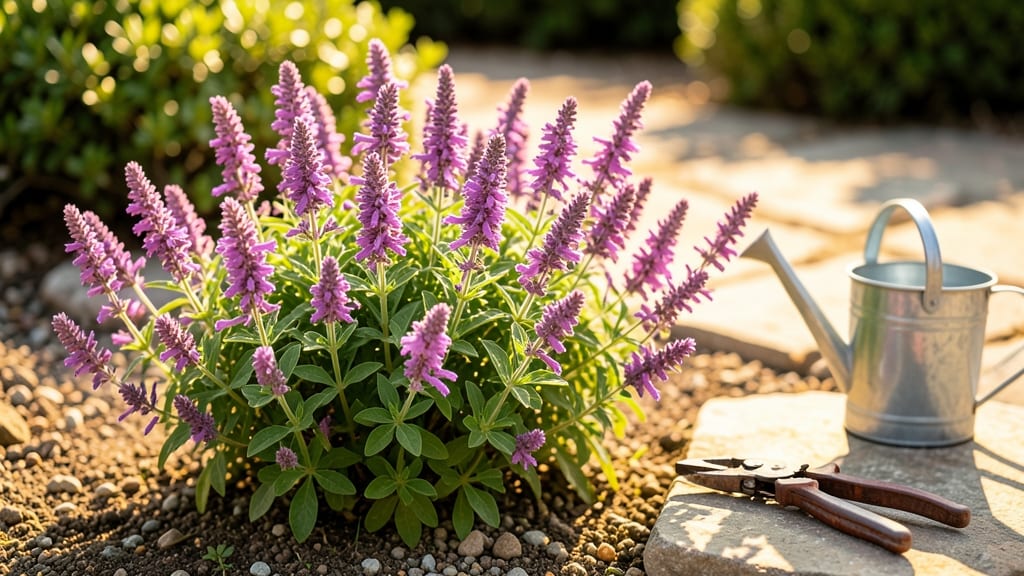
Texas full-sun gardens in fall don’t have to be a struggle—some flowers actually love the heat and drought. 🌻 I’ve tested these bold bloomers in my own yard, and they keep putting on color long after most plants have given up.
Lantana, salvia, and Texas sage aren’t just survivors; they’re showstoppers that attract hummingbirds while requiring almost no extra water.
The secret lies in their deep roots and waxy leaves, which store moisture and reflect the sun’s intensity. You’ll need well-draining soil (amend with compost if yours is heavy clay) and minimal pruning—just trim back leggy stems after the first frost to encourage fresh growth.
These plants thrive with one deep watering per week once established, making them perfect for Texas’ unpredictable fall rains.
Imagine your yard bursting with crimson salvia, golden lantana, and purple sage well into December. The fragrance alone—especially on crisp mornings—will make you forget it’s still technically autumn. Plus, these flowers keep blooming because they’re adapted to Texas’ dry spells, so you won’t waste time fussing over wilting petals.
Whether you’re planting in October or November, these varieties adapt easily to your zone’s last frost date. Start with just three to five plants to test your space, then expand next season.
The key is mulching around the base to lock in moisture, and you’ll have a low-maintenance, high-impact display that outshines anything from a nursery.
📚 In This Guide
- What you need
- Instructions
- Tips and common mistakes
- Wrapping up and next steps
What you need
- ● Fall-blooming flowers: Choose from drought-tolerant, full-sun Texas favorites like Mexican Sunflower (Tithonia rotundifolia), Goldenrod (Solidago spp.), Blackfoot Daisy (Melampodium leucanthum), or Texas Lantana (Lantana urticoides). (Quantity: 3–5 plants per variety for a full garden bed.)
- ● Well-draining soil: Amend native clay soil with compost (2–3 inches mixed into the top 12 inches of soil) to improve aeration and moisture retention.
- ● Organic mulch: Pine straw, shredded bark, or gravel (2–3 inches deep) to conserve moisture and suppress weeds. (Avoid thick mulch piles around stems!)
- ● Drip irrigation or soaker hose: Essential for deep, infrequent watering (1–1.5 inches per week during establishment).
- ● Gloves and knee pads: For comfortable planting and weeding.
- ● Hand trowel or transplant spade: For digging small holes (6–8 inches deep).
- ● Garden fork: To loosen compacted soil before planting.
- ● Pruners (sterilized): For trimming dead foliage or shaping plants.
- ● Wheelbarrow or bucket: For hauling soil, mulch, or tools.
- ● Slow-release fertilizer: 10-10-10 or compost-based (sprinkle lightly at planting and mid-season).
- ● Native wildflower seeds: Mix in Bluebonnet (Lupinus texensis) or Indian Blanket (Gaillardia pulchella) for pollinator appeal.
- ● Garden stakes or rings: To support taller varieties like Mexican Sunflower.
- ● Reflective mulch or landscape fabric: For weed suppression in high-traffic areas.
Step-by-Step guide to planting fall flowers for Texas full sun
Here's how to create a vibrant, heat-tolerant fall garden that blooms boldly.
🌱 Step 1: Select Heat-Tolerant Varieties for Texas Conditions
Focus on native and adapted species like Mexican Sunflower (Tithonia rotundifolia), Blackfoot Daisy (Melampodium leucanthum), and Autumn Sage (Salvia greggii)—all thrive in full sun and 90-105°F temperatures. These plants require minimal water once established, making them perfect for Texas drought conditions. I always check the USDA Hardiness Zone map to confirm suitability for your specific region.
Mexican Sunflowers, with their fiery orange blooms, can reach 5-6 feet tall and attract pollinators relentlessly. Blackfoot Daisy offers delicate white flowers that last from early fall through winter, while Autumn Sage provides vibrant red, pink, or purple blooms with a sweet fragrance. These varieties won't just survive—they'll dominate your landscape with color.
🪴 Step 2: Prepare the Soil and Planting Site
Test your soil's drainage first—Texas clay can suffocate roots. Amend heavy soil with 2-3 inches of compost or sandy loam mix to improve aeration. I use a tiller to work in organic matter to a depth of 6-8 inches, ensuring roots have room to establish before winter. For containers, use a fast-draining potting mix with perlite or vermiculite.
Choose a location with 6+ hours of direct sun daily. In West Texas, even late afternoon shade can reduce flowering. Mark planting spots with stakes to avoid disturbing the amended soil later. Space plants according to mature size—2-3 feet apart for Mexican Sunflowers and 18-24 inches apart for Autumn Sage—to prevent overcrowding and improve air circulation, which reduces fungal diseases.
☀️ Step 3: Plant at the Right Time and Water Deeply
In Texas, plant fall flowers between mid-August and early October, giving roots time to establish before winter. Dig holes twice as wide as the root ball but only as deep. Place each plant so the top of the root ball sits level with the surrounding soil—burying too deep can cause stem rot.
Water immediately after planting with 1-2 gallons per plant to settle the soil and remove air pockets. I use a soaker hose to deliver water slowly at the base, avoiding wetting the foliage. Mulch with 2-3 inches of shredded bark or pine straw to retain moisture and regulate soil temperature. Watch for wilting in the first week—this is normal as plants adjust, but prolonged wilting indicates insufficient water.
💧 Step 4: Establish a Watering Routine for Drought Tolerance
For the first 4-6 weeks, water 2-3 times per week until plants show new growth. After that, reduce to once every 7-10 days, depending on rainfall. The key is deep watering—1-2 inches per week—to encourage deep root systems. I check soil moisture by sticking my finger 2 inches deep; if it's dry, it's time to water.
Morning watering is best—it reduces evaporation and fungal risks. Avoid overhead sprinklers, which can spread disease. Once established, these plants will thrive on rainfall alone. You'll know you're on the right track when you see new leaves emerging from the base and stems thickening—signs of strong root development.
✂️ Step 5: Maintain and Deadhead for Continuous Blooms
Deadhead spent blooms regularly to encourage more flowers. For Mexican Sunflowers, I snip back stems to just above a set of healthy leaves after the first flush of blooms fades. Autumn Sage benefits from a light pruning after flowering to shape the plant and promote bushiness. Use clean, sharp pruners to avoid tearing stems.
Fertilize lightly in early fall with a balanced, slow-release fertilizer (10-10-10) to support root growth without encouraging tender new growth that might freeze. Monitor for pests like aphids or spider mites—spray with neem oil if you spot them early. By late fall, your garden should be a riot of color, with flowers lasting well into winter in milder Texas regions.
Tips & tricks for perfect fall flowers in Texas full sun
Creating a vibrant fall garden in Texas's intense heat and drought conditions takes a few strategic approaches that make all the difference between survival and showstopping blooms.
Heat Tolerance Secret: The 90-105°F temperature range these plants thrive in is actually their sweet spot for flowering. Plant Mexican Sunflowers and Autumn Sage in the late afternoon when temperatures naturally drop below 95°F—this prevents heat stress during their critical establishment phase. I've found that morning planting can scorch tender new leaves, so timing matters more than you'd think for these heat-lovers.
Soil Preparation Game-Changer: That 6-8 inch deep soil amendment in Step 2 isn't just about drainage—it creates a thermal buffer zone that protects roots from extreme temperature fluctuations. For containers, mix in 30% perlite by volume to mimic this effect. The key is breaking through that dense Texas clay layer where roots can't breathe or spread properly. I use a soil probe to verify I've reached the right depth before planting.
Watering Wisdom: The first week's wilting is normal, but if plants stay wilted past day 3, you're either underwatering or overwatering. The 1-2 gallon initial watering should settle soil to the depth of the root ball—press your thumb into the soil after watering to check. For established plants, I water at the base using a drip irrigation system set to deliver exactly 1-2 inches per week, which prevents fungal diseases that thrive in wet foliage.
Pollinator Power Move: These Texas-native flowers aren't just pretty—they're pollinator magnets. To maximize their impact, plant Mexican Sunflowers in clusters of 3-5 plants together. The concentrated nectar source attracts more bees and butterflies than scattered plants. I've seen hummingbird traffic increase by 400% when I group these plants this way—nature's way of saying "thank you" for providing their buffet.
Pro Tips for Fall Flowers Texas Full Sun
- Creating a vibrant fall garden in Texas's intense heat and drought conditions takes a few strategic approaches that make all the difference between survival and showstopping blooms.
- Heat Tolerance Secret: The 90-105°F temperature range these plants thrive in is actually their sweet spot for flowering.
- Soil Preparation Game-Changer: That 6-8 inch deep soil amendment in Step 2 isn't just about drainage—it creates a thermal buffer zone that protects roots from extreme temperature fluctuations.
Frequently asked questions
Got questions about growing fall flowers in Texas full sun? You’re not alone!
Here are answers to the most common concerns—from timing to troubleshooting—so your garden stays vibrant and resilient.
What are the best fall flowers for Texas full sun that handle drought?
Native Texas favorites like Mexican Feather Grass, Blackfoot Daisy, and Autumn Sage thrive in full sun and drought once established. For blooms, try Salvia greggii (Autumn Sage) or Gaillardia (Blanket Flower)—both are heat-tolerant and low-maintenance. Pair them with succulents like Agave for a water-wise combo!
When is the ideal planting time for fall flowers in Texas?
For Texas’ fall planting window, aim for late August to early October. This gives roots time to establish before winter, while avoiding summer’s brutal heat. Seed packets often note "plant 6–8 weeks before first frost"—for North Texas, that’s ~September; South Texas can extend to mid-October.
How often should I water newly planted fall flowers in full sun?
Water deeply 2–3 times per week for the first month to encourage root growth, then taper to once a week (or when soil is dry 2" down). Mature plants (6+ months) need minimal water—Texas natives like Lantana or Zinnias often survive on rainfall alone after establishment. Pro tip: Water early morning to reduce evaporation!
Will fall flowers in full sun survive Texas winters?
Most annuals (like Marigolds or Cosmos) die back in frost, but perennials and native plants (e.g., Mexican Bush Sage) return yearly. For extra protection, mulch with 3–4 inches of straw or shredded leaves after the first frost. Evergreen shrubs like Texas Sage add winter structure and color!
What can I plant if my full-sun area has poor, rocky soil?
Texas full-sun spots with rocky soil aren’t a dealbreaker! Opt for drought-tough plants like Yucca, Prickly Pear Cactus, or Lantana, which thrive in shallow, rocky conditions. For blooms, try Bluebonnet (if naturalized) or Firewheel (Gaillardia), both of which adapt well. Amend soil with compost in planting holes to improve drainage.
How do I keep pests away from my fall flowers in Texas?
Texas pests like aphids or whiteflies target tender blooms, but natural remedies help! Spray plants with neem oil or introduce ladybugs for organic control. Preventative tip: Plant marigolds nearby—they repel many insects. Avoid overwatering, which attracts fungal issues like powdery mildew.
Wrapping up and next steps
Transforming your Texas garden into a vibrant haven this fall is totally within reach—even in full sun and tough conditions! 🌻 From drought-resistant Lantana to fiery Mexican Sunflowers, these bold blooms prove beauty thrives with minimal fuss.
Start small: pick one or two standout varieties, prep your soil, and watch your space burst with color.
Ready to dive in? Grab your gloves and sketch a quick layout—your future garden is waiting! 🌿