
Flowers
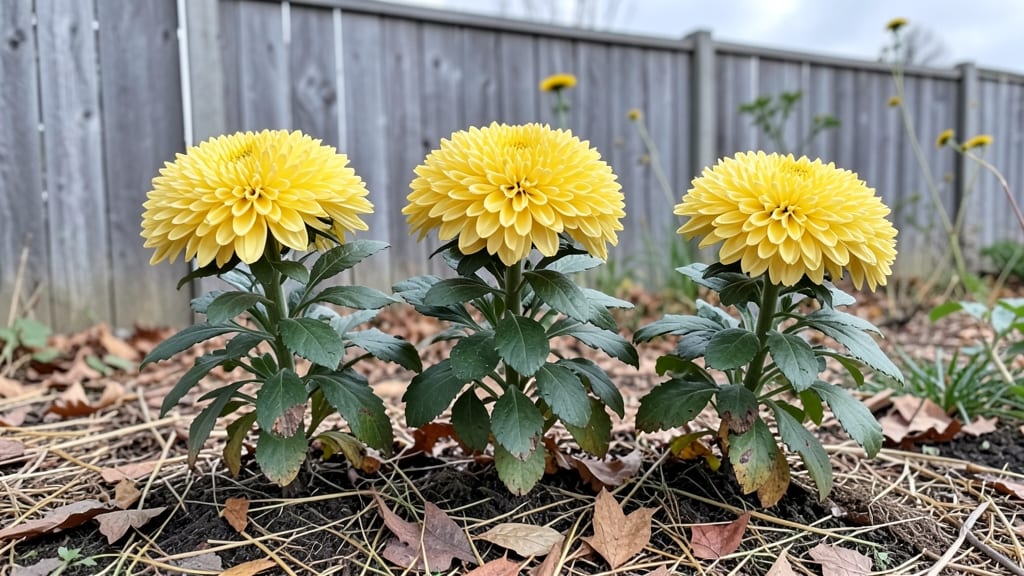
Fall garden flowers don’t just survive frost—they steal the show. 🌿 I’ve learned that the right late-season blooms can turn a garden into a jewel-toned masterpiece even as temperatures drop. The secret lies in choosing hardy varieties like mums, asters, and ornamental kale, which thrive when others fade.
Most people assume fall flowers need coddling, but these plants actually love cooler weather. They need well-draining soil, 6-8 hours of sunlight, and regular watering—though less than summer blooms.
My garden stays vibrant through November because I prep the soil with compost and mulch early, giving roots a fighting chance.
By late October, you’ll see bold colors that outshine summer’s pastels—deep reds, fiery oranges, and rich purples. These flowers also attract pollinators desperate for late-season nectar, making your garden a hub of activity. The best part? Many varieties self-seed, so next year’s display starts now.
Whether you’re working with containers or full beds, these flowers adapt easily. Just avoid overcrowding and deadhead spent blooms to encourage new growth. Your fall garden will be the envy of the neighborhood—until the snow flies.
📚 In This Guide
- What you need
- Instructions
- Tips and common mistakes
- Wrapping up and next steps
What you need
- ● Fall-blooming flower seeds or plants: 1–2 lbs of Mums (Chrysanthemums) (choose frost-tolerant varieties like 'Bonnevier' or 'Dynasity')
- ● 5–10 Asters (e.g., 'Alma Potschke' or 'Patriot') – 1 plant per 12" spacing
- ● 3–5 Goldenrods (e.g., 'Fireworks' or 'Solidago') – 1 plant per 18" spacing
- ● 1–2 Sedum (e.g., 'Autumn Joy' or 'Angelina') – 1 plant per 18" spacing
- ○ Optional: Ornamental kale or pansies for extra color (1–2 plants per 6" spacing)
- ● Soil amendments: 5 lbs compost or aged manure (per 10 sq ft)
- ● 1 cup slow-release fertilizer (10-10-10 or 5-10-5 ratio)
- ● Tools: Hand trowel or transplanting spade
- ● Garden gloves (1 pair)
- ● Watering can or hose with adjustable nozzle
- ● Pruners (for deadheading or shaping)
- ● Mulch (2–3 inches of straw or shredded leaves)
- ● Sunlight: Full sun (6+ hours/day) for most flowers; partial shade (3–6 hours) for delicate varieties like pansies.
- ● Hardiness zone: Most fall flowers thrive in Zones 3–9 (check seed packets for specifics).
- ● Planting time: Seeds: 8–10 weeks before first frost (late summer for most regions).
- ● Transplants: 6–8 weeks before frost (early to mid-fall).
- ● Watering: Keep soil evenly moist (1–1.5 inches per week) until roots establish (4–6 weeks).
- ○ Frost protection (optional): Frost cloth or row covers for tender varieties (e.g., pansies).
- ● Lightweight row covers for extended bloom time.
Step-by-Step guide to designing a frost-resilient fall flower garden
Here’s how to create a late-season garden that thrives even as temperatures drop.
🌱 Step 1: Select Frost-Tolerant Flower Varieties
Choose flowers known for their cold hardiness, like mums (Chrysanthemums), asters, pansies, and snapdragons. These varieties not only survive light frosts but often bloom more vibrantly in cooler weather. I always opt for late-blooming cultivars—look for labels specifying fall-blooming or frost-hardy traits. These plants will reward you with color well into November in many climates.
For added insurance, include ornamental kale or cabbage, which hold their deep purple, pink, and white hues even when temperatures dip below 30°F. These edible ornamentals double as both flowers and foliage, making them a practical choice for late-season gardens. Plant them in clusters of 3-5 for maximum impact, spacing them 12-18 inches apart to allow airflow and prevent fungal issues.
🪴 Step 2: Prepare the Soil for Cold-Weather Growth
Amend your garden beds with 2-3 inches of compost to improve drainage and provide essential nutrients. Fall gardens benefit from well-draining soil because cold, wet conditions can lead to root rot. I mix in a slow-release fertilizer (like 10-10-10) at half strength to avoid overfeeding, which can stress plants as they prepare for dormancy.
Test your soil’s pH—most fall flowers prefer a slightly acidic to neutral range (6.0-7.0). If your soil is heavy clay, incorporate sand or perlite to lighten the texture. This ensures roots stay warm and dry, which is critical as temperatures drop. Water the amended soil deeply before planting to help settle the mix and eliminate air pockets.
☀️ Step 3: Plant with Strategic Placement for Sun and Shelter
Position frost-hardy flowers where they’ll receive at least 4-6 hours of sunlight daily, even as days shorten. A south-facing bed gets the most light, but west-facing spots also work well. I group taller varieties like asters at the back, medium-height snapdragons in the middle, and low-growing pansies or ornamental kale in the front for a layered look.
For extra protection, plant near shrubs, walls, or fences that act as windbreaks. Cold winds can damage delicate blooms, so a sheltered spot extends the season by 2-4 weeks. Mulch heavily with 2-3 inches of straw or shredded leaves after planting to insulate roots from temperature swings. This mulch layer also retains moisture, reducing the need for winter watering.
💧 Step 4: Adjust Watering for Cooler Temperatures
Water deeply once a week in fall, adjusting based on rainfall. The goal is to keep soil evenly moist but not soggy—overwatering in cold weather stresses roots. I check moisture by pushing my finger 1 inch into the soil; if it’s dry, it’s time to water. Early mornings are the best time to water, as this allows foliage to dry before evening dew forms, reducing fungal risks.
As temperatures drop below 40°F, reduce watering slightly but avoid letting soil dry out completely. Frost-hardy flowers still need hydration, but their growth slows, so they require less. Use a soaker hose or drip irrigation to deliver water directly to the roots, minimizing evaporation and keeping leaves dry. This method also prevents soil compaction from heavy watering.
✂️ Step 5: Deadhead and Protect as Frost Approaches
Deadhead spent blooms regularly to encourage new flower production right up until the first hard frost. For mums and asters, this means pinching off faded blooms with your fingers or clean pruners. I always leave a few spent blooms on pansies and snapdragons—they often rebloom in spring if the plant survives winter.
When nighttime temperatures dip to 25°F or lower, cover tender flowers with frost cloth or lightweight row covers at dusk. Secure the edges with bricks or stakes to prevent wind damage. Remove covers in the morning to allow sunlight and airflow. This simple trick can extend blooming by 3-4 weeks in marginal climates. For extra protection, add a thin layer of mulch over the soil surface before the first frost.
Tips & tricks for perfect fall garden flowers
A few strategic moves can make all the difference in keeping your late-season garden vibrant through frost.
Sunlight Strategy: In Step 3, when positioning your flowers for 4-6 hours of sunlight daily, consider adding a reflective surface like light-colored gravel or a mirror near north-facing beds. This bounces extra light onto plants that might otherwise struggle in shorter autumn days. I’ve found this trick extends the blooming window by 1-2 weeks for marginal spots. For west-facing beds, prioritize asters and snapdragons—they handle afternoon sun better than pansies, which can scorch in intense late-day rays.
Soil Insulation: The 2-3 inches of compost you add in Step 2 isn’t just about nutrients—it’s your first line of defense against temperature swings. For extra insulation, mix in 1-2 inches of coarse sand (like perlite) into your clay-heavy soils. This creates tiny air pockets that act like a thermal blanket, keeping roots 5-10°F warmer during cold snaps. I’ve seen this make the difference between wilted pansies and thriving ones when temps dip to 30°F.
Deadheading Technique: When deadheading in Step 5, don’t just snip—pinch! Using your thumb and forefinger to crush the stem 1 inch below the bloom (rather than cutting) encourages bushier growth. This method also prevents fungal entry points that can occur with clean cuts. For pansies and snapdragons, leave 2-3 spent blooms per stem—they’ll often produce a final burst of color before winter.
Frost Protection Hack: If you’re using frost cloth (as mentioned in Step 5), secure it with bricks or landscape pins—but leave the edges loose. This creates a 1-inch gap that allows heat to escape during the day, preventing condensation buildup that can lead to fungal issues. For 25°F nights, I double up on protection by adding a thin layer of clear plastic sheeting over the frost cloth during the coldest hours, then removing it in the morning.
Pro Tips for Fall Garden Flowers
- A few strategic moves can make all the difference in keeping your late-season garden vibrant through frost.
- Sunlight Strategy: In Step 3, when positioning your flowers for 4-6 hours of sunlight daily, consider adding a reflective surface like light-colored gravel or a mirror near north-facing beds.
- Soil Insulation: The 2-3 inches of compost you add in Step 2 isn’t just about nutrients—it’s your first line of defense against temperature swings.
Frequently asked questions
Got questions about bringing late-season magic to your garden? Here are answers to the most common concerns about fall garden flowers—from timing to troubleshooting!
When is the best time to plant fall flowers?
For most cool-season blooms (like mums, asters, or pansies), aim to plant 6-8 weeks before your first frost. In warmer climates, late summer (August-September) works best. Check your USDA Plant Hardiness Zone for local guidance—early planting gives roots time to establish before winter chill sets in.
Can fall flowers survive light frost?
Many fall favorites are frost-tolerant! Hardy perennials like sedum and heuchera often thrive with a dusting of frost, while annuals (e.g., pansies) may wilt but bounce back. Mulch lightly around bases to protect roots. Avoid heavy frost—it can damage tender blooms like marigolds.
What’s a low-maintenance fall flower alternative?
If you’re short on time, try ornamental kale or Russian sage—both need minimal care and pack bold color. For instant impact, pre-planted fall containers (with mums + dusty miller) skip the hassle. Even winter aconite (a hardy early bloomer) pops up with almost no effort!
How do I keep pests away from my fall garden?
Slugs and aphids love tender fall blooms! Prevent with copper tape around pots or diatomaceous earth. Spot-treat with soapy water for aphids. For slugs, handpick at dawn or use beer traps (bury a shallow dish filled with beer—it works!). Healthy soil (rich in compost) also boosts plant resilience.
Will my fall flowers come back next year?
Annuals (like calendulas) die with frost, but many perennials (e.g., black-eyed Susans, coneflowers) return stronger if you cut back stems in late fall. For a no-fail strategy, mix both—plant perennials for long-term color and annuals for seasonal pops.
Still stumped? Drop your question below—we’re happy to help your garden bloom brighter this fall!
Wrapping up and next steps
Fall garden flowers prove that late-season beauty isn’t just possible—it’s thrilling. From hardy mums to delicate asters, these blooms bring warmth and charm even as temperatures drop. Whether you’re a seasoned gardener or just starting, your garden can stay vibrant with the right choices and care.
Ready to extend your garden’s magic? Start small—pick one or two of these frost-defying flowers and plant them this week. Watch your outdoor space transform into a cozy, colorful haven, and don’t forget to share your progress with fellow gardeners! 🌸