Landscaping
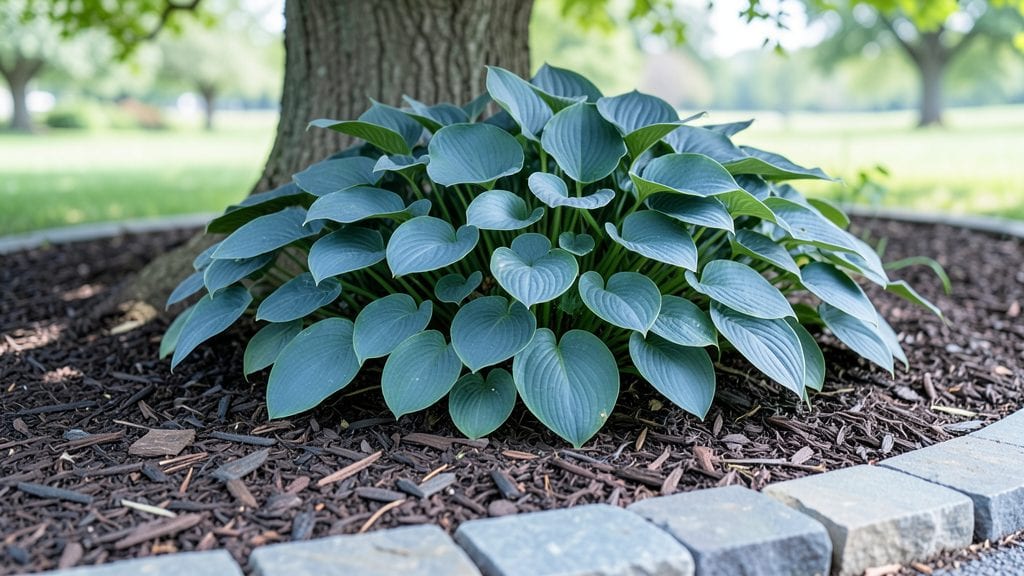
Explore these flower bed ideas around trees to turn your yard’s bare patches into vibrant, multi-layered displays that make your landscape shine. 🌿 The key? Choosing shade-tolerant perennials, evergreens, and seasonal bloomers that thrive without stealing sunlight from your tree’s roots.
My first attempt used only sun-loving annuals—until I learned the hard way that ferns and hostas actually flourish where others fail.
Start with a 3-foot-wide band of mulch to protect roots while keeping weeds at bay. Underneath, mix in compost to improve soil drainage, especially if your tree’s roots compete for moisture.
For texture, add small rocks or gravel near the tree trunk, then layer in drought-resistant ground covers like creeping phlox or ajuga to fill gaps. This creates a natural transition from tree to flowers without smothering either.
By summer, you’ll see lush foliage spilling over the edges, with blooms from spring bulbs, summer perennials, and fall mums keeping color year-round. The before-and-after difference is shocking—what looked like wasted space becomes a thriving, low-maintenance focal point that draws neighbors in for a closer look.
Works for any tree size or yard style, from formal gardens to wild, cottage-inspired beds. The secret? Less is more—let the tree’s shape guide your plant choices, and you’ll create a design that feels intentional, not forced.
📚 In This Guide
- What you need
- Instructions
- Tips and common mistakes
- Wrapping up and next steps
What you need
- ● Soil & Mulch: Topsoil (2–3 bags, ~1 cubic yard total)
- ● Compost or organic mulch (1–2 bags, ~1 cubic foot)
- ● Mulch (pine straw, shredded bark, or cypress, 1–2 bags)
- ● Plants: Perennials (e.g., hostas, ferns, or daylilies—5–10 plants)
- ● Shrubs (e.g., hydrangeas or boxwoods—2–4 plants)
- ● Bulbs (e.g., daffodils or tulips—10–20 bulbs)
- ● Ground cover (e.g., creeping thyme or ajuga—10–15 plants)
- ● Edging & Borders: Landscape fabric (1 roll, 3–4 feet wide)
- ● Edging material (metal, plastic, or stone—10–20 feet)
- ● Tools: Garden shovel or spade
- ● Garden fork (for aerating soil)
- ● Pruners (for trimming plants)
- ● Rake (for leveling soil)
- ● Wheelbarrow (for hauling materials)
- ● Gloves & knee pads (for comfort!)
- ● Decorative stones or pebbles (for a polished look)
- ● Solar-powered landscape lights (to highlight your bed at night)
- ● Drip irrigation system (for low-maintenance watering)
- ● Fertilizer (slow-release or organic, 1–2 bags)
- ● Tree guards (if protecting young trees from foot traffic)
Step-by-step guide to designing flower beds around trees
Here’s how to create stunning, low-maintenance beds that highlight your trees while protecting their roots.
🌿 Step 1: Assess the Tree’s Roots and Space
Start by mapping the tree’s root zone—most roots spread 2-3 times the tree’s canopy width. Avoid planting directly over large roots or within the drip line (where leaves extend). Use a tape measure to mark a 2-3 foot radius from the trunk as the "no-plant" zone. This prevents root competition and keeps the tree healthy.
Next, measure the bed’s circumference. For a 4-foot-wide band around the tree, you’ll need roughly 12-15 square feet of planting area per tree. Sketch a rough outline with garden stakes and string to visualize the space before digging. This ensures your design fits the tree’s scale and your yard’s layout.
🪴 Step 2: Choose Layers for Depth and Texture
Layer plants by height to create visual interest and reduce maintenance. Start with ground covers (like creeping phlox or ajuga) in the inner ring, then add mid-height perennials (such as hostas or astilbes) in the middle. Finish with tall shrubs or grasses (like ornamental grasses or hydrangeas) at the outer edge. This arrangement mimics natural ecosystems and keeps the tree as the focal point.
Select drought-tolerant plants for the inner ring, as this area gets the least rain. For example, sedum or heuchera thrive with minimal water and won’t compete with the tree’s roots. Avoid plants that produce invasive runners (like mint or bamboo), which can strangle the tree over time. Always check each plant’s mature size to prevent overcrowding.
☀️ Step 3: Prepare the Soil and Plant Strategically
Loosen the soil in the bed to a depth of 6-8 inches, removing any weeds or rocks. Mix in 2-3 inches of compost to improve drainage and fertility, especially if your soil is clay-heavy. For trees with shallow roots (like maples or oaks), use a soil aerator to avoid damaging them. Water the amended soil deeply before planting to help roots establish.
Dig holes twice as wide as the plant’s root ball but only as deep. Place each plant so the top of the root ball sits level with the surrounding soil—burying too deep can suffocate roots, while planting too high causes stress. Space plants 12-18 inches apart for ground covers and 2-3 feet apart for perennials. Mulch with 2-3 inches of shredded bark, keeping it 3-4 inches away from the trunk to prevent rot.
✂️ Step 4: Maintain with Minimal Effort
Water newly planted beds deeply 2-3 times per week for the first month, then taper to once a week once established. Use a soaker hose to deliver moisture directly to the roots without wetting the trunk. In the first year, monitor for yellowing leaves or wilting, which may signal overwatering or poor drainage. Adjust your watering schedule accordingly.
Prune plants annually in early spring to remove dead foliage and encourage new growth. Trim overgrown ground covers 2-3 times per season to maintain their shape. Avoid heavy pruning in late summer, as it can stress plants before winter. Fertilize lightly in early spring with a balanced, slow-release formula (10-10-10) to support root development without overstimulating growth.
🌱 Step 5: Seasonal Adjustments for Year-Round Beauty
In spring, add bulbs like daffodils or tulips to the outer layer for early blooms. These naturalize well and provide color before perennials emerge. In summer, incorporate heat-tolerant annuals (like lantana or salvia) in containers at the bed’s edges for a pop of color. Swap these out in fall for mums or ornamental kale to extend the season.
Fall is the best time to divide and transplant overgrown perennials. Choose evergreen shrubs (like boxwood or holly) for the outer layer to provide winter interest. Mulch again in late fall with 3-4 inches of shredded leaves or pine straw to insulate roots during cold snaps. This layered approach ensures your flower bed remains vibrant and low-maintenance year after year.
Tips & tricks for perfect flower beds around trees
These landscape design secrets will help you create a harmonious, low-maintenance flower bed that complements your trees beautifully.
Root Zone Strategy: The 2-3 foot radius "no-plant" zone around your tree's trunk is non-negotiable for healthy growth. I've seen too many well-intentioned gardeners plant directly over roots, only to watch their trees struggle years later. Use a garden flag to mark this boundary clearly before digging—it's a small step that prevents big problems down the road.
Layering Technique: When creating your 4-foot-wide band, think vertically first. Start with ground covers like creeping phlox in the inner ring—they'll spread beautifully without competing with the tree's roots. The middle layer with hostas or astilbes should be spaced 2-3 feet apart, while your outer ornamental grasses can handle the 12-18 inch spacing. This vertical progression creates natural depth that draws the eye upward toward the tree canopy.
Soil Preparation: Don't skip the 6-8 inch soil loosening in Step 3—this is where you set up long-term success. For clay-heavy soils, I recommend mixing in 2-3 inches of compost AND a handful of perlite to improve drainage. The key is to create a loose, aerated environment that mimics the tree's natural forest floor conditions. This small investment prevents waterlogging and root rot that can silently kill your plants.
Seasonal Plant Rotation: Your spring bulbs, summer annuals, and fall mums create a continuous color show—but timing matters. Plant daffodils in early fall (6-8 weeks before first frost) so they establish roots before spring blooming. For summer containers, swap out heat-tolerant annuals every 6-8 weeks to maintain vibrant color without overcrowding. This rotating approach keeps your design fresh while minimizing maintenance.
Pro Tips for Flower Bed Ideas Around Trees
- These landscape design secrets will help you create a harmonious, low-maintenance flower bed that complements your trees beautifully.
- Root Zone Strategy: The 2-3 foot radius "no-plant" zone around your tree's trunk is non-negotiable for healthy growth.
- Layering Technique: When creating your 4-foot-wide band, think vertically first.
Frequently asked questions
Got questions about designing flower beds around trees?
You’re not alone! Here are some of the most common concerns—and their practical solutions—to help you create a stunning, low-maintenance landscape.
What’s the best way to protect a tree’s roots while planting flowers nearby?
Keep roots safe by planting flowers at least 3–6 feet away from the tree trunk (depending on the tree’s size). Use mulch (wood chips or straw) to retain moisture and shield roots from temperature swings. Avoid piling mulch directly against the trunk—leave a 2–3 inch gap to prevent rot.
When is the ideal time to plant flowers around trees?
The best times are early spring or fall, when soil is workable and temperatures are mild. Avoid planting in summer heat or winter frost, as extreme conditions stress plants. If using bulbs, plant them in late fall for spring blooms.
Can I use ground covers instead of flowers for a low-maintenance look?
Ground covers like creeping thyme, hostas, or ivy suppress weeds, retain soil moisture, and add texture. Choose shade-tolerant varieties for under trees. Just ensure they won’t strangle the tree’s roots as they grow.
What should I avoid when planting near trees?
Steer clear of:
- Competitive plants (like large shrubs) that steal water/nutrients.
- Heavy mulch piles against the trunk (causes rot).
- Compacted soil—amend with compost to improve drainage.
- Overwatering—trees and flowers have different needs!
How do I keep pests (like ants or aphids) out of my tree-flower combo?
Prevent pests with neem oil sprays or beneficial insects (like ladybugs). Choose pest-resistant flowers (e.g., marigolds or lavender). For ants, create a barrier of diatomaceous earth around the base. Regularly inspect leaves for early signs of infestation.
Wrapping up and next steps
Transforming the space around your trees into a vibrant flower bed doesn’t just enhance curb appeal—it creates a thriving, layered ecosystem that brings joy every season. From mulching to seasonal swaps, the key is balancing beauty with practicality, ensuring your plants and your tree stay happy. 🌿✨
Ready to roll up your sleeves? Start small—pick one tree and one design idea from this guide, then build from there. Before you know it, your yard will be the envy of the neighborhood, one petal at a time! Happy planting!