
Lawn
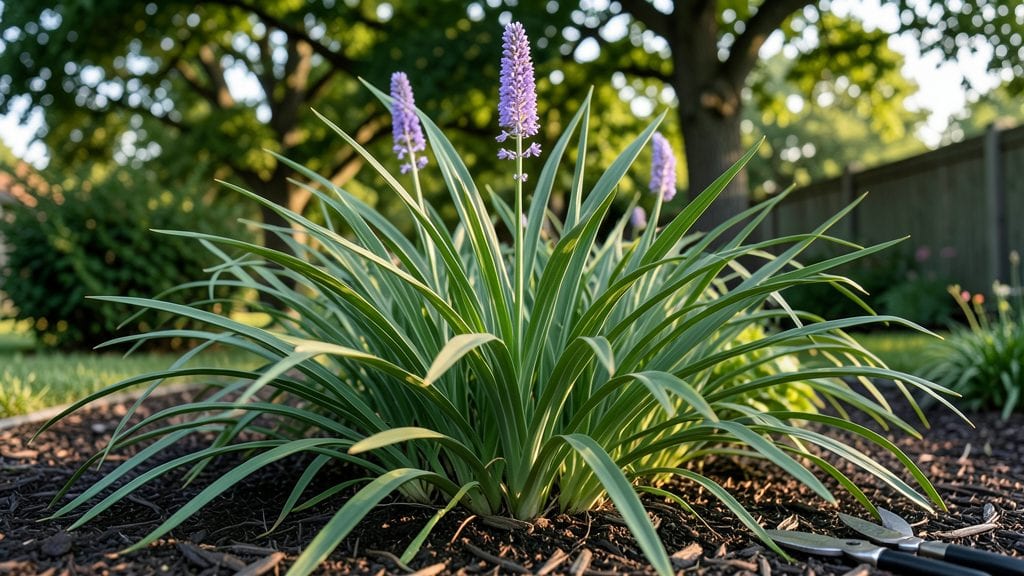
A monkey grass border transforms any flower bed from ordinary to striking with minimal effort. 🌿 I've used it to soften sharp garden edges and create a natural transition between lawn and blooms—it's the secret weapon for adding structure without sacrificing beauty.
The key is pairing it with the right plants to let its upright form shine while keeping maintenance simple.
This border thrives with sun to partial shade and needs just 12-18 inches of space to spread naturally. Pair it with lavender for contrast, black-eyed Susans for height, or hostas for texture—the combinations are endless.
In my own garden, the grass stays green all winter, while the perennials around it burst with color each spring.
You'll love how it blocks weeds effortlessly while adding movement to your design. The grass grows 2-3 feet tall, creating a living screen that feels intentional.
Once established, it needs only occasional trimming—no fuss, just function. The best part? It works in modern, cottage, or formal gardens, adapting to any style.
For a modern look, keep the border tight and pair with sleek perennials. For cottage charm, let it mingle with wildflowers and roses. Either way, the grass adds year-round interest that other borders can't match. Ready to elevate your flower bed with this easy, elegant solution?
📚 In This Guide
- What you need
- Instructions
- Tips and common mistakes
- Wrapping up and next steps
What you need
- ● Main Plant: Monkey grass (Liriope muscari or Liriope spicata) – 10–20 plants (depending on border length; space 12–18 inches apart). Choose variegated or solid green varieties for contrast.
- ○ Companion Plants (Optional but Recommended): Perennials (e.g., Heuchera, Sedum, or Carex) – 5–10 plants for texture and color.
- ● Annuals (e.g., Impatiens or Coleus) – 3–5 plants for seasonal pops of color.
- ● Soil & Amendments: Well-draining garden soil (avoid heavy clay).
- ● Compost (1–2 bags) to enrich the soil.
- ● Organic mulch (e.g., shredded bark or pine straw) – 2–3 cubic feet to retain moisture.
- ● Tools: Garden trowel or spade.
- ● Garden gloves (to protect your hands!).
- ● Measuring tape or string line (for straight borders).
- ● Pruners (for trimming monkey grass as it grows).
- ● Watering can or hose with a gentle spray nozzle.
- ○ Optional: Edging tool (for clean lines) or landscape fabric (to suppress weeds).
- ● Prerequisites: A sunny to partially shaded spot (monkey grass thrives in 4–6 hours of sunlight).
- ● Access to water (for the first 2–3 weeks post-planting).
- ● Time of year: Plant in spring or early fall for best root establishment.
Step-by-step instructions for creating a monkey grass border
This border transforms any flower bed into a striking, textured edge that thrives with minimal effort.
🌱 Step 1: Choose and Prepare Your Monkey Grass Variety
Select Liriope muscari or Miscanthus sinensis for their bold, grass-like foliage that adds height and movement. I prefer Liriope for its dense, clumping habit and deep green blades that stay upright year-round. Buy bare-root plants in early spring for the best establishment, or container-grown plants anytime for instant impact.
Soak bare-root plants in lukewarm water for 2-3 hours before planting to rehydrate the roots. If using container-grown, gently loosen the root ball to encourage outward growth. Monkey grass thrives in USDA Zones 5-10, so check your climate—this isn’t a one-size-fits-all plant.
🪴 Step 2: Mark and Dig the Planting Line
Use a garden hose to outline your border where the monkey grass will go—this creates a clean, curved edge that looks intentional. I like to step back and adjust the line until it complements the flower bed’s shape. Dig a trench twice as wide as the root ball and 6 inches deep along your marked line.
Amend the soil with 2 inches of compost mixed into the bottom of the trench. Monkey grass tolerates poor soil but grows lushest in well-draining, slightly acidic conditions (pH 6.0-7.0). If your soil is heavy clay, add a handful of perlite to prevent root rot—this is the #1 mistake I see with new borders.
🌿 Step 3: Plant and Space for Fullness
Place each plant 12-18 inches apart—closer spacing fills in faster but may require thinning later. Dig a hole for each root ball, ensuring the crown sits at soil level (never buried). The top of the root ball should align with the surrounding ground to prevent rot or exposure. Tap the soil gently around the roots to eliminate air pockets.
Water deeply right after planting to settle the soil and remove any air gaps. You’ll know it’s right when water drains freely from the trench but the surface stays slightly damp. Mulch with 2 inches of shredded bark to suppress weeds and retain moisture—this keeps the border looking neat without constant weeding.
☀️ Step 4: Water and Maintain Through the First Season
Keep the soil evenly moist for the first 4-6 weeks, watering every 2-3 days until new growth appears. After establishment, reduce to once a week unless your region experiences drought or extreme heat. Monkey grass is drought-tolerant once established, but young plants need consistent moisture to root deeply.
Fertilize once in early spring with a balanced, slow-release fertilizer (10-10-10). Avoid high-nitrogen blends—they encourage leafy growth at the expense of root strength. In fall, trim back any brown or damaged foliage with clean, sharp pruners, cutting back to 2-3 inches above the ground. This promotes fresh spring growth and keeps the border tidy.
⏰ Step 5: Enjoy and Adjust for Long-Term Growth
After the first year, your monkey grass border will fill in naturally, creating a 3-4 foot tall, textured screen that softens hard edges. Divide clumps every 3-4 years in early spring to maintain density—simply dig up the outer sections and replant them along the border or share with neighbors. This keeps the border looking full and prevents overcrowding.
Watch for Japanese beetles in summer—they love monkey grass. Handpick them early in the day when they’re sluggish, or treat with neem oil if infestations occur. With minimal care, this border will outlast seasonal flowers, providing year-round structure and a low-maintenance privacy screen that’s easier to grow than most annuals.
Tips & tricks for perfect monkey grass border installation
These pro tips will help you create a flawless, long-lasting monkey grass border that stands out in any landscape.
Selection Tip: When choosing between Liriope muscari and Miscanthus sinensis, consider your climate and design needs. Liriope handles cooler zones better and stays compact, while Miscanthus thrives in heat but grows taller. I've found Liriope works best for formal borders, while Miscanthus adds dramatic movement to naturalistic designs.
Plant Preparation: The 2-3 hour soaking time for bare-root plants is crucial—it jumpstarts their growth and helps them recover from transplant shock. I like to add a splash of seaweed extract to the soaking water for extra nutrients. For container-grown plants, gently teasing the roots encourages outward growth, preventing that "root-bound" look that can stunt your border's spread.
Soil Amendments: Don't skip the compost in Step 2! The 2 inches mixed into your trench creates ideal conditions for root development. For heavy clay soils, blend in perlite to improve drainage—this prevents the #1 killer of new borders, root rot. I've seen borders fail spectacularly when planted in unamended clay, so take this step seriously. The slightly acidic pH (6.0-7.0) is worth testing if your soil is unknown.
Long-Term Maintenance: The 3-4 year division schedule keeps your border looking full without overcrowding. I recommend marking division spots with flags during the first growing season so you can easily identify which sections need attention. This prevents the "thin spots" that develop when people wait too long between divisions.
Pro Tips for Flower Bed Monkey Grass Border
- These pro tips will help you create a flawless, long-lasting monkey grass border that stands out in any landscape.
- Selection Tip: When choosing between Liriope muscari and Miscanthus sinensis, consider your climate and design needs.
- Plant Preparation: The 2-3 hour soaking time for bare-root plants is crucial—it jumpstarts their growth and helps them recover from transplant shock.
Frequently asked questions
What’s the best time of year to plant monkey grass for a border?
Plant monkey grass in early spring or late summer for the best results. This gives roots time to establish before winter (spring) or intense summer heat (late summer). Avoid planting in peak summer—the heat can stress young plants.
Can I use monkey grass as a standalone border, or does it need companions?
Monkey grass thrives solo as a textured, low-maintenance border, but pairing it with flower beds or shrubs adds color and height. Try lavender, salvia, or ornamental grasses for a cohesive look. Just ensure companions have similar water needs!
How do I prevent monkey grass from spreading too aggressively?
Monkey grass is moderately invasive. To control it:
- Trim regularly (every 4–6 weeks) to shape and slow lateral spread.
- Install a root barrier (buried 12–18 inches deep) if planting near walkways or gardens.
- Divide clumps every 2–3 years to refresh growth.
What’s a good alternative if monkey grass isn’t hardy in my climate?
If your zone is below 5 or above 9, try these monkey grass doubles:
- Maiden grass (Miscanthus sinensis) – Cold-hardy and architectural.
- Fountain grass (Pennisetum alopecuroides) – Drought-tolerant and clumping.
- Blue fescue (Festuca glauca) – Dwarf, evergreen, and salt-tolerant.
How often should I water new monkey grass plants?
Keep soil consistently moist (not soggy) for the first 4–6 weeks after planting. After establishment, water deeply 1–2 times per week (or when the top 2 inches of soil dry out). Once mature, monkey grass is drought-tolerant—just reduce watering in winter.
What tools do I need to maintain a monkey grass border long-term?
Stock up on these essentials:
- Sharp pruners or hedge shears for trimming.
- Gloves and long sleeves (monkey grass has tiny barbs!).
- Edging tool to keep borders neat.
- Mulch (like pine straw) to suppress weeds and retain moisture.
Wrapping up and next steps
A flower bed monkey grass border is your ticket to a stunning, low-maintenance privacy screen that thrives with minimal effort. This versatile, drought-tolerant grass adds texture, height, and year-round interest while keeping weeds at bay—perfect for busy gardeners who still crave curb appeal. 🌿✨
Ready to transform your space? Start by sketching your design, gathering supplies, and planting with confidence. Whether you’re framing a flower bed or creating a lush hedge, your garden will thank you for the upgrade!