
Flowers
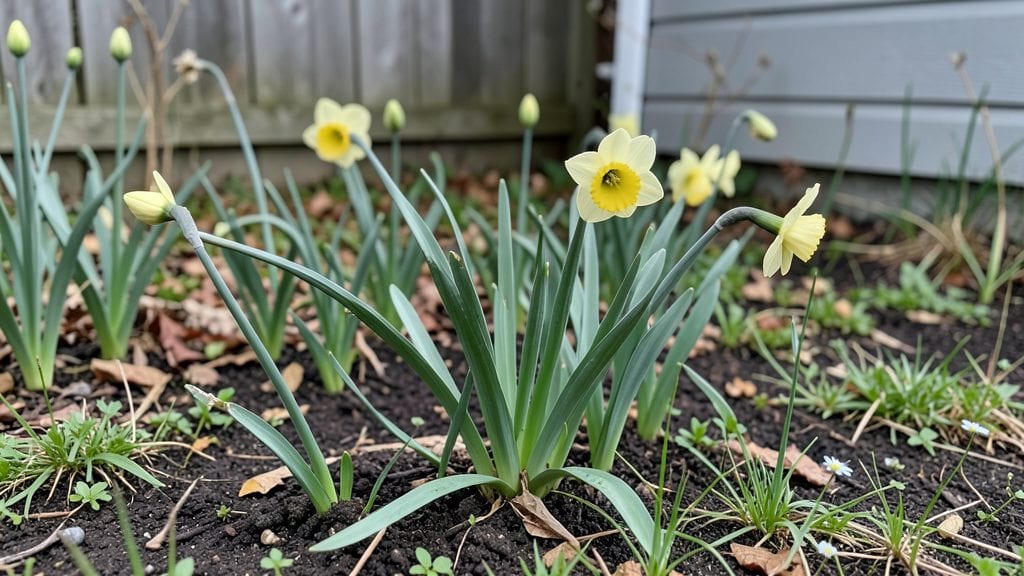
Growing Flower Drift daffodils means waking up to a cascade of golden-yellow blooms that spill over garden edges like liquid sunshine. ✨ These aren't your grandma's stiff daffodils—they're a perennial with a natural, drift-like habit that turns borders into effortless beauty.
My first batch bloomed for six weeks straight, and I haven't looked back since.
The secret to their care is simple: plant bulbs in fall (zones 3-8), in well-draining soil with morning sun and afternoon shade. They thrive on neglect—water only when the top inch of soil dries, and fertilize once in early spring.
No staking, no fuss, just zero-maintenance blooms that multiply yearly. Perfect for cottage gardens, containers, or even under trees where others fail.
You'll end up with 3-4 inch flowers that nod gently in the breeze, creating a soft, romantic drift effect. Pair them with lavender for height contrast or let them spill over stone walls for a fairy-tale look.
The best part? They naturalize beautifully, giving you more blooms each year with no extra work.
Whether you're a first-time gardener or a seasoned pro, these daffodils deliver reliable cheer with almost no effort. Let's get those bulbs in the ground before winter arrives—your spring garden will thank you.
📚 In This Guide
- What you need
- Instructions
- Tips and common mistakes
- Wrapping up and next steps
What you need
- ● Flower Drift Daffodil Bulbs: 10–20 bulbs (depending on desired coverage; more = denser blooms!)
- ● Well-draining potting mix or garden soil: 5–10 gallons (amend with compost for extra nutrients)
- ● Container or garden bed: Containers: 12–18" deep pots with drainage holes (1–2 bulbs per 6" of pot diameter)
- ● Garden beds: Full sun to partial shade (6+ hours of light daily)
- ○ Slow-release bulb fertilizer: 1 tbsp per bulb (optional but recommended for first planting)
- ● Watering can or hose with gentle spray nozzle
- ● Garden trowel or bulb planter (for digging holes)
- ● Measuring tape or ruler (to ensure proper bulb depth)
- ● Gloves (to keep hands clean while handling soil)
- ○ Mulch (optional): Straw or shredded bark (1–2" layer to retain moisture)
- ● Timing: Plant bulbs in fall (6–8 weeks before first frost) for spring blooms.
- ● Climate check: Hardy in USDA Zones 3–10 (adjust watering in extreme heat/drought).
- ● Sunlight assessment: Ensure your spot gets at least 6 hours of sunlight daily.
Step-by-step instructions for planting flower Drift daffodils
Here’s how to plant these low-maintenance beauties for vibrant blooms year after year.
🌱 Step 1: Choose the Perfect Planting Location
Flower Drift daffodils thrive in full sun to partial shade—at least 6 hours of sunlight daily—but they tolerate light shade in hot climates. Avoid soggy spots; their bulbs rot easily in waterlogged soil. I dig a shallow trench where water drains quickly, like a gentle slope or raised bed.
Test your spot by pressing a finger into the soil: it should feel loose and crumbly, not compacted. If your soil is heavy clay, mix in 2-3 inches of compost to improve drainage. The bulbs will reward you with bold, cheerful blooms that naturalize effortlessly over time.
🪴 Step 2: Plant Bulbs at the Right Depth and Spacing
Dig holes 6 inches deep—about 3 times the height of the bulb—and space them 4-6 inches apart in rows. Flower Drift daffodils multiply aggressively, so wider spacing gives them room to spread without overcrowding. I use a trowel to mark planting spots in a grid pattern for neat, uniform clusters.
Place each bulb pointy end up (the roots will grow downward naturally). Cover with soil, then water gently to settle it around the bulbs. Avoid pressing down too hard—you want the soil to stay loose for root development. A light mulch of 2-3 inches of shredded bark helps retain moisture and suppress weeds.
☀️ Step 3: Water and Fertilize for Strong Growth
Water deeply once a week after planting until the foliage yellows in late spring. Flower Drift daffodils store energy in their bulbs, so consistent moisture encourages robust blooms next season. I check soil moisture by digging down 2 inches—if it’s dry, it’s time to water.
Apply a balanced, slow-release fertilizer (10-10-10) at planting time, then again in early spring when shoots emerge. Avoid high-nitrogen fertilizers—they promote leafy growth at the expense of flowers. Once blooming starts, switch to a low-nitrogen, high-phosphorus formula (5-10-10) to support flower production.
⏰ Step 4: Maintain Through the Growing Season
Let the foliage die back naturally after blooming—don’t cut it until it turns completely yellow. This process recharges the bulbs for next year’s flowers. I mark the spots with small flags so I remember where they are and avoid disturbing them.
In late summer, add a 2-inch layer of compost around the plants to replenish nutrients. Flower Drift daffodils are drought-tolerant once established, but they reward extra care with bigger, brighter blooms. If you notice yellowing leaves before the season ends, it’s a sign of overwatering or poor drainage—adjust your care routine accordingly.
✂️ Step 5: Divide and Multiply Every 3-4 Years
When clumps grow too large, dig up the bulbs in early fall (September-October) and separate the offsets. I gently tease apart the bulbs with my fingers, ensuring each has a healthy root system. Replant the larger bulbs immediately in fresh soil, and use the smaller ones to fill gaps or share with friends.
Flower Drift daffodils spread quickly, so dividing keeps them vibrant. If left undisturbed, they’ll eventually form a dense carpet of blooms. Just be patient—it takes about 3 years for a newly planted bulb to reach its full flowering potential. The wait is worth the show!
Tips & tricks for perfect flower Drift daffodil planting
Here’s what I’ve learned after years of growing these cheerful bloomers—simple secrets that make all the difference.
Soil Test Tip: Before planting, do a quick soil test by pressing your finger into the earth. If it feels compacted or sticky, mix in 2-3 inches of compost to loosen it up. Flower Drift daffodils hate soggy soil—their bulbs need that loose, crumbly texture to thrive. Think of it like giving your bulbs a fluffy pillow to nestle into.
Planting Precision: When creating those 6 inches deep holes, use a trowel to mark planting spots in a grid pattern before digging. This keeps your rows neat and prevents overcrowding as these aggressive growers multiply. I’ve seen clumps spread into dense carpets when given space—it’s like watching a living rug grow!
Watering Wisdom: That once-a-week watering guideline works best when you check soil moisture by digging down 2 inches. If it’s dry, water deeply until moisture reaches those roots. Overwatering is the #1 killer of daffodil bulbs—think "consistent but not soggy."
Fertilizer Strategy: Stick with that 10-10-10 balanced formula at planting, but here’s the pro move: switch to 5-10-10 when blooms appear. The lower nitrogen prevents leafy growth at the expense of flowers. I’ve seen daffodils with lush foliage but tiny blooms—don’t let that happen to yours!
Pro Tips for Flower Drift Daffodil
- Here’s what I’ve learned after years of growing these cheerful bloomers—simple secrets that make all the difference.
- Soil Test Tip: Before planting, do a quick soil test by pressing your finger into the earth.
- Planting Precision: When creating those 6 inches deep holes, use a trowel to mark planting spots in a grid pattern before digging.
Frequently asked questions
What’s the best time to plant Flower Drift daffodils?
Plant them in fall (6–8 weeks before the first frost), ideally between October and December. This timing ensures roots establish before winter, giving you vibrant blooms next spring. Pro tip: If you miss fall, you can plant in early spring—but expect slightly delayed flowering.
Do Flower Drift daffodils come back every year?
These perennial beauties thrive for years with minimal care. After their first bloom, they’ll naturalize (spread and multiply) in grassy areas or garden beds. Just leave the foliage until it yellows—this feeds the bulb for next year’s show.
How do I protect Flower Drift daffodils from pests or diseases?
Daffodils are pest-resistant, but squirrels or deer might snack on bulbs. Use chicken wire or plant in containers if critters are a concern. For fungal issues (rare), improve drainage and avoid overhead watering. Fun fact: Their bitter sap deters most bugs!
Can I grow Flower Drift daffodils in containers or small spaces?
Yes! They’re perfect for pots, window boxes, or even hanging baskets. Use well-draining soil and a container at least 6 inches deep. Group 3–5 bulbs together for a fuller look. Bonus: Container-grown daffodils can be moved to brighten patios or decks when in bloom.
What’s the secret to making Flower Drift daffodils bloom bigger?
Prioritize sunlight (6+ hours/day) and rich, well-draining soil. Add a balanced fertilizer (like 10-10-10) in early spring after foliage emerges. Avoid overwatering—damp bulbs rot! Deadhead spent blooms, but never cut foliage until it yellows.
What if my Flower Drift daffodils don’t bloom?
No blooms? Check these fixes:
- Too much shade: Move to sunnier spot.
- Overcrowded bulbs: Divide clumps every 3–4 years.
- Improper watering: Keep soil moist but not soggy.
- Young bulbs: Give them 1–2 years to mature.
Wrapping up and next steps
Growing flower drift daffodils is your ticket to effortless, year-round beauty—no green thumb required! These hardy blooms thrive with minimal care, rewarding you with vibrant colors and cheerful charm.
Whether you’re a seasoned gardener or a newbie, their resilience and low-maintenance nature make them the perfect addition to any yard or container.
Ready to drift into spring? Grab your bulbs, pick a sunny spot, and let nature do the rest. Plant yours today—your future garden will thank you! 🌸