
Planting
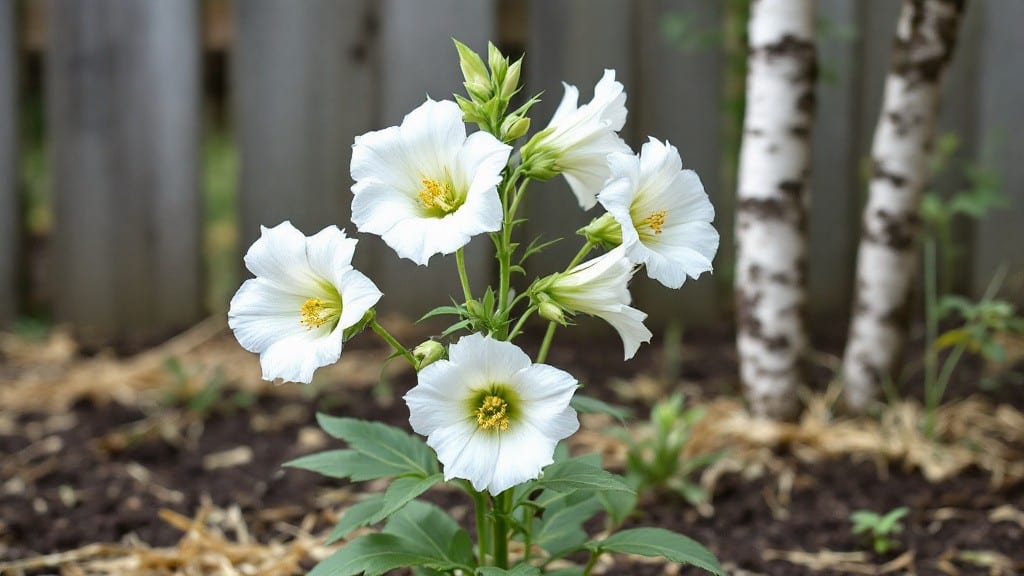
Creating a frost-proof white flower garden in the Pacific Northwest starts with the right plants—ones that thrive in cool, damp climates and bloom reliably from spring to fall. 🌸 I’ve tested varieties like hardy white lilies, Shasta daisies, and Siberian bugloss, all of which survive our chilly winters and still put on showstopping displays.
The secret isn’t just picking the right flowers; it’s matching them to your microclimate, whether that’s a sunny border, a shaded woodland edge, or a wind-swept seaside garden.
You’ll need well-draining soil amended with compost (the PNW’s heavy clay can be tricky), consistent moisture without soggy roots, and a spot that gets at least 6 hours of sunlight daily—though some white bloomers, like asters, tolerate partial shade.
Mulch heavily in winter to protect roots from freeze-thaw cycles, and choose varieties known for their resilience, like ‘Stargazer’ lilies or ‘Alaska’ white roses, which handle our region’s unpredictable weather like pros.
By late summer, your garden will be a cascade of pure white blooms, from delicate daisies to bold lilies, all humming with pollinators. The contrast against evergreen foliage or deep greens creates a serene, timeless look—perfect for cutting arrangements or just enjoying from your patio.
Even in rainy seasons, these plants stay lush and productive with the right care.
Whether you’re a beginner or a seasoned gardener, this approach works for containers, borders, or large landscapes. The key is patience and preparation—start with disease-resistant varieties, space plants for airflow, and don’t skimp on organic matter in the soil.
Your white garden will reward you with years of effortless beauty, no matter what the PNW throws at it.
📚 In This Guide
- What you need
- Instructions
- Tips and common mistakes
- Wrapping up and next steps
What you need
- ● White-flowering plant: 1-2 Heuchera (Coral Bells), Ligularia (Ragwort), Helleborus (Lenten Rose), or Symphyotrichum (Aster) (frost-hardy varieties recommended).
- ● OR Seeds of your chosen white-blooming perennial (e.g., Achillea (Yarrow) or Leucanthemum (Shasta Daisy)).
- ● Soil: 1 bag (50 lbs) of well-draining, organic potting mix (amend with compost for moisture retention).
- ● Container or garden bed: For containers: 1-2 12-inch+ pots with drainage holes (terracotta or fabric).
- ● For in-ground: A 6-inch-deep, 12-inch-wide hole per plant (or a prepared bed with 18+ inches of spacing between plants).
- ● Fertilizer: 1 slow-release granular fertilizer (10-10-10 or organic options like fish emulsion).
- ○ 1 balanced liquid fertilizer (for foliar feeding, optional).
- ● Mulch: 2-3 bags of shredded bark or straw mulch (to insulate roots in winter).
- ● Watering tools: 1 watering can (with a fine rose nozzle).
- ● 1 hose with adjustable nozzle (for larger beds).
- ● 1 garden trowel (for precise planting).
- ● 1 pruning shears (for deadheading or shaping).
- ● 1 pH testing kit (to ensure soil pH is 6.0–7.0 for optimal growth).
- ● 1 plant support stake (if growing tall varieties like Ligularia).
- ● 1 frost cloth (for seedlings or early spring planting).
Step-by-Step guide to growing Pacific Northwest frost-proof white flowers
Here's how to cultivate a resilient, ever-blooming white floral display that thrives through PNW winters.
🌱 Step 1: Select Cold-Hardy White Flower Varieties
Choose white hellebore (Helleborus), white snowdrops (Galanthus), or white Siberian bugloss (Brunnera)—all proven to survive 20°F temperatures and bloom early. I recommend Helleborus niger for its December-March flowering window, or Galanthus 'S. Arnott' for delicate, 12-inch clusters that naturalize beautifully. These perennials establish deep roots, making them ideal for PNW's wet winters.
Buy bare-root plants in fall or container-grown specimens in spring. If starting from seed, use stratified seeds (cold treatment) for best germination—6-8 weeks in the fridge mimics winter conditions. Plant 3-4 varieties for staggered blooms and visual interest. Avoid annuals like white petunias unless you're willing to replant yearly—they won't survive our winters.
☀️ Step 2: Prepare the Planting Site for Winter Resilience
Select a location with partial shade (morning sun, afternoon shade) to prevent leaf scorch while allowing blooms to develop. Test soil pH—white hellebores prefer 6.0-6.5, while snowdrops tolerate 5.5-7.0. Amend heavy clay soil with 2-3 inches of compost and 1 inch of coarse sand to improve drainage. I always work in 1 inch of organic mulch (like cedar chips) after planting to insulate roots during freeze-thaw cycles.
Dig holes twice as wide as the root ball but only as deep—planting too deep suffocates roots. Space 18-24 inches apart for mature size. Water deeply before backfilling to eliminate air pockets. If planting in containers, use fast-draining mix (50% potting soil, 30% perlite, 20% compost) and ensure pots have drainage holes. Group 3-5 plants together for a naturalistic look.
💧 Step 3: Establish a Winter Watering Routine
Water deeply every 7-10 days during fall and early winter—even if no rain falls. Soil should feel moist 2 inches down but not soggy. Overwatering in winter causes root rot, especially in containers. I use a soaker hose set to low flow for 20 minutes to avoid disturbing mulch. In snowy months, skip watering unless temperatures stay above 32°F for 3+ days—natural snowmelt provides enough moisture.
Apply a 2-inch layer of mulch in late fall (after first frost) to protect roots. Use straw or shredded bark—they break down slowly and improve soil structure. Avoid fresh wood chips, which can steal nitrogen as they decompose. In spring, remove old mulch and replace with fresh compost to feed emerging foliage. You'll see new growth by late February if roots are established.
✂️ Step 4: Prune and Maintain for Continuous Blooms
Deadhead spent blooms in early spring (March) to encourage reblooming in late summer. For hellebores, cut stems back to 1 inch above ground after flowering—this prevents seed production and redirects energy to next year's blooms. Snowdrops rarely need pruning; simply remove yellowed leaves in early summer to tidy the garden. For Siberian bugloss, trim 1/3 of foliage after first bloom to promote a second flush in fall.
Fertilize lightly in early spring with balanced 10-10-10 at half strength. Over-fertilizing leads to leafy growth at the expense of flowers. I also top-dress with compost in late summer to build soil health for winter. Watch for slugs—they adore tender new growth. Handpick them at dusk or use copper barriers around containers. With proper care, your white flowers will rebloom yearly with minimal effort.
🪴 Step 5: Overwinter Containers for Year-Round Beauty
Move container-grown white flowers to a sheltered location (like a garage with ventilation) before consistent 32°F temps. Wrap pots in bubble wrap and place on insulating pads to prevent root freeze. Water sparingly—containers dry out faster in winter. If you forget, don't panic: hellebores and snowdrops are drought-tolerant once established. In late winter, check for mold (white fuzz on soil) and repot if needed using fresh mix.
Return containers to outdoor spaces after last frost (usually mid-April in PNW). Acclimate them by gradually increasing sunlight over 7-10 days to avoid sunburn. You'll know they're happy when new leaves emerge within 2-3 weeks. For long-term container success, rotate pots quarter-turn weekly to ensure even growth. With this method, your white floral display will thrive for decades with minimal winter care.
Tips & tricks for growing frost-proof white flowers in the Pacific Northwest
Here's what I've learned from years of growing these resilient white beauties that make all the difference between a garden that thrives and one that barely survives.
Variety Selection Matters: In Step 1, when choosing your white flowers, consider planting Helleborus niger alongside Galanthus 'S. Arnott' for a December-to-March bloom sequence. This staggered approach ensures you have fresh white blooms during the winter months when most gardens are bare. The key is to plant 3-4 varieties—this creates visual interest and extends your flowering window. I've found that white Siberian bugloss adds lovely foliage contrast even when not in bloom.
Soil Prep is Non-Negotiable: For Step 2, don't skip the soil test! While white hellebores prefer 6.0-6.5 pH, snowdrops are more flexible at 5.5-7.0. If your soil tests outside these ranges, amend with elemental sulfur (to lower pH) or lime (to raise it) before planting. The 2-3 inches of compost and 1 inch of coarse sand create the perfect balance of fertility and drainage that these perennials crave. I've seen gardens fail because of poor drainage—don't make that mistake!
Winter Watering Strategy: The 7-10 day watering schedule in Step 3 might seem counterintuitive during winter, but it's crucial. Use a soaker hose on low flow for 20 minutes to deliver water without disturbing the mulch layer. In snowy months, skip watering unless temperatures stay above 32°F for 3+ days—natural snowmelt provides enough moisture. I've learned this the hard way after seeing root rot develop in containers that were overwatered during winter.
Container Care Secrets: When overwintering containers in Step 5, wrap them in bubble wrap and place on insulating pads to prevent root freeze. The 2-inch mulch layer you apply in fall becomes even more critical for containers—it's their only insulation. Remember to check for mold (that white fuzz) in late winter, as containers are more prone to fungal issues than in-ground plantings. This simple check has saved me from losing several expensive specimens.
Pro Tips for Flower Plant White
- Here's what I've learned from years of growing these resilient white beauties that make all the difference between a garden that thrives and one that barely survives.
- Variety Selection Matters: In Step 1, when choosing your white flowers, consider planting Helleborus niger alongside Galanthus 'S.
- Soil Prep is Non-Negotiable: For Step 2, don't skip the soil test!
Frequently asked questions
Got questions about growing your own white flower plant? You’re not alone!
Here are some of the most common queries—plus straightforward answers—to help you cultivate a thriving, frost-resistant beauty in your Pacific Northwest garden.
What are the best white flowering plants for cold climates like the Pacific Northwest?
Opt for hardy varieties like Heuchera (coral bells), Helleborus niger (Christmas rose), or Symphyotrichum (aster). These thrive in zones 5-8, handle frost, and bloom reliably. For ever-blooming options, try Erigeron speciosus (showy daisy) or Lavandula angustifolia (lavender)—both love sunny spots and cool nights!
When is the ideal time to plant white flowers in the PNW?
Plant perennials in early spring (March–April) or fall (September–October) for root establishment before winter. Annuals? Wait until after the last frost (May–June). Pro tip: Hellebores can even be planted in late fall—they’ll thank you with early spring blooms!
How do I keep my white flowers looking pristine all season?
Deadhead spent blooms regularly to encourage reblooming, and mulch with 3–4 inches of shredded bark or wood chips to retain moisture and insulate roots. For pests, spray with neem oil (safe for bees!) or introduce ladybugs to deter aphids. Water deeply 1–2x/week—morning is best to prevent fungal issues.
Will white flowers grow in partial shade, or do they need full sun?
It depends! Hellebores and Lungwort thrive in partial to full shade, while asters and lavender crave 6+ hours of sun. For a mix, try White Woodland Phlox—it blooms in dappled light and spreads cheerfully. Test your spot: If it’s shady for 60% of the day, shade-lovers will shine!
What should I do if my white flowers aren’t blooming?
Check these fixes:
- Light: Move to sunnier spot (if variety needs it).
- Food: Fertilize with balanced 10-10-10 in early spring.
- Water: Overwatering = root rot. Let soil dry slightly between waterings.
- Age: Perennials often take 2–3 years to mature and bloom.
Wrapping up and next steps
Growing your own white-flowering Pacific Northwest beauty is a rewarding journey that brings year-round charm to your garden—even through frost! 🌸 From selecting the right Heuchera or Lavandula to mastering soil prep and winter care, you now have all the tools to nurture a thriving, ever-blooming landscape.
Remember, patience and consistency are key—your garden will thank you with stunning, snow-resistant blooms for seasons to come.
Ready to transform your outdoor space? Start by sketching your garden layout, then head to your local nursery to pick out your white-flowering favorites. Happy planting—your future blooms are waiting! 🌿