Planting
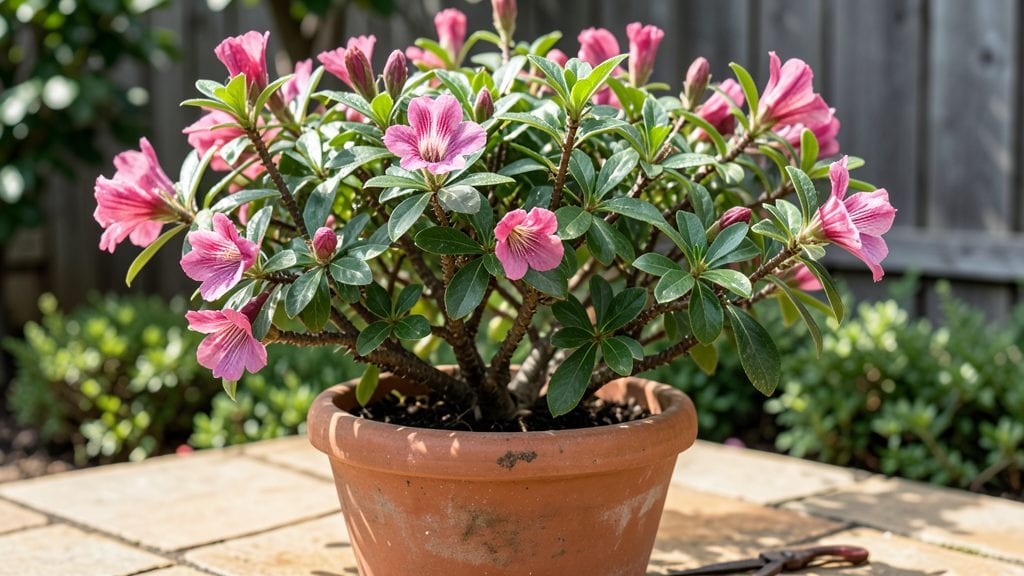
Mastering flowering quince plant care unlocks a treasure trove of pink, red, or white blooms that burst forth from late winter through spring—even when your neighbors' gardens remain asleep. 🌸 This hardy shrub thrives in the Pacific Northwest's mild winters. and wet summers, but it needs a few key adjustments to stay healthy and showy year after year.
The secret to its long-lasting flowers lies in well-draining soil, full sun to partial shade, and minimal fuss maintenance. Unlike fussy ornamentals, quince handles rain and cooler temps like a champ, but it does best with a little pruning after flowering to keep its shape tidy.
I’ve watched mine bounce back from neglect, but a little attention makes all the difference—especially in keeping those branches from getting too woody.
By summer, you’ll see glossy green leaves and maybe even small, apple-like fruits (which are tart and edible, though not the focus). The real magic happens when you prune correctly: cut back old wood in early spring to encourage fresh growth, and you’ll get even more blooms next year.
It’s a shrub that rewards patience with bold color and effortless charm.
Whether you’re planting one as a standalone specimen or lining a path, quince is a low-maintenance superstar for PNW gardens. Let’s get into the specifics so yours stays vibrant for decades—no green thumb required.
📚 In This Guide
- What you need
- Instructions
- Tips and common mistakes
- Wrapping up and next steps
What you need
- ● Flowering quince plant (Choose Chaenomeles speciosa or C. japonica—both thrive in PNW climates!)
- ● Well-draining soil mix (50% native soil + 50% compost or potting mix)
- ● Pot or garden bed (Minimum 12-inch diameter for potted plants; 3-4 feet apart for in-ground spacing)
- ● Organic mulch (2–3 inches of wood chips or straw to retain moisture)
- ● Balanced fertilizer (10-10-10 or low-phosphorus option for acid-loving varieties)
- ● Watering can or hose with a gentle spray nozzle
- ● Pruning shears (Sterilized, sharp blades for clean cuts)
- ● Garden gloves (For thorn protection—quince plants have sharp edges!)
- ● pH test kit (Ideal range: 5.5–6.5; amend soil if needed)
- ● Epsom salt (Occasional magnesium boost for yellowing leaves)
- ● Plant support stakes (If growing against a fence/wall)
- ● Slow-release fertilizer spikes (For low-maintenance nutrition)
- ● Decorative rocks or pebbles (For a polished garden bed look)
Step-by-Step guide to year-round flowering quince care
Here’s how to coax vibrant, continuous blooms from your Pacific Northwest quince—no matter the season.
☀️ Step 1: Select the Perfect Planting Site
Flowering quince thrives in full sun—at least 6-8 hours daily—but tolerates partial shade in hotter inland PNW zones. I always choose a spot with morning sun and afternoon shade to prevent leaf scorch, especially near Puget Sound’s coastal humidity. The soil should drain well; quince roots despise soggy conditions, so amend heavy clay with 2-3 inches of compost before planting.
Watch for microclimates—quince blooms more prolifically near south-facing walls or fences where winter winds are blocked. In exposed areas, a windbreak of evergreens (like arborvitae) keeps buds from drying out during winter’s occasional dry spells.
💧 Step 2: Water Deeply but Infrequently
Established quince is drought-tolerant, but new plants need 1 inch of water weekly during the first growing season. I water deeply—soaking the root zone—rather than frequent shallow waterings. This encourages deep root growth and prevents surface evaporation. In summer, let the top 2 inches of soil dry between waterings; wilting leaves usually mean roots need more depth.
Mulch heavily with 3-4 inches of wood chips to retain moisture and regulate soil temperature. Avoid organic mulches like straw near the trunk, as they can harbor fungal diseases that quince is susceptible to. Adjust watering in winter—reduce to monthly unless the ground stays frozen for weeks.
✂️ Step 3: Prune for Continuous Blooms
Prune quince immediately after flowering to encourage next year’s blooms. Remove 1/3 of the oldest stems at ground level, cutting just above a outward-facing bud. This rejuvenates the plant and prevents overcrowding. Thin out crossing branches to improve airflow—quince’s dense growth invites powdery mildew in PNW’s damp summers.
Shape the plant lightly in late winter if needed, but avoid heavy pruning then. Quince blooms on old wood, so aggressive cuts reduce spring flowers. I always sterilize pruners with rubbing alcohol between cuts to prevent bacterial spread.
🌿 Step 4: Fertilize Strategically for Year-Round Color
Feed quince twice yearly with a balanced 10-10-10 fertilizer—½ cup per plant in early spring (March) and again after flowering (June). Avoid high-nitrogen fertilizers; they promote leafy growth at the expense of blooms. In fall, top-dress with compost instead of synthetic fertilizer to build soil health for winter.
Watch for yellowing leaves—this often signals over-fertilization. Quince prefers lean soil; too much nitrogen leads to weak stems that can’t support heavy flower clusters. If leaves yellow, flush the soil with 6 inches of water to leach excess salts.
⏰ Step 5: Protect Against PNW-Specific Challenges
Quince’s biggest PNW enemy is powdery mildew, which thrives in the region’s damp summers. At the first sign of white powder on leaves, spray with a baking soda solution (1 tsp baking soda + 1 quart water + a drop of dish soap). Repeat every 7-10 days until symptoms disappear. Prune for airflow to prevent recurrence.
Winter care is minimal—just remove any dead foliage in late winter. Quince’s thick stems handle frost well, but young plants benefit from a 2-inch layer of mulch to insulate roots. In coastal areas, watch for root rot if winter rains persist; ensure drainage and avoid over-mulching.
Tips & tricks for perfect flowering quince care
These practical strategies will help you maximize blooms and keep your Pacific Northwest quince thriving all year.
Sunlight Strategy: In Step 1, when selecting your planting site, consider installing a temporary shade cloth during peak summer afternoons if your quince shows signs of leaf scorch. The 6-8 hours of sunlight should be spread across morning to early afternoon—this prevents the intense midday sun from damaging delicate blossoms. I've seen quince in coastal areas thrive with just 5 hours of morning sun when afternoon shade is provided.
Watering Wisdom: The deep watering technique in Step 2 works best with a soaker hose or drip irrigation system. These deliver water directly to the root zone without wetting the foliage, which helps prevent powdery mildew. In summer, I check moisture by pushing a finger 2 inches into the soil—if it's dry at that depth, it's time to water again. This matches perfectly with the established 1-inch weekly guideline for new plants.
Pruning Precision: When you're removing 1/3 of the oldest stems in Step 3, look for stems that are thicker than a pencil—these are the ones that have outlived their productivity. I always make my cuts just above a bud that's facing outward and slightly upward; this encourages new growth in the optimal direction. Sterilizing your pruners between cuts is especially important in the PNW's damp climate where fungal spores are prevalent.
Fertilizer Timing: The twice-yearly feeding schedule in Step 4 works beautifully if you mark your calendar for early March and June. I've found that applying the ½ cup of 10-10-10 fertilizer right after the first signs of spring growth (when buds begin to swell) gives the plant the boost it needs. For the June feeding, I wait until after flowering but before new growth really takes off—this prevents the plant from putting energy into leaves instead of next year's blooms.
Pro Tips for Flowering Quince Plant Care
- These practical strategies will help you maximize blooms and keep your Pacific Northwest quince thriving all year.
- Sunlight Strategy: In Step 1, when selecting your planting site, consider installing a temporary shade cloth during peak summer afternoons if your quince shows signs of leaf scorch.
- Watering Wisdom: The deep watering technique in Step 2 works best with a soaker hose or drip irrigation system.
Frequently asked questions
Got questions about keeping your flowering quince thriving in the Pacific Northwest? You’re not alone! Here are answers to the most common concerns—from pruning to pests and everything in between.
How do I prune a flowering quince for maximum blooms?
Prune right after flowering (late spring) to shape the plant and encourage next year’s blooms. Remove dead, crossing, or overcrowded branches—avoid heavy cuts, as quince blooms on older wood. Use clean, sharp shears and sterilize them with rubbing alcohol to prevent disease. Pro tip: Thin out dense areas to improve airflow and reduce fungal risks!
When should I fertilize my flowering quince?
Feed your quince once in early spring (March) with a balanced, slow-release fertilizer (10-10-10 or similar). Avoid high-nitrogen fertilizers—they promote leafy growth over flowers. In the PNW’s mild climate, a light top-dressing of compost in fall is also beneficial. Over-fertilizing can stress the plant, so less is more!
What pests or diseases commonly affect flowering quince?
Quince are generally tough, but watch for aphids, scale insects, or powdery mildew in humid PNW summers. Treat aphids with a strong spray of water or insecticidal soap. For mildew, improve airflow by pruning and apply neem oil preventatively. Fire blight (a bacterial infection) is rare but deadly—remove infected branches immediately and sterilize tools!
Can flowering quince grow in shade? What’s the ideal spot?
Quince thrive in full sun (6+ hours/day) for best blooms, but they tolerate partial shade (3–4 hours), especially in hotter PNW summers. In deep shade, growth slows, and flowers may be sparse. Plant in well-draining soil with morning sun and afternoon shade for a happy medium—perfect for understory gardens or near north-facing walls.
Why isn’t my flowering quince blooming? Troubleshooting tips.
No flowers? Check these fixes:
- Too much shade: Relocate to sunnier spot.
- Over-fertilizing: Reduce nitrogen; switch to bloom-boosting fertilizer (e.g., 5-10-10).
- Young plant: Quince may take 2–3 years to mature and flower.
- Dormant season: Prune after blooming, not before.
- Stress: Check for pests/disease or root rot (waterlogged soil).
Still stumped? Review our care guide for PNW-specific adjustments!
Wrapping up and next steps
Caring for a flowering quince in the Pacific Northwest is a rewarding journey that brings vibrant color and fragrance to your garden year after year.
With the right sunlight, soil, and seasonal attention, you’ll enjoy its stunning blooms and resilient nature—whether it’s thriving in containers or anchoring your landscape. 🌸
Ready to transform your garden? Start by selecting your favorite variety and prepping your space—then watch your quince flourish with minimal fuss. Happy planting!