Succulent
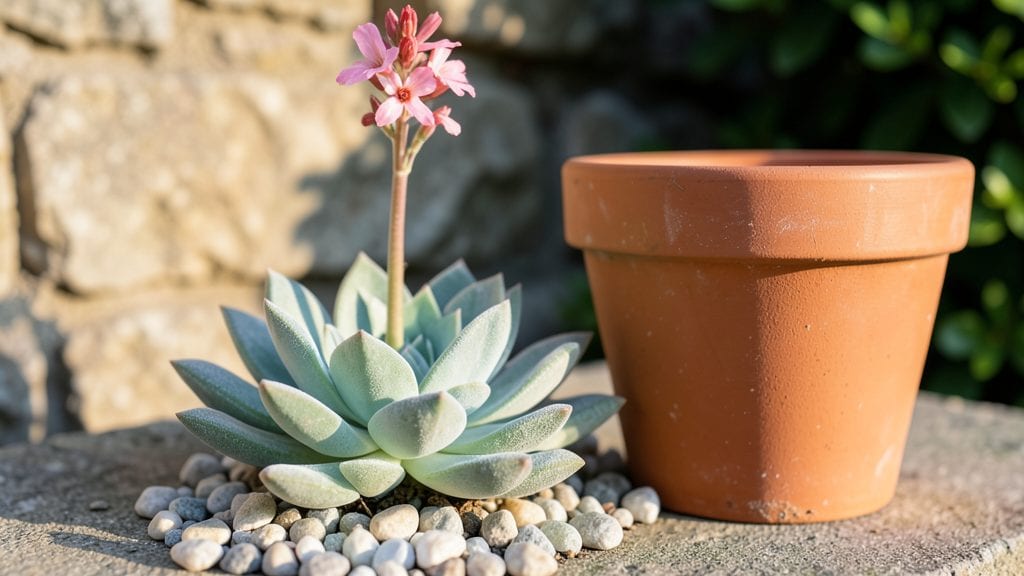
Outdoor flowering succulents in the Pacific Northwest?
I thought those were just desert plants until I tried echeveria 'Lola' and sedum 'Autumn Joy' in my own yard—now they bloom through chilly springs and even light frosts. 🌸 The key isn’t coddling them like houseplants but treating them like tough little survivors that happen to flower spectacularly.
Start with well-draining soil mixed with 30% perlite or pumice—no fancy amendments needed. These plants hate soggy roots but love baking in full sun (6+ hours daily). My first mistake? Using regular garden soil; now I plant them in raised beds or containers with drainage holes.
Watering’s the trickiest part: soak thoroughly once a week in summer, then cut back to monthly in winter.
What you’ll get is vibrant blooms from May through October, with some varieties like stonecrop putting on a second show in fall. The flowers aren’t just pretty—they attract pollinators while the plants stay compact and drought-tolerant.
Even my neighbor’s skeptical dog hasn’t trampled them yet (though I did fence off the best ones).
For PNW winters, mulch with 2-3 inches of gravel to prevent rot, and group plants together for shared warmth. If temps drop below 20°F, move potted varieties to a sheltered spot—though many hardy types like hen-and-chicks survive winters just fine.
The secret? Less water, more sun, and zero guilt about their ruggedness.
📚 In This Guide
- What you need
- Instructions
- Tips and common mistakes
- Wrapping up and next steps
What you need
- ● Flowering succulents: Frost-resistant varieties like Sedum (e.g., Sedum 'Autumn Joy'), Echeveria, or Sempervivum (hens-and-chicks). Quantity: 3–6 plants (depending on desired coverage).
- ● Well-draining soil: Mix 50% cactus/succulent soil with 50% perlite or pumice (avoid garden soil—it retains too much moisture). Quantity: 2–3 cubic feet per plant.
- ○ Containers (optional for beds): Terracotta pots (10–12" diameter) or raised beds with drainage holes. Quantity: 1 per plant (or skip for in-ground planting).
- ● Gravel or pebbles: For mulching and improving drainage. Quantity: 1–2 inches per planting area.
- ● Slow-release fertilizer: 10-10-10 or succulent-specific formula. Quantity: 1 tbsp per plant (sprinkle at planting).
- ● Trowel or hand shovel (for digging).
- ● Gloves (to protect hands from sharp succulent edges).
- ● Watering can with a narrow spout (to avoid overwatering).
- ○ Optional: Moisture meter (to check soil dryness) or a sun calculator (for tracking light exposure).
- ● Location: Full sun (6+ hours/day) or partial shade (morning sun, afternoon shade for hotter PNW summers).
- ● Climate prep: Acclimate succulents to outdoor temps gradually (harden off for 1–2 weeks before planting).
- ● Frost protection (early/late season): Row covers or frost cloth for temps below 25°F (-4°C).
Step-by-step guide to planting frost-resistant flowering succulents outdoors
Here's how to establish vibrant, hardy succulents that thrive through Pacific Northwest winters.
🪴 Step 1: Select the Right Containers and Planting Site
Choose containers with drainage holes or plant directly in well-draining soil—succulents rot quickly when their roots stay wet. I prefer terra cotta pots for their breathability, though fiberglass containers work too if you ensure proper drainage. For in-ground planting, select a south-facing slope where water drains away immediately after rain.
Succulents need full sun exposure (6+ hours daily) to develop their signature resilience. In the Pacific Northwest, where winters are cool but not freezing, echeverias, sedums, and sempervivums handle light frosts best. Test your site by placing a pot there for 24 hours—if it stays dry and warm, it's ready.
🌱 Step 2: Prepare Soil and Plant With Precision
Use a cactus and succulent mix combined with 20% perlite or pumice to prevent compaction. Fill containers to 1 inch below the rim, leaving space for watering. For in-ground planting, amend native soil with coarse sand or gravel to improve drainage—succulents despise soggy roots.
Plant 2-3 inches deeper than the nursery pot’s depth (succulents have shallow roots but need stability). Space plants 6-12 inches apart, depending on mature size. Water deeply once immediately after planting to settle the soil, then let it dry completely before watering again. Overwatering now will drown tender roots.
☀️ Step 3: Establish a Watering Routine for Winter Hardiness
Water only when the top 2 inches of soil feel dry—this mimics natural drought conditions and prevents rot. In the Pacific Northwest’s mild winters, reduce watering to once every 3-4 weeks unless temperatures drop below 25°F. Succulents enter dormancy naturally, so less water encourages stronger root systems for spring blooms.
Mulch with 1 inch of gravel or coarse sand around the base to insulate roots from temperature swings. Avoid organic mulch—it retains too much moisture. Watch for wrinkled leaves in winter; this is normal dormancy, not dehydration. If leaves turn mushy, you’ve overwatered.
✂️ Step 4: Prune and Fertilize for Spring Blooms
In early spring, remove dead or damaged leaves with clean, sharp scissors—this redirects energy to new growth. Apply a balanced, water-soluble fertilizer (5-5-5) at half strength once in spring and again in early summer. Succulents need minimal feeding, but this boosts vibrant blooms that last all season.
Deadhead spent flowers by pinching them off at the base. This encourages more blooms and prevents seed production, which weakens the plant. After fertilizing, water deeply but sparingly—succulents absorb nutrients best when soil is dry between waterings. By mid-summer, you’ll see bold, frost-resistant blooms that defy Pacific Northwest winters.
⏰ Step 5: Protect During Unexpected Freezes
If temperatures dip below 20°F, move potted succulents to a sheltered porch or garage overnight. For in-ground plants, cover with a frost cloth loosely—succulents need airflow to avoid rot. Never use plastic, which traps moisture and causes damage. Check plants the next morning; if leaves are blackened but firm, they’ll recover.
With proper care, your succulents will rebloom year after year, proving that even Pacific Northwest winters can’t stop these tough beauties. The key is drainage, restraint with water, and smart protection—not constant fussing. These plants reward patience with stunning, long-lasting flowers that brighten even the gloomiest winter days.
Tips & tricks for perfect frost-resistant flowering succulents
These hardy plants reward patience with stunning blooms—here's how to give them the best start possible.
Soil Mix Matters: The 20% perlite or pumice in your cactus and succulent mix isn't just filler—it's essential for preventing compaction. I like to add an extra 10% coarse sand for even better drainage, especially in heavier Pacific Northwest soils. This prevents that dreaded "soggy bottom" rot that kills succulents faster than anything else.
Planting Depth Secret: That 2-3 inch planting depth might seem counterintuitive since succulents have shallow roots, but it actually provides stability against Pacific Northwest winds. I've found that planting too shallow can cause plants to topple over during winter storms—especially important for those tall sedums that grow 12+ inches.
Winter Watering Wisdom: The 3-4 week watering schedule during mild winters is perfect, but here's the thing: I check soil moisture with my finger at the 2-inch mark, not just the surface. Topsoil can stay dry while moisture lingers below, leading to rot. If your thumb comes out clean after pressing, wait one more week.
Frost Protection Hack: When temperatures drop below 20°F, I use a combination of frost cloth and small bricks to prop up the edges. This creates airflow while still providing protection—succulents need that circulation to avoid moisture buildup. I've saved many a plant this way during those unexpected late winter dips.
Pro Tips for Flowering Succulents Outdoors
- These hardy plants reward patience with stunning blooms—here's how to give them the best start possible.
- Soil Mix Matters: The 20% perlite or pumice in your cactus and succulent mix isn't just filler—it's essential for preventing compaction.
- Planting Depth Secret: That 2-3 inch planting depth might seem counterintuitive since succulents have shallow roots, but it actually provides stability against Pacific Northwest winds.
Frequently asked questions
Got questions about keeping your flowering succulents thriving in the Pacific Northwest’s chilly climate? You’re not alone! Here are some of the most common concerns—and their solutions—to help you grow bold, frost-resistant blooms with confidence.
Can flowering succulents survive PNW winters without extra protection?
Many flowering succulents, like Sedum or Echeveria hybrids, tolerate light frosts (down to 15–20°F) if planted in well-draining soil and sheltered spots. For extra safety, mulch with gravel or bark and choose hardy varieties like Hylotelephium (formerly Sedum spectabile).
How do I protect succulents from heavy rain or snow?
PNW’s wet winters can drown succulents. Plant them on sloped beds or raised planters to improve drainage. Use overhead covers (like wire cages topped with burlap) during storms, or group them under decorative rocks to break snowfall. Avoid waterlogged soil—succulents rot faster than they freeze!
Why aren’t my outdoor succulents flowering this year?
Succulents need 6+ hours of sunlight daily and a rest period (cooler temps, less water) to bloom. If your plants are leggy or bare, they’re likely starved for light or overwatered. Move them to sunnier spots, reduce watering in fall/winter, and fertilize lightly in spring with a low-nitrogen succulent mix.
What are the best frost-resistant flowering succulent alternatives to Echeveria?
Try these PNW-friendly picks:
- Hylotelephium ‘Autumn Joy’ – Vibrant pink blooms, thrives to 0°F.
- Delosperma (Ice Plant) – Bright flowers, handles 10°F with mulch.
- Sempervivum (Hens & Chicks) – Hardy to 5°F, drought-tolerant.
- Lewisia cotyledon – Purple blooms, survives 15°F in shade.
My succulent leaves are turning mushy—what’s wrong?
Mushy leaves = overwatering or poor drainage. Check for:
- Compacted soil: Amend with perlite or pumice.
- No drainage holes: Repot in containers with exits.
- Fungal rot: Remove affected leaves, treat with fungicide, and space plants for airflow.
Let soil dry completely between waterings—succulents prefer thirst to soggy roots!
Wrapping up and next steps
Growing frost-resistant flowering succulents outdoors in the Pacific Northwest is not only possible—it’s a rewarding way to add vibrant color to your garden year after year! With the right varieties, preparation, and care, you can defy winter chill and enjoy stunning blooms that thrive in your climate.
Whether you’re a seasoned gardener or just starting, these hardy plants prove that beauty and resilience go hand in hand.
Ready to transform your outdoor space? Start by selecting a few of the frost-tolerant succulents mentioned, then experiment with placement and mulching to see what works best in your garden. Check out our planting guide for step-by-step tips—or share your progress with fellow plant lovers! 🌸✨