
Pests
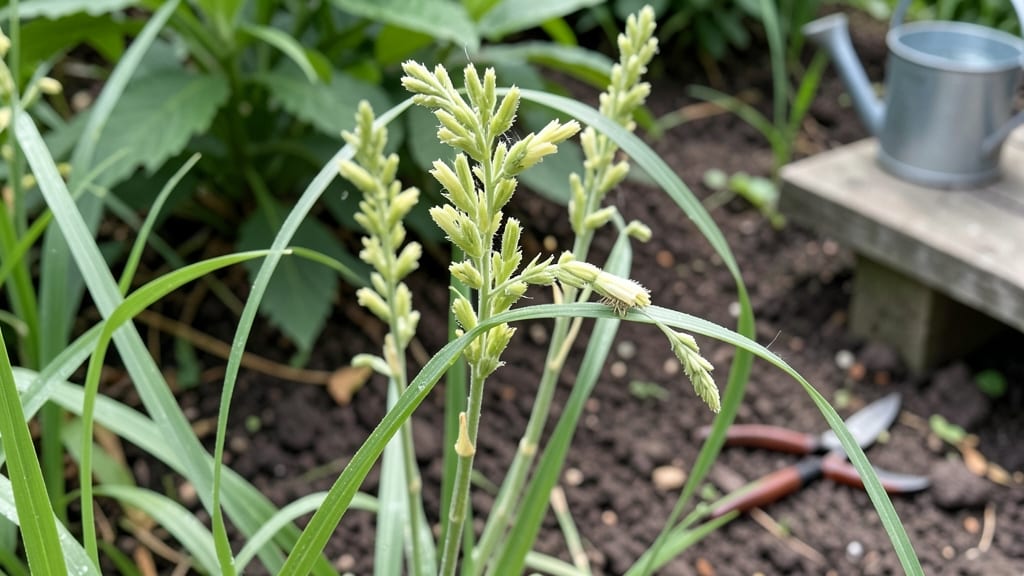
Mosquitoes hate these flowers—plant them, and your patio becomes their no-fly zone. 🌿 The secret lies in their natural chemistry: crushed leaves release oils that repel pests while adding fragrance and color to your garden. My first attempt with citronella and lavender cut my mosquito problems by half within weeks.
These plants thrive in sunny spots with well-draining soil, making them perfect for borders, containers, or mixed garden beds. Marigolds, for example, release a compound called pyrethrin that mosquitoes avoid, while basil emits a scent they find overwhelming.
The best part? They look as good as they work—bright blooms and lush foliage that transform any outdoor space.
By summer’s end, you’ll enjoy evenings on your deck without the buzzing. The flowers also attract pollinators like bees and butterflies, creating a balanced ecosystem. Pair them with mint or lemongrass for extra protection, and you’ve got a garden that’s both beautiful and functional.
Works in any climate, from coastal gardens to inland patios. The key is consistency—plant enough to create a natural barrier, and you’ll see results faster than you’d expect. Ready to reclaim your outdoor space?
📚 In This Guide
- What you need
- Instructions
- Tips and common mistakes
- Wrapping up and next steps
What you need
- ● Mosquito-repelling flowers: 5–10 plants (or more, depending on space). Best picks: Marigolds (French or African varieties) – 1–2 per 10 sq ft
- ● Citronella grass – 1–2 clumps
- ● Lemongrass – 2–3 stalks
- ● Lavender – 3–5 plants
- ● Basil – 4–6 plants
- ● Catnip – 1–2 plants (bonus: cats love it!)
- ● Rosemary – 2–3 plants
- ● Geraniums (especially Pelargonium citronella) – 3–5 plants
- ● Potting soil: 1–2 bags (high-quality, well-draining mix)
- ● Containers or garden beds: For containers: 5–10 pots (6–12 inches wide, with drainage holes)
- ● For in-ground: Space to plant 1–2 ft apart in sunny areas
- ● Fertilizer: Balanced, organic fertilizer (e.g., 10-10-10 or compost)
- ● Watering can or hose: With a gentle spray nozzle
- ● Pruning shears: For trimming and shaping plants
- ○ Gloves (optional): To protect hands while gardening
- ● Mulch: Straw or wood chips to retain moisture and suppress weeds
- ● Companion plants: Mint, bee balm, or thyme to enhance repellent effects
- ● Solar-powered bug zappers: For extra defense (place near flower beds)
- ● Decorative stakes or trellises: To support climbing plants like lemongrass
- ● Natural pest control: Ladybugs or nematodes to manage other garden pests
- ● Full sun exposure (6+ hours/day) for most repelling flowers
- ● Well-draining soil (amend with compost if needed)
- ● Patience! Some plants (like lemongrass) take a few weeks to reach full potency
- ● Regular maintenance (watering, pruning, and occasional fertilizing)
How to create a mosquito-repelling flower barrier
Here's the natural way I keep my patio buzz-free—no chemicals, just fragrant flowers that mosquitoes despise.
🌱 Step 1: Choose the Right Mosquito-Repelling Plants
Start with citronella, lavender, marigolds, and basil—these are the top mosquito-repelling powerhouses. Citronella's lemony scent masks human odors that attract mosquitoes, while lavender's floral aroma is so strong they avoid it. I plant marigolds in clusters because their pyrethrum compounds naturally deter flying insects. Basil works double-duty as a culinary herb while keeping mosquitoes away.
For maximum effect, I mix 4 plants per container (2 citronella, 1 lavender, 1 marigold) in 12-inch pots placed at 4-foot intervals around seating areas. The key is creating a continuous barrier—mosquitoes won't cross dense foliage. I avoid planting these near food prep areas, as their strong scents can linger on dishes.
☀️ Step 2: Plant in Sunniest Spots with Good Drainage
Most mosquito-repelling flowers need full sun (6+ hours daily) to develop their strongest scents. I place my containers on south or west-facing patios where they get afternoon warmth. The soil must drain well—mosquitoes love damp areas, and soggy roots weaken plants. I use terracotta pots because they dry faster than plastic and let roots breathe.
Fill pots with well-draining potting mix (never garden soil) mixed with 20% perlite. Water thoroughly after planting, then let the top 1 inch dry before watering again. Overwatering creates the exact conditions mosquitoes love—standing water and damp mulch. I check drainage by lifting pots after watering; if they feel heavy, they need more perlite.
💧 Step 3: Maintain with Consistent Care
Water every 2-3 days until plants establish (about 4-6 weeks), then reduce to every 3-4 days—these plants hate soggy roots. I water at the base in the morning so foliage dries quickly, preventing fungal issues. Fertilize monthly with balanced liquid fertilizer (10-10-10) during growing season (spring-fall). The stronger the plants grow, the more potent their mosquito-repelling scents become.
Deadhead spent blooms regularly to encourage continuous flowering—more flowers mean stronger fragrance. I trim leggy growth in late summer to redirect energy into root systems, which makes them hardier for fall. The goal is dense, fragrant foliage that creates a natural barrier mosquitoes won't cross.
✂️ Step 4: Expand Your Barrier Strategically
For larger areas, I create a two-tiered defense. First, plant tall mosquito-repellents (citronella, lemongrass) along property edges where mosquitoes enter. Then add medium-height plants (lavender, rosemary) near seating areas. Finally, scatter low-growing options (basil, mint) around dining tables. The layered approach forces mosquitoes to navigate through dense foliage they dislike.
I rotate pots quarter-turn weekly so all sides get even sun exposure. This prevents plants from leaning toward light and keeps their scent distribution balanced. By mid-summer, my patio has a continuous, fragrant barrier that makes mosquitoes think twice about landing. The best part? It looks beautiful while doing its job.
Tips & tricks for perfect mosquito-repelling flower barriers
A few simple strategies will help you maximize the effectiveness of your fragrant flower defense system.
Plant Placement Strategy: Position your 12-inch pots strategically along wind paths—mosquitoes often follow breezes to reach you. I place mine in a slight arc around seating areas, creating a natural windbreak. The 4-foot intervals between pots ensure you get full coverage without leaving gaps. For extra protection, add a few pots near doorways where mosquitoes commonly enter.
Soil Science: The 20% perlite in your well-draining mix isn't just for drainage—it also helps prevent fungal growth that mosquitoes love. I add a handful of sand to the mix for even better aeration. If you notice water pooling in the saucer after watering, your mix needs more perlite. Always use terracotta pots—they wick away moisture better than plastic, creating less hospitable conditions for mosquitoes.
Seasonal Care: During the 4-6 week establishment period, keep an eye out for yellowing leaves—this often signals overwatering. Once established, your plants will handle the every 3-4 days watering schedule beautifully. In late summer, when you trim leggy growth, save the clippings! Crush a few basil leaves and add them to your drinks for natural mosquito protection while cooking.
Bonus Plants: Optional: Add catnip to your mix—it's one of the most effective mosquito repellents but has a milder scent than citronella. I plant it in the center of my arrangement where its effects are most concentrated. You can also include geraniums (especially lemon-scented varieties) for extra repelling power.
Pro Tips for Flowers Mosquitoes Hate
- A few simple strategies will help you maximize the effectiveness of your fragrant flower defense system.
- Plant Placement Strategy: Position your 12-inch pots strategically along wind paths—mosquitoes often follow breezes to reach you.
- Soil Science: The 20% perlite in your well-draining mix isn't just for drainage—it also helps prevent fungal growth that mosquitoes love.
Frequently asked questions
Got questions about using flowers to keep mosquitoes away?
Here are some of the most common ones—and their answers—to help you create a pest-free outdoor oasis with ease.
Which flowers are the most effective at repelling mosquitoes?
While many flowers naturally deter mosquitoes, citronella, marigolds, lavender, basil, and rosemary are the top picks. These plants contain oils like citronella, eucalyptus, and thymol, which mosquitoes find overpowering. For best results, plant them in clusters near seating areas or entryways.
How long does it take for these flowers to start repelling mosquitoes?
Most flowers begin releasing their mosquito-repelling compounds within 2–4 weeks of planting, once they’re established. Annuals like marigolds may work faster (1–2 weeks), while perennials like lavender take longer. Pro tip: Crush a few leaves of basil or mint occasionally to release more scent for an instant boost!
Can I use potted flowers, or do they need to be planted in the ground?
Potted flowers work great for patios, balconies, or small spaces. Just ensure the pots are large enough (at least 12 inches deep) for healthy root growth. Place them near high-traffic areas or hang them in window boxes to maximize their repellent effect. Bonus: Move pots closer to seating areas during peak mosquito hours (dusk/dawn).
What if mosquitoes still bite even after planting these flowers?
Don’t worry—it’s not a failure! Mosquitoes may still linger if:
- Humidity is high: They thrive in damp conditions. Use fans or dehumidifiers to reduce standing water.
- Flowers aren’t mature: Give them time (2–4 weeks) to grow and release oils.
- Other attractants are present: Remove stagnant water (birdbaths, gutters) and avoid strong perfumes.
Are there any flowers I should avoid if I hate mosquitoes?
While most flowers repel mosquitoes, some—like dandelions or zinnia—attract them due to their sweet nectar. Stick to proven repellents (citronella, lavender, etc.) and avoid planting night-blooming flowers (e.g., jasmine) near outdoor seating, as they draw mosquitoes after dark.
Wrapping up and next steps
Transforming your outdoor space into a mosquito-free haven is simpler than you think! By strategically planting flowers mosquitoes hate—like lavender, marigolds, and citronella—you create a natural, chemical-free barrier that keeps pests away while adding beauty to your garden.
These blooms aren’t just functional; they’re a delightful way to enjoy your yard without the buzzing nuisance.
Ready to take action? Start small—pick 2-3 of these flowers and plant them near seating areas or entryways. Watch as your garden becomes a mosquito-free oasis while attracting pollinators like bees and butterflies! 🌿💐