
Flowers
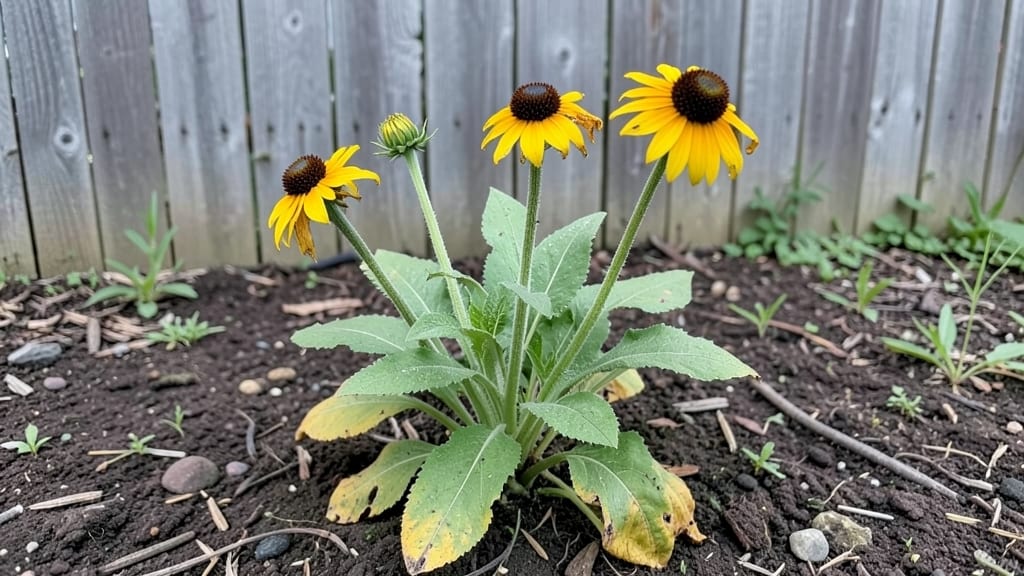
The Forever Susan flower thrives in Pacific Northwest containers with its drought-tolerant charm and pollinator magnetism. 🌿 I planted mine last spring in a 12-inch pot, and now it's covered in blooms from June through frost—bees and butterflies adore it.
The secret lies in its love for well-draining soil and morning sun, which mimics its native dry slopes.
You'll need a container with drainage holes, a mix of potting soil and perlite (for that rocky texture it craves), and a spot with at least 4-6 hours of sunlight.
Water only when the top inch of soil feels dry—overwatering is the #1 killer of these tough perennials. A balanced fertilizer in early spring keeps blooms abundant without fuss.
By midsummer, you'll have a vibrant purple-blue cascade that attracts hummingbirds and keeps blooming until fall. Prune back leggy stems in late winter to encourage fresh growth, and watch as your container becomes a buzzing hub. The flowers even dry beautifully for winter arrangements.
Works in zones 4-9, making it perfect for PNW balconies, patios, or even hanging baskets. The key? Don't overpot—these plants prefer being slightly root-bound. Let's get yours thriving in containers this season!
📚 In This Guide
- What you need
- Instructions
- Tips and common mistakes
- Wrapping up and next steps
What you need
- ● Forever Susan flower seeds or young plants – Choose Echinacea purpurea (purple coneflower) or Echinacea pallida (pale purple coneflower) for classic varieties. Buy 3-5 plants for a full, lush look in a container.
- ● Well-draining potting mix – A high-quality, organic blend (e.g., 60% peat moss, 20% perlite, 20% compost) to prevent soggy roots. 1-2 cubic feet per container (adjust based on pot size).
- ● Containers with drainage holes – Opt for 12-18 inch diameter pots (or larger for multiple plants). Terracotta, fiberglass, or plastic work well.
- ● Slow-release fertilizer – A balanced 10-10-10 or organic option (like fish emulsion) to nourish roots over time. 1-2 tbsp per plant mixed into the soil.
- ○ Mulch (optional but recommended) – Shredded bark or pine needles (1-2 inches thick) to retain moisture and regulate soil temperature.
- ● Garden trowel or small shovel – For planting and mixing soil.
- ● Watering can or hose with a gentle spray nozzle – Avoid overwatering!
- ● Pruning shears – To trim dead blooms and encourage new growth.
- ○ Gloves (optional) – For handling soil or thorny stems.
- ● A sunny spot – At least 6-8 hours of direct sunlight daily (Pacific Northwest shade tolerance is limited!).
- ● Watering routine – Keep soil consistently moist but not waterlogged (especially in summer).
- ● Patience – Forever Susans thrive in USDA Zones 3-9 and may take 60-90 days to bloom from seed.
Step-by-step instructions for growing Forever Susan flowers in containers
Here's how to create a vibrant pollinator magnet using this Pacific Northwest native.
🌱 Step 1: Select the Right Container and Soil Mix
Choose a container with drainage holes that's at least 12 inches deep and 12 inches wide for each plant—Forever Susans need room to establish strong roots. I prefer terracotta pots because they breathe and prevent soil compaction. The soil mix should be well-draining yet moisture-retentive, so blend 50% premium potting mix with 50% perlite or coarse sand. This prevents soggy roots while holding enough moisture for their mountain-native preferences.
Fill the container to 1 inch below the rim, leaving room for watering. Tap the pot gently to settle the soil without compacting it. The goal is a loose, aerated medium that mimics their natural rocky slopes. Add a slow-release fertilizer (5-10-5 ratio) mixed at 1 tablespoon per gallon of soil—this gives them a steady nutrient supply without burning tender roots.
🌿 Step 2: Plant Bare-Root or Container-Grown Plants
If planting bare-root plants, soak the roots in lukewarm water for 15-20 minutes before handling. This revives dormant roots and helps them establish faster. For container-grown plants, gently remove them from their nursery pots and loosen any circling roots with your fingers. Forever Susans prefer full sun to partial shade, so position your containers where they'll receive at least 4-6 hours of direct sunlight daily—morning sun with afternoon shade works best in hotter PNW summers.
Dig a hole twice as wide as the root ball but only as deep as the container's original soil line. Place the plant in, backfill with soil, and press gently around the base. Water deeply until moisture runs from the drainage holes—this settles the soil and eliminates air pockets. You'll see the soil surface settle slightly as it absorbs water; this confirms proper hydration.
☀️ Step 3: Establish Watering Routine and Sun Exposure
Water deeply every 2-3 days during the first month, allowing the top 2 inches of soil to dry between waterings. Forever Susans are drought-tolerant once established, but young plants need consistent moisture. I water in the early morning to reduce evaporation and fungal risks. After the first month, reduce to weekly deep waterings unless your container dries out faster—check by sticking your finger 1-2 inches deep; if it feels dry, water again.
Rotate containers a quarter turn weekly to ensure even sun exposure and prevent leggy growth. You'll notice new growth leaning toward the light—this is your cue to adjust placement. Forever Susans thrive in bright, indirect light but can handle direct afternoon sun in cooler PNW climates. If leaves yellow between veins, it's a sign of too much sun; move to a shadier spot immediately.
✂️ Step 4: Prune and Maintain for Continuous Blooms
Deadhead spent blooms by pinching off flowers just above the next set of leaves. This encourages continuous flowering from early summer through fall. I prune in the morning when the plant is hydrated—cutting then reduces stress. Use clean, sharp pruners to avoid tearing stems, and sterilize them with rubbing alcohol between cuts to prevent disease spread.
Fertilize lightly every 4-6 weeks during the growing season with a balanced liquid fertilizer (10-10-10 ratio) diluted to half-strength. Over-fertilizing leads to lush foliage but fewer blooms. In late summer, reduce watering slightly to every 7-10 days to mimic their natural dry season cues. This prepares them for winter dormancy and stronger regrowth in spring.
🪴 Step 5: Winterize and Prepare for Next Season
When temperatures drop below 35°F, move containers to a protected location like a garage or under eaves. Mulch the soil surface with 2-3 inches of straw or shredded leaves to insulate roots. This prevents freeze-thaw cycles that can heave plants out of pots. Water sparingly in winter—just enough to keep soil from drying completely—but avoid soggy conditions that invite rot.
In early spring, prune back any dead or weak stems by one-third to encourage fresh growth. Refresh the top 2 inches of soil with new potting mix to replenish nutrients. You'll see new shoots emerge within 2-3 weeks—this is your signal to resume regular care. Forever Susans are perennial in containers with proper winter care, so they'll reward you with years of pollinator-friendly blooms.
Tips & tricks for perfectly thriving Forever Susan flowers in containers
These practical tips will help you create a pollinator-friendly paradise that keeps your Forever Susans flourishing for years.
Container Material Matters: While terracotta is ideal for its breathability, plastic containers work too—just ensure they have drainage holes. I've found that glazed ceramic pots can trap excess moisture, leading to root rot. If using plastic, add extra perlite to improve drainage. The key is balancing moisture retention with aeration to mimic their natural rocky mountain habitat.
Root Revitalization Technique: When planting bare-root Forever Susans, that 15-20 minute lukewarm water soak is non-negotiable. Cold water shocks delicate roots while hot water can scald them. I like to add a splash of seaweed fertilizer to the water—it gives the roots an instant nutrient boost. After soaking, gently squeeze excess water from the roots before planting to prevent waterlogging.
Sunlight Strategy: The 4-6 hours of direct sunlight requirement is flexible based on your PNW location. In coastal areas with milder summers, you can extend to 6-8 hours, but protect from intense afternoon sun that can bleach the vibrant yellow blooms. I've noticed that morning sun with afternoon shade produces the most abundant flowering. If your plants start looking leggy, they're not getting enough light—rotate containers weekly to ensure even exposure.
Winter Protection Pro Tip: For that 35°F threshold, I recommend moving containers to an unheated garage or under eaves rather than indoors. The slight temperature fluctuations help harden the plants for spring. If you must bring them inside, place them near a north-facing window where they'll get minimal light. The mulch layer is crucial—don't skimp on those 2-3 inches of straw or leaves, as it creates an insulating barrier that prevents freeze-thaw damage.
Pro Tips for Forever Susan Flower
- These practical tips will help you create a pollinator-friendly paradise that keeps your Forever Susans flourishing for years.
- Container Material Matters: While terracotta is ideal for its breathability, plastic containers work too—just ensure they have drainage holes.
- Root Revitalization Technique: When planting bare-root Forever Susans, that 15-20 minute lukewarm water soak is non-negotiable.
Frequently asked questions
Got questions about growing Forever Susan flowers? You’re not alone! Here are answers to the most common queries about this stunning pollinator magnet in containers.
1. How long does it take for Forever Susan flowers to bloom after planting?
With proper care, you’ll see vibrant blooms about 6–8 weeks after planting. Early spring plantings often reward you with flowers by late May or early June—just in time for pollinators to feast! For faster results, start seeds indoors 8–10 weeks before the last frost.
2. Can Forever Susan grow in containers, and what size pot do I need?
This hardy perennial thrives in containers. Aim for a 10–12-inch pot (or larger) with drainage holes to prevent root rot. Use a well-draining potting mix and repot every 2–3 years to refresh nutrients. Pro tip: Add a slow-release fertilizer at planting for a head start!
3. Are Forever Susan flowers toxic to bees or other pollinators?
Not at all! Forever Susan (Echinacea ‘Forever Susan’) is a pollinator superstar, attracting bees, butterflies, and hummingbirds. Its long bloom season (summer to fall) provides a critical food source. Just avoid pesticides—especially neonicotinoids—to keep these beneficial visitors happy.
4. How do I overwinter Forever Susan in containers?
In USDA Zones 3–8, protect your container-grown Forever Susan with these steps:
- Move pots to a sheltered spot (like a garage or under eaves) before hard freezes.
- Wrap containers in burlap or bubble wrap to insulate roots.
- Water moderately in winter—never let soil dry out completely.
- Trim back dead foliage in early spring to encourage fresh growth.
5. What can I plant alongside Forever Susan for a thriving container garden?
Pair it with complementary pollinator-friendly plants like:
- Coneflowers (Echinacea) (for height and color variety)
- Russian Sage (drought-tolerant and aromatic)
- Salvia (butterfly magnet)
- Black-Eyed Susan (Rudbeckia) (long bloom time)
Wrapping up and next steps
The Forever Susan flower isn’t just a stunning addition to your Pacific Northwest garden—it’s a pollinator powerhouse that thrives in containers with minimal fuss. 🌸 With its vibrant blooms, drought tolerance, and year-round appeal, this plant proves that beauty and sustainability go hand in hand.
Whether you’re a seasoned gardener or just starting out, adding a Forever Susan to your space is a win-win for your patio and the bees buzzing by!
Ready to transform your containers? Grab your supplies, follow the tips, and watch your garden come alive—one Forever Susan at a time! 🌿💛