
Planting
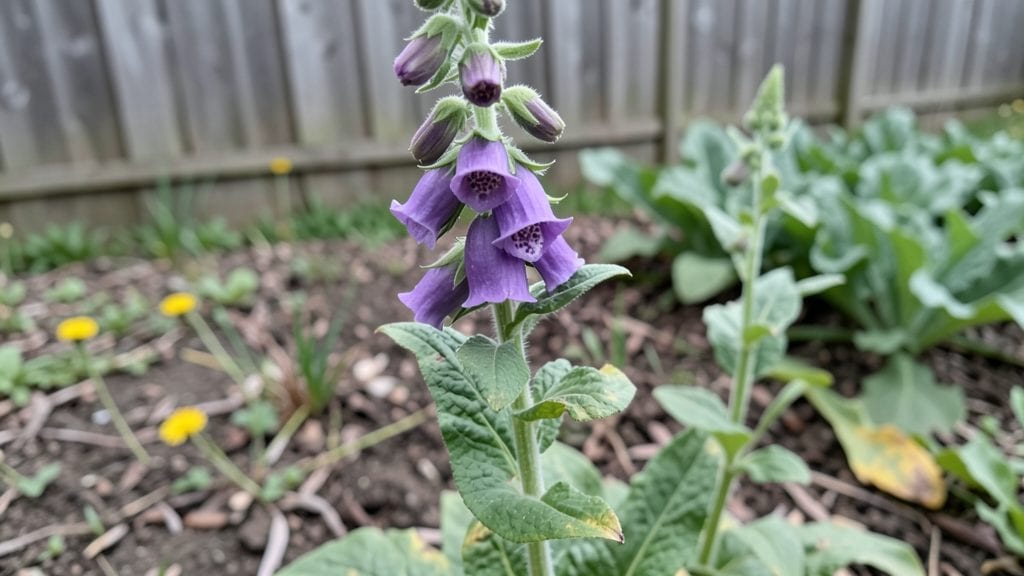
The foxglove flower plant thrives in the Pacific Northwest's damp climate with almost no fuss—just the right spot and a little patience. 🌿 I’ve grown foxglove for years, and its towering spikes of bell-shaped blooms always make neighbors stop and stare.
The key? Plant it in partial shade where it gets morning sun and afternoon cool, and let the soil stay consistently moist but never soggy.
Foxglove loves rich, well-draining soil mixed with compost, and it spreads easily from seed or division. You’ll see those iconic purple, pink, or white flowers emerge by mid-summer, and they’ll keep blooming for weeks.
The plant’s hardy nature means less fuss than most perennials, though it does need space—give it at least 2 feet between plants to prevent overcrowding.
What you’ll love most is how effortlessly foxglove transforms shady garden corners into a fairy-tale scene. The blooms attract hummingbirds and bees, and the foliage stays lush even in rainy seasons. Just remember: every part of the plant is toxic if ingested, so keep it away from pets and kids.
Perfect for cutting gardens, woodland edges, or even container growing in cooler climates. Once established, foxglove will naturalize and return year after year with minimal care—just deadhead spent blooms to encourage more flowers. Let’s get those seeds in the ground!
📚 In This Guide
- What you need
- Instructions
- Tips and common mistakes
- Wrapping up and next steps
What you need
- ● Foxglove seeds or seedlings: Choose Digitalis purpurea (common foxglove) or Digitalis grandiflora (yellow foxglove). Buy from a trusted nursery (e.g., blank">Local PNW growers or blank">online seed suppliers). For seeds: 1–2 packets (50–100 seeds each) for a small garden patch.
- ● For seedlings: 3–5 plants (spaced 12–18 inches apart).
- ● Well-draining soil: Foxgloves thrive in slightly acidic to neutral pH (6.0–7.0). Amend heavy clay soil with: Compost (1–2 gallons per planting hole).
- ○ Peat moss or coconut coir (optional, for moisture retention).
- ● Sunlight access: Partial shade to full sun (morning sun + afternoon shade works best in hot PNW summers).
- ● Garden trowel or transplant spade (for digging holes 6–8 inches deep).
- ● Watering can or hose with a gentle nozzle (foxgloves hate soggy roots!).
- ○ Mulch (optional but recommended): 2–3 inches of organic mulch (e.g., wood chips or straw) to retain moisture and suppress weeds.
- ● Garden gloves (foxglove leaves can be slightly irritating to sensitive skin).
- ● Stakes or plant markers (to label varieties if planting multiple types).
- ● Plant in a sheltered spot: Foxgloves are not drought-tolerant; protect from strong winds.
- ● Keep away from kids/pets: All parts of the foxglove plant are toxic if ingested (contains cardiac glycosides). Wear gloves when handling.
- ● Test your soil: A simple DIY pH test kit ensures optimal growing conditions (costs ~$10).
Step-by-Step instructions for planting foxglove in the Pacific Northwest
Let's get these striking blooms thriving with minimal fuss—just follow these simple steps.
🌱 Step 1: Choose the Best Planting Location
Foxglove thrives in partial shade—think dappled sunlight or morning sun with afternoon shade. In the Pacific Northwest's moist climate, avoid full sun spots, which can scorch leaves. I always look for areas near shrubs or under tall trees where roots stay cool but still get a few hours of gentle light.
Test your spot by checking soil moisture after rain. If it stays damp for days, that's ideal. Foxglove hates soggy soil, so if your yard floods easily, amend with compost to improve drainage. The plant's deep roots need room to spread, so give them 18-24 inches between plants for proper air circulation.
🌿 Step 2: Prepare the Soil for Healthy Growth
Foxglove prefers well-draining, slightly acidic soil (pH 6.0-7.0). If your soil is heavy clay, mix in 2-3 inches of organic matter—like the compost or leaf mold you might have on hand—before planting. I like to work this in about 6 inches deep to create a loose, airy root zone.
Skip the fertilizer at planting time—foxglove grows best when undisturbed. Instead, scratch in a handful of bone meal (if available) for slow-release phosphorus, which encourages strong root development. The key is to avoid rich, nitrogen-heavy soil, which produces lots of leaves but few flowers.
⏰ Step 3: Plant Bare-Root or Potted Foxglove Correctly
For bare-root plants, soak the roots in lukewarm water for 1-2 hours before planting to revive them. Dig a hole twice as wide as the root ball but only as deep—foxglove roots grow horizontally, not deep. Place the plant so the crown sits just above soil level (never buried).
If using container-grown plants, remove from the pot and loosen any circling roots. Set the plant in the hole, backfill with native soil mixed with compost, and press gently to eliminate air pockets. Water deeply until moisture reaches 6 inches down—this helps roots establish quickly in our rainy climate.
💧 Step 4: Water and Mulch for Long-Term Success
After planting, water once a week unless we're in a dry spell (then increase to twice weekly). Foxglove is drought-tolerant once established, but young plants need consistent moisture. Water at the base, not overhead, to prevent fungal diseases like powdery mildew—common in our damp summers.
Spread 2-3 inches of mulch (like wood chips or bark) around the base, keeping it 4 inches away from stems to prevent rot. This conserves moisture, regulates soil temperature, and keeps weeds at bay. In winter, a 3-inch layer of mulch acts as insulation, protecting roots from freezing.
☀️ Step 5: Maintain and Enjoy Low-Maintenance Blooms
Deadhead spent flower spikes in early summer to encourage a second flush of blooms. Snip them back to the first set of leaves—this redirects energy from seed production to new growth. I always wear gloves for this step; foxglove leaves contain digitalis, a compound that can irritate skin.
Fertilize once a year in early spring with a balanced, slow-release fertilizer (like 10-10-10). Avoid high-nitrogen feeds, which reduce flowering. In the Pacific Northwest, foxglove often self-seeds, so thin seedlings in early spring to maintain spacing. These plants are perennial, so with proper care, they'll return year after year.
Tips & tricks for perfect foxglove planting in the Pacific Northwest
These simple tricks will help your foxglove thrive with minimal effort—especially in our region's unique climate.
Location Secret: In Step 1, when choosing your spot, look for areas where morning sun hits the leaves but they're shaded by early afternoon. This mimics the dappled light foxglove loves. I've found that planting near evergreen shrubs works perfectly—they provide that perfect shade while letting in just enough sunlight for photosynthesis.
Soil Preparation: For Step 2, if you're working with heavy clay soil, don't just add compost—mix in some perlite or coarse sand too. This creates those crucial air pockets foxglove roots need. I like to work this amendment in about 6 inches deep using a broadfork to avoid compacting the soil further. The goal is to create a loose, crumbly texture that mimics the forest floor where foxglove naturally grows.
Watering Wisdom: In Step 4, when establishing your plants, water deeply but infrequently. The key is to moisten the soil to 6 inches down—this encourages deep root growth. I use a soil probe to check moisture levels; if it comes out dry, it's time to water again. This method prevents shallow roots that can't handle our occasional dry spells.
Mulching Tip: For that extra protection in Step 4, consider using cedar mulch instead of wood chips. It has natural pest-repelling properties and breaks down more slowly, giving you that 3-inch winter insulation layer without needing to replenish as often. Just remember to keep it 4 inches away from stems to prevent rot.
Pro Tips for Foxglove Flower Plant
- These simple tricks will help your foxglove thrive with minimal effort—especially in our region's unique climate.
- Location Secret: In Step 1, when choosing your spot, look for areas where morning sun hits the leaves but they're shaded by early afternoon.
- Soil Preparation: For Step 2, if you're working with heavy clay soil, don't just add compost—mix in some perlite or coarse sand too.
Frequently asked questions
Got questions about growing foxglove in the Pacific Northwest? We’ve got answers!
Whether you’re a first-time gardener or a seasoned green thumb, these FAQs will help you cultivate stunning Digitalis blooms with ease.
Is foxglove toxic to humans and pets?
Yes, foxglove contains digitalis compounds that are highly toxic if ingested. Keep it away from children and pets—even touching the plant can cause skin irritation. Wear gloves when handling, and avoid planting near edible gardens or high-traffic areas.
How long does it take for foxglove to bloom after planting?
Foxglove typically blooms in its first year if planted in early spring (March–April). Seed-grown plants may take 2–3 years to reach maturity and flower, while nursery-bought transplants often bloom within 6–12 months. Patience pays off—once established, they self-seed reliably!
Can foxglove survive the Pacific Northwest’s wet winters?
Foxglove thrives in the PNW’s mild, damp climate. Its deep roots tolerate winter moisture, but avoid soggy soil—ensure well-draining spots in partial shade. Mulch lightly in late fall to protect roots from extreme cold snaps (though it’s generally hardy to USDA Zone 4).
Why aren’t my foxglove flowers opening?
Several factors can prevent blooms: too much shade (needs 4–6 hours of sun), over-fertilizing (use low-phosphorus fertilizer), or crowded roots. Try deadheading spent blooms to encourage reblooming, or divide mature clumps every 3–4 years to rejuvenate growth.
What’s a low-maintenance alternative to foxglove for shade gardens?
If foxglove’s toxicity concerns you, try these PNW-friendly shade lovers:
- Lungwort (Pulmonaria): Drought-tolerant, deer-resistant, and blooms early spring.
- Bleeding Heart (Dicentra): Delicate foliage and heart-shaped flowers; thrives in moist soil.
- Hosta: Classic shade plant with minimal care (but watch for slugs!).
Wrapping up and next steps
From its striking bell-shaped blooms to its resilience in the Pacific Northwest’s climate, the foxglove flower plant is a dream for gardeners who love low-maintenance beauty.
Whether you’re drawn to its dramatic heights or its ability to thrive with minimal fuss, this plant proves that stunning gardens don’t require endless effort. 🌿
Ready to bring foxglove’s magic to your yard? Start by gathering your supplies and picking the perfect spot—then watch your garden transform with ease! Happy planting! 🌸