
Flowers
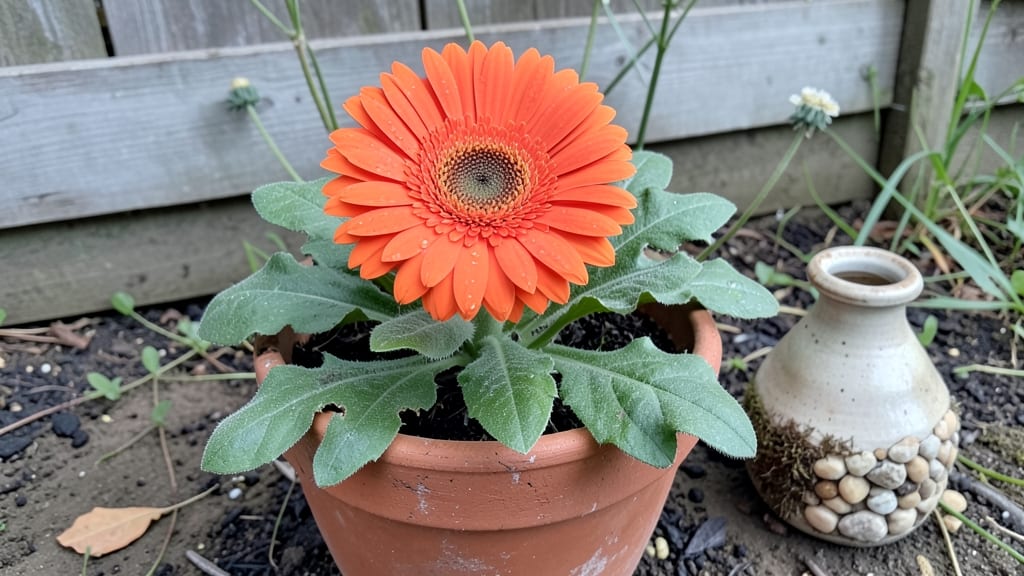
Brightening a recovery room with cheerful get-well flowers after surgery is one of the sweetest ways to spread joy—and these sunlit blooms make it effortless. 🌻 I’ve learned that the right flowers don’t just look beautiful; they bring smiles that lift spirits faster than any medication.
The key is choosing fast-growing varieties that stay vibrant for weeks, like sunflowers or gerbera daisies, so they arrive fresh and keep giving happiness long after delivery.
You’ll want small, manageable pots that fit bedside tables or windowsills, paired with a handwritten note for that personal touch. Sunflowers grow tall and cheerful in just a few weeks, while gerbera daisies burst with color in soft pinks, yellows, and oranges—perfect for brightening dim hospital rooms.
Even potted herbs like basil or mint add a fresh, uplifting scent and a touch of greenery that feels alive and comforting.
The result? A recovery space filled with light, color, and life—exactly what someone healing needs. These flowers aren’t just gifts; they’re little bursts of sunshine that remind the recipient they’re loved and supported.
Whether it’s for a parent, friend, or neighbor, these blooms turn a hospital stay into a warmer, brighter experience.
Seasonal swaps keep things fresh: opt for tulips in spring, zinnias in summer, or amaryllis in winter for year-round cheer. The goal is simple—brighten someone’s day with beauty that feels intentional and full of care. Let’s make healing a little sweeter, one bouquet at a time.
📚 In This Guide
- What you need
- Instructions
- Tips and common mistakes
- Wrapping up and next steps
What you need
- ● Fresh flowers: Choose soft, vibrant blooms like roses, lilies, tulips, or sunflowers (avoid strong scents like lilies if allergies are a concern). Quantity: 12-20 stems (adjust based on vase size).
- ● Floral arrangement tools: Sharp floral shears (for clean cuts)
- ● Floral tape or rubber bands (to secure stems)
- ● Floral preservative (1 packet or liquid)
- ● Vase or container: A clear glass vase (12-16 oz) or a decorative ceramic piece with a wide opening.
- ● Water: Room-temperature, clean water (enough to fill the vase halfway).
- ○ Optional greenery: Baby’s breath, eucalyptus, or ferns for texture (5-10 stems).
- ● Recipient’s preferences: Check for flower allergies or dislikes (e.g., avoid yellow flowers if they symbolize illness in some cultures).
- ● Delivery logistics: Secure a delivery service that offers same-day or next-day options (especially for post-surgery timing).
- ● Card or note: A handwritten card with a uplifting message (e.g., “Wishing you strength and speedy healing!”).
- ● 💡 Trim stems at an angle (1-2 inches) before placing them in water to maximize absorption.
- ● 🌡️ Change the water every 2-3 days and re-cut stems to keep flowers fresh.
- ● 🎯 Add a splash of bleach or floral food to the water to prevent bacteria growth.
Step-by-step guide to selecting and arranging get-well flowers
Brighten a recovery space with flowers that bring joy and healing energy.
🌱 Step 1: Choose the Right Flowers for Healing
Opt for cheerful, long-lasting blooms that require minimal care. Sunflowers symbolize positivity, while gerbera daisies add vibrant color. Avoid heavy, drooping flowers like lilies—they can feel overwhelming in a recovery room. I always pick flowers with bright petals and sturdy stems, like roses or snapdragons, because they stand tall and bring energy.
Bright, cheerful colors like yellow, pink, and orange are ideal—they lift spirits without being too stimulating. Avoid dark, heavy blooms like black roses or deep purples, which can feel melancholy. If the patient loves soft colors, pastel peonies or hydrangeas add gentle beauty without overwhelming the space.
💧 Step 2: Select the Perfect Vase and Water
Use a clean, sturdy vase that’s the right size for your bouquet. A vase that’s too small will crowd the flowers, while one that’s too large will make them look lost. I like tall, slender vases for sunflowers—they let the blooms shine. For smaller arrangements, a wider, shorter vase works best to display multiple stems.
Fill the vase with fresh, room-temperature water and add a few drops of floral preservative. Change the water every 2-3 days to keep stems hydrated and prevent bacteria buildup. Avoid using tap water straight from the faucet—let it sit for an hour first to reduce chlorine, which can harm the flowers.
✂️ Step 3: Trim and Arrange the Stems
Trim the stems at a 45-degree angle about 2 inches from the base using sharp scissors or pruners. This increases the surface area for water absorption, helping the flowers stay fresh longer. Remove any leaves that will sit below the waterline—they’ll rot and shorten the bouquet’s lifespan.
Arrange the flowers in an uneven, natural-looking style. Place taller stems in the back and shorter ones in front to create depth. I like to start with the largest blooms and fill in the gaps with smaller flowers and foliage. Avoid overcrowding—space the stems so they don’t compete for water or block airflow.
☀️ Step 4: Place the Bouquet in the Recovery Space
Position the vase where it’s easily visible but not directly in bright sunlight, which can cause flowers to wilt faster. A bedside table or a small table near the window works well. Avoid drafty areas like near open windows or air vents—they dry out the flowers quickly.
If the room feels stuffy, place a small bowl of water nearby to add humidity. This keeps the flowers hydrated and fresh longer. I also like to add a few drops of essential oil, like lavender or eucalyptus, to the water for a calming scent—just make sure the patient isn’t sensitive to strong fragrances.
🌿 Step 5: Maintain the Flowers for Long-Lasting Beauty
Check the water level daily and top it off as needed. Every 2-3 days, trim the stems again at a fresh angle to encourage new water uptake. Remove any wilted blooms or yellowing leaves immediately—they can spread bacteria to the rest of the arrangement.
Keep the vase clean by wiping the rim and outside with a damp cloth. Dust or dirt can clog the vase and reduce water flow. If the flowers start to droop after a few days, give them a fresh cut and a change of water. With proper care, your cheerful bouquet will last 7-10 days, bringing smiles and healing energy to the recovery space.
Tips & tricks for perfect get-well flower arrangements
Creating a thoughtful get-well bouquet isn't just about picking pretty flowers—it's about choosing blooms that bring genuine comfort and energy. Here's what I've learned to make every arrangement truly special.
The Right Blooms Matter: Focus on flowers that symbolize healing and positivity, like cheerful sunflowers or bright gerbera daisies. I avoid heavy blooms like lilies because they can feel overwhelming in a recovery space. For extra energy, add snapdragons—their upright stems create a natural focal point that feels uplifting. The key is selecting flowers that feel light and joyful rather than heavy or melancholy.
Vase Size and Shape Secrets: The vase you choose dramatically affects how your bouquet looks and feels. For single-stem arrangements like sunflowers, a tall, slender vase draws attention to the bloom's height and radiance. For mixed bouquets, a wider vase lets you showcase multiple stems beautifully. Pro tip: Always choose a vase that's about 1/3 the height of your tallest flowers—this creates perfect balance and prevents the stems from looking lost.
Water Preparation is Key: Never use tap water straight from the faucet—let it sit for at least an hour to reduce chlorine, which can harm your flowers. I like to add a few drops of floral preservative to extend their life, and always change the water every 2-3 days. This simple step can make your bouquet last nearly twice as long! For extra care, add a small bowl of water nearby in stuffy rooms to boost humidity and keep stems hydrated.
Arrangement Do's and Don'ts: When arranging, start with your largest blooms and work outward—this creates natural depth and visual interest. Place taller stems in the back and shorter ones in front, then fill gaps with foliage. The biggest mistake I see is overcrowding stems, which blocks airflow and water uptake. Leave about 1-2 inches between stems for the best results. And remember: uneven arrangements look more natural and inviting than perfectly symmetrical ones.
Pro Tips for Get Well Flowers After Surgery
- Creating a thoughtful get-well bouquet isn't just about picking pretty flowers—it's about choosing blooms that bring genuine comfort and energy.
- The Right Blooms Matter: Focus on flowers that symbolize healing and positivity, like cheerful sunflowers or bright gerbera daisies.
- Vase Size and Shape Secrets: The vase you choose dramatically affects how your bouquet looks and feels.
Frequently asked questions
Got questions about sending or receiving get-well flowers after surgery?
Here are some of the most common ones—plus clear, helpful answers to ease the healing process for everyone involved.
When is the best time to send get-well flowers after surgery?
Timing depends on the surgery type! For minor procedures (like a tooth extraction or outpatient surgery), flowers on the same day or the day after are thoughtful. For major surgeries (like joint replacement or hospital stays), wait until the patient is settled in their recovery space—usually 2–3 days post-surgery to avoid overwhelming them.
What if the patient is allergic to flowers or pollen?
No worries! Opt for hypoallergenic blooms like orchids, snapdragons, or dusty miller (a foliage favorite). Avoid lilies, tulips, or sunflowers, which can trigger allergies. Pro tip: Ask the florist to skip heavy fragrances or pollen-heavy blooms, and pair flowers with a handwritten note for a personal touch.
Can I send flowers to someone still in the hospital?
Hospitals often have gift shops or designated areas for patient deliveries. Call ahead to check their rules—some may require pre-approval or limit arrangements to certain sizes. If unsure, send flowers to the patient’s home address for post-discharge cheer. Bonus: Include a card with recovery tips or a funny joke to lighten the mood!
Are there budget-friendly alternatives to traditional bouquets?
Yes! Consider:
- Single-stem arrangements (e.g., a single rose or gerbera daisy in a small vase).
- Dried or silk flowers (low-maintenance and long-lasting for home recovery).
- Edible flowers (like pansies or violets) paired with chocolate or fruit for a tasty treat.
- DIY bouquets with wildflowers or greenery from a local farm.
Even a $15–$25 arrangement can brighten a room with the right sentiment.
What if the flowers arrive too late or wilt before the patient recovers?
Life happens! If timing slips, long-lasting flowers (like carnations, chrysanthemums, or roses) can stay fresh for 7–10 days with proper care. For a backup, pair flowers with a gift card to a grocery store or coffee shop—practical support is always appreciated. Troubleshooting tip: Trim stems, change water daily, and place bouquets out of direct sunlight to extend their life.
Wrapping up and next steps
Sending get-well flowers after surgery is a heartfelt way to lift someone’s spirits during recovery—bright blooms, soft textures, and thoughtful arrangements can turn a hospital room into a cozy, healing sanctuary. 🌸 Whether you choose vibrant roses, delicate orchids, or a fragrant bouquet, the gesture speaks volumes, reminding your loved one they’re surrounded by care and support.
Now that you’re armed with ideas and tips, take the next step: visit a local florist or order online to bring comfort and color to a recovery journey. Your kindness will bloom brighter than any petal!