
Flowers
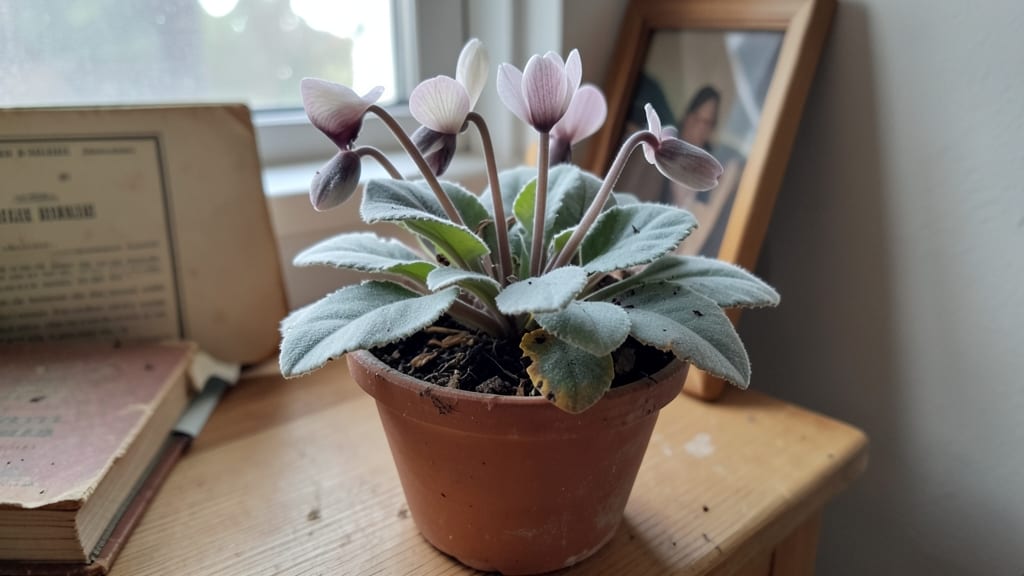
Gray flower names might sound dull, but these plants are the Pacific Northwest’s secret weapon for year-round hummingbird magic. ✨ The moment I spotted my first Lavandula 'Munstead' in a misty Seattle garden, I knew these silvery blooms were far from boring—they’re the quiet stars that make pollinators swoon even in winter’s chill.
These aren’t just pretty faces; they’re textured, drought-tolerant workhorses that thrive in the PNW’s damp winters and sunny summers. Think Heuchera ‘Plum Pudding’ with its velvety silver leaves or Salvia ‘May Night’, whose deep purple spikes contrast perfectly with soft gray blooms.
They’re the backbone of gardens that hum with life from spring through frost.
What you’ll get is a hummingbird buffet that never skips a season—silver foliage that glows in morning light, flowers that attract pollinators like a siren’s call, and a color palette that’s effortlessly sophisticated.
Pair them with deep purples, rich greens, or bold reds for a look that’s both wild and polished.
Perfect for cottage gardens, modern borders, or even container displays. These plants prove gray isn’t boring—it’s the foundation of a garden that works as hard as it blooms. Let’s dive into the specifics that’ll make your yard the PNW’s next hummingbird hotspot.
📚 In This Guide
- What you need
- Instructions
- Tips and common mistakes
- Wrapping up and next steps
What you need
- ● Gray-flowered plants (5–10 varieties): 1–2 Lavender bushes (e.g., Lavandula angustifolia)
- ● 3–5 Heather plants (Calluna vulgaris, Erica spp.)
- ● 2–3 Salvia varieties (e.g., Salvia 'May Night', Salvia nemorosa)
- ● 1–2 Russian Sage (Perovskia atriplicifolia) plants
- ● 1–2 Gray Santolina (Santolina chamaecyparissus) shrubs
- ● 1–2 Artemisia varieties (e.g., Artemisia 'Powis Castle', 'Silver King')
- ○ Soil amendments (optional but recommended): 5–10 lbs compost or aged manure (for nutrient-rich soil)
- ● 1–2 bags perlite or pumice (for drainage in containers)
- ● Mulch: 2–3 cubic feet of cedar chips or gravel (to retain moisture and suppress weeds)
- ● Basic gardening tools: 1 trowel or hand shovel
- ● 1 pruners (for trimming)
- ● 1 garden fork (if amending clay soil)
- ● 1 watering can or hose with spray nozzle
- ○ Optional (but helpful): 1 hummingbird feeder (for supplemental nectar)
- ● 1–2 native plant guides (PNW-specific, e.g., Washington Native Plant Society resources)
- ● 1 soil pH test kit (to ensure acidity for heathers)
- ● Prerequisites: Full-sun to partial-shade location (6+ hours of sunlight daily)
- ● Well-draining soil (amend with sand if clay-heavy)
- ● Access to water (drip irrigation or consistent hand-watering)
How to create a Pacific Northwest hummingbird garden with gray flowers
Gray flowers aren't just a soothing palette—they're a magnet for hummingbirds in the PNW's cooler climate.
🌿 Step 1: Select Native Gray-Blooming Perennials for Hummingbird Appeal
Start with gray-leaved perennials that thrive in the Pacific Northwest's mild, wet winters and cool summers. My top choices are Lavender (Lavandula angustifolia), Lamb's Ear (Stachys byzantina), and Silver Falls (Stachys lanata). These plants not only provide striking foliage but also produce small, tubular flowers that hummingbirds adore.
Lavender's lavender-blue blooms attract hummingbirds with their scented nectar, while Lamb's Ear's fuzzy silver leaves create a stunning contrast against other colors. For a more dramatic look, Silver Falls produces delicate white flowers that stand out against its silvery foliage. Plant these in well-draining soil—hummingbirds avoid soggy areas, and so should your plants.
☀️ Step 2: Add Nectar-Rich Annuals for Season-Long Color
To ensure year-round hummingbird activity, mix in annuals with grayish foliage and nectar-packed blooms. Gray Naked Lady (Ammi visnaga) and Silver King Artemisia (Artemisia 'Silver King') are excellent choices. These plants thrive in the PNW's partial shade to full sun and produce small, star-shaped flowers that hummingbirds can't resist.
For a pop of color, pair them with salvia (Salvia nemorosa) or fuchsia—both produce bright, tubular flowers that hummingbirds love. Plant these annuals in late spring after the last frost, when soil temperatures reach at least 50°F. This timing ensures they bloom just as hummingbirds return from migration.
🪴 Step 3: Design for Hummingbird Accessibility and Shelter
Hummingbirds need easy access to flowers and protection from wind and rain. Arrange your gray-flowered plants in clusters of 3-5, spaced 12-18 inches apart, to create a dense, inviting garden. Place taller plants like Silver King Artemisia at the back and shorter ones like Lamb's Ear in the front.
Add shelter with native shrubs like Oregon Grape (Mahonia aquifolium) or Red Twig Dogwood (Cornus sericea), which provide berries for hummingbirds and windbreaks. Avoid overcrowding—hummingbirds need clear flight paths to navigate your garden. A small water feature, like a shallow dish with pebbles, will also attract them for drinking.
💧 Step 4: Water and Maintain for Hummingbird-Friendly Conditions
Gray-flowered plants often have silver or woolly leaves that reduce water needs, but they still require consistent moisture during the first growing season. Water deeply 2-3 times per week until the soil is 6 inches deep and evenly moist. Once established, reduce watering to once a week unless the PNW's dry summer heat kicks in.
Mulch with 2-3 inches of bark or straw to retain moisture and suppress weeds. Avoid fertilizing heavily—hummingbirds prefer low-nitrogen, high-potassium conditions, which encourage flower production over foliage. Prune dead or leggy growth in early spring to keep plants compact and blooming.
⏰ Step 5: Time Planting for Hummingbird Migration Patterns
The Pacific Northwest's hummingbird season runs from early April to late October, with peaks in May-June and August-September. Plant early bloomers like Lavender in March-April so they flower just as hummingbirds arrive. Follow with annuals like Gray Naked Lady in May for summer-long blooms. Add fall-blooming varieties like Salvia in June to extend the season.
Watch for hummingbird activity—when you see them visiting, it's time to add more nectar-rich flowers. If blooms fade before hummingbirds leave in fall, deadhead spent flowers to encourage new growth. This keeps your garden productive and hummingbird-friendly throughout the season.
Tips & tricks for perfect gray flower gardens in the Pacific Northwest
Creating a hummingbird haven with gray flowers takes thoughtful planning—here are my favorite insider tricks for PNW gardeners.
Soil Matters: The Pacific Northwest's wet winters mean your gray-leaved perennials like Lavender and Lamb's Ear need excellent drainage. Amend heavy clay soil with 10-20% compost and consider raised beds if your yard stays soggy. I've seen gray foliage plants struggle in compacted soil, so don't skip this prep work—it's what keeps those silvery leaves looking crisp and vibrant all season.
Layering for Hummingbird Traffic: In Step 3, when designing your garden layout, think vertically. Place taller gray foliage plants like Silver King Artemisia (3-4 feet tall) at the back, then add medium-height shrubs like Oregon Grape (2-3 feet), and finish with low-growing Lamb's Ear (12-18 inches). This creates natural perches for hummingbirds while showcasing the textural beauty of gray foliage at every level.
Seasonal Planting Strategy: The key to year-round hummingbird activity is staggered blooming. After planting your March-April Lavender and May Gray Naked Lady, add June Salvia for fall color. I also recommend planting Russian Sage (Perovskia atriplicifolia) in late spring—its lavender-blue spikes bloom from midsummer through fall and attracts hummingbirds relentlessly. This creates a continuous nectar supply that keeps birds visiting throughout the season.
Watering Wisdom: Gray-leaved plants often have silvery hairs that reduce water needs, but don't assume they're drought-proof. In Step 4, when watering 2-3 times per week during establishment, focus on deep watering—aim for 1 inch of water per week. Use a rain gauge or tuna can to measure accurately. The PNW's cool summers mean evaporation is slower than in hot climates, so you can often reduce to weekly watering once plants are established, but always check soil moisture before deciding.
Pro Tips for Gray Flower Names
- Creating a hummingbird haven with gray flowers takes thoughtful planning—here are my favorite insider tricks for PNW gardeners.
- Soil Matters: The Pacific Northwest's wet winters mean your gray-leaved perennials like Lavender and Lamb's Ear need excellent drainage.
- Layering for Hummingbird Traffic: In Step 3, when designing your garden layout, think vertically.
Frequently asked questions
about gray-hued flowers that thrive in the Pacific Northwest’s climate—and attract hummingbirds year-round.Why do some gray flowers attract hummingbirds?
Gray flowers often have high nectar concentrations and unique ultraviolet patterns that guide hummingbirds. Many gray blooms (like Salvia or Heuchera) also produce nectar-rich, tubular shapes perfect for hummingbird beaks. Plus, their silvery foliage provides contrast against green landscapes, making them stand out to these tiny pollinators!
When is the best time to plant gray flowers for hummingbirds?
For spring bloomers (e.g., Lavender or Russian Sage), plant in early spring (March–April) to establish roots before summer heat. Fall-blooming varieties (like Heuchera) thrive when planted in late summer/early fall (August–September) to avoid winter stress. Always check your zone’s last frost date!
Are gray flowers drought-tolerant in the PNW’s rainy climate?
Many gray flowers love the PNW’s mild, moist conditions but still benefit from well-draining soil. Native picks like Yarrow (Achillea) or Bee’s Bliss Sage are highly drought-tolerant once established. Just avoid soggy soil—amend clay with compost or gravel to prevent root rot. Pro tip: Mulch to retain moisture!
What are some easy gray flower alternatives if I don’t have a garden?
No space? No problem! Try container gardening with gray foliage stars like:
- Lamb’s Ear (Stachys byzantina) – Soft, fuzzy leaves in pots
- Silver Falls Dichondra – Trailing silver cascades for balconies
- Blue Fescue Grass – Ornamental, drought-loving tufts
Why aren’t hummingbirds visiting my gray flowers?
Check these quick fixes:
- Nectar shortage: Deadhead spent blooms to encourage reblooming.
- Water access: Hummingbirds need shallow water sources (add a birdbath!).
- Pesticides: Avoid chemicals—hummingbirds are sensitive to them.
- Timing: Hummingbirds are most active at dawn/dusk.
Wrapping up and next steps
Discovering the gray flower names of the Pacific Northwest isn’t just about adding beauty to your garden—it’s about creating a thriving ecosystem that hummingbirds adore year-round! 🌿 From the delicate Heuchera to the hardy Lavandula, these plants bring texture, resilience, and a feast of nectar for these tiny, energetic visitors.
Whether you're a seasoned gardener or just starting out, these gray-hued blooms prove that functional beauty is always in season.
Ready to transform your outdoor space into a hummingbird haven? Start small—pick one or two gray flowers from our list and observe how quickly your garden becomes a buzzing hotspot! 🐦❤️ Plant, watch, and enjoy the magic unfold.