
Propagation
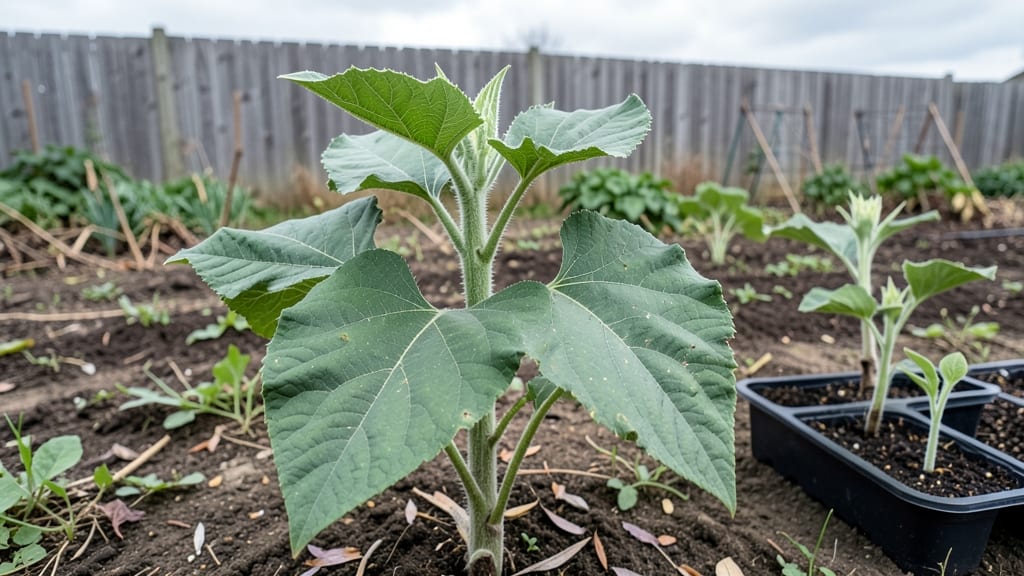
Planting ground sunflower seeds is the fastest way to get fast-germinating sprouts—I’ve seen tiny shoots push through soil in just 3 days with the right approach. The trick isn’t just tossing seeds into dirt; it’s about moisture, warmth, and patience, even though the results feel like magic.
These seeds don’t need fancy prep—they’re built for speed, but they do need consistent care to avoid the dreaded "damp rot" that kills seedlings before they start.
Start with well-draining soil (a mix of potting soil and perlite works best) and plant seeds ½ inch deep, spaced 12 inches apart—crowding them slows growth.
Sunflowers crave sunlight, so pick a spot that gets at least 6 hours of direct sun daily, or you’ll end up with leggy, weak stems. Water gently after planting, keeping the soil moist but not soggy, and you’ll see those first green tips in 24-72 hours.
Once sprouts appear, you’ll notice bold, velvety leaves unfurling within a week, and by 10 days, sturdy stems will start reaching for the sky.
The key to keeping them thriving is thinning seedlings to the strongest one per spot—this prevents competition and gives each plant room to grow 6-12 feet tall, depending on the variety. Varieties like 'Mammoth' or 'Autumn Beauty' are great for beginners, while 'Teddy Bear' stays compact for smaller gardens.
For extra growth boosts, pair sunflowers with basil or borage—these companions deter pests and improve flavor if you’re growing edible varieties. Avoid planting near potatoes, though, as sunflowers can stunt their growth.
With the right setup, you’ll have sunflower sprouts in days and towering blooms by summer, all from a handful of seeds and a little patience.
📚 In This Guide
- What you need
- Instructions
- Tips and common mistakes
- Wrapping up and next steps
What you need
- ● Ground sunflower seeds: ½ cup (about 70g). Look for organic, raw, and unsalted seeds for the best sprouting results.
- ● Wide-mouth mason jar or sprouting container: 16–32 oz (473–946 mL) with a breathable lid (or a fine-mesh screen + rubber band).
- ● Cheesecloth or sprouting lid: 1 piece to cover the jar’s opening.
- ● Water: Room-temperature, filtered if possible.
- ○ Colander or strainer: For rinsing (optional but handy).
- ● Timer or phone alarm: To remind you to rinse seeds 2x daily.
- ● Kitchen sink or large bowl: For rinsing (avoid direct water pressure).
- ● Paper towels or clean kitchen towel: For draining excess water after rinsing.
- ● Bright, indirect light source: A sunny windowsill or grow light works best.
- ● Sprouting tray or stackable jars: For larger batches.
- ● Hydrometer or pH strips: To monitor water quality (ideal pH: 6.0–7.0).
- ● Food processor or mortar & pestle: For crushing seeds into ground form after sprouting (if desired).
- ● Label & marker: To track sprouting dates (sunflower seeds germinate fast!).
How to grow ground sunflower sprouts in just 3 days
Here's the quick method I use to get crisp, nutritious sunflower sprouts ready in record time.
Soak Seeds for Optimal Germination
Place 2 tablespoons of ground sunflower seeds in a clean quart-sized mason jar. Cover completely with room-temperature water—about 1 cup—and let them soak for 8-12 hours. The seeds will triple in size as they absorb moisture, which kickstarts the germination process. I like to soak overnight, but don’t exceed 12 hours or the seeds may ferment.
After soaking, drain the water through a fine-mesh strainer, then rinse the seeds gently under cold running water for 30 seconds. This removes any excess seed coats and prepares them for sprouting. The seeds should feel plump and slightly sticky to the touch—this is your signal they’re ready for the next step.
Set Up Drainage and Rinse Routine
Transfer the soaked seeds to a sprouting lid or a clean, breathable cloth (like a sprouting bag or cheesecloth) and place it over a bowl or jar. The bowl will catch excess water while allowing airflow to prevent mold. Keep the setup in a warm, dark place—like a kitchen counter or pantry—where the temperature stays between 65-75°F.
Every 8-12 hours, rinse the seeds again under cold water for 10-15 seconds, then drain thoroughly. This keeps them hydrated without becoming waterlogged, which is key to fast germination. You’ll notice tiny white sprouts emerging within 12-24 hours—this is when the magic happens. If you see any seeds turning slimy or developing a foul odor, discard them immediately and start fresh.
Transition to Light for Chlorophyll Development
After 24 hours, when the sprouts are ½ inch long and have developed small root tails, move the jar or cloth to a bright, indirect light source. A sunny windowsill or a grow light works perfectly. Sunflower sprouts need light to develop chlorophyll, which gives them their vibrant green color and boosts their nutritional value. Avoid direct sunlight at first—it can scorch the delicate sprouts.
Continue rinsing the sprouts twice daily for another 24-48 hours, or until they reach your desired length—usually 1-2 inches. The sprouts should look crisp, with a slight crunch when pinched between your fingers. If they start to yellow or wilt, they’ve been overwatered or exposed to too much heat.
Harvest and Store for Maximum Freshness
Once the sprouts reach the ideal size, give them a final rinse and drain them completely. To harvest, gently shake the sprouts into a clean bowl or spread them on a paper towel to dry for 5-10 minutes. This removes excess moisture and prevents spoilage. Store them in an airtight container in the refrigerator, where they’ll stay fresh for 5-7 days. For longer storage, you can freeze them in an ice cube tray—just thaw and rinse before using.
Sunflower sprouts are ready to eat raw in salads, sandwiches, or as a nutritious snack. Their mild, nutty flavor and crunchy texture make them a versatile addition to any meal. If you notice any sprouts turning brown or slimy after storage, discard them immediately—they’ve gone bad.
Tips & tricks for perfect ground sunflower sprouts
Here's what I've learned to make sure your sunflower sprouts grow crisp, vibrant, and ready in just three days.
Soaking Strategy: The 8-12 hour soak is your foundation—don't rush it! I've found that soaking overnight (around 10-12 hours) gives the best results while preventing fermentation. Use room-temperature water, as cold water can slow germination. After draining, give those seeds a quick 30-second cold water rinse to remove any seed coats that might inhibit growth. This step is crucial for preventing mold later on.
Temperature Control: Maintaining that 65-75°F range during the dark sprouting phase is non-negotiable. If your kitchen runs cooler, place the jar near a warm spot like above the refrigerator or near a south-facing window (without direct light). Too cold and germination slows; too warm and you risk fermentation. A small seedling thermometer can be your best friend here if you're unsure about your kitchen's temperature.
Light Transition Timing: Moving your sprouts to light at exactly the 24-hour mark is where the chlorophyll magic happens. Look for those tiny white sprouts and root tails—this is your cue. For the light phase, I recommend bright but indirect light to prevent scorching. A north-facing window works well, or you can use a simple LED grow light if natural light isn't sufficient. The chlorophyll development in these 24-48 hours is what gives your sprouts that vibrant green color and boosts their nutritional value.
Rinse Routine: Those twice-daily rinses are non-negotiable for crisp sprouts. I've learned the hard way that skipping rinses leads to slimy, waterlogged sprouts. The 10-15 second cold water rinse is perfect—long enough to refresh but short enough to maintain the moisture balance. After each rinse, drain thoroughly to prevent mold growth. If you notice any seeds developing a foul odor during this phase, discard them immediately and start fresh with clean seeds.
Pro Tips for Ground Sunflower Seeds
- Here's what I've learned to make sure your sunflower sprouts grow crisp, vibrant, and ready in just three days.
- Soaking Strategy: The 8-12 hour soak is your foundation—don't rush it!
- Temperature Control: Maintaining that 65-75°F range during the dark sprouting phase is non-negotiable.
Frequently asked questions
Got questions about growing ground sunflower seeds? You're not alone!
Here are answers to the most common queries—whether you're troubleshooting sprouts, optimizing germination, or curious about alternatives. Let’s make your sunflower-growing journey smooth and successful!
How long do ground sunflower seeds take to sprout?
With the right conditions (warmth, moisture, and darkness), ground sunflower seeds typically sprout in 2–3 days. If you’re using the fast-germination method in this recipe, expect tiny sprouts peeking out by day 3! Patience is key—don’t overwater or move them too soon.
Can I grow sunflower seeds in cold weather?
Sunflower seeds prefer warmth (70–80°F) for germination. In cold weather (<50°F), sprouting slows down or may fail. Try germinating indoors near a sunny window or use a seedling heat mat. If outdoors, wait until soil temps rise—spring or summer is ideal for direct planting.
What if my sunflower seeds aren’t sprouting?
No sprouts? Check these fixes:
- Moisture: Keep seeds damp (not soggy) with a spray bottle.
- Warmth: Place them in a warm spot (like on top of a fridge).
- Darkness: Cover with a damp paper towel if using the jar method.
- Viability: Test a few seeds in warm water—if they sink, they’re likely viable.
Can I use store-bought sunflower seeds for sprouting?
Yes! Unsalted, raw sunflower seeds work best—avoid roasted or salted varieties (they won’t sprout). Rinse seeds thoroughly before soaking to remove any coatings. For faster results, choose helicianthus annuus (common sunflower) seeds, often sold as birdseed or sprouting seeds.
Are sunflower sprouts safe to eat raw?
Sunflower sprouts are nutrient-packed ( vitamin E, magnesium, and protein) and delicious raw in salads, sandwiches, or as a snack. Just ensure you’re using organic or untreated seeds to avoid contaminants. Rinse well before eating to remove any residue.
What’s the best alternative if sunflower seeds won’t grow?
If sunflowers prove tricky, try these fast-sprouting alternatives:
- Radish seeds (sprout in 1–2 days)
- Alfalfa seeds (ready in 3–4 days)
- Lentils (great for beginners, 2–3 days)
- Pea shoots (harvest in 7–10 days)
Wrapping up and next steps
Growing ground sunflower seeds into fast, nutrient-packed sprouts in just three days is easier than you think—and the rewards are delicious! 🌱 With minimal effort, you’ve unlocked a fresh, crunchy snack or salad topper bursting with flavor and health benefits.
Whether you’re a beginner or a seasoned gardener, this method proves that homegrown goodness is always within reach.
Ready to take the next step? Experiment with flavors—try adding them to wraps, smoothies, or even homemade granola for a protein-packed twist. Share your sprouting wins with friends or dive deeper into sprouting other seeds. Your kitchen (and taste buds) will thank you! 🌟